Running Shoes
ASICS Superblast 2 Marathon Test: Reliable Cushioning for the Full 26.2
A full marathon-distance test of the ASICS Superblast 2, covering how the ride holds up from the early miles through to the toughest final stretch.
Introduction
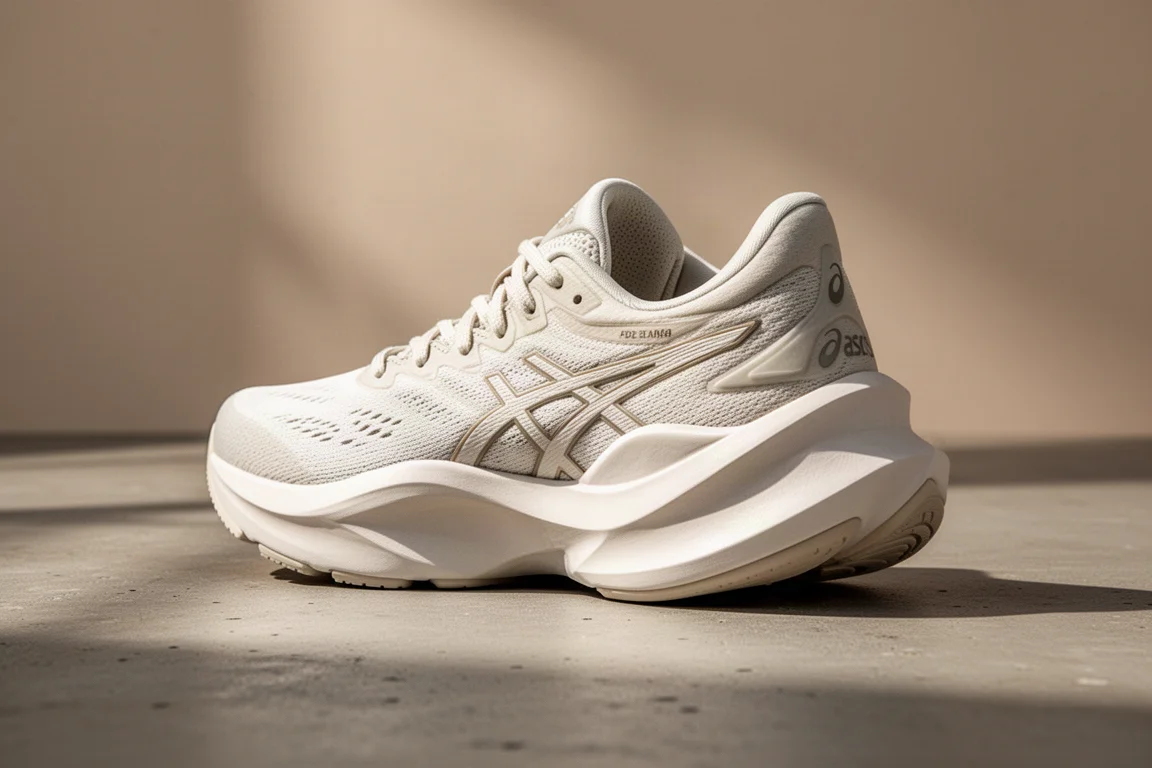
Some shoes earn their reputation on pace, and others earn it on distance. The ASICS Superblast 2 sits firmly in the second camp. To find out what it can really do, we took it out for a full marathon-distance test on the roads of London: not an all-out race effort, but a realistic four-hour cruise at roughly eight-minute-mile pace, with tired legs and ragged form in the final miles. That is exactly the situation most marathon runners will find themselves in, and it is where a trainer either looks after you or does not.
How the Ride Feels Over 26.2 Miles
The early miles told the main story. After a slightly stiff start, the shoe settled into a smooth, effortless cruising rhythm very quickly, and by miles four or five the pace had drifted faster than planned without extra effort. There is enough softness underfoot, but also enough bounce coming back, so transitions stay flowing rather than sluggish. At around eight-minute-mile pace the ride feels genuinely easy to hold.

The comfort on the foot is equally strong. The toe box is roomy with plenty of wiggle room, the heel holds well and feels nicely locked down, and the shoe largely disappears into the background over long stretches. It is not a small shoe, but it never felt heavy on the foot over most of the marathon distance.
The Middle Miles: Consistency Is the Story
Around the 14-mile mark, one word summed up the experience: consistent. The ride, the energy, the stability, the cushioning, the comfort, everything was reliably good and solid from mile to mile. Nothing dropped off as the distance climbed.
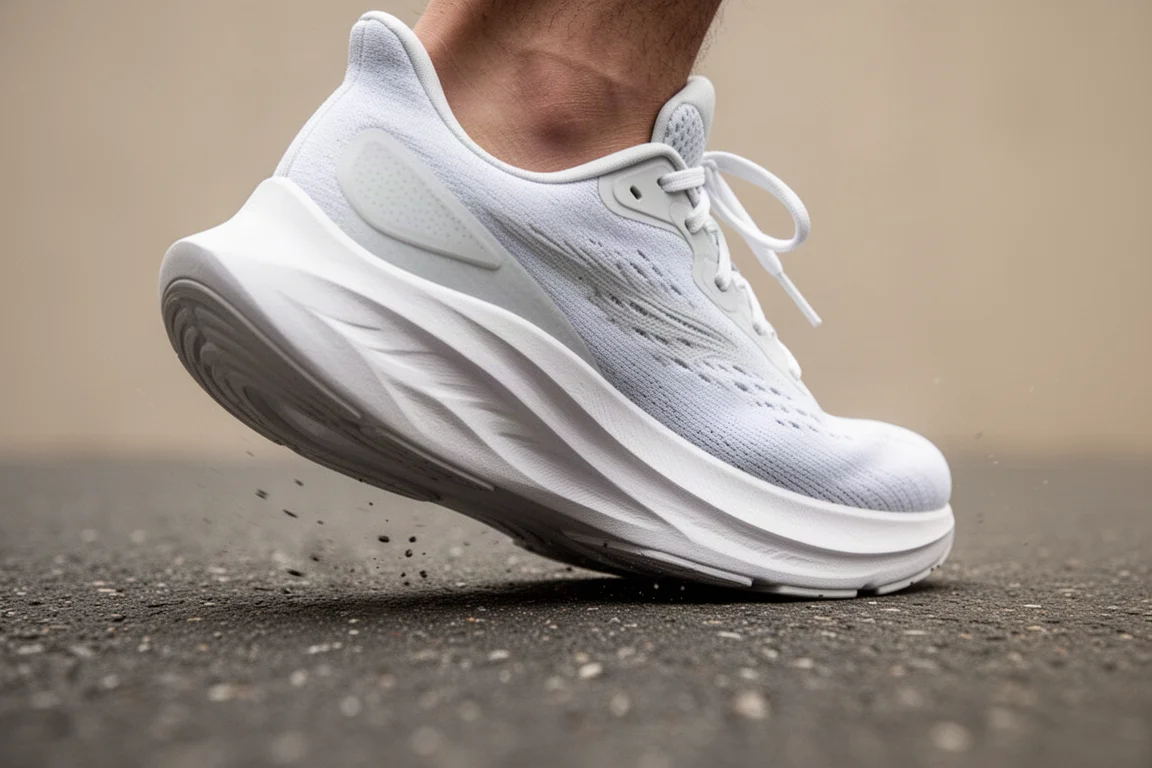
There is one caveat worth knowing. At the slowest paces, with a heavier, more rearward footstrike, the ride turns a little soggy and the shoe can feel big and slightly slappy. When you get up to a cruising pace and connect with less of the shoe, that fades away and the ride turns excellent. The key is settling into a pace you can hold and letting the shoe do its job.
When Fatigue Sets In: The Final 5 and a Half Miles
This is the part of a marathon that really tests a shoe. By the final stretch, pace had dropped considerably, form was ragged, and everything felt more tired. That is where the Superblast 2’s consistency paid off most.
The cushioning stayed protective with no road coming up through the shoe, and there was no foot fatigue at a stage where it would normally appear. It just cushioned and carried things through to the finish, ticking over comfortably in the sub-four-hour range.

The interesting twist came in the last couple of miles. With a bit more energy returning, the pace went up, and the shoe responded, giving back when pushed into quicker miles. It has you covered whether you are running well or struggling, and that is the mark of a genuinely good trainer.
Who Should Consider the Superblast 2
If you are a four-hour-plus marathon runner, a slightly heavier runner, or someone who wants a guaranteed cushioned, protective ride over 26.2 miles with a bit of energy on tap, this is a very compelling option. It is also more forgiving and protective than more aggressive, direct racing-style shoes, which demand a stronger effort from the runner.
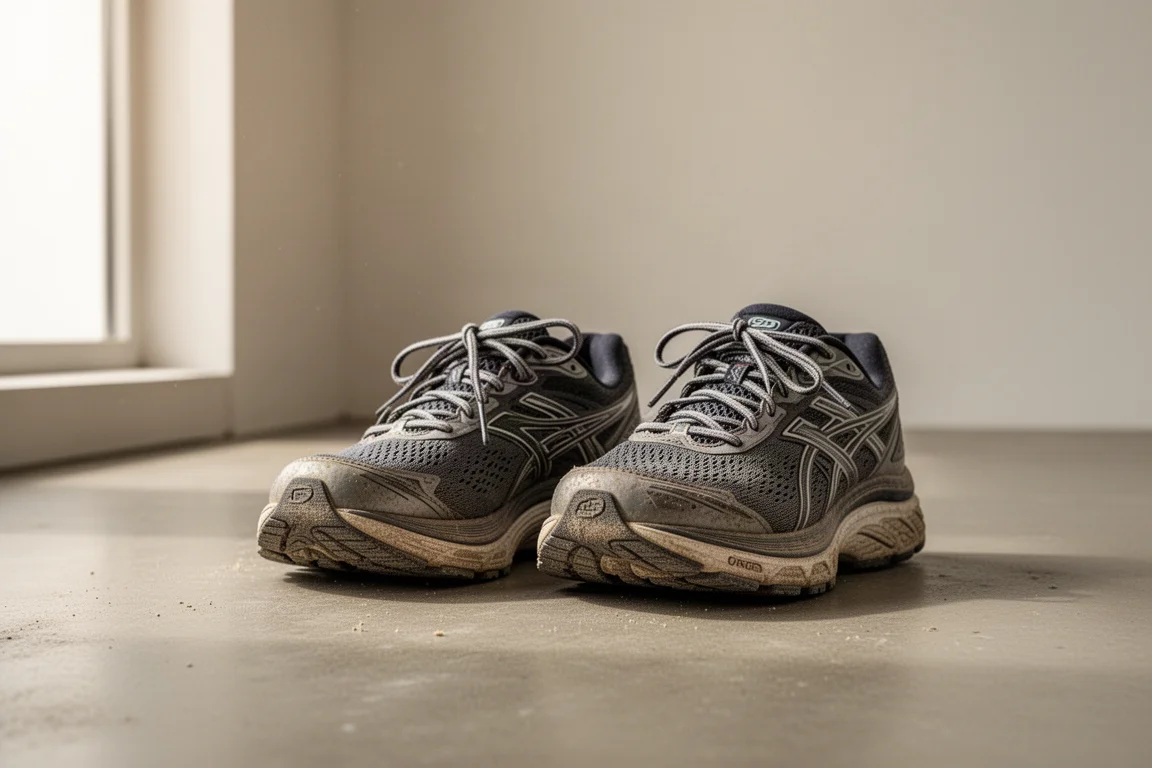
There is a broader value case too. Although it sits at a higher price point, around 200, it works as a single-shoe solution covering everything from everyday training through to the marathon itself. If you only want to buy one shoe and use it for everything up to and including race day, the Superblast 2 makes that an easy argument to justify.
Conclusion
The ASICS Superblast 2 delivers the same reliable, comfortable, protective ride from the first mile to the last, and it still has something to give when you want to push. It feels big at very slow paces and some runners may prefer something more immediate, but for a four, five, six or seven hour marathoner who wants a shoe that will look after them the whole way, it is an easy recommendation after a full marathon-distance test.
Product link
View more details for Asics Superblast 2
This product is mentioned in the review. Check the specifications, options, and compatibility before buying.
View more details for Asics Superblast 2Further reading
Related Reviews

Running Shoes
Best Road-to-Trail Running Shoes: Three Versatile Options for Mixed Terrain
A practical guide to three road-to-trail running shoes that handle both pavement and mild trails, with clear strengths and trade-offs for different runner types.

Running Shoes
Best Running Shoes for Achilles Tendonitis: Three Options Explained
Three running shoes with different heel drops and support features designed to help reduce Achilles tendon pain during walking and running.

Running Shoes
Best Running Shoes for Women: Five Top Choices Ranked
A ranked guide to five women's running shoes, from versatile daily trainers to high-performance racing options, with real strengths and trade-offs for each.