Running Shoes
Asics Superblast 2 Long-Term Review: 350 Miles In, Plus Four Solid Alternatives
A 350-mile long-term look at the Asics Superblast 2, including how it is holding up, what still makes it special, and four alternatives worth considering if you cannot find a pair.
Introduction
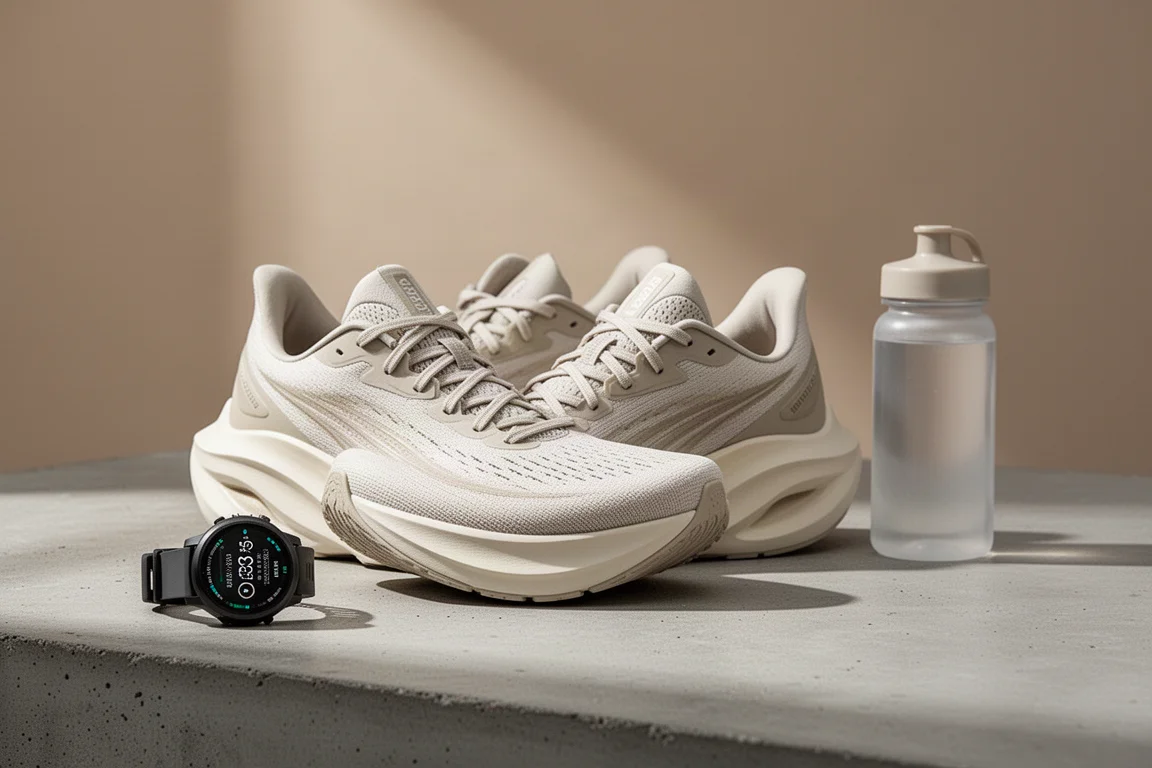
After more than two and a half months and over 350 testing miles across speed sessions, easy runs and a half marathon, the Asics Superblast 2 has had just about everything thrown at it. The short version: it is still one of the most impressive running shoes available, but it has quirks worth knowing about, and it remains frustratingly hard to buy. If you cannot get hold of a pair, there are alternatives, though none of them ride quite like it.
Asics Superblast 2: The Facts and Figures
The Superblast 2 is a long-distance mileage monster: a non-plated racing shoe aimed at 10Ks, half marathons, marathons and beyond. It is very much a road shoe. Pricing sits around £200, with a 45mm heel stack, an 8mm drop and a weight of 288g in a UK size 11.5. That is remarkably light for a shoe with this much volume, and it is immediately noticeable just holding it in your hand.
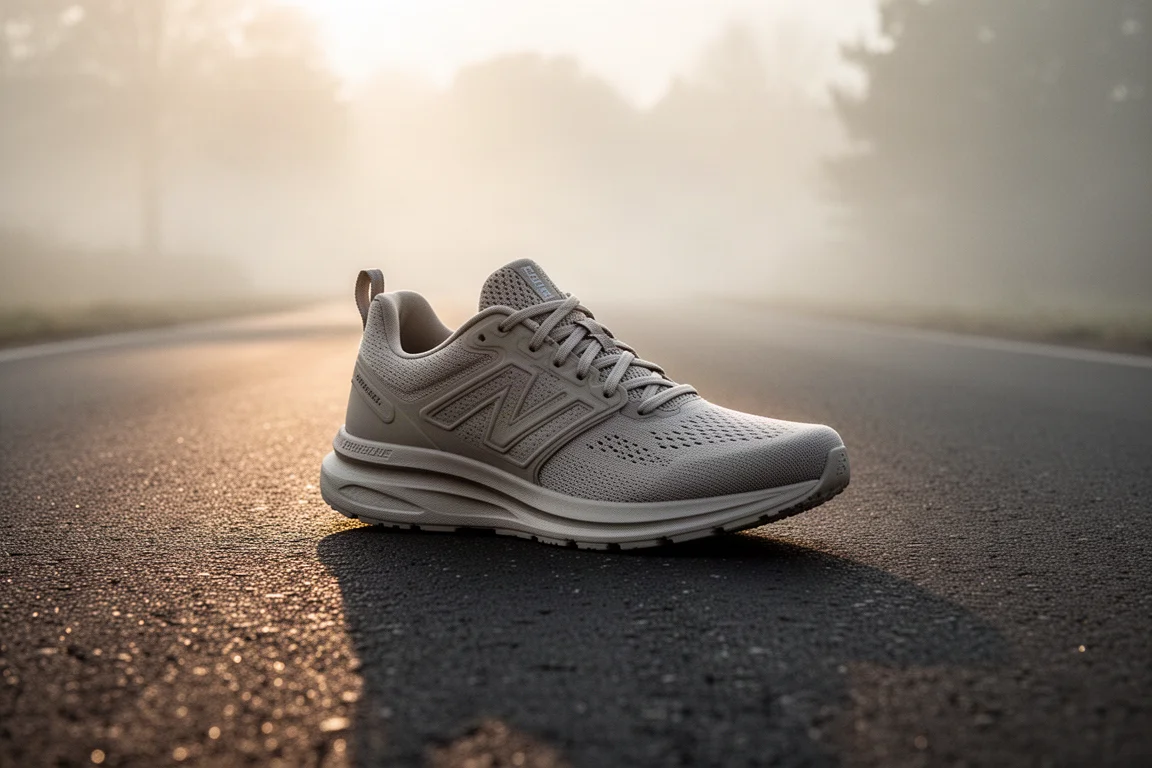
It is a neutral shoe using FF Turbo Plus foam, the same foam Asics puts in its highest-end racing shoes, with a layer of FF Blast Eco beneath for extra durability. The outsole uses Asics Grip, the same material used on some of its trail shoes, and that was one of the big updates for version two. Multiple widths are available, though there are no dedicated men’s and women’s versions. Sizing runs large: going half a size down was necessary here, exactly as with the original Superblast.
What Still Makes It Special
The first strength is sheer versatility. This is a one-shoe holiday or travel option: it has handled speed sessions, easy runs and a competitive half marathon, where it cruised comfortably at around 3:45 to 3:50 per kilometre pace and picked up the pace strongly in the second half. It stays stable at all paces, and the updated foam feels a little more poppy and responsive than the outgoing version. It is a genuine sleeper shoe that can suddenly turn on the speed.
Comfort is the second big win. This has been the go-to shoe roughly 90% of the time outside of other testing, including long runs of 32, 34 and 36 kilometres in marathon build-up. The foam feels consistent from the start, middle and end of every run, and it looks after your legs remarkably well over long distances.

Third, it is faster than it deserves to be. For a shoe with this stack height, the low weight means that when you want to pick up the pace, you can. A carbon-plated racing shoe will be quicker, but nothing else matches this level of comfort at roughly 85 to 90% of the speed it can produce.
Finally, durability has been excellent. At around 350 miles, the shoe is probably halfway through a good life, with roughly 700 miles of solid training expected before serious wear shows. The outsole is holding up better than expected for something so lightweight, and comparing a new pair against the used pair side by side, the difference is minimal. The foam has barely degraded.
Things to Consider Before Buying
Availability is still the biggest frustration. New colorways have sold out essentially within a day of release, so securing a pair takes luck or persistence.
The ride also leans slightly firm. That suits some runners well, but it is not ideal for recovery runs or the easiest paces, where a softer shoe would be more forgiving. Runners doing super-long efforts of three or four hours, such as ultra training, might also want something plusher.
Then there is the price. At around £200 it is expensive, and given demand, it would likely sell out even at £300. High price and scarcity are simply part of the package.
Mizuno Neo Vista: Softer and Significantly Cheaper
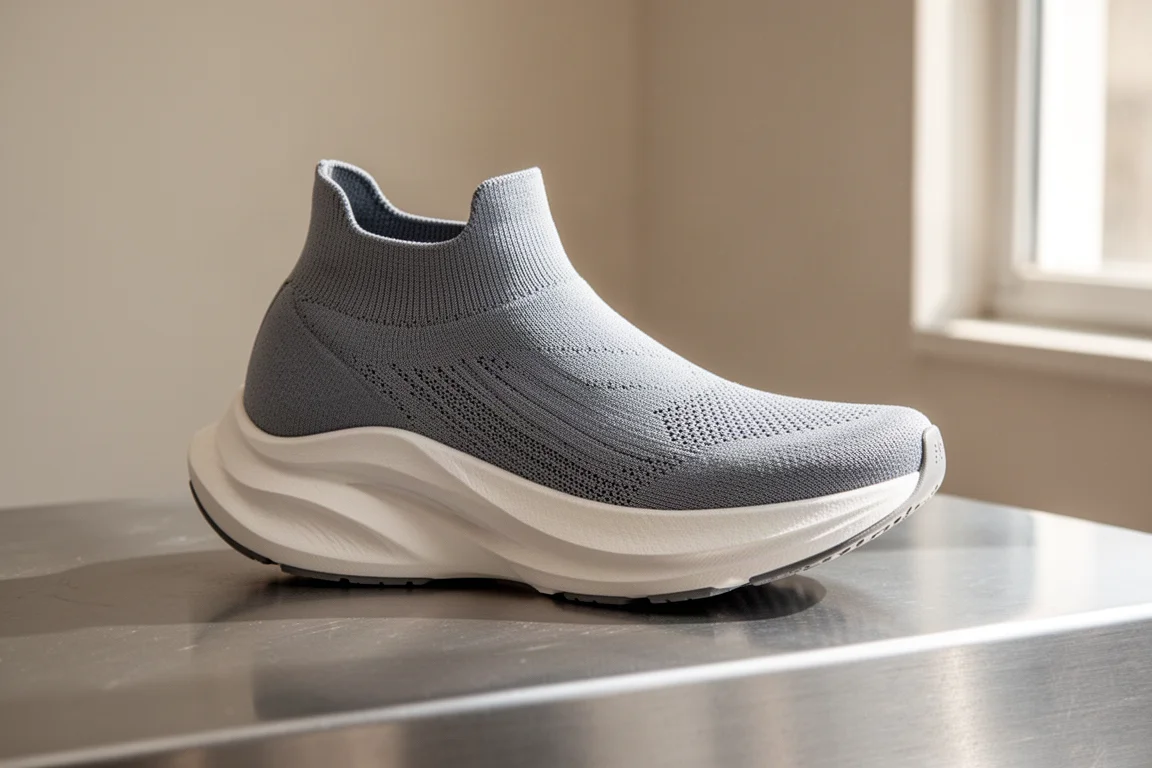
The Mizuno Neo Vista is a little softer and less reactive than the Superblast 2, with a very different bootie-style upper that gives a snug lockdown. It uses a more basic EVA foam rather than a Pebax-based one, plus a nylon plate for stability rather than speed. Comfort levels are high, matching the Superblast in that respect, and at around £150 it represents a significant saving. The Superblast still cruises better through the footstrike, but the Neo Vista is shaping up to be one of the highlight shoes of the year and a genuinely good long-run option at this price.
Hoka Skyward X: Maximum Cushion for Easy Days
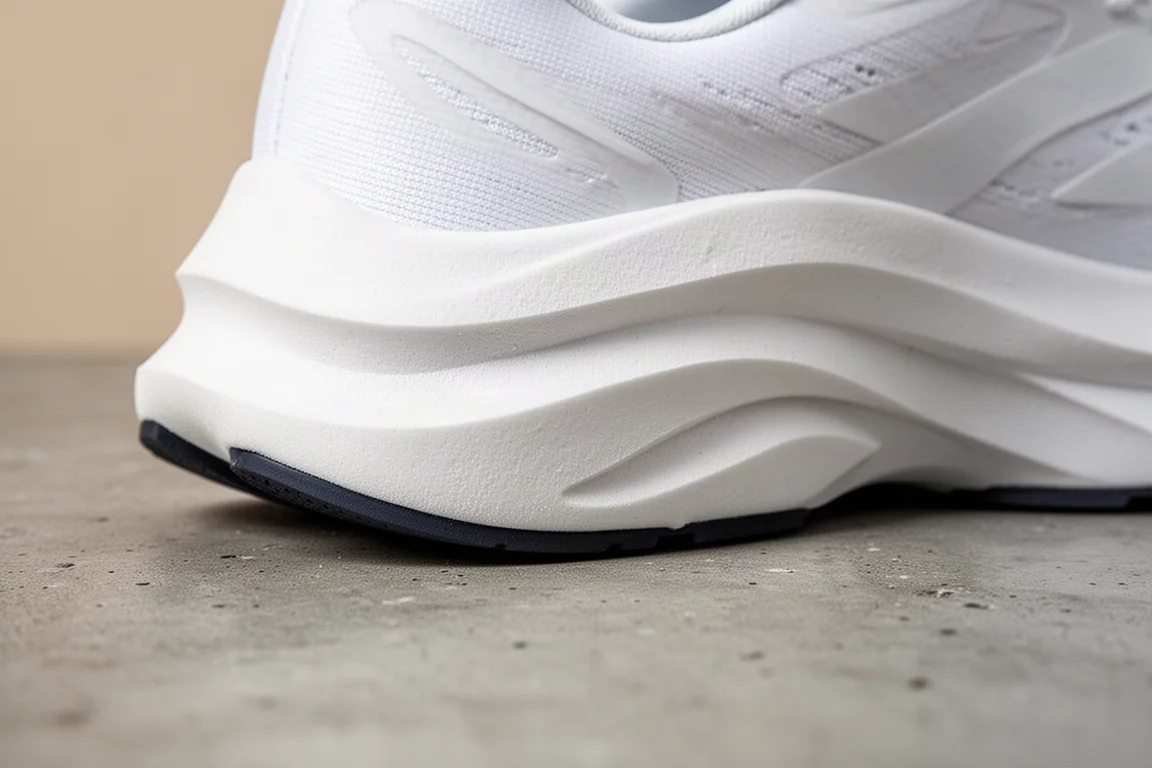
The Hoka Skyward X is a different animal entirely, with a 48mm stack height, the tallest tested to date. It is much more cushioned, softer and incredibly bouncy, but also notably heavy, which limits its pace range compared with the lighter, firmer Superblast. It uses a carbon plate, but like many soft super-cushioned shoes, that plate exists for stability rather than speed. Where it excels is easy and recovery pace: it looks after your legs beautifully on very long, slow runs. If you loved the firm responsiveness of the Superblast, though, this is not trying to replicate it.
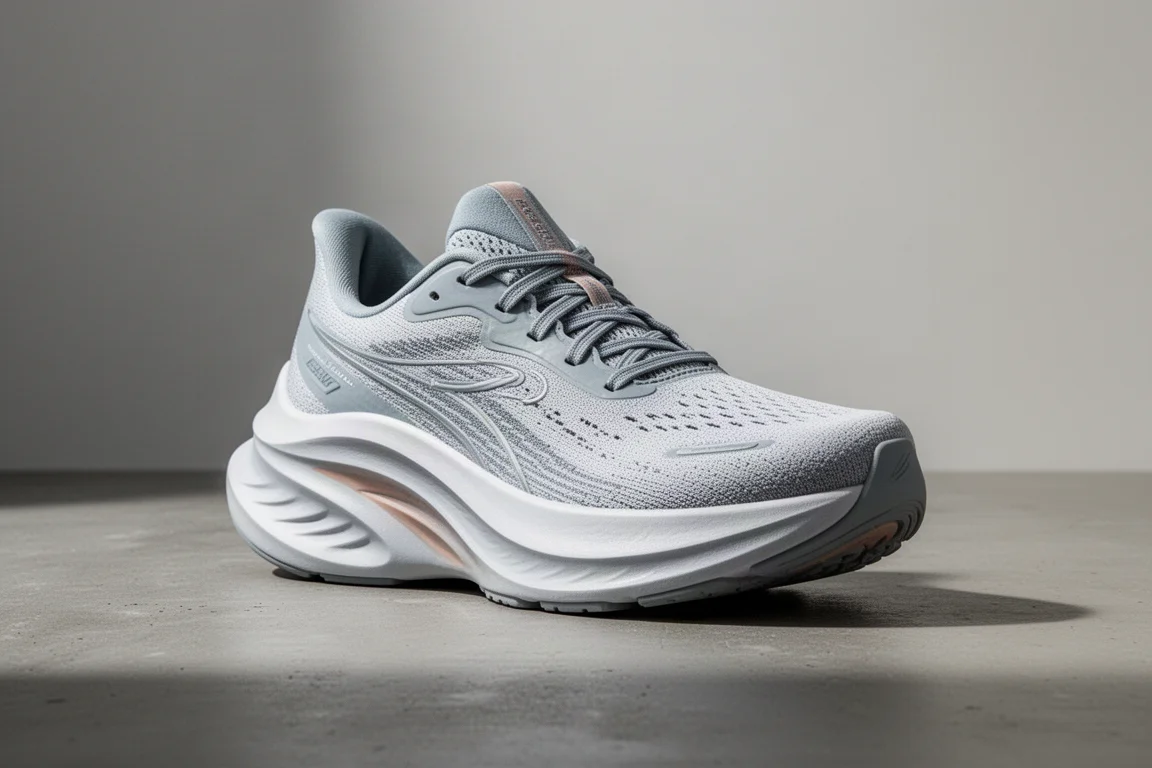
Asics Novablast 4: The Sensible Daily Alternative
The Novablast 4 is the Superblast’s baby brother and Asics’ all-around daily trainer. It has no plate at all, just a good stack of foam, and going this route saves a significant amount of money. The Superblast is quicker, more responsive and better suited to long runs, but if you prefer a slightly softer ride and you are not running especially long, the Novablast 4 would work well for many runners. Without the Superblast in the picture, this would be an easy shoe to buy again without hesitation.
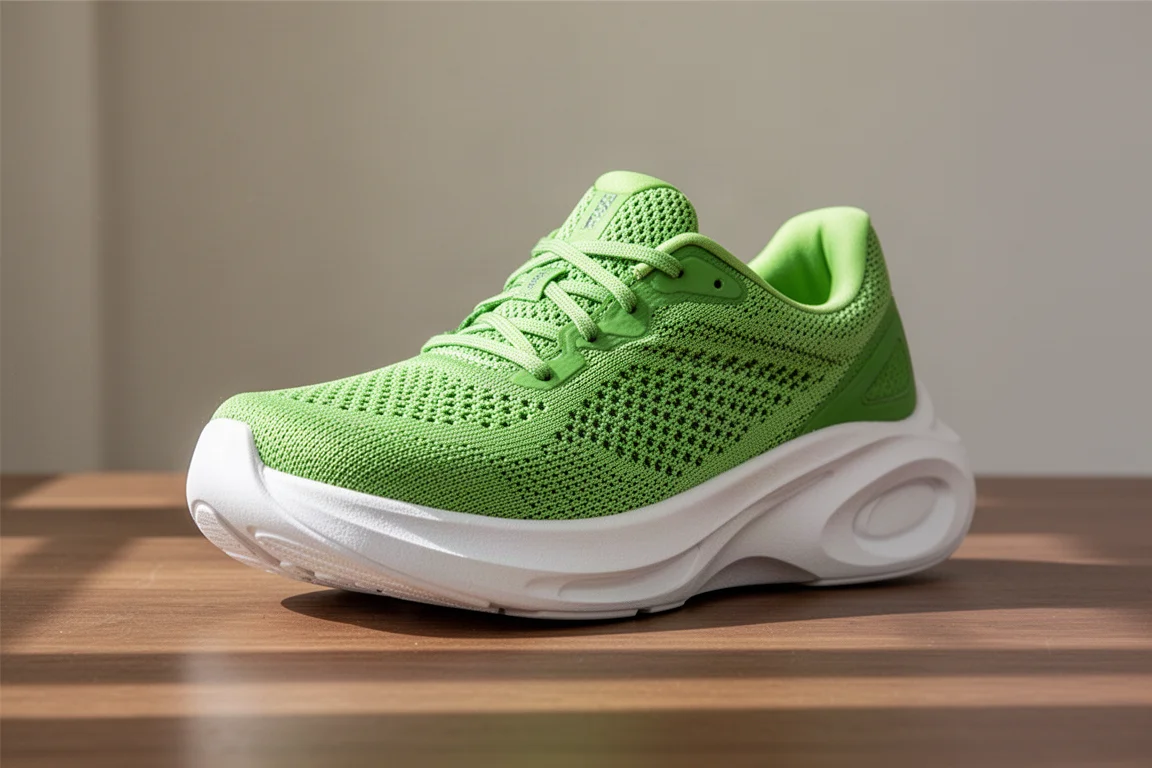
New Balance SC Trainer v3: Plush Miles at Slower Paces
The New Balance SC Trainer v3 offers a completely different ride. The foam is so soft that you sink into it, and it lacks the punchy energy return of the Superblast. Like the Skyward X, its carbon plate exists mainly for stability rather than speed. It is far better suited to easy runs, recovery runs and slower long runs where plushness protects your legs, while the firmer Superblast covers a wider range of paces. As an easy-day and long-run complement, it is a strong pick.
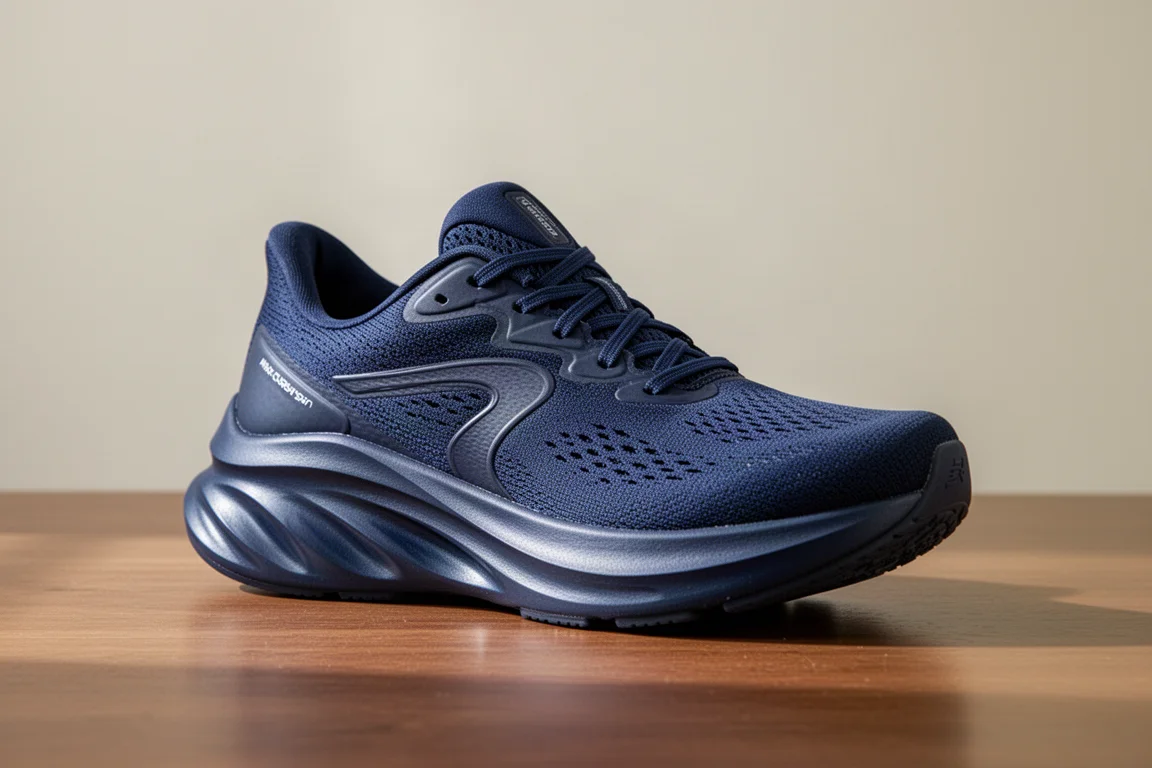
Building a Rotation Around the Superblast 2
If the Superblast 2 did not exist, a sensible setup would be a Novablast 4 for most daily miles, a carbon-plated racer such as the Vaporfly for speed sessions, and something like the SC Trainer v3 for easier long runs. That is the real point of the Superblast: it covers so many run types that it effectively replaces a small rotation, which is what makes it such a beautiful do-it-all training shoe you can travel with.
A rumored Nike Invincible version 4 could soon be another serious competitor in this space, so it is worth keeping an eye on. For now, though, there is simply nothing that replicates the ride, lightness, nimbleness and responsiveness of the Superblast 2. It is, quite frankly, one of the best shoes around.
Conclusion
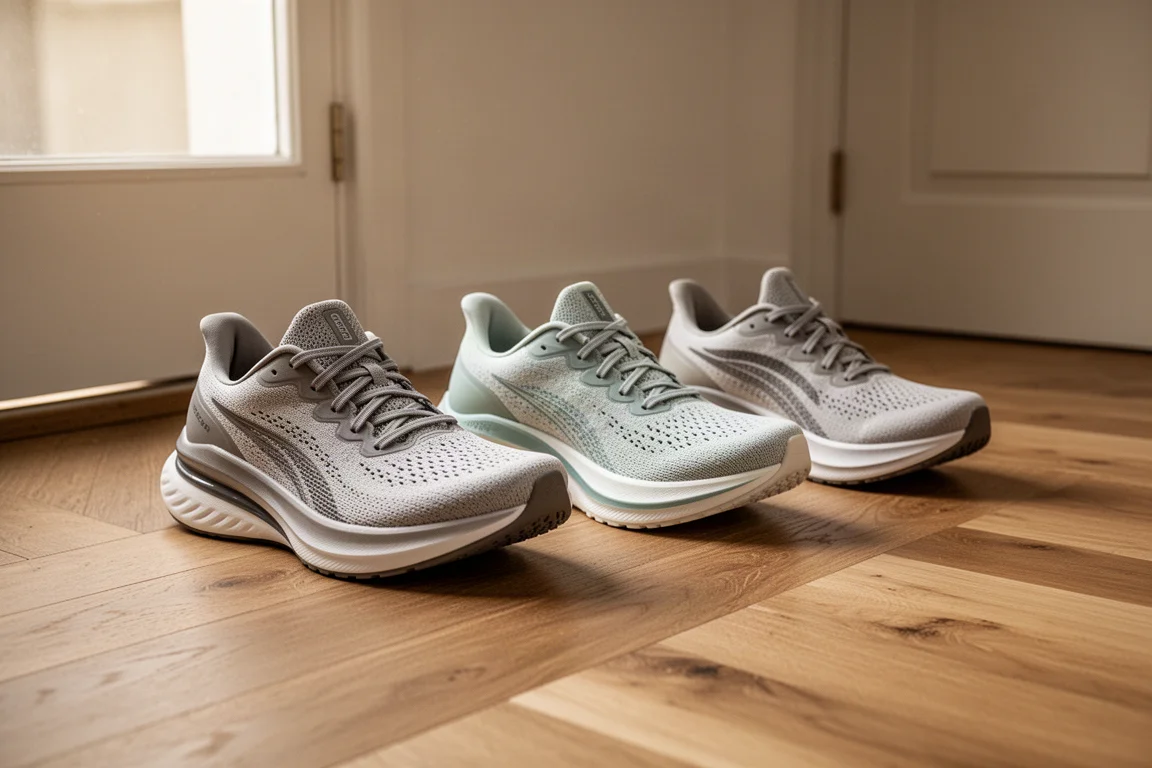
The Superblast 2 earns its reputation. Over 350 miles it has proven versatile, comfortable, surprisingly fast and impressively durable, with the main drawbacks being its firm-leaning ride, high price and scarcity. If you can find a pair, buy one. If you cannot, the Neo Vista is the best value long-run alternative, the Skyward X and SC Trainer v3 cover plush easy days, and the Novablast 4 is the sensible daily option. None of them are quite the same, but each fills part of the gap.
Further reading
Related Reviews

Running Shoes
Best Road-to-Trail Running Shoes: Three Versatile Options for Mixed Terrain
A practical guide to three road-to-trail running shoes that handle both pavement and mild trails, with clear strengths and trade-offs for different runner types.

Running Shoes
Best Running Shoes for Achilles Tendonitis: Three Options Explained
Three running shoes with different heel drops and support features designed to help reduce Achilles tendon pain during walking and running.

Running Shoes
Best Running Shoes for Women: Five Top Choices Ranked
A ranked guide to five women's running shoes, from versatile daily trainers to high-performance racing options, with real strengths and trade-offs for each.