Running Shoes
Asics SuperBlast 2: 100-Mile Review of the Do-It-All Super Trainer
After 100 miles in the Asics SuperBlast 2, here is how the ride, durability, and upper hold up, and who should actually consider it.
Introduction
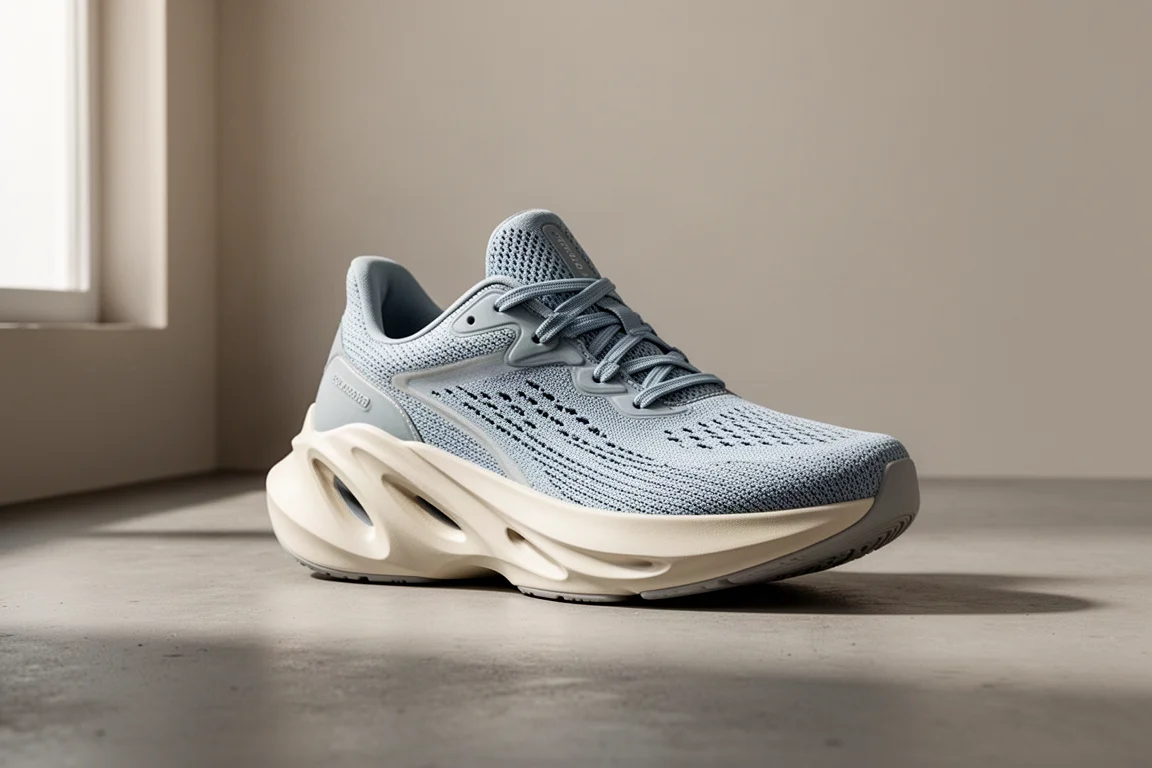
The Asics SuperBlast 2 has earned a reputation as one of the most versatile super trainers available, and after 100 miles of testing, that reputation largely holds. This version is slightly heavier than the original, coming in at 8.7 oz in a men’s size 9 and a women’s size 10, with a 45 mm heel, 37 mm forefoot, and an 8 mm drop. That stack height still sits in the taller range of the super trainer category, though that space has become noticeably more crowded.
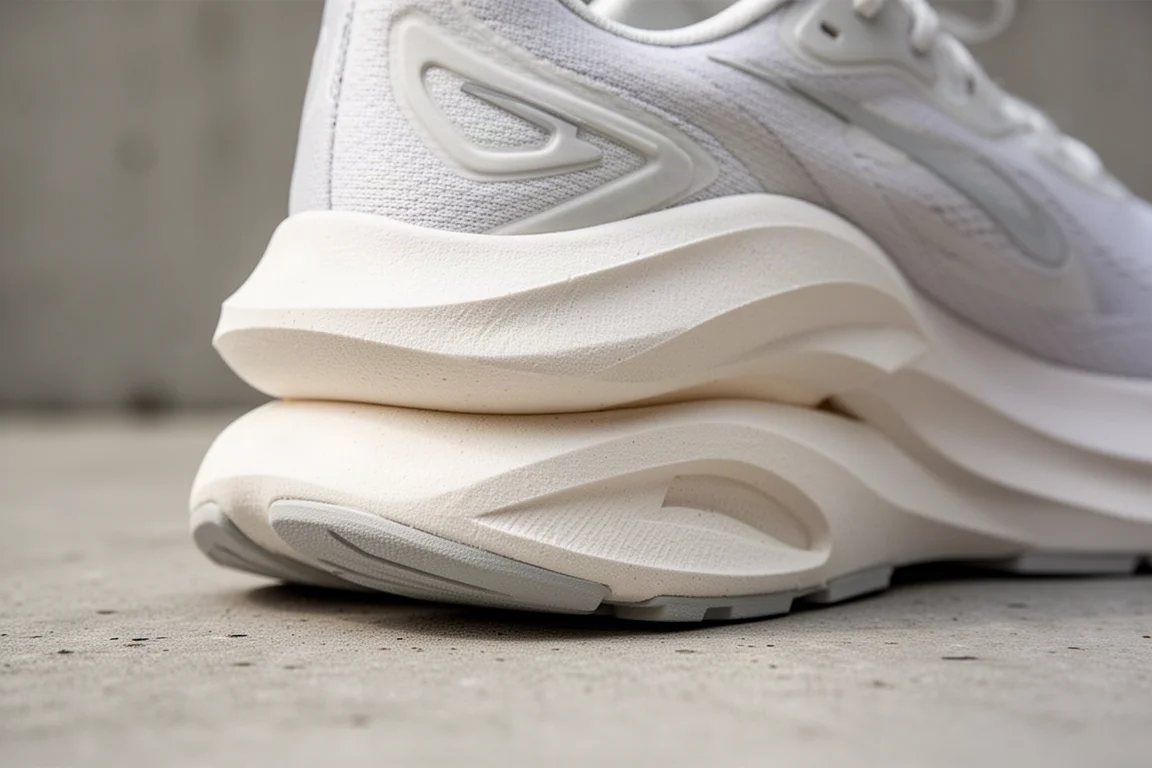
The headline change is in the foam. The SuperBlast 2 combines a top layer of FF Turbo Plus with FF Blast Plus Eco underneath, and the result is a ride that feels a touch firmer than the original but more resilient and bouncier. Where the first version needed a break-in period, this one has been remarkably consistent from the first run to the hundredth.
Ride and Midsole: Bouncy but Slightly Firmer
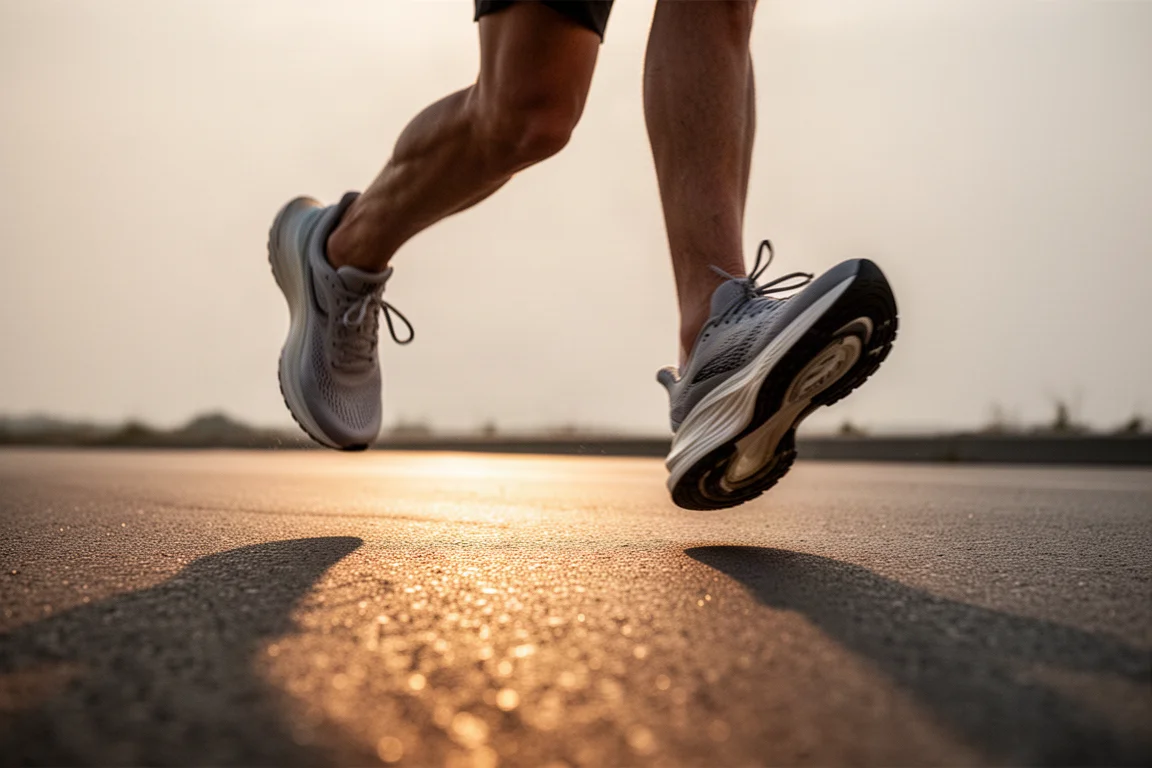
The midsole is the story of this shoe. The firmer, bouncier feel makes the SuperBlast 2 noticeably snappier than the original, and that firmness actually adds a degree of stability. The wider sole platform and stiffer sidewalls produce a stable neutral ride that keeps you centered without needing a dedicated stability shoe.
If you land further forward, the ride feels a little stiffer, but a well-shaped forefoot rocker rolls you forward nicely while keeping enough snap for tempo work. The heel bevel is a bit aggressive: it pushes you forward on contact and can feel clunky at first, but once you adapt, it genuinely propels you through the stride.
This has been the go-to shoe for daily runs, but it has excelled most on long runs and workouts. It has handled everything from 400-meter intervals to tempo runs and long uptempo efforts, all without a plate, while holding its feel impressively well even under heavier loads like stroller-pushing runs.
Fit and Upper: The Toe Box Is Polarizing
The upper is where opinions will split. Durability has been excellent, but the original broke in faster. The SuperBlast 2 took about 50 miles to fully break in, and the toe box is narrow and tapered. If you are sensitive to that shape, you either need to commit through the break-in or look elsewhere.
The rest of the fit works well: good volume and width through the midfoot (a touch wider than normal, though laces needed tightening for a secure fit), and a stiff heel counter with generous padding that should suit runners with heel sensitivities. There is some extra volume up top that helps with the tapered toe box, but if the shoe sits unworn for a while, the upper reforms and feels narrow again through the front.
Durability: Good, But a Step Behind the Original
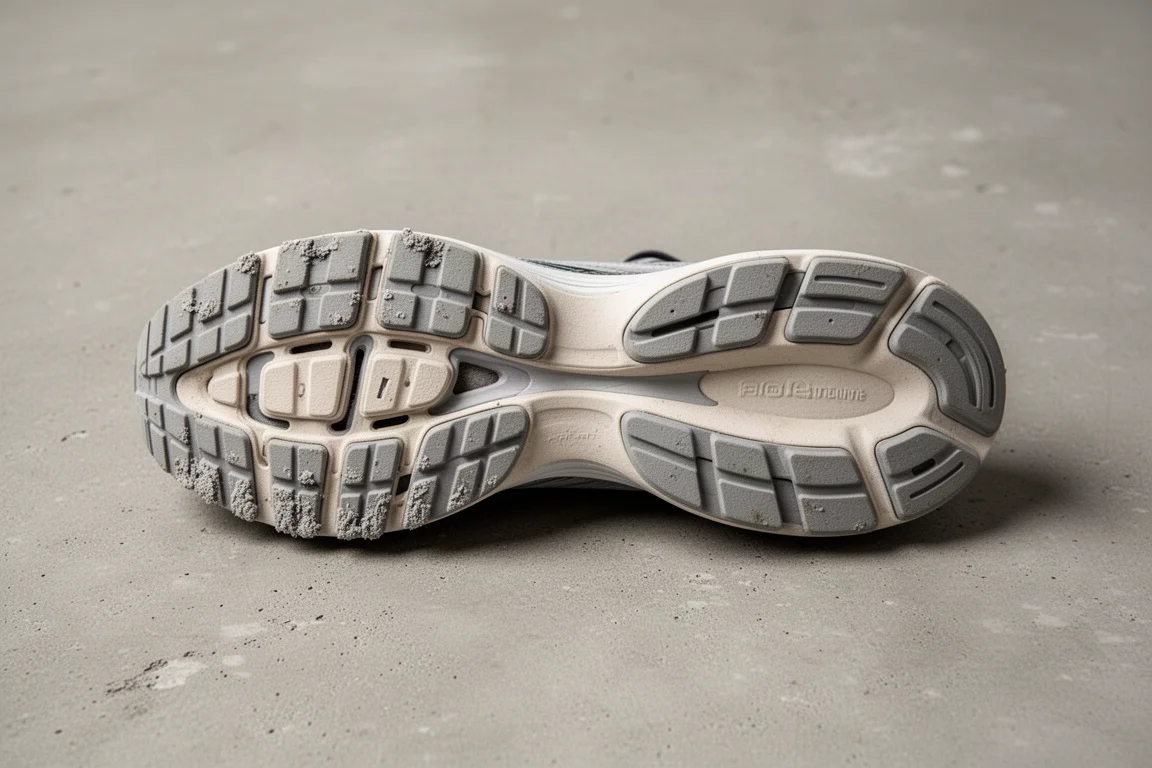
At 100 miles, the outsole shows a little more wear than the original version did at the same point, particularly at the edges of the separated outsole pieces. It does not affect how the shoe feels, and there are clearly many more miles left in it. The trade-off seems clear: Asics made the shoe faster, and it gave up a small amount of durability to get there.
Should You Buy It?
This is the marathon shoe for the majority of runners who find super racing shoes too aggressive or too expensive. It is fast, light, and comfortable enough to carry you through 26.2 miles, but versatile enough to handle daily training miles in between. If you are torn between a plated super racing shoe and a trainer, this is the shoe that does a little of everything well.
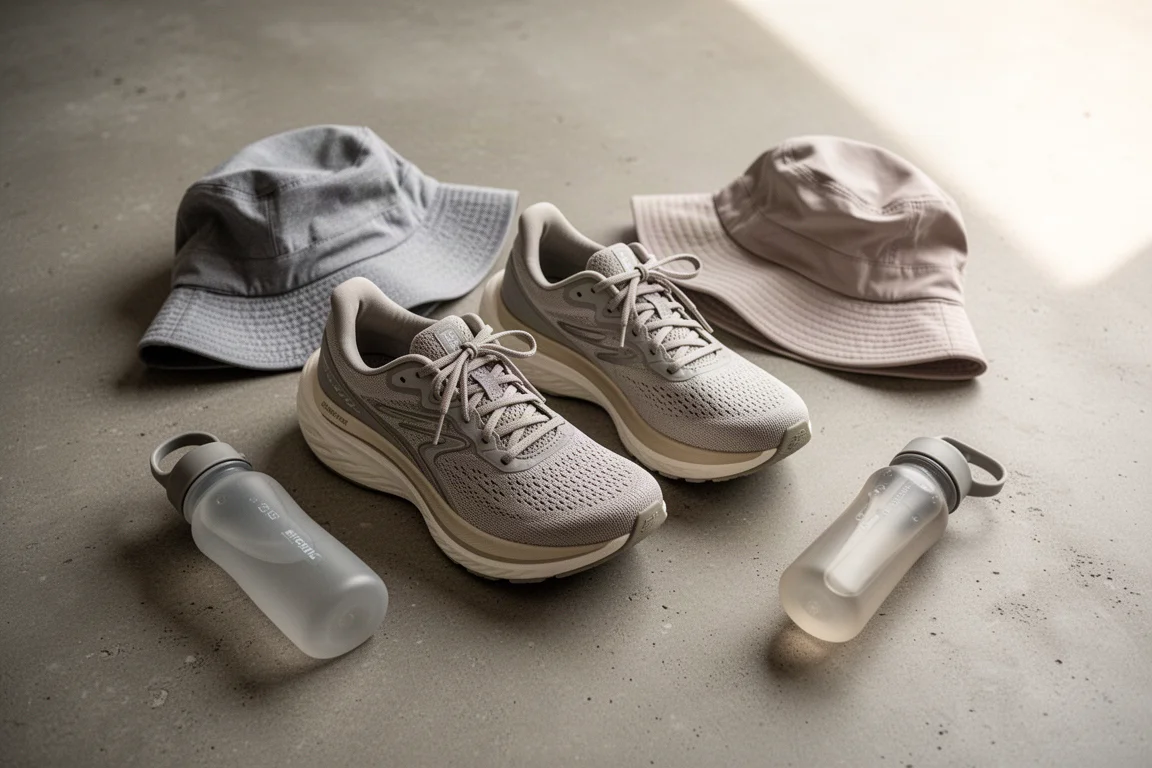
As a comparison point, the Nova Blast is a cheaper alternative, but the SuperBlast 2 is arguably a more premium take on that formula. At its price point, the strong durability makes the investment easier to justify, and availability is now much better than it was for the original version.
Conclusion
The Asics SuperBlast 2 keeps the versatility that made the original a favorite and adds a firmer, more aggressive edge that makes it better for workouts and faster efforts. The tapered toe box and slightly reduced durability are the main compromises, but for runners who want one shoe to handle easy miles, long runs, tempo sessions, and even race day, it remains one of the strongest all-round options in the super trainer category.
Product link
View more details for ASICS Superblast 2
This product is mentioned in the review. Check the specifications, options, and compatibility before buying.
View more details for ASICS Superblast 2Further reading
Related Reviews

Running Shoes
Best Road-to-Trail Running Shoes: Three Versatile Options for Mixed Terrain
A practical guide to three road-to-trail running shoes that handle both pavement and mild trails, with clear strengths and trade-offs for different runner types.

Running Shoes
Best Running Shoes for Achilles Tendonitis: Three Options Explained
Three running shoes with different heel drops and support features designed to help reduce Achilles tendon pain during walking and running.

Running Shoes
Best Running Shoes for Women: Five Top Choices Ranked
A ranked guide to five women's running shoes, from versatile daily trainers to high-performance racing options, with real strengths and trade-offs for each.