Running Shoes
ASICS SuperBlast: 100-Mile Review of the Most Wanted Super Trainer
After 100 miles of testing, the ASICS SuperBlast still feels light, fun, and forgiving. Here's what holds up, and what doesn't, before you spend on this hard-to-find super trainer.
Introduction
Some shoes arrive with quiet confidence and stay popular purely on merit. The ASICS SuperBlast is one of those. Ask around and you will mostly hear good things from runners who have put real mileage into it, yet ASICS only produces it in short supply, so common sizes are almost always sold out. There is still no sign of a second version, which raises a fair question: is it still worth picking up in 2024?
After 100 miles of testing across easy runs, steady efforts, and long runs, the short answer is yes, with a couple of caveats worth knowing about first.
Who This Shoe Is For
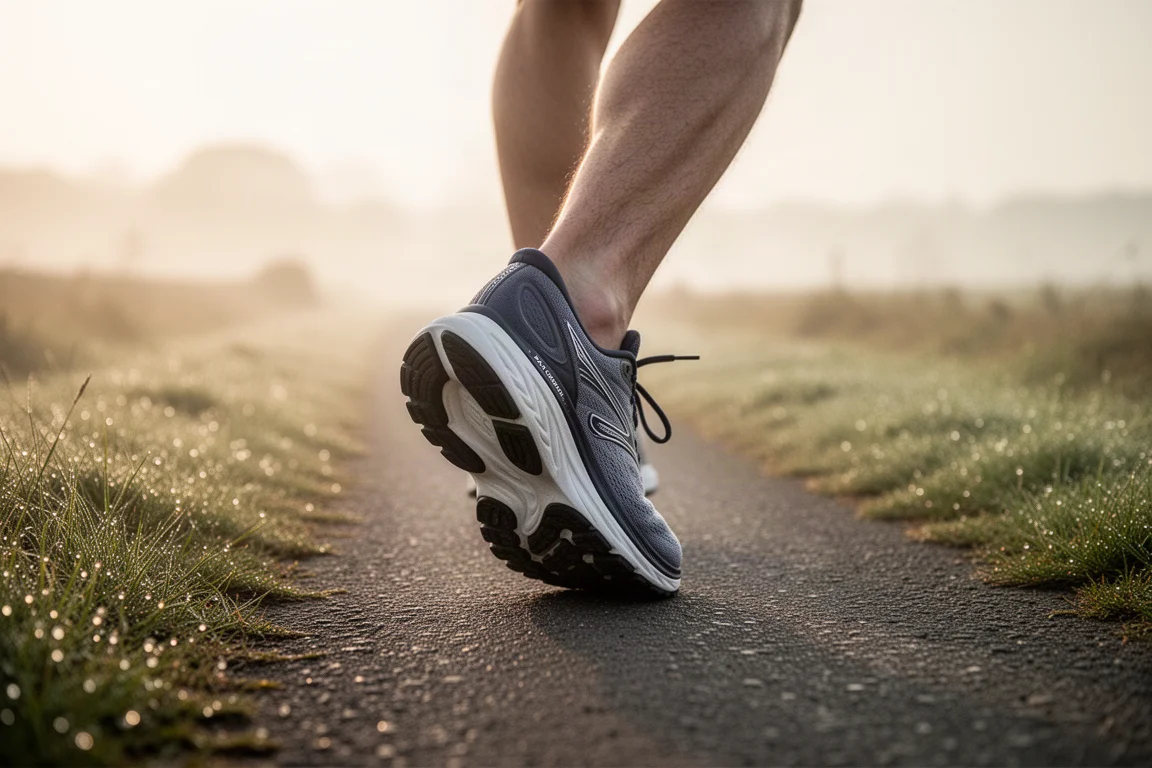
The SuperBlast is a max cushion super trainer aimed at runners who want one shoe that covers most of a marathon training block. In a UK size 11 (US 12), it weighs about 284 g, or bang on 10 oz, which is genuinely impressive for a shoe with this much midsole underfoot. For comparison, something like the Nimbus 26 runs closer to 350 g in the same size.
The stack is huge: 45.5 mm in the heel and 38 mm in the forefoot, a footprint only really eclipsed by shoes like the Adidas Prime X Strung. If you like generous cushioning and a roomy platform, this sits squarely in your territory.
Main Strengths
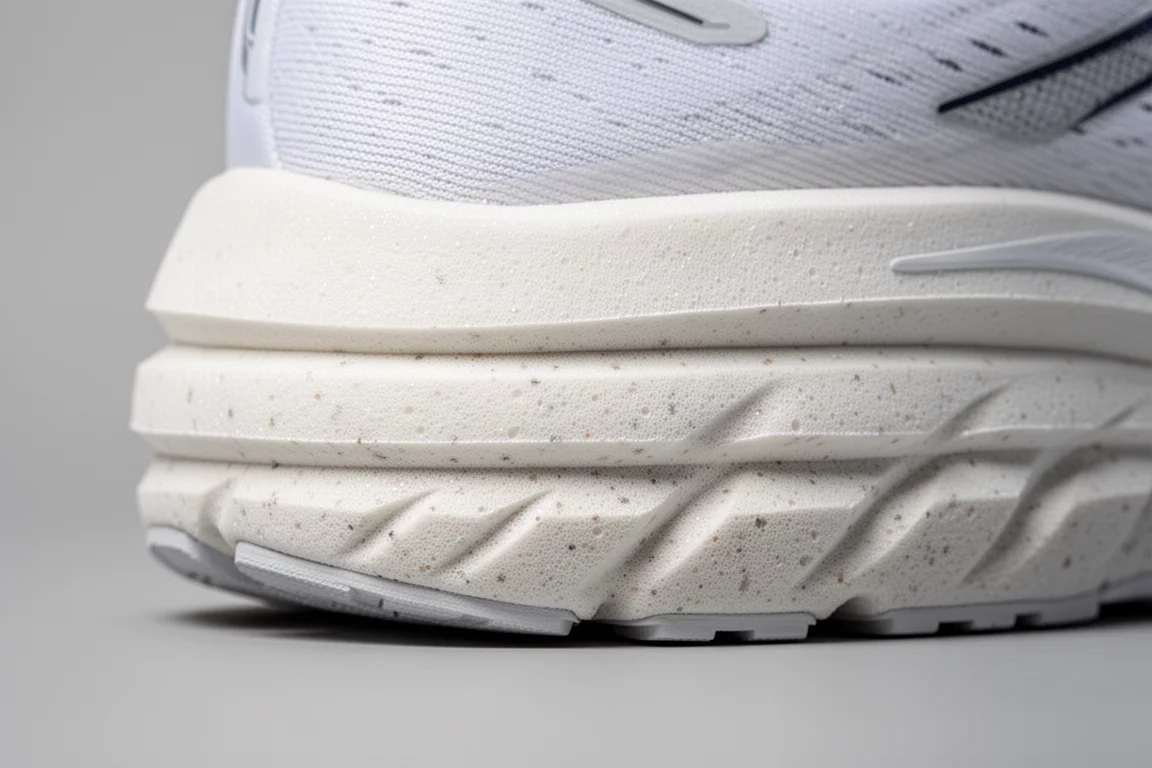
The magic here is the double stack of foam. On top sits the premium FF Turbo foam, which is very airy, almost meringue-like, and measures around 23 on the shore A softness scale. Beneath it is a denser layer of FF Blast Plus, measuring about 28. That denser layer protects the premium foam and gives the ride more structure than you might expect.
The result is a ride with a hollow, buoyant feel rather than the dense character of the Nimbus 26. It has more pop and cushion than the Novablast 4, and it is simply a more fun shoe to wear. It is comfortable over any distance for recovery runs and easy pace work, handles steady efforts well, and is great for long runs.
The upper deserves credit too. It is a thin engineered mesh that has proven durable and exceptionally easy to clean. After 100 miles there is almost no wear apart from a tiny bit at the heel collar. The tongue has partial gusseting on each side to stop it sliding, plus just enough padding at the top to prevent lace pressure, and it locks in nicely with a runner’s knot.
Perhaps the biggest strength is how well the shoe holds up. The midsole still feels superb after 100 miles or 160 km, and other runners report these lasting 500 to 800 km. It genuinely feels as good as it did out of the box, perhaps even better.
Things to Consider Before Buying
The upper runs roomy. There is a lot of space in the toe box, and you could potentially go down a half size and still get away with it. The thin laces are light but have very little stretch and run long, which will not suit everyone. Width under the forefoot is about 13 cm with roughly 10 cm in the heel, so the platform is one of the widest here.
The wide midsole surface area is also something of an Achilles heel. It makes the shoe less nimble for sessions targeting top-end speed. You can likely run tempo work up to half marathon pace, but this is not the ideal pick for 5K or 10K race efforts, and short 100 or 200 meter repeats are not what it is built for.
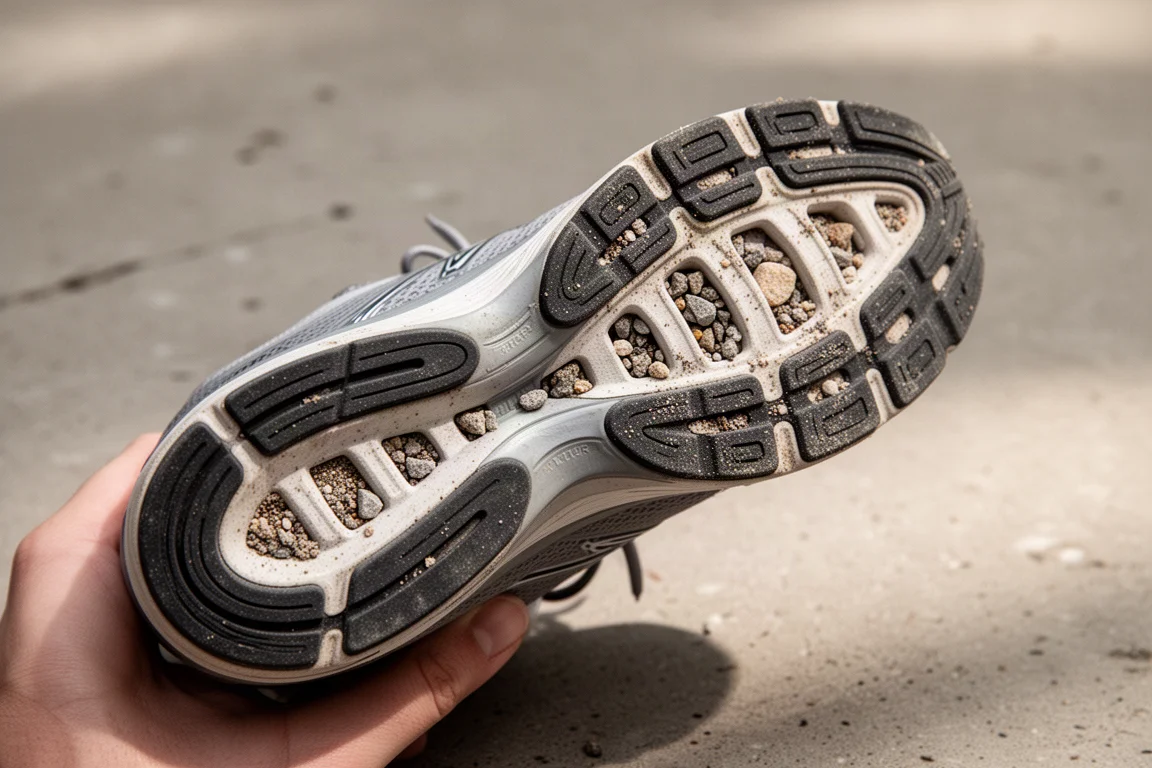
The outsole is the weak point. Stones and gravel keep getting caught in the cutouts of the exposed midsole, and the problem never really goes away. The rubber in the forefoot has worn down noticeably, and the heel pattern on the lateral side is practically gone after 100 miles. Grip on smooth wet surfaces can be poor enough to affect toe-off. On dry road and concrete you will be fine; just avoid road edges where debris collects.
Buying Advice
At £195 in the UK, the SuperBlast is not cheap, and discounts are rare. It also sells out very quickly, which tells you the demand is real. But do the maths and it starts to look like a bargain. Cheaper daily shoes around £100 are often worn out within 200 miles, while this pair should last another few hundred miles and could do the job of two or three shoes in a rotation.
Think of it as a Swiss Army clog: bags of ways to use it in training, especially when preparing for a marathon. If you like the Novablast 4, this is almost a more responsive, maxed-out version of it, with less weight in the upper and midsole, and it would slot nicely alongside it.
After 100 miles, the scores total 10.9 out of 12, with the upper and midsole each earning 2.8, the outsole 2.6, and value 2.7. Better outsole rubber patterning and positioning, plus some shaping of those cutouts, would push it close to superb. As it stands, it is light, fun, and forgiving, and it remains a genuinely versatile marathon training option.
Conclusion
The ASICS SuperBlast earns its reputation. The dual-foam midsole delivers a cushioned yet responsive ride that lasts hundreds of kilometres, the upper is simple and durable, and it covers easy, steady, and long runs in one package. The outsole grip and stone-catching cutouts are the main letdowns, and the price stings at first. But if you want a single premium trainer to anchor a marathon build-up, and you can find your size in stock, it is still very much worth picking up.
Product link
View more details for Asics Superblast
This product is mentioned in the review. Check the specifications, options, and compatibility before buying.
View more details for Asics SuperblastFurther reading
Related Reviews

Running Shoes
Best Road-to-Trail Running Shoes: Three Versatile Options for Mixed Terrain
A practical guide to three road-to-trail running shoes that handle both pavement and mild trails, with clear strengths and trade-offs for different runner types.

Running Shoes
Best Running Shoes for Achilles Tendonitis: Three Options Explained
Three running shoes with different heel drops and support features designed to help reduce Achilles tendon pain during walking and running.

Running Shoes
Best Running Shoes for Women: Five Top Choices Ranked
A ranked guide to five women's running shoes, from versatile daily trainers to high-performance racing options, with real strengths and trade-offs for each.