Running Shoes
ASICS SuperBlast 1 vs SuperBlast 2: Do You Really Need the New Version?
A close comparison of the ASICS SuperBlast 1 and SuperBlast 2 covering fit, midsole foams, upper updates and which one makes sense at different prices.
Introduction
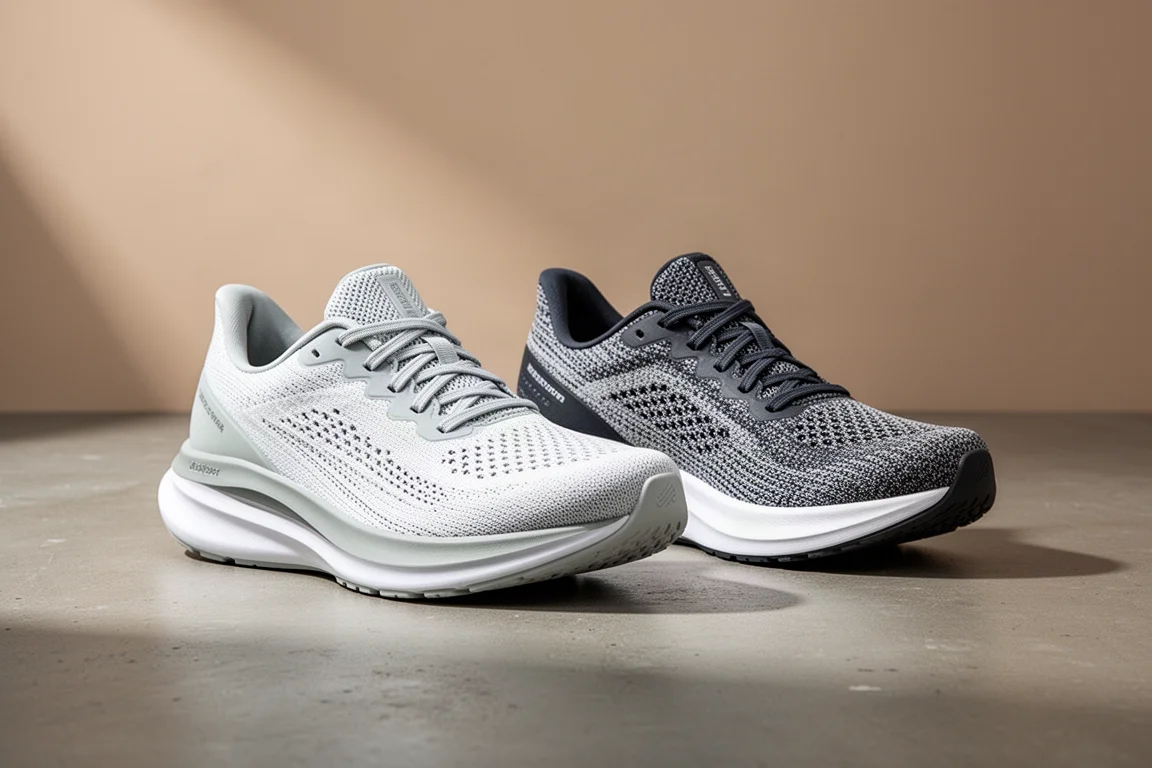
The ASICS SuperBlast earned a reputation almost out of nowhere. It launched without much fanfare, quickly became a favourite among runners looking for one shoe to handle tempo runs, long marathon training sessions and interval work, and then got a sequel. The SuperBlast 2 arrived with a lot of expectations attached, because the original had so little to fix.
The good news is that ASICS chose evolution over reinvention. The two shoes look nearly identical apart from colorways, and the meaningful changes hide in the midsole foams, the upper and small outsole tweaks. That makes this comparison less about which shoe is dramatically better and more about which one fits your budget and sizing preferences.
Quick Specs and Fit
The original SuperBlast costs around $200 and weighs 248g (8.7 oz) for men in a size 8, with an 8mm drop. The SuperBlast 2 also costs $200 but weighs slightly more at 259g (9.1 oz) in the same size, keeping the same 8mm drop.
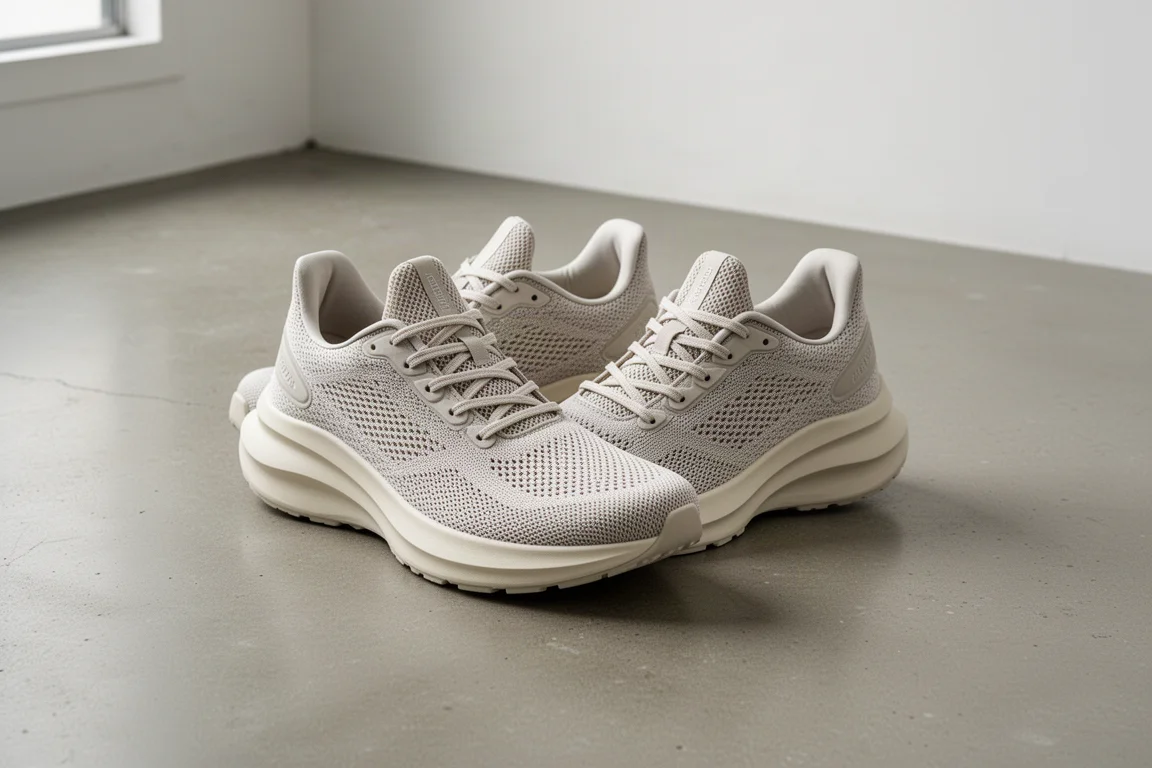
On fit, the original feels slightly long on the foot, with a bit of extra space ahead of the big toe. That never caused problems while running, but runners who dislike empty toe-box room may want to try going down half a size. The SuperBlast 2 feels a touch shorter, so sticking with your usual size is the safer call there. Both shoes offer generous width and toe wiggle room, and neither feels narrow.
ASICS SuperBlast 1: Still the Benchmark
The original SuperBlast is a daily trainer that leans toward faster and longer efforts. Its midsole stacks FF Blast Plus, the same foam used in the Novablast 3 and Magic Speed 2, together with FF Blast Turbo, the speed-focused cushioning found in the Metaspeed Sky Plus. The goal is a cushioned yet responsive ride across many types of training.
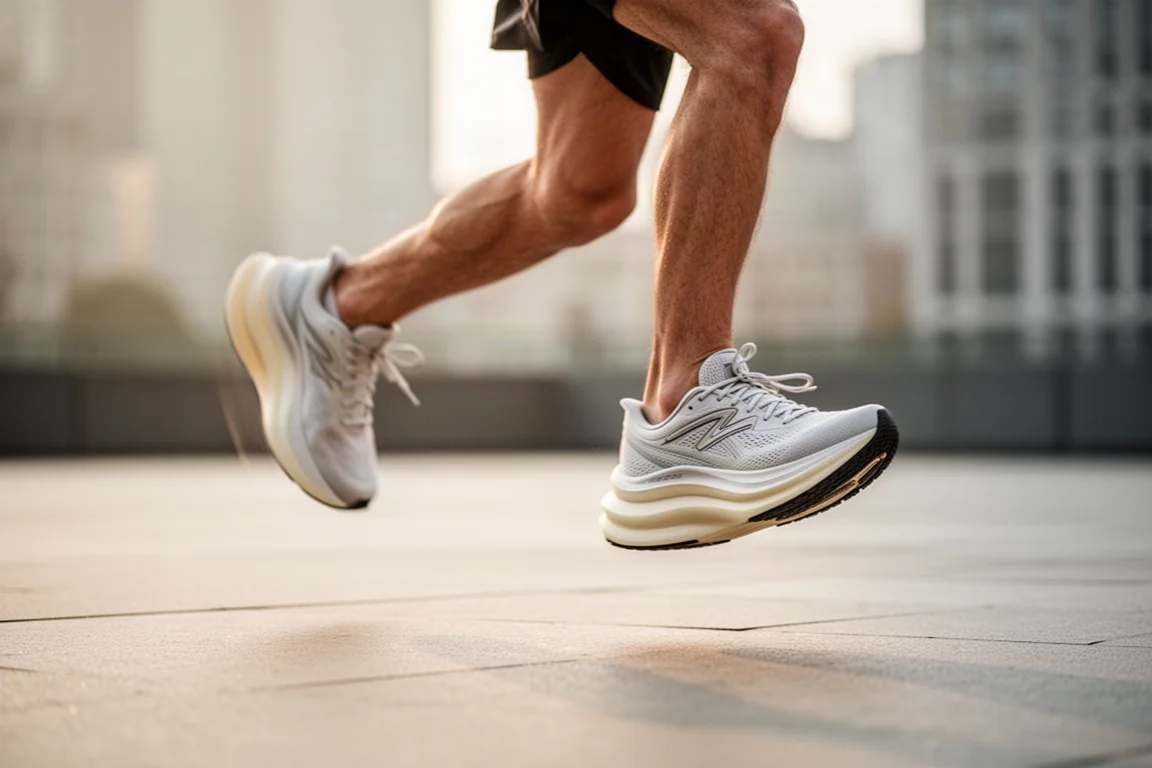
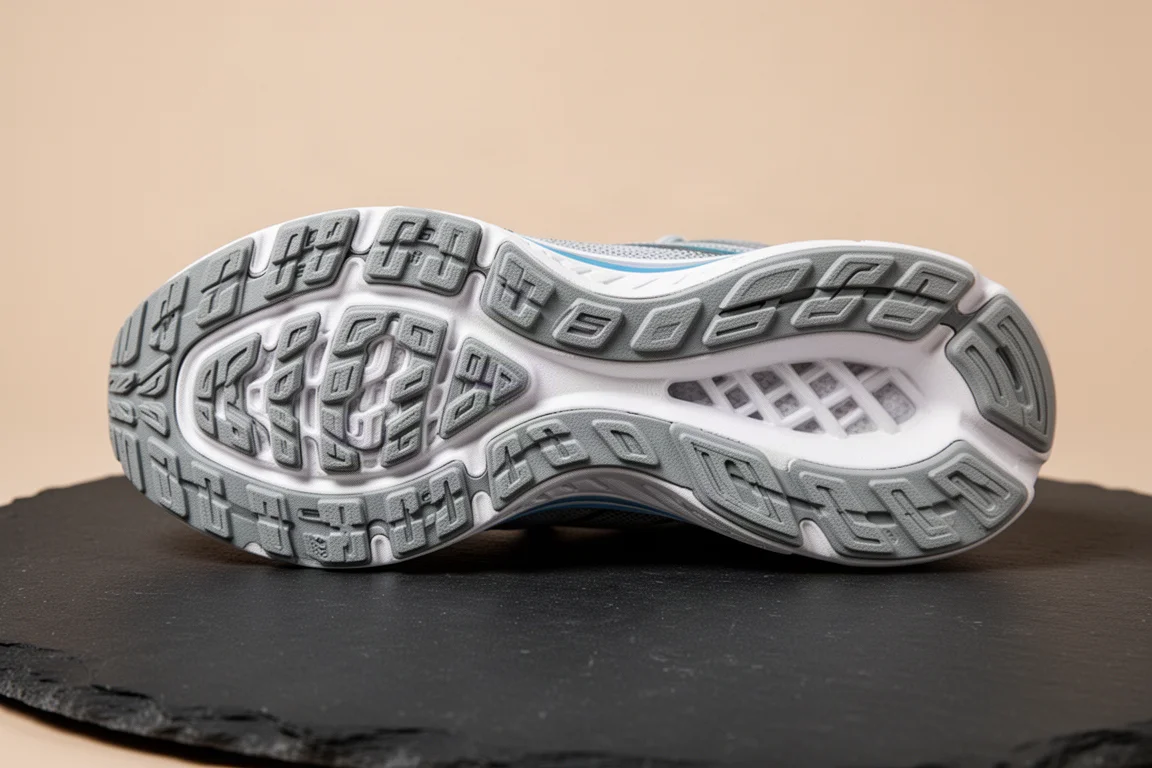
Supporting that stack are a thin asymmetric mesh upper for breathability, a heel stabilizer for a secure ride, and ASICS Grip outsole rubber with a trampoline-inspired design for a more responsive bounce. It is a shoe that can handle fast tempo efforts, intervals and even long marathon build-ups, all with impressive comfort. It is a little too rigid for genuinely easy and recovery miles if you prefer a softer feel, but the foam stack is deep enough that comfortable easy miles are still possible, including for hours at a time.
ASICS SuperBlast 2: A Careful Update
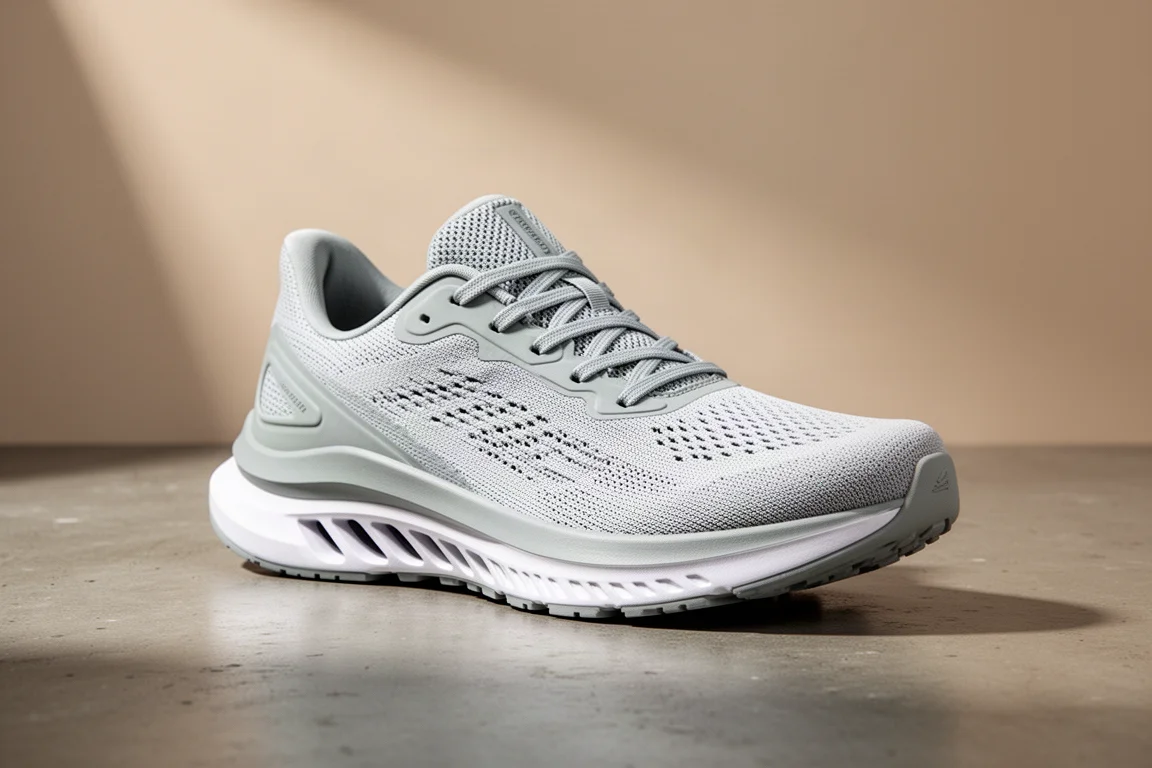
The SuperBlast 2 keeps the formula and makes targeted changes. The headline update is a new FF Blast Turbo Plus midsole layer intended to be lightweight, bouncy and more durable, sitting above the thinner FF Blast Plus Eco foam that works alongside it to improve cushioning and comfort. The outsole rubber is slightly modified too, with a claimed lower density for a softer ride.
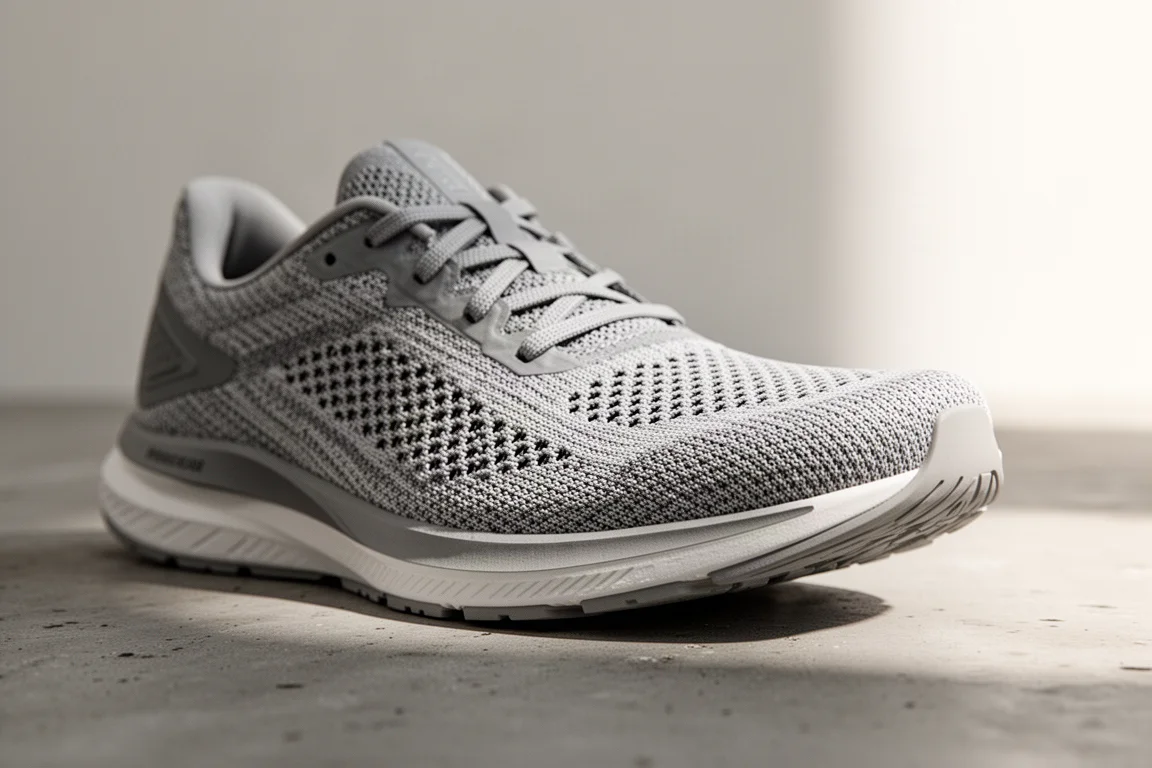
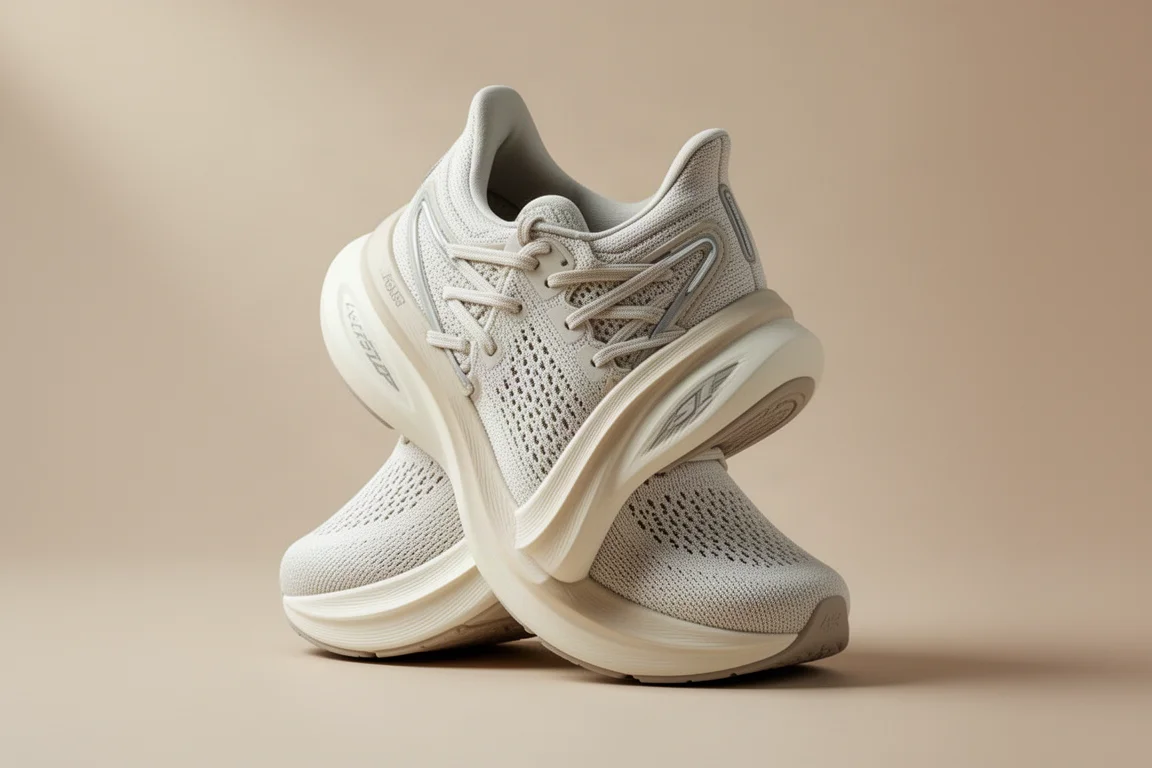
The upper is a redesigned engineered woven material aimed at better comfort, breathability and fit, with a stretch mesh wing construction in the tongue to reduce movement on the run. Stack height drops by 0.5mm at both heel and toe. In practice, the differences are subtle: the newer version feels marginally poppier, maybe a touch lighter on the foot, and slightly smoother, but nothing on a run screams completely different shoe. The upper feels equally comfortable and no noticeable breathability difference emerged, and grip remains solid on both versions.
Which One Should You Buy?
If the original SuperBlast is available at a meaningful discount, it remains the smarter buy, because the real-world difference between the two versions is very small. The catch is that the original rarely goes on sale, so if both shoes sit at full price, the SuperBlast 2 is the better choice for a slight improvement at the same cost.
For anyone who has never tried either shoe, both deliver a fantastic do-almost-anything cruising experience: tempo runs, intervals, long efforts and even comfortable easy miles, with the caveat that the ride is a touch firm for slow recovery days. At $200 it is an expensive shoe, but it earns that price against much of the competition currently selling at or above the same level.
Conclusion
The SuperBlast 2 is a tidy, well-judged update rather than a revolution. Runners upgrading from the original will get the same beloved experience with a slight extra pop from the new foams, while first-time buyers should simply buy whichever version they can find cheaper, and at equal prices, the SuperBlast 2 is the obvious pick.
Further reading
Related Reviews

Running Shoes
Best Road-to-Trail Running Shoes: Three Versatile Options for Mixed Terrain
A practical guide to three road-to-trail running shoes that handle both pavement and mild trails, with clear strengths and trade-offs for different runner types.

Running Shoes
Best Running Shoes for Achilles Tendonitis: Three Options Explained
Three running shoes with different heel drops and support features designed to help reduce Achilles tendon pain during walking and running.

Running Shoes
Best Running Shoes for Women: Five Top Choices Ranked
A ranked guide to five women's running shoes, from versatile daily trainers to high-performance racing options, with real strengths and trade-offs for each.