Running Shoes
Asics Super Blast 3 vs Mega Blast: Which Premium Trainer Deserves Your Money?
Two of the best premium running shoes on the market right now, compared on foam, fit, ride character, and which runner each one actually suits.
Introduction
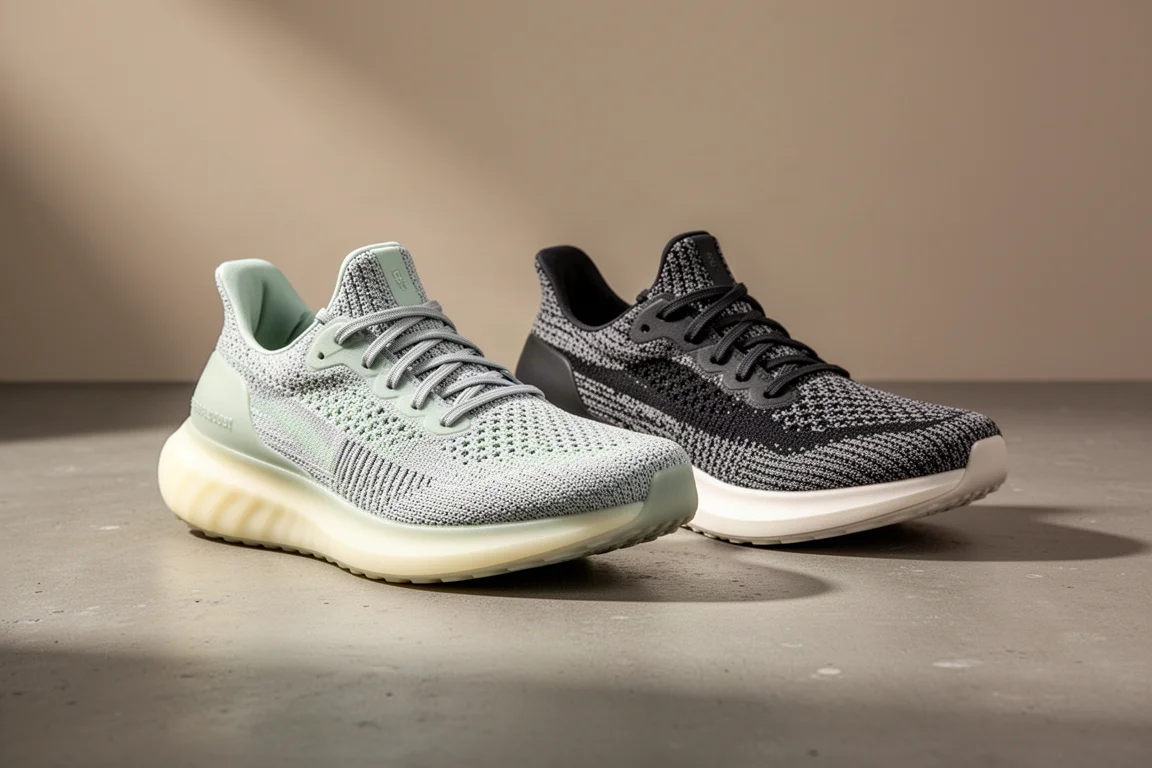
The Asics Super Blast 3 and Mega Blast are two of the most talked-about premium running shoes right now, and for good reason. Both are expensive, both claim to do a bit of everything, and both have proven themselves over marathon distances. But they are not the same shoe, and choosing between them comes down to what kind of running you actually do most of the time.
This comparison breaks down the foam, fit, ride character, and durability of each so you can work out which one belongs in your rotation.
At a Glance: Specs and Pricing
The Asics Super Blast 3 costs £200 or $210, weighs 232 g (8.2 oz) for men in a size 8, and has an 8 mm drop. The Mega Blast costs £210 or $225, weighs 225 g (7.9 oz) in the same size, and also has an 8 mm drop. Both sit firmly in the premium price bracket, and both are light for the amount of cushioning they carry.
Asics Super Blast 3: A Softer, Bouncier Daily Trainer
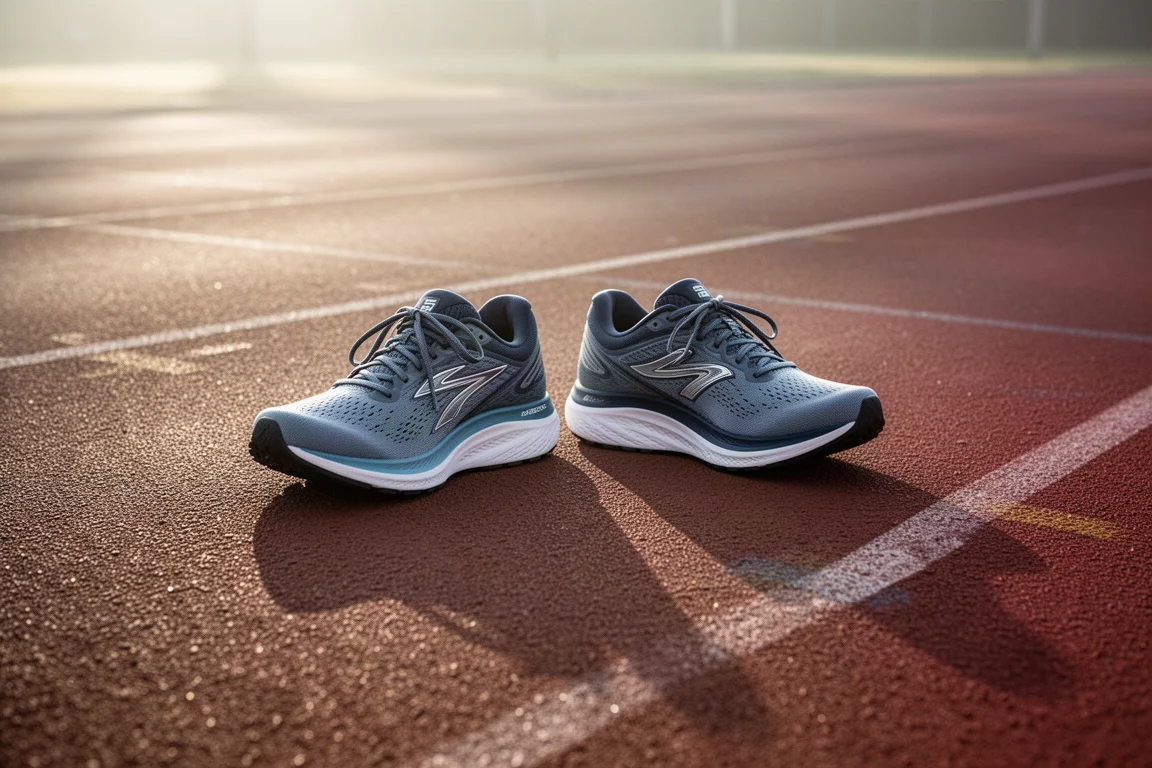
The Super Blast 3 brings several material and design updates focused on midsole performance, fit, and sustainability. The midsole now combines FF Blast Plus cushioning with the new FF Leap foam used in the brand’s Meta Speed racing models. That foam is engineered to be 33% lighter and 13% more responsive than FF Blast technology while still keeping enough cushioning for daily training.
A redesigned trampoline-inspired outsole geometry in the forefoot promotes higher energy return during toe-off, and the engineered woven upper uses breathable materials to help manage moisture. A gusseted tongue and wing system improves midfoot fit and reduces tongue movement. The stack height is slightly higher than the Super Blast 2, even though the shoe is lighter.
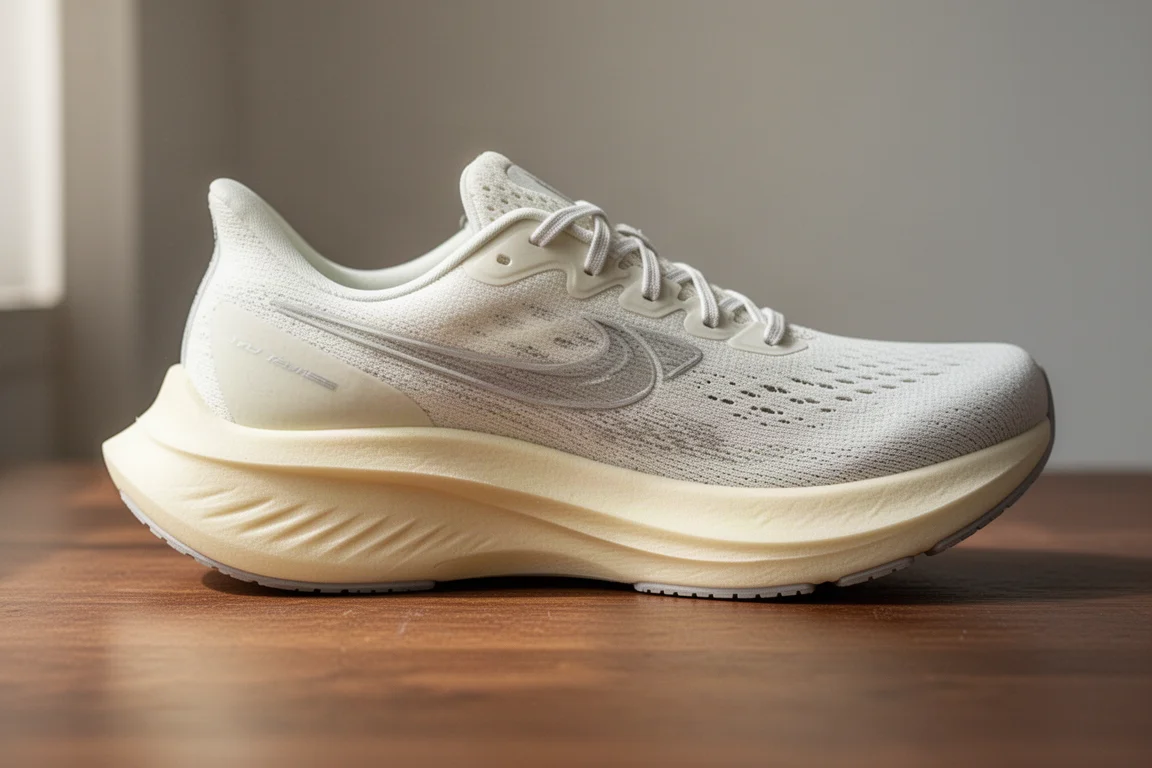
On the road, the Super Blast 3 shines across easy runs and tempo efforts. The FF Leap foam is softer and bouncier than before, giving you more energy back at steady paces, though it gives up a little of the firm responsiveness that faster foams deliver. It has a smooth rolling action that chews through miles comfortably, and it is genuinely enjoyable at easy paces and long marathon-pace sessions alike. It is not a shoe built for intervals, since there is no plate and the foam is not designed to snap back quickly between fast efforts.
Think of it as a souped-up Nova Blast: a comfortable daily shoe with genuine energy that stretches up to faster training and even lower-pace racing, at a higher price.
Asics Mega Blast: The More Responsive Option
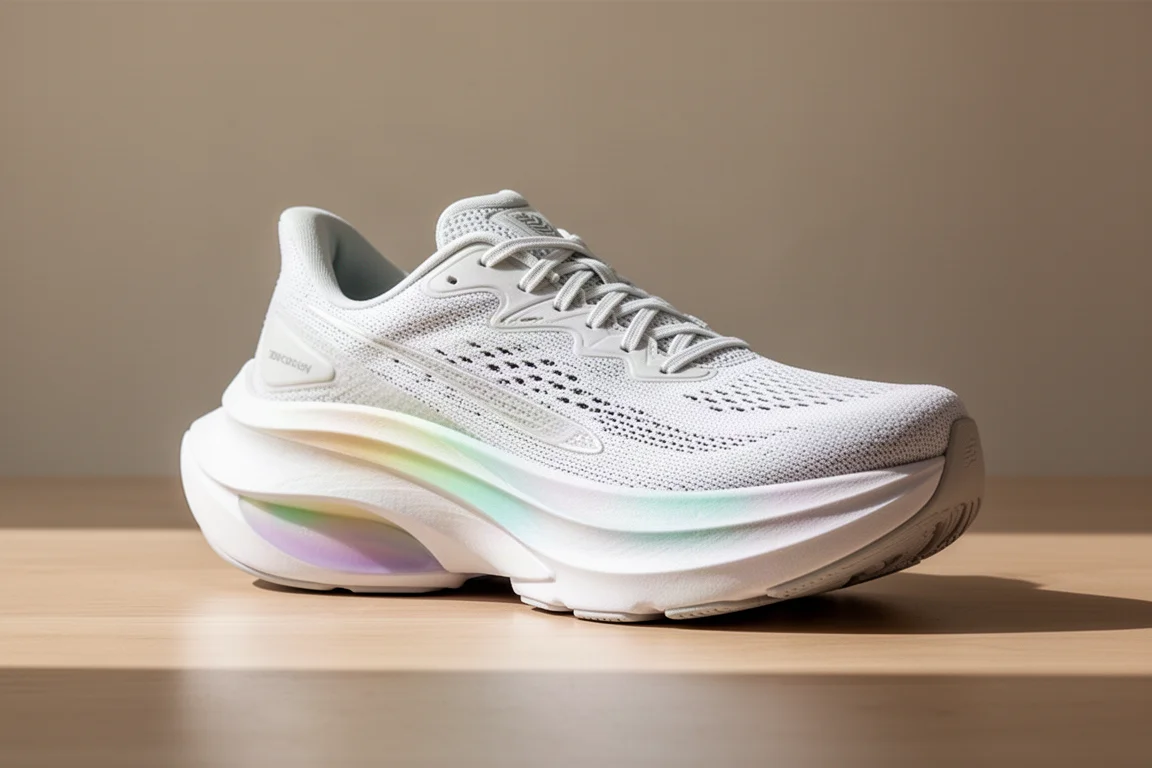
The Mega Blast follows the huge popularity of the Super Blast and Super Blast 2, aiming for more versatility with an FF Turbo Squared midsole that balances a cushioned, smooth ride with a high level of energy return. The Grip outsole is built to enhance traction and control, supporting smooth acceleration and efficient energy use, and the engineered woven upper is lightweight and breathable for faster sessions.

In practice, the Mega Blast feels slightly firmer than the Super Blast 3 but reacts noticeably quicker. Put the two side by side and the foams are hard to tell apart at slower paces, but when you pick up the speed, the Mega Blast gives energy back fast. It handles 200 m and 400 m reps, quicker tempo work, and race-pace efforts with more enthusiasm, making it the closer cousin to a true race shoe. It is fine on easy runs, but that is not where it earns its price.
If your goal is a faster marathon and you want one shoe to cover the quicker training leading up to race day, the Mega Blast is the sharper tool.
Fit and Comfort
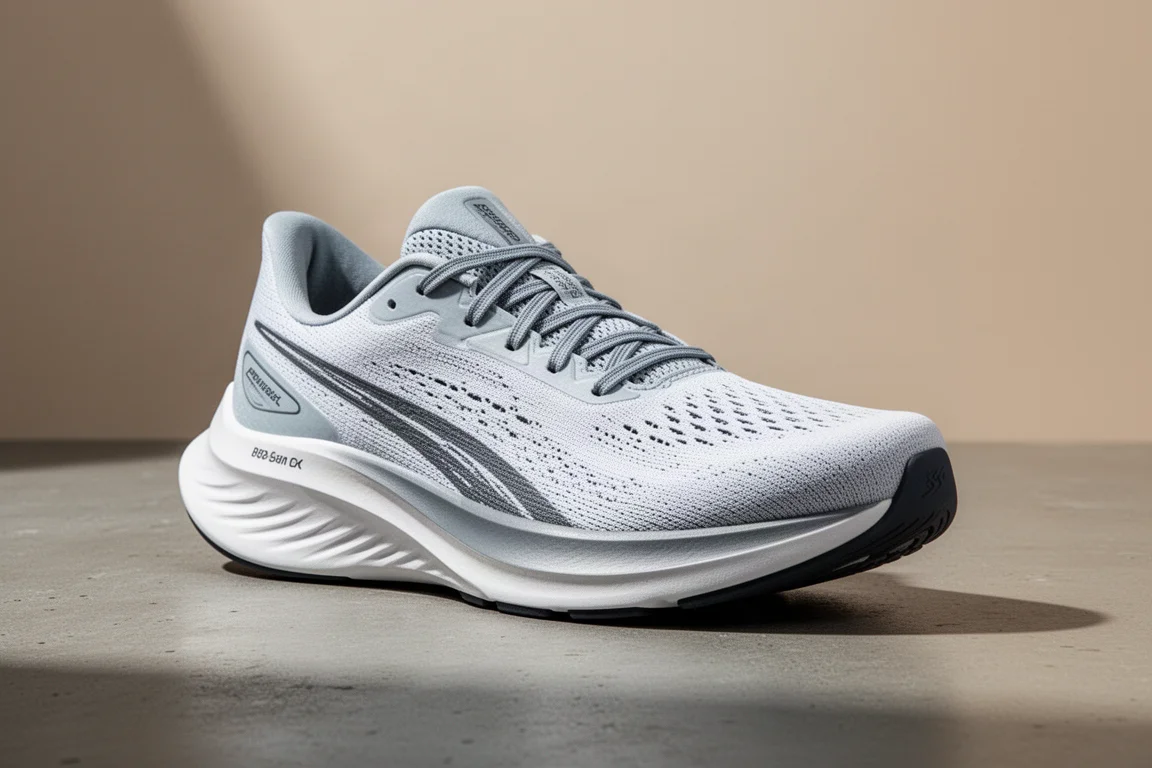
Both shoes ran comfortably in UK size 8, and both have proven marathon-worthy: the Super Blast 3 was used for a 3:30 marathon and the Mega Blast for a 3:30 at Loch Ness, with both rated among the most comfortable marathon shoes worn. Neither feels like an aggressive race shoe; both have wide bases, soak up impact, and roll you through the gait naturally.
There is one meaningful fit difference. The Mega Blast has slightly less vertical space in the toe box, and some runners have reported rubbing at the top of the forefoot. The Super Blast 3 is more forgiving up front, so if you want wiggle room for your toes, it has the edge. Widths are fairly similar across both shoes, and both suit average-width feet. The midfoot has a bit of extra volume in both, so you may need to cinch the laces down.
The Mega Blast tongue is very thin, while the Super Blast 3 has more padding, but both were comfortable over long distances. Sticking to your usual size is recommended for both.
Durability and Outsole
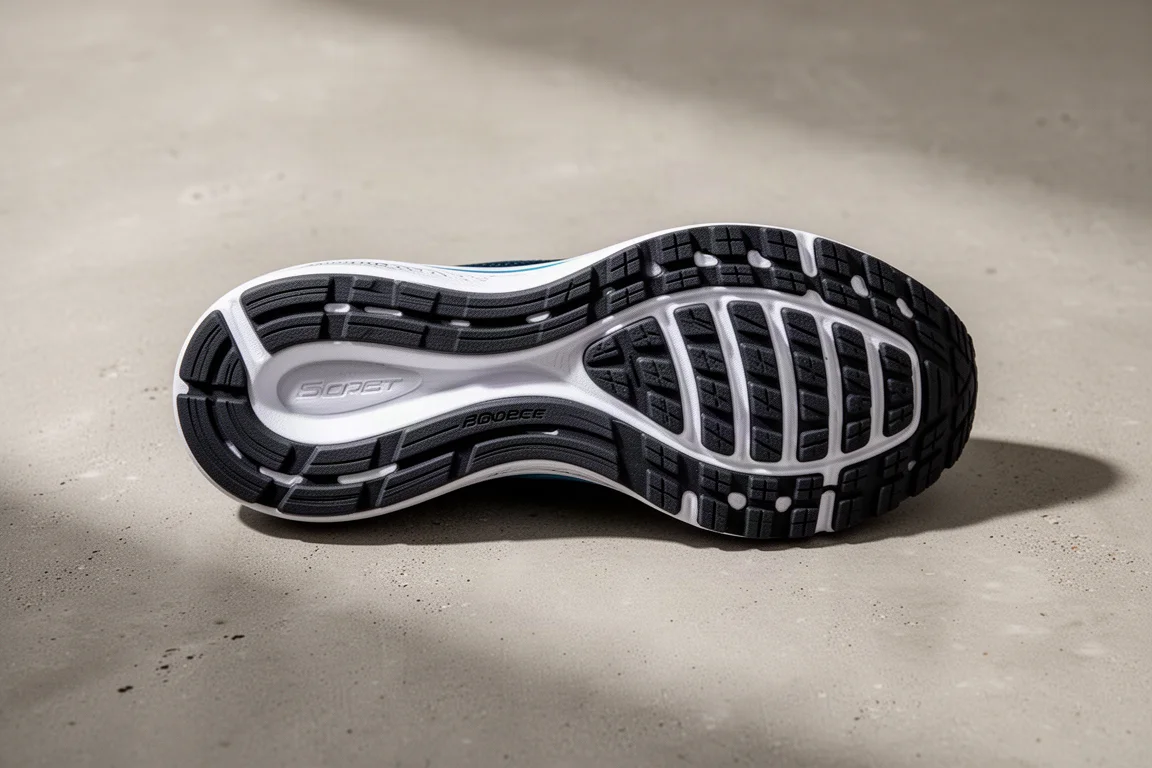
Both shoes have solid outsoles with a good level of rubber coverage. The Mega Blast has handled plenty of wet running with no grip complaints, and it sits slightly prouder, which suggests it may prove a touch more durable over time. The Super Blast 3 shows no major signs of wear yet either. Both earn solid marks here.
Which One Should You Buy?
For most runners, this is not really a head-to-head; the two shoes serve different purposes on the same spectrum. The Super Blast 3 covers easy runs through tempo work and even slower racing, making it the better single-shoe choice if most of your mileage is easy and long and you value softness and comfort. If you are targeting something like a 3:30 marathon and want one shoe for both training and race day, this is the safer pick.
The Mega Blast skews toward the faster end: tempo, speed sessions, and racing. If you are chasing a quicker marathon time, doing regular intervals, and want a training shoe that sits closer to a race shoe, it is the stronger option, and it is arguably the more versatile all-rounder if you can only own one of the two.
Conclusion
Both of these are among the best premium trainers available right now, and both delivered comfortable, enjoyable marathons. Choose the Super Blast 3 for a softer, more forgiving daily ride that stretches from easy miles to tempo work. Choose the Mega Blast if your running leans toward speed sessions and you want quicker energy return. Match the shoe to the running you do most, and neither will disappoint.
Further reading
Related Reviews

Running Shoes
Best Road-to-Trail Running Shoes: Three Versatile Options for Mixed Terrain
A practical guide to three road-to-trail running shoes that handle both pavement and mild trails, with clear strengths and trade-offs for different runner types.

Running Shoes
Best Running Shoes for Achilles Tendonitis: Three Options Explained
Three running shoes with different heel drops and support features designed to help reduce Achilles tendon pain during walking and running.

Running Shoes
Best Running Shoes for Women: Five Top Choices Ranked
A ranked guide to five women's running shoes, from versatile daily trainers to high-performance racing options, with real strengths and trade-offs for each.