Running Shoes
ASICS Super Blast 3 Review: 100 Miles of Daily Training and Marathon Prep
After 100 to 150 miles of recovery runs, long runs, and marathon training, the Super Blast 3 proves the softer FF Leap midsole was the right call, with one clear trade-off: durability.
Introduction
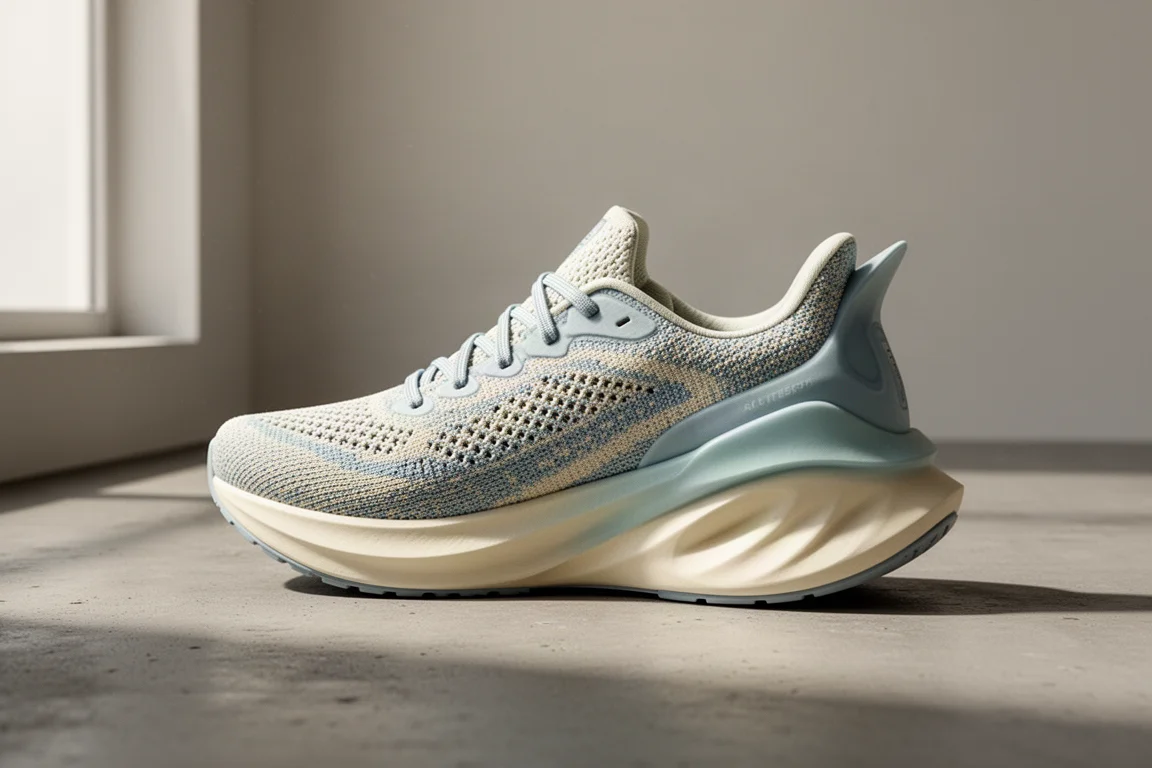
The Super Blast 3 has become one of the most talked-about daily trainers in the running community, and after putting somewhere between 100 and 150 miles on it through daily runs, recovery days, long runs, and the final weeks of a marathon build, it is easy to see why. This is the third iteration of a series that was always loved for its stability and reliability but polarized people with a very firm ride. This version changes that completely.
The short version: it is one of the best all-around trainers available right now, and the only real knock is visible wear on the outsole earlier than expected.
The Big Change: FF Leap Replaces the Brick Feel
To the naked eye, all three Super Blast generations look nearly identical. The difference is in the foam. The first two versions used a firm FF Turbo as the top layer of race foam, which gave them a stiff, brickish character that took well over a hundred miles, and in some cases around 200 miles, to break in and feel good. The Super Blast 3 swaps that for FF Leap, a much softer, bouncier foam also found in the Meta Speed series.
The result is transformative. The shoe now feels soft and sink-in on step-in, with a firmer FF Blast Turbo Plus layer underneath providing structure and support. The ride is floaty, airy, and fun rather than punishing, and the shoe works right out of the box. There is still some heel clipping and choppiness in the first 50 to 70 miles while the shoe breaks in, but it fades quickly and was easy to live with given how good the midsole feels.
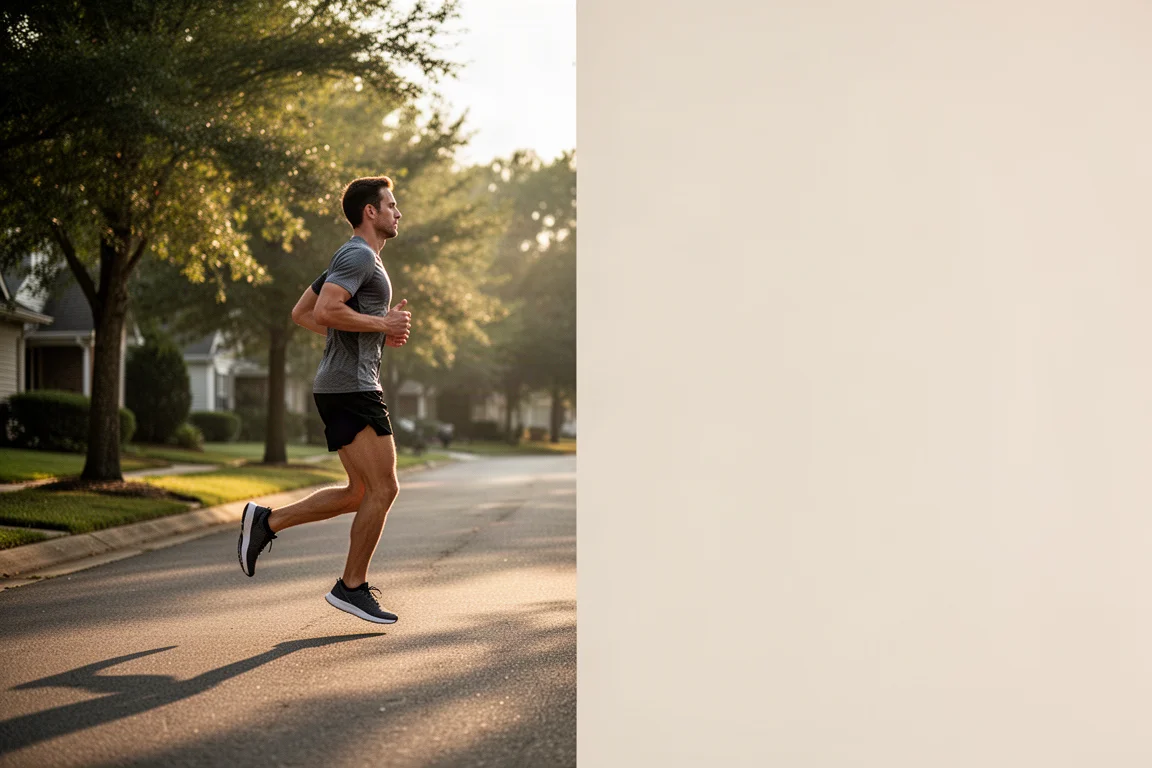
Step-in comfort is another standout. This is one of the few max-cushion trainers comfortable enough to double as a travel and walking shoe around a race weekend. The heel remains stable and planted, the wide base keeps things steady at easy paces, and the whole package is impressively light at roughly 240 grams for a 40mm stack height.
The Durability Trade-Off
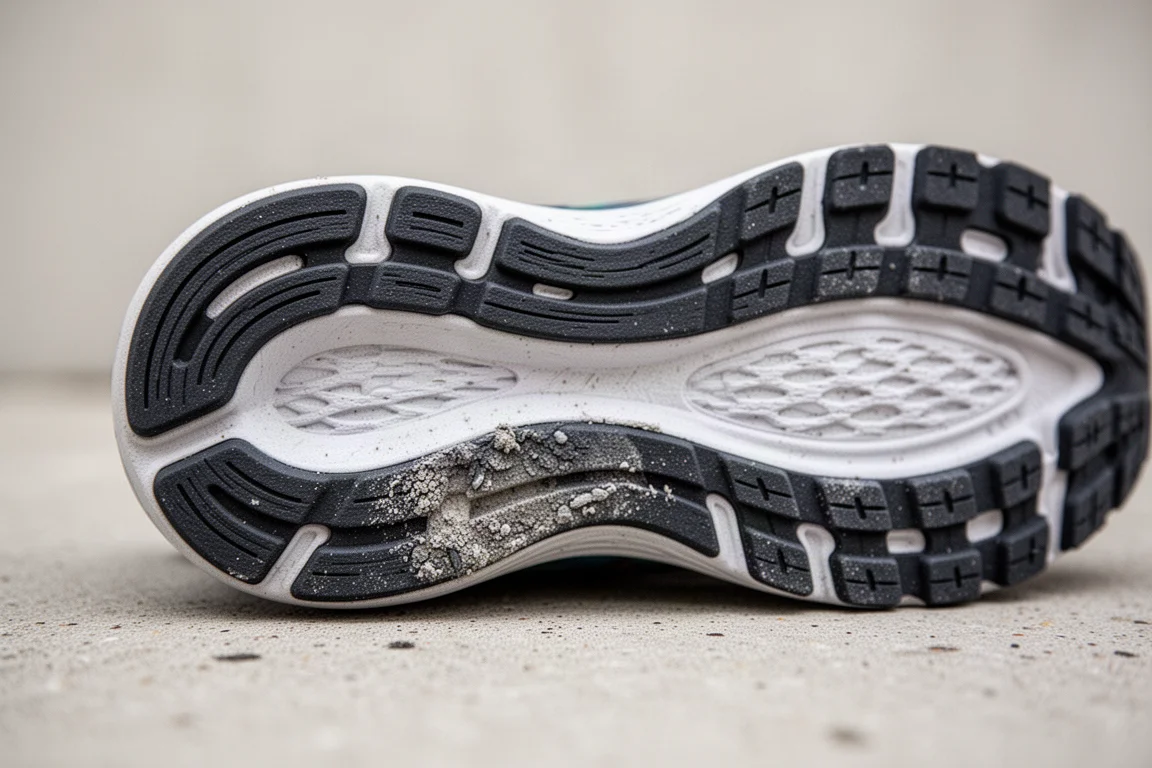
Softness has a cost. Compared directly with a Super Blast 2 that has 180 miles on it, the Super Blast 3 at roughly 100 to 150 miles shows noticeably more wear. The outsole rubber is worn flat at the toe-off point, the rear shows abrasion and even some small chunks missing from the exposed foam, and the midsole has rubbed through in high-wear zones. The Super Blast 2 at higher mileage still looks nearly new in those same areas.
The older generations were legendary for longevity, with community jokes about them lasting toward 1,000 miles. That reputation does not carry over here. Whether the softer foams simply compress and wear the rubber faster, or the rubber itself changed, the visible wear is real. The important caveat: the wear is essentially cosmetic. At this mileage the ride still feels great, the foam has not bottomed out, and the shoe may actually feel smoother and more flexible now than it did out of the box. It should comfortably reach 300 miles.
Whether that trade is worth it comes down to preference. A shoe that feels delightful for 300 miles is arguably a better buy than a firm shoe that lasts 500 miles but takes 150 of them to become enjoyable. For most runners, the answer favors the Super Blast 3.
Ride and Versatility Across Paces
This is where the shoe earns its top-shelf reputation. It handles the full spectrum of training paces. Slow recovery miles at 8:30 to 8:40 pace feel comfortable rather than punishing. Steady daily runs feel peppy and smooth. When the pace drops toward 6:20 to 6:30, the shoe responds with genuine snap off the forefoot thanks to that firmer FF Blast Turbo Plus bottom layer.

It even held marathon pace work of around 5:40 per mile without falling apart, though faster runners will still want a dedicated carbon race shoe for hard tempo sessions. If workout paces sit in the 7:30 to 9:30 range, this can serve as a workout option in a small rotation.
Among current super trainers, it compares favorably with the best of them. It leans more toward the max-cushion long-run cruiser end of the spectrum rather than the firmer speed-oriented side. If you want the firm ride of the older Super Blast character, the ASICS Mega Blast carries that torch with FF Turbo Squared foam. But for a soft, bouncy, do-it-all trainer, the Super Blast 3 has very few flaws.
Is It Worth $210?
At its $210 asking price, this is a shoe you can genuinely run in almost any day of the week: long runs, strides, recovery jogs, daily mileage. For roughly 90% of runners, it is an easy recommendation, and its popularity in the running community reflects that. It is also worth noting that deals surface regularly through resale channels, with the shoe appearing at $160, $150, or sometimes below in lightly used or near-new condition.
Things to Consider Before Buying
The durability question is the one honest hesitation. The outsole and exposed foam at the toe-off and heel wear faster than the previous generations, and the shoe does not look fresh for long. If you log very high weekly mileage and expect several hundred miles of outsole life, factor that in or look at firmer alternatives like the Mega Blast. The slight heel overhang also remains, and it can produce a clipping sensation for some foot strikes during the early break-in window. Neither issue affected the ride in testing, but both are worth knowing going in.
Buying Advice
If you want one shoe to cover most of your training week, this belongs at the top of your list. It is stable, soft, lightweight for its stack height, and versatile enough to span recovery runs through marathon pace efforts. If you prefer a firmer, more race-like super trainer, the Mega Blast is the better fit within the same family. Runners who prioritize maximum outsole longevity over ride quality may also want to look elsewhere.
Conclusion
After 100 to 150 miles, the Super Blast 3 earns its reputation as the most popular max-cushion trainer in the community right now. The FF Leap midsole turns a formerly polarizing, firm daily workhorse into a lively, comfortable super trainer that feels great from the first run, and it still performs beautifully at high mileage despite faster visible wear. It is the right call by ASICS, and an easy A+.
Product link
View more details for ASICS Super Blast 3
This product is mentioned in the review. Check the specifications, options, and compatibility before buying.
View more details for ASICS Super Blast 3Further reading
Related Reviews

Running Shoes
Best Road-to-Trail Running Shoes: Three Versatile Options for Mixed Terrain
A practical guide to three road-to-trail running shoes that handle both pavement and mild trails, with clear strengths and trade-offs for different runner types.

Running Shoes
Best Running Shoes for Achilles Tendonitis: Three Options Explained
Three running shoes with different heel drops and support features designed to help reduce Achilles tendon pain during walking and running.

Running Shoes
Best Running Shoes for Women: Five Top Choices Ranked
A ranked guide to five women's running shoes, from versatile daily trainers to high-performance racing options, with real strengths and trade-offs for each.