Running Shoes
Asics Super Blast 2 First Run Review: An Evolution, Not a Revolution
The long-awaited follow-up to one of the most desirable $200 training shoes in running arrives with small changes, a new midsole foam, and a very familiar ride.
Introduction
Few running shoes have built the kind of reputation that surrounds the Asics Super Blast line. The original Super Blast was one of the first mainstream training shoes to normalize a $200 price point, and it quickly became the default do-it-all recommendation on running forums everywhere. It did this while Asics kept supply tight, which only added to the desirability.
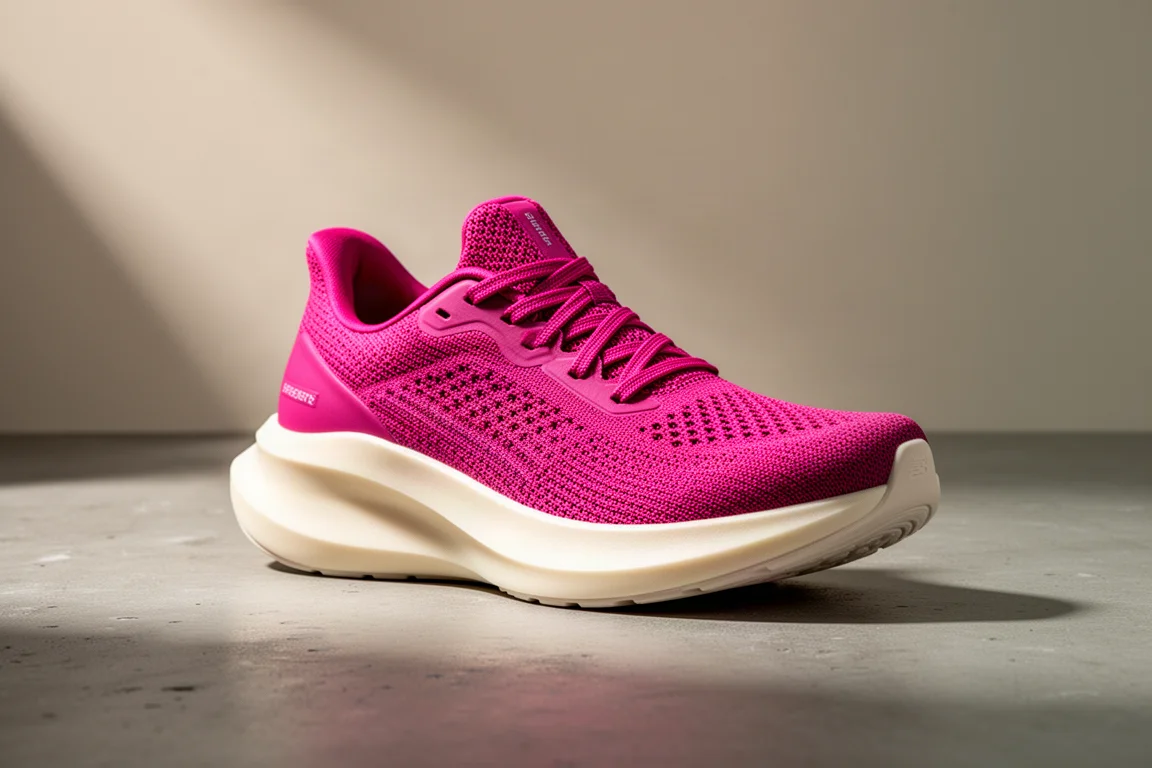
The Super Blast 2 finally arrives with a new midsole compound called FF Turbo Plus, a fresh rubber outsole, closed-up gaps on the bottom of the shoe, and a lightly reworked upper. The stack height and overall design language look nearly identical to the original, so much so that the two shoes are hard to tell apart at a glance. It is clearly an evolution rather than a revolution, and after a first 10-mile run, that is exactly how it performs on foot too.
The big question is whether those small changes are enough, especially when the market now has a crowded field of $200-plus competitors like the Hoka Skyward X at $225, the On Cloudmonster Hyper at $220, the Brooks Glycerin Max at $200, and the Puma Mag Max.
First Impressions and Fit
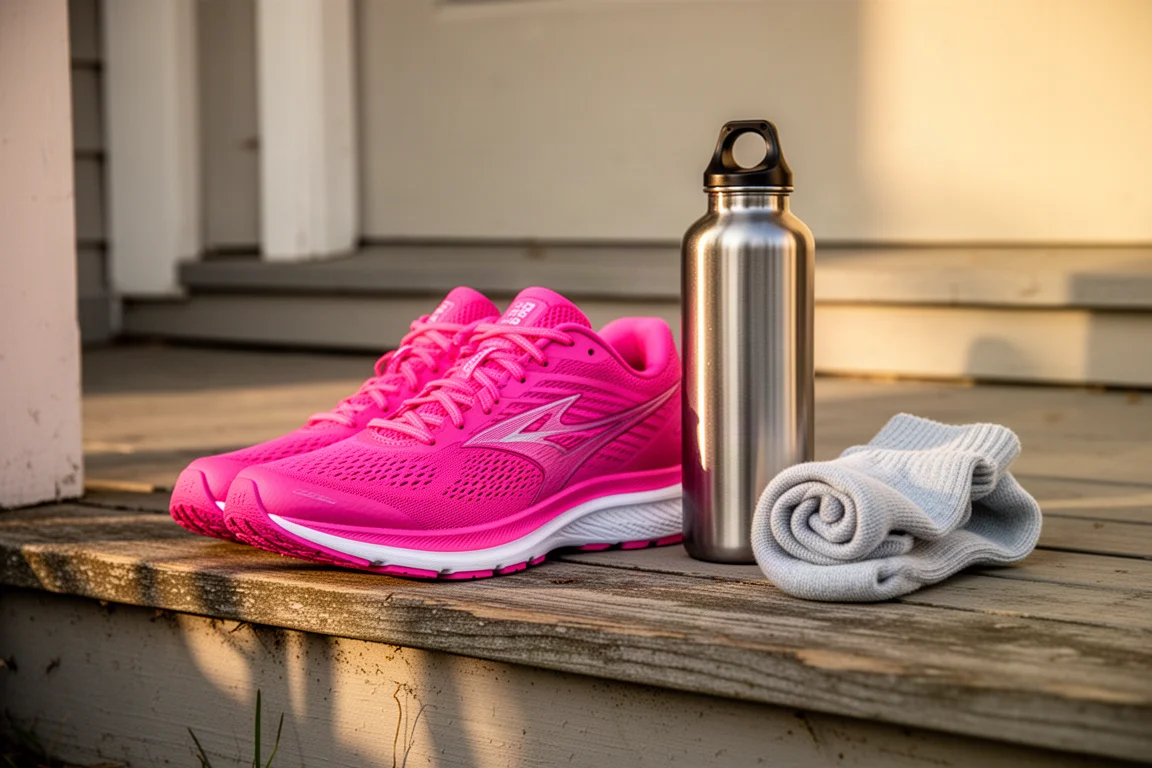
Out of the box, the Super Blast 2 looks and feels remarkably like its predecessor. The pink-magenta colorway is loud and unapologetic, but the silhouette, the contouring of the midsole, and the stamped midsole details are almost the same. There is a subtle “2” mark on the heel, a nice touch, but the visual delta is maybe five percent.
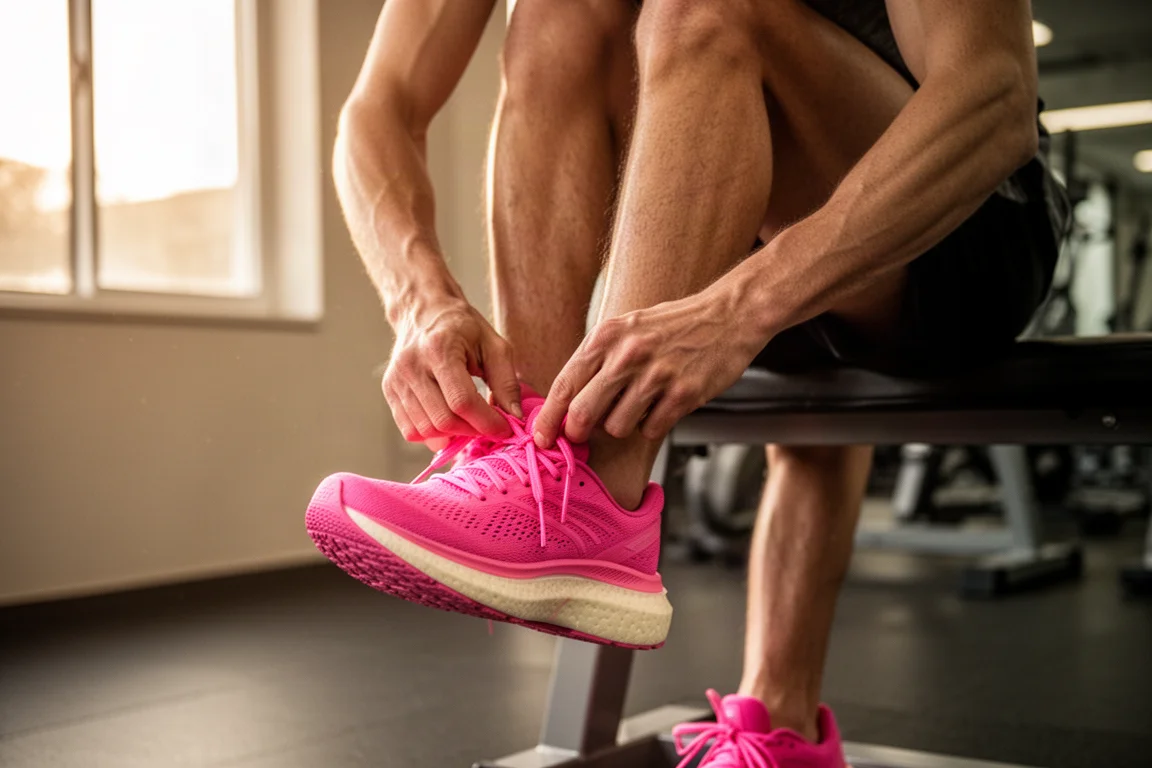
On foot, the fit is comfortable but a touch loose. Even in a half size down from the original, the shoe still feels slightly long. The toe box is pleasantly wide, which helps prevent pinching and rubbing. The upper, however, feels like a small step back. Where the first Super Blast had a lighter, softer, more race-like upper that justified the premium, this version feels more standard, and the laces feel a touch cheap. Stepping in, the shoe is firm with no give, though that does not fully translate to the running experience.
Weight and the Midsole Story
Weight is where Asics continues to separate itself from every competitor at this price. In a men’s 10.5, this pair measured around 267 to 268 grams. The original Super Blast, in a half size larger, came in at 264 grams, so this version may be marginally heavier, but it stays far lighter than the Brooks Glycerin Max at roughly 335 grams in a comparable size.
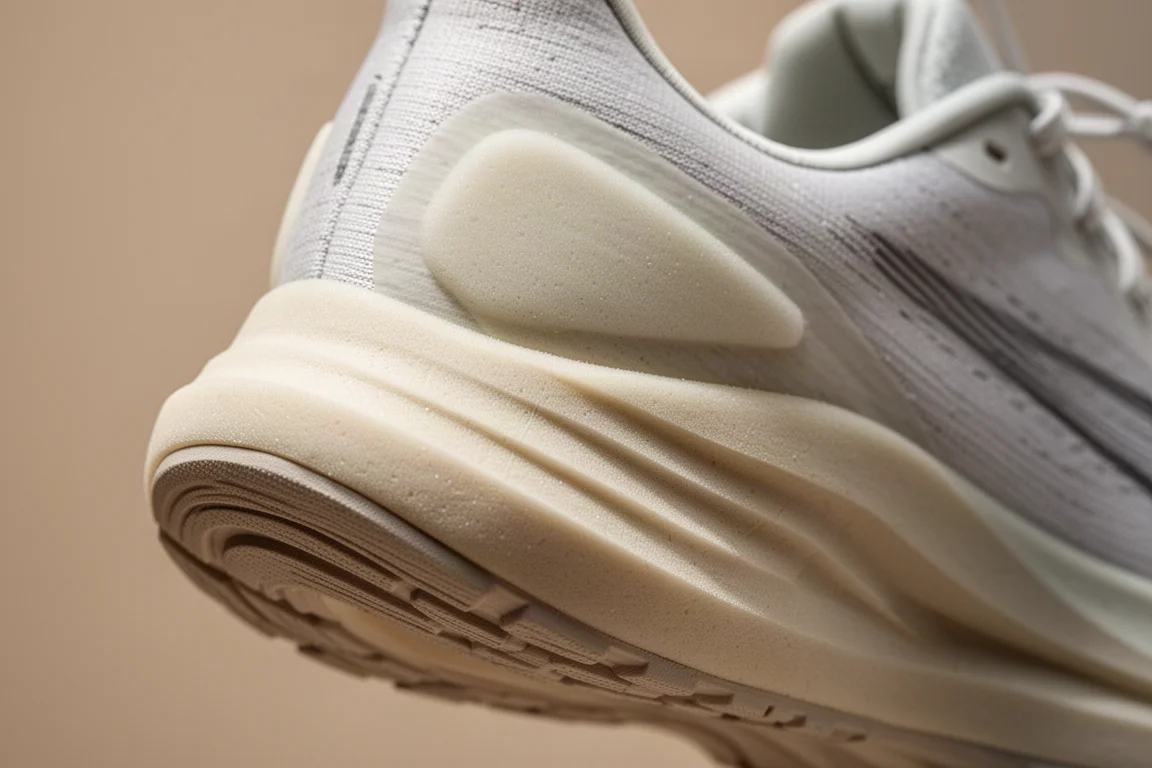
That is a genuine engineering achievement. Holding 45 millimeters of stack without a plate, in a foam light enough to keep the shoe nimble, is something no other brand has replicated. Lighter foams are less dense and harder to stabilize, which is why competitors use higher-density foams and carry the weight penalty. The trade-off is that dense, lively foams like those in the Skyward X feel bouncier and more fun underfoot, while the Super Blast’s light foam gives you the agility instead.
Ride and Performance
After a 10-mile run at a relaxed effort, the story is simple: this feels like the same shoe as the original Super Blast. The foam feels nearly identical, firm with limited bounce, and it rewards pace and force. The standout quality, and the reason so many runners love this shoe, is how it locks you into an even, efficient pace. The splits from the run were astonishingly uniform, hovering consistently in the 7:10 to 7:26 per mile range without trying, and the shoe felt better as pace and downhill force increased.
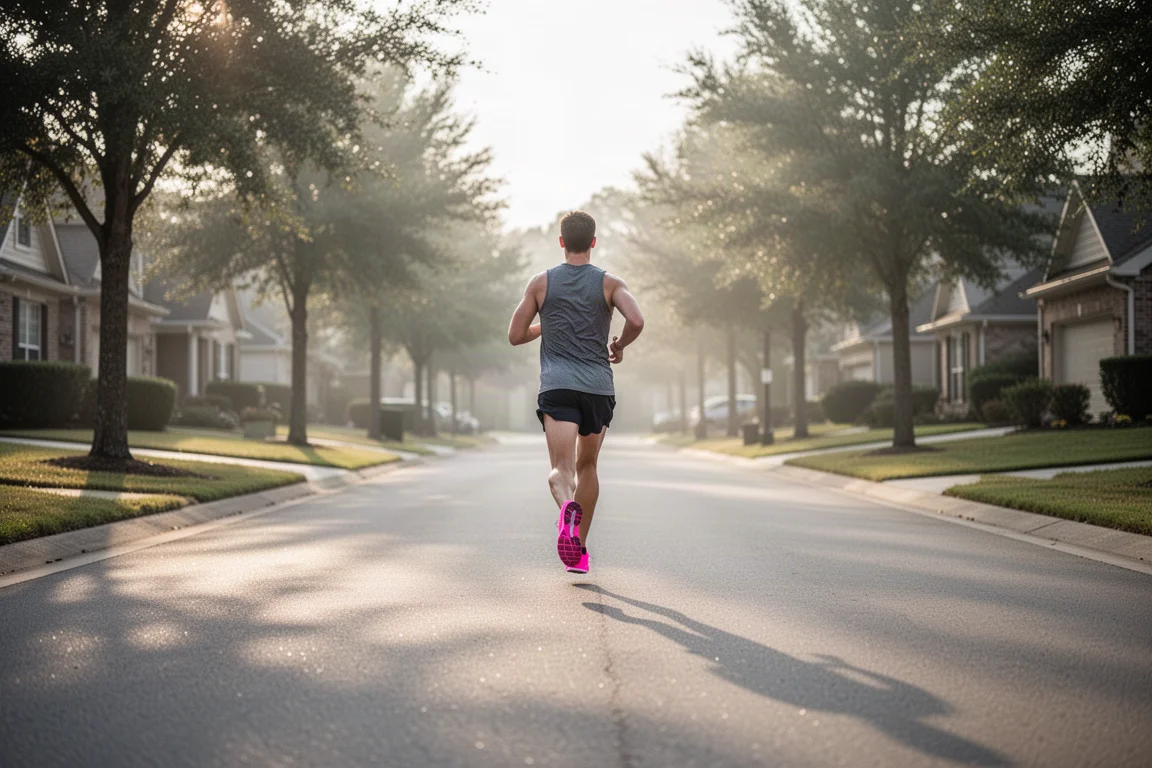
That same quality cuts the other way. Below that pace band, the shoe resists. Running slower feels like trudging through mud, and the shoe subtly pushes you to speed up rather than settling into an easy recovery pace. It also takes a long break-in period, likely 150 kilometers or more, before the foam softens and shows its true character. For a shoe priced 25 percent above a typical premium trainer, that is a lot of caveats: it wants a certain pace, it wants force, and it wants miles on the odometer.
How It Compares
Against the field, each luxury trainer earns its price in a different way. The Brooks Glycerin Max is the comfort pick, possibly the most comfortable shoe on the market right now. The Hoka Skyward X, with its carbon-infused plate and dual-foam setup, is the fun, bouncy one at $225. The Puma Mag Max trades some weight for a livelier ride on long runs. The Adidas Supernova Prima at $160 plays the role of an approachable, middle-of-the-road alternative with a soft, smooth ride.
If you are cross-shopping on value, the Saucony Endorphin Pro 4 is an interesting wrinkle. At $225 it costs $25 more, comes in dramatically lighter at around 236 grams, and doubles as both a long-run trainer and a race day weapon. And if $200 shoes simply are not your thing, the Nova Blast 4 or Supernova Prima cover a lot of the same ground for less.
Should You Buy the Super Blast 2?
Here is the honest summary. If you loved the original Super Blast, you will love this one, because it is that shoe with a lightly softened midsole, a new outsole, and a slightly less luxurious upper. Credit to Asics for holding the price at $200 while competitors pushed past it, and for keeping the weight advantage that no rival has matched.
If you did not get along with the original, nothing here changes the calculus. The ride is still one-note, still pace-locked, and still needs a long break-in. As a purchase, it makes the most sense for runners who specifically want a lightweight, non-plated shoe for steady tempo-style long runs, roughly the 6:00 to 7:30 per mile band, and who value that locked-in, metronomic feel enough to pay the premium. Everyone else has compelling options at $160 or less that are more versatile day to day.
Conclusion
The Super Blast 2 is a faithful sequel to a beloved luxury trainer. It keeps the lightness, the 45-millimeter stack, the durability, and the pace-locking ride that made the original famous, while adding a new foam and slightly more forgiveness. It does not fix the one-note character that some runners, including this reviewer, could never warm to. As a luxury product, it makes sense for enthusiasts who know exactly what they are buying. As a universal recommendation at $200, the wider field now offers more enjoyable and more versatile alternatives.
Product link
View more details for ASICS Super Blast 2
This product is mentioned in the review. Check the specifications, options, and compatibility before buying.
View more details for ASICS Super Blast 2Further reading
Related Reviews

Running Shoes
Best Road-to-Trail Running Shoes: Three Versatile Options for Mixed Terrain
A practical guide to three road-to-trail running shoes that handle both pavement and mild trails, with clear strengths and trade-offs for different runner types.

Running Shoes
Best Running Shoes for Achilles Tendonitis: Three Options Explained
Three running shoes with different heel drops and support features designed to help reduce Achilles tendon pain during walking and running.

Running Shoes
Best Running Shoes for Women: Five Top Choices Ranked
A ranked guide to five women's running shoes, from versatile daily trainers to high-performance racing options, with real strengths and trade-offs for each.