Running Shoes
ASICS Sonic Blast 2 Review: A Rockered Tempo Shoe With a Clear Identity
The Sonic Blast 2 finally finds its purpose as a rigid, rockered tempo shoe. We break down the stacked midsole, the trampoline pod, and how it compares to the New Balance SC Elite Rebel and Brooks Hyperion Max 4.
Introduction
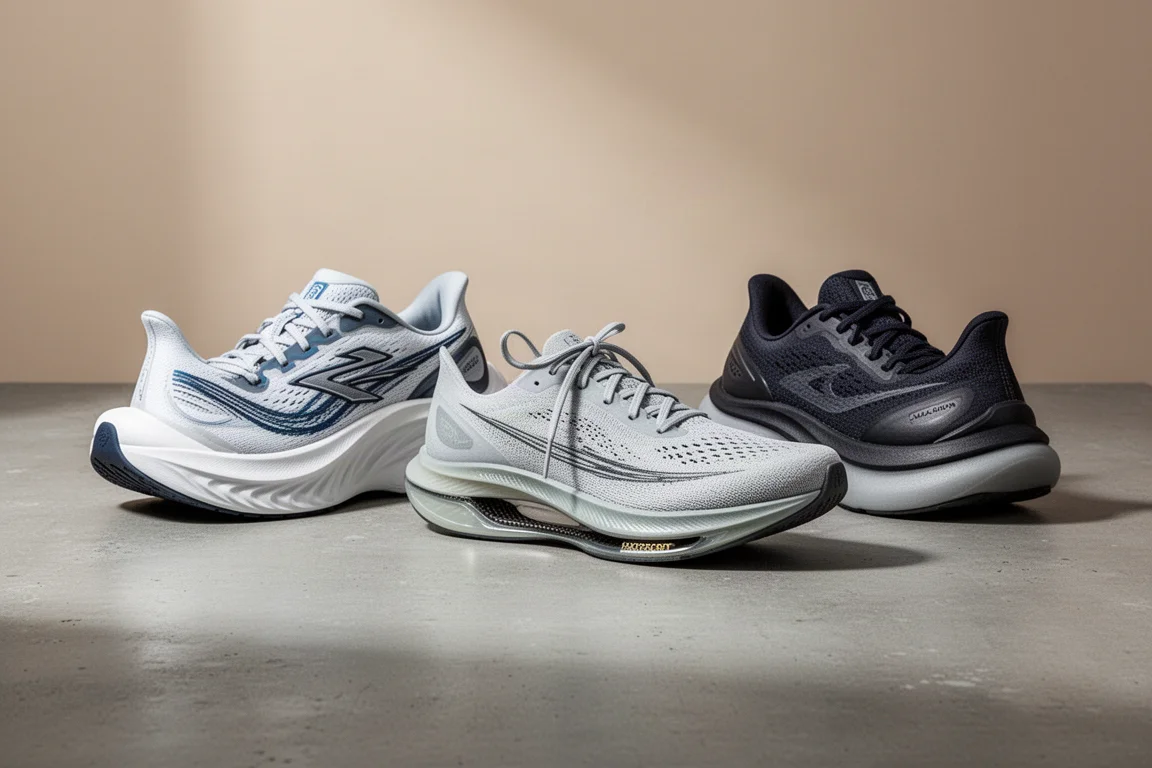
The original Sonic Blast was a debut that left a lot of runners unconvinced. The second version is a different story. It keeps the ambitious ideas from the first model but refines them into something with a much clearer purpose: a rigid, rockered tempo shoe with enough cushioning to double as light daily training work. Here is what changed, how it performs, and whether it justifies its place in your rotation next to the New Balance SC Elite Rebel and the Brooks Hyperion Max 4.
What Makes the Sonic Blast 2 Different
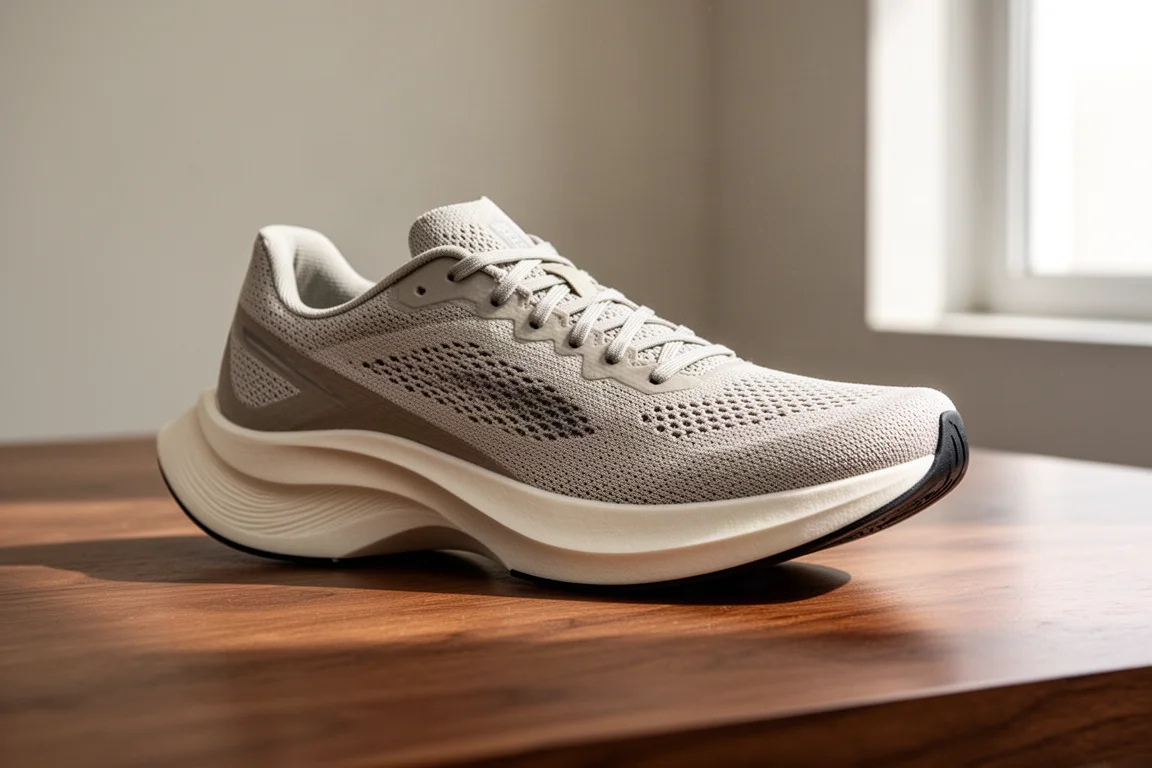
This is a tall shoe, taller than it looks. Stack height comes in at 46 mm in the heel with an 8 mm drop, so 38 mm in the forefoot. The midsole uses two foams: FF Turbo Squared, an aliphatic TPU material, sits on top, while the denser FF Blast Max acts as the carrier layer underneath and helps stabilize the experience.
The clever part is what ASICS calls the trampoline pod. A portion of the FF Turbo Squared layer protrudes down through a gap in the carrier foam, so in the forefoot the premium foam runs essentially full length from the underside of your foot all the way to the ground. A forked plastic plate, the astro plate, curls around each side of that pod, adding torsional stability through the forefoot rather than acting like a traditional spoon plate. Around all of this sits plenty of ASICS grip rubber with a more tread-like pattern and slightly thicker rubber than before.
The upper is an engineered mesh with generous height in the toe box. It is breathable rather than plush, and it should hold its shape well over time. The tongue is thin and gusseted, the heel collar and Achilles flare use a restrained amount of padding, and the overall fit worked well in a regular US men’s 9. At a measured 8.1 oz (230 g), the weight is genuinely impressive for how much shoe this is.
How It Feels on the Road
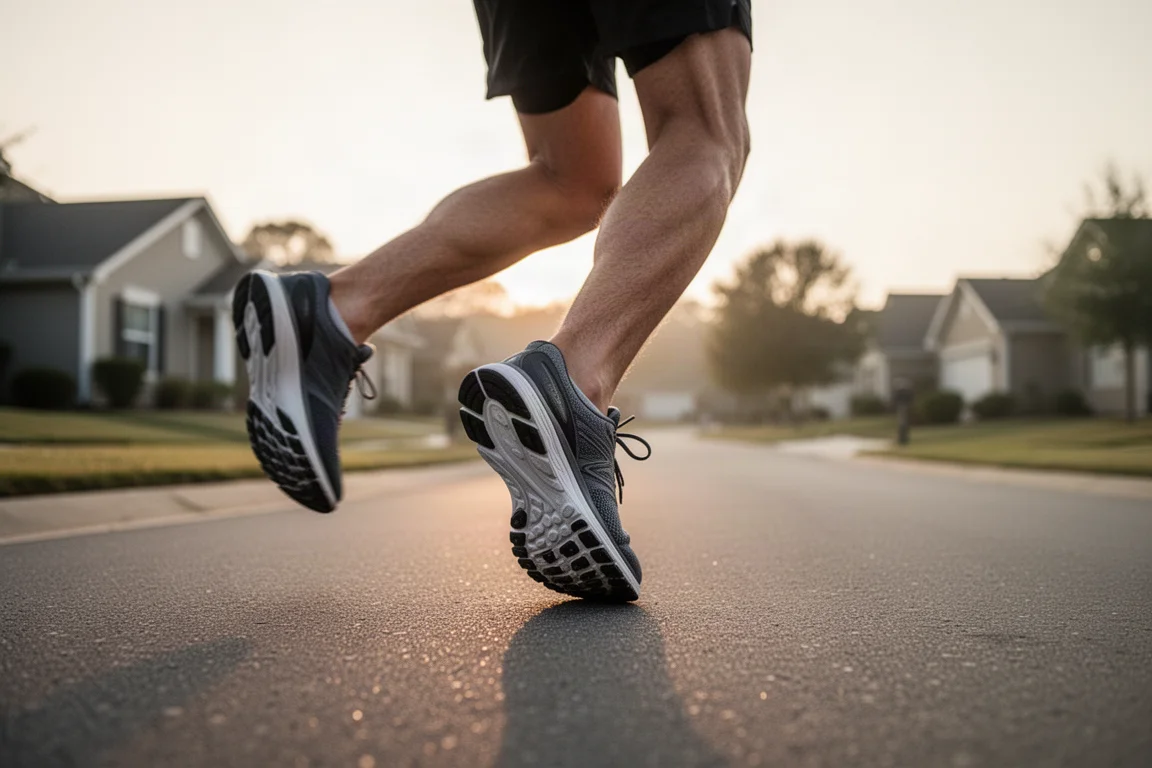
The Sonic Blast 2 is much improved, and the intent behind the shoe finally makes sense. It is best understood as a descendant of ASICS’s earlier rigid-rocker designs: a smooth rolling sensation where the FF Blast Max in the heel and midfoot feels like two stable rails you land on, then roll up and push off from the front. The astro plate keeps the forefoot from tipping side to side as you roll onto the toes.
At very easy paces, that rigidity shows. The landing is stable and predictable but not especially soft, since FF Blast Max is a denser daily-training foam and FF Turbo Squared generally only comes alive when you put more force into it. That means this shoe rewards effort: as the pace climbs from the high end of easy into uptempo territory, you land more squarely on the trampoline pod and get noticeably more energetic bounce back.
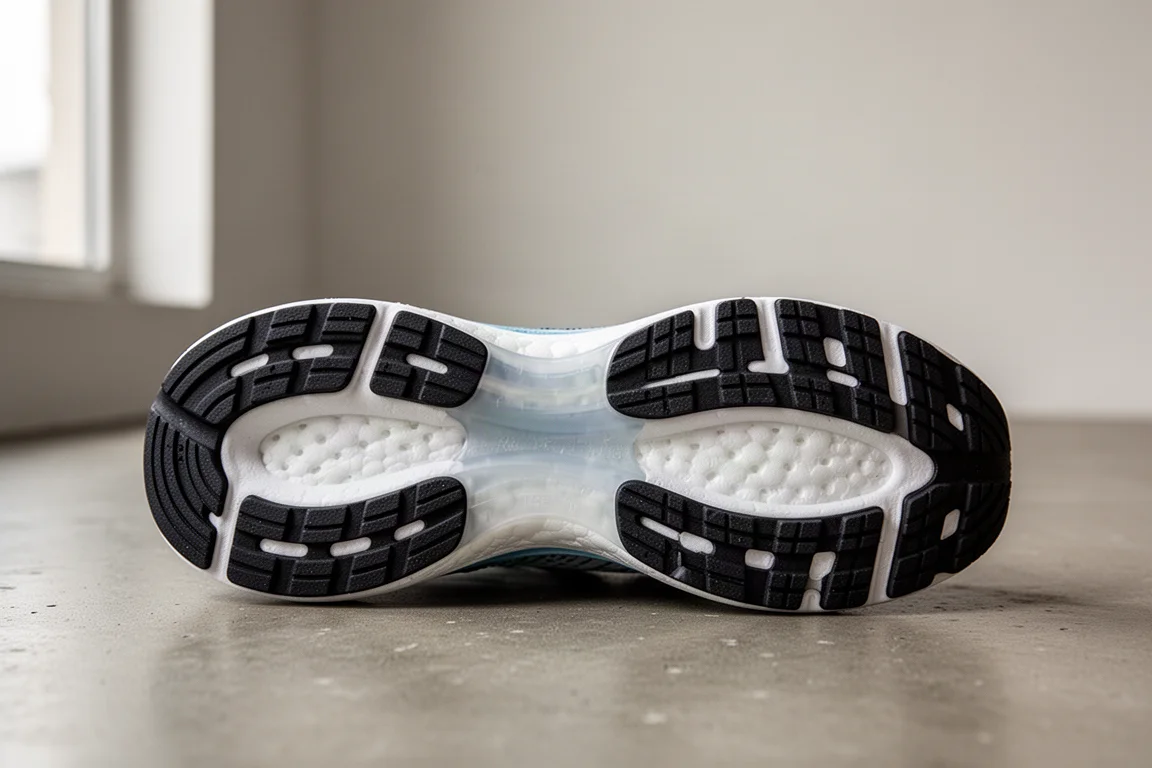
In a threshold session, the experience was genuinely pleasant, with plenty of springy rebound from the FF Turbo Squared and a weight that sits comfortably in tempo-shoe territory. The trade-offs are real, though: the plastic plate absorbs a little energy compared with a carbon plate, and some involvement from the carrier foam is always present during speed work. This is a shoe for runners who embrace a rigid, rockered forefoot, especially midfoot strikers and heel strikers who like some torsional stability.
Best for Tempo and Threshold Work
The Sonic Blast 2 is a tempo shoe that can handle some daily training, and it is ideally suited to runners who want a rigid, rockered forefoot. If you found the Novablast too squishy, particularly if you are a bigger or taller runner, this could also work as your daily trainer. At $190 it is not cheap, and for runners outside its intended stride style the price feels a bit high, but for a tall, rockered shoe using advanced materials the number is easier to defend.
The original Sonic Blast is still available at around $120 and remains a stiffer, more heel-striker and stability-oriented option, though it lacks the trampoline pod and has much less FF Turbo Squared in the forefoot. If that profile matches you, it is a solid way to save money.
How the Competitors Compare
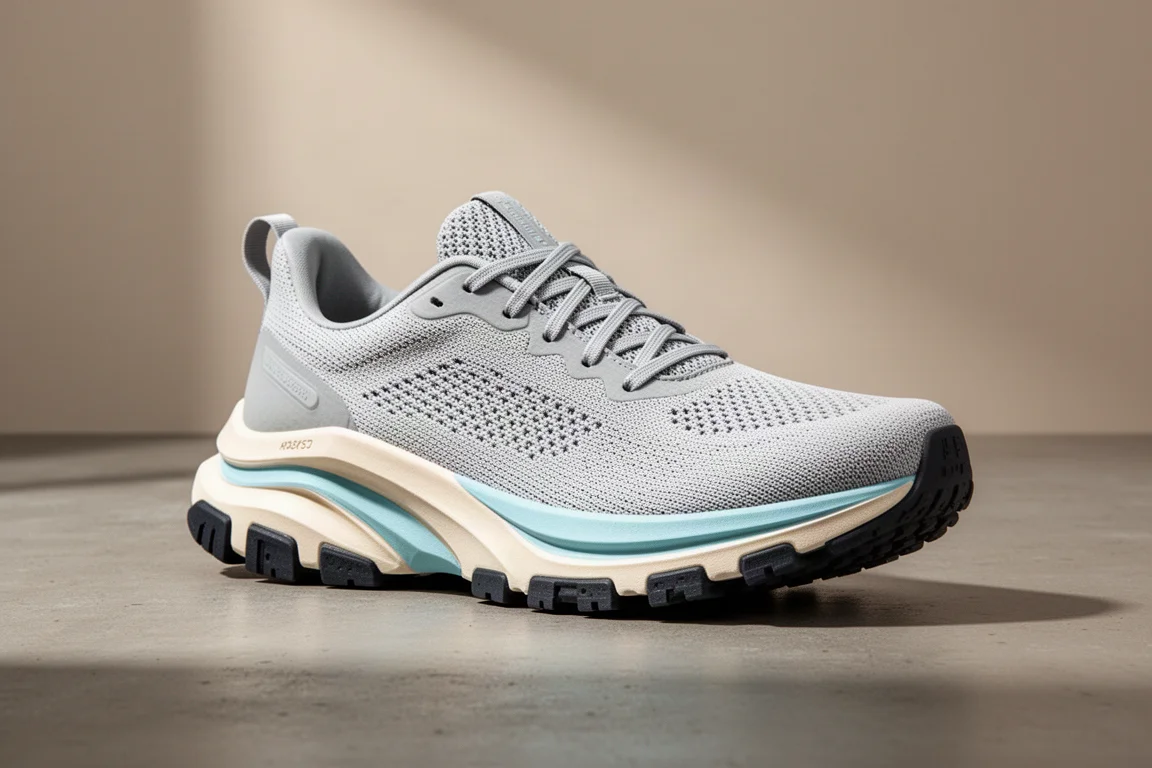
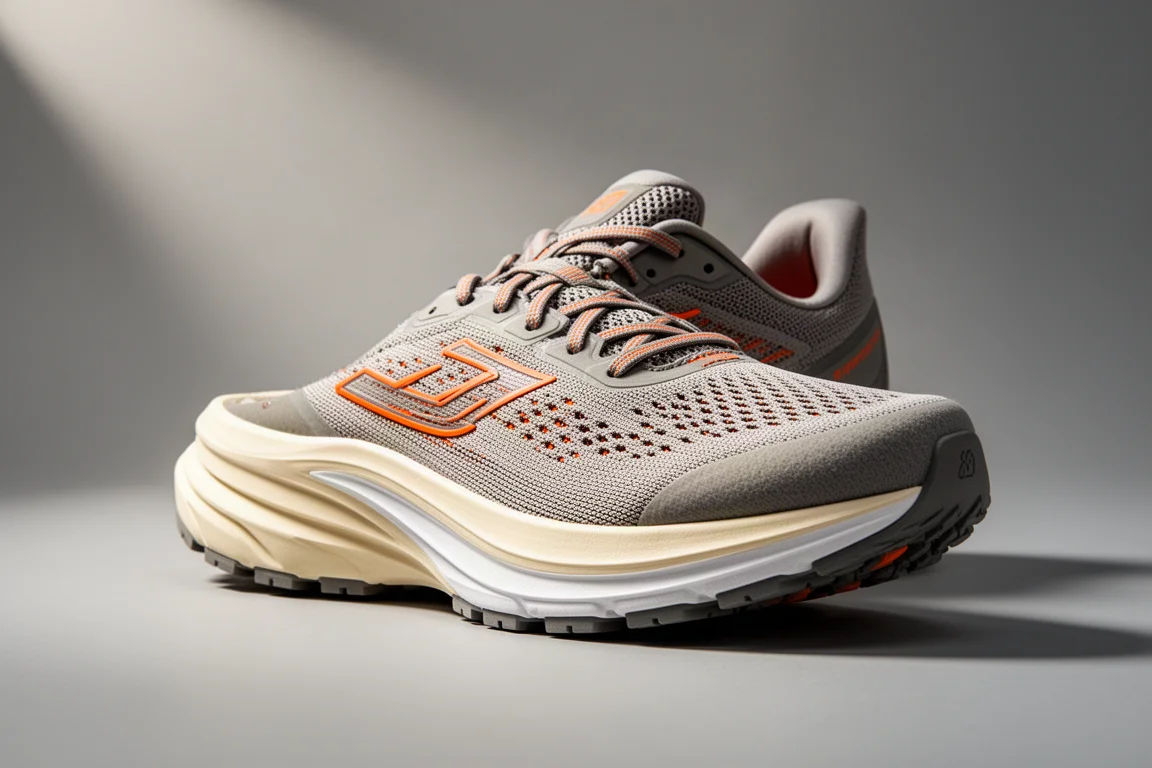
The New Balance SC Elite Rebel chases the same formula: a rigid rocker forefoot built on two rails, a low plate position to keep the forefoot from tipping, and a full aliphatic TPU midsole paired with a carbon fiber plate. The result is arguably executed at a higher level. The ride is bouncier at daily training paces, it is lighter than the Sonic Blast 2, and at faster paces the carbon spring adds a noticeable kick. For many runners it could double as a race day option. At $200 you are paying a premium, and in this comparison the extra $10 over the Sonic Blast 2 feels justified.

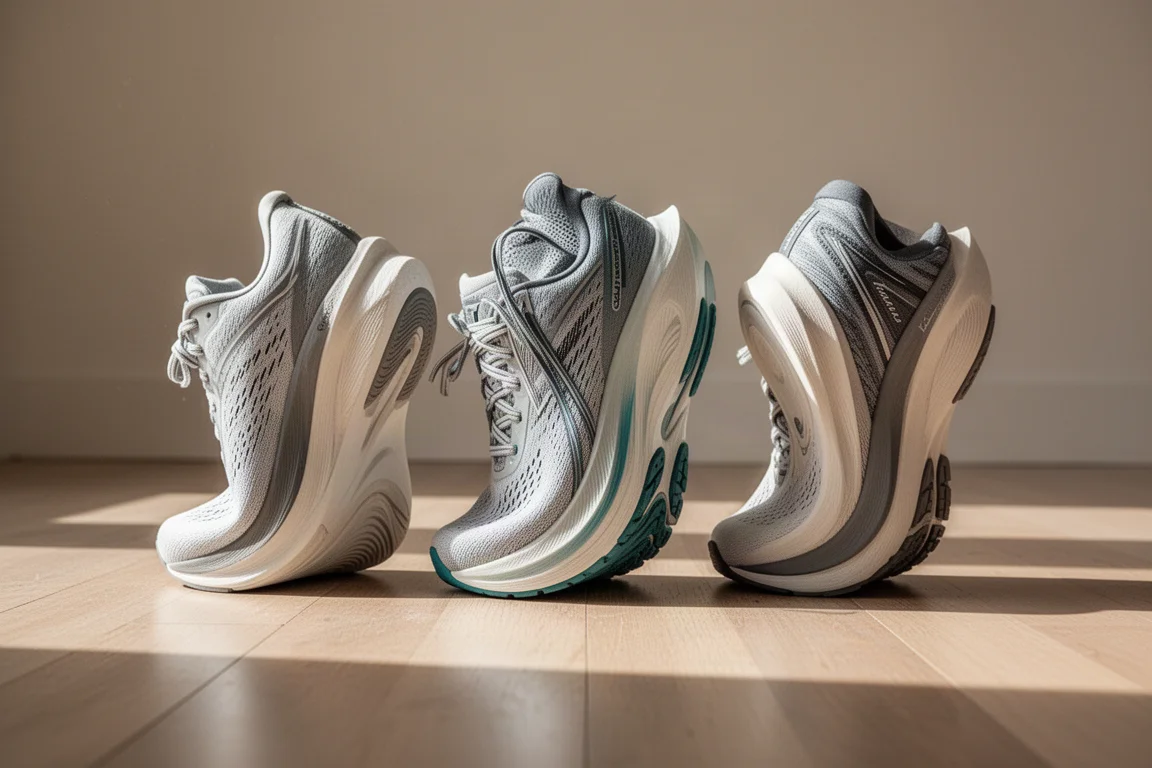
The Brooks Hyperion Max 4 shares similar stack heights and the same rigid-rocker, plastic-plate formula, pairing DNA Gold (a PEBA foam) over a daily training carrier. In practice, though, it is a different kind of shoe. The Hyperion Max 4 leans max cushion and is the pick for long, slow distance and easy runs, while the Sonic Blast 2 is the shorter, faster choice. At $200 it also feels a touch overpriced, but the Hyperion Max 3 is substantially discounted at many retailers if you can still find your size, and it delivers essentially the same experience.
Buying Advice
Choose based on what kind of running you actually do most. If you want something a little shorter and faster for threshold and uptempo work, the Sonic Blast 2 is the strongest fit, especially if you like a rockered ride. If you want a more premium, bouncier tempo and race-day option and do not mind the price, the SC Elite Rebel is the sharper execution. If your priority is long, slow miles on a big cushioned platform, the Hyperion Max 4 makes more sense, and the discounted Hyperion Max 3 is worth hunting down first.
Conclusion
The Sonic Blast 2 rescues the model from an underwhelming debut by committing to a clear identity: a tall, rigid, rockered tempo shoe that comes alive from the high end of easy running through threshold paces. It is not the softest, lightest, or cheapest option, but runners who match its stride style will find a lot to enjoy.
Further reading
Related Reviews

Running Shoes
Best Road-to-Trail Running Shoes: Three Versatile Options for Mixed Terrain
A practical guide to three road-to-trail running shoes that handle both pavement and mild trails, with clear strengths and trade-offs for different runner types.

Running Shoes
Best Running Shoes for Achilles Tendonitis: Three Options Explained
Three running shoes with different heel drops and support features designed to help reduce Achilles tendon pain during walking and running.

Running Shoes
Best Running Shoes for Women: Five Top Choices Ranked
A ranked guide to five women's running shoes, from versatile daily trainers to high-performance racing options, with real strengths and trade-offs for each.