Running Shoes
ASICS Running Shoe Lineup Guide: 11 Models Explained
From daily trainers and stability staples to super shoes and the SuperBlast 2, here is how the current ASICS lineup fits together and which model suits your running.
Introduction
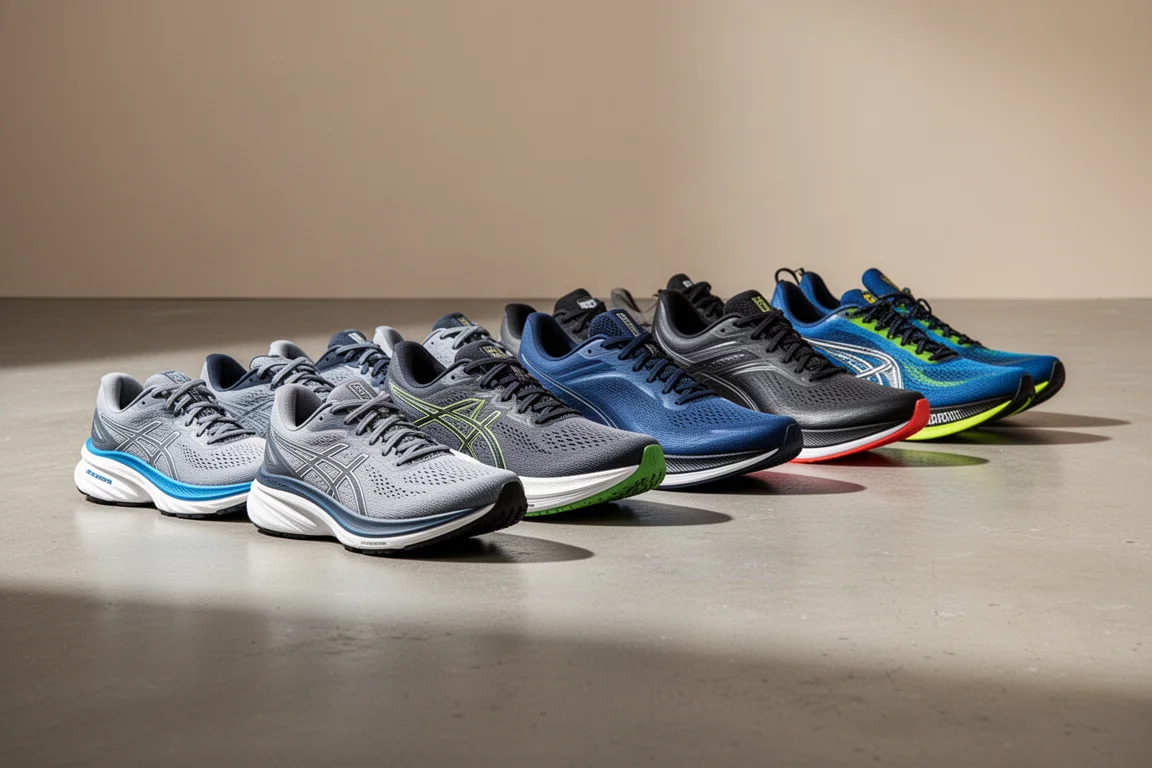
ASICS currently offers one of the deepest running lineups on the market, and that abundance makes choosing harder than it should be. Many of the newest models overlap in weight, stack height, and price, while a few stand alone in categories nobody else really fills. This guide breaks the lineup into its core groups: traditional daily trainers, stability shoes, lightweight performance trainers, super shoes, and the high-stack crossovers that defy easy sorting, so you can match a shoe to how you actually run.
Traditional Daily Trainers
Gel-Cumulus 26
The Gel-Cumulus 26 has shifted away from its traditional high-drop neutral trainer roots into a flatter heel and midfoot geometry with a sharper toe spring up front. It pairs PureGEL with FF Blast Plus in the midsole and, for the first time in this line, a rubberized EVA outsole. Around 38mm of stack in the heel keeps it under the modern maximum, and at $140 it is one of the more affordable options that still offers a genuinely good ride. It is also one of the lighter neutral daily trainers available, turning over well enough to brush against the performance trainer category. Two caveats: the aggressive toe spring effectively shortens the shoe, so a half size up may be worth trying, and the rubberized outsole wore down quickly on one tester’s pair despite solid mileage elsewhere in the line.
Gel-Nimbus 26
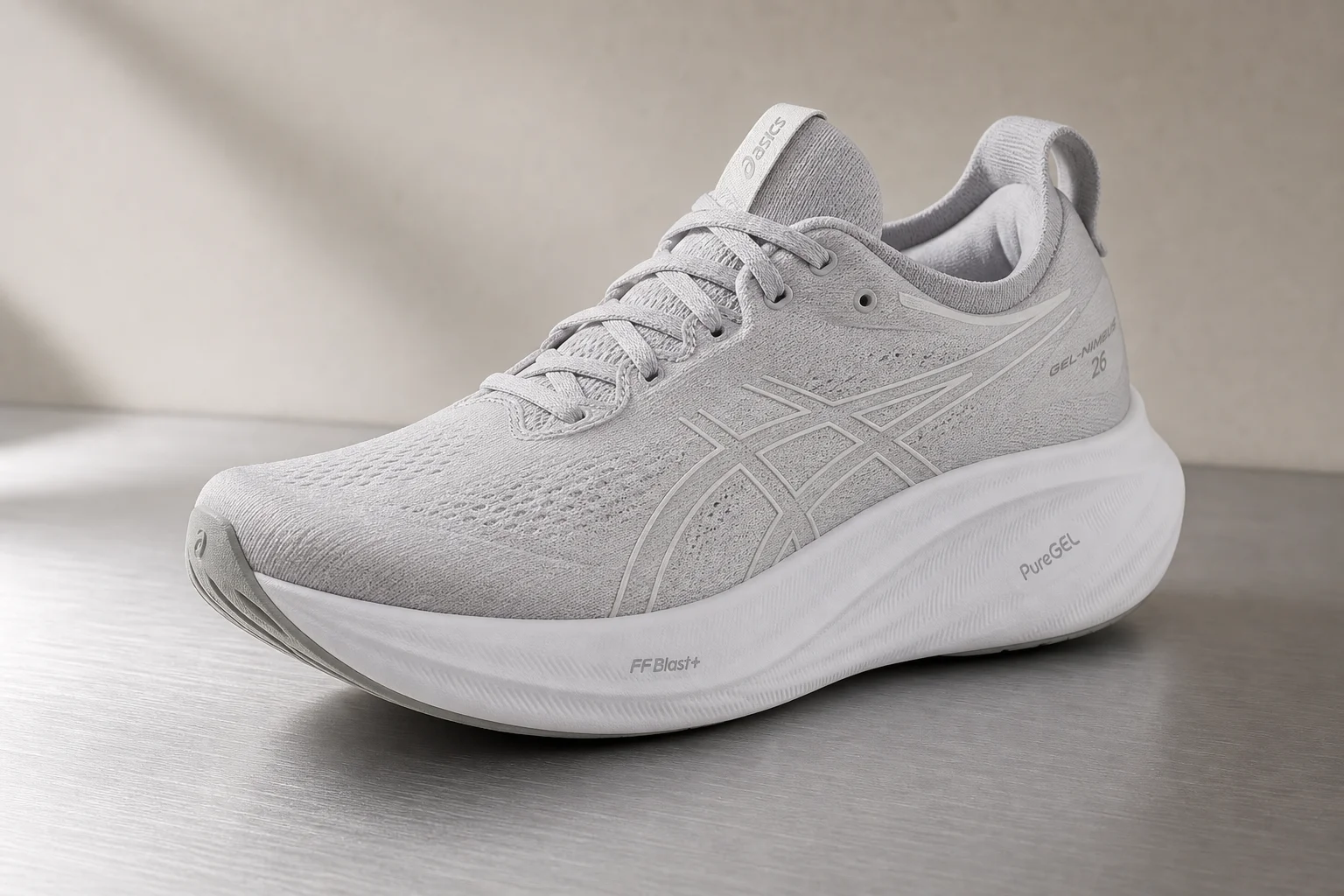
The Gel-Nimbus 26 is the premium flagship daily trainer, now sitting above 40mm in the heel, around 42mm, which would have been unthinkable for a standard trainer a few years ago. It uses PureGEL and FF Blast Plus Eco with a durable AHAR Plus high-abrasion outsole, and the heel bevel has been improved over prior versions. This is the softest ride of the traditional group, and thanks to its geometry and sidewalls it feels surprisingly stable for such a soft, neutral shoe. It is also the pick for walking and all-day standing, and it handles toe mobility deficits better than most thanks to its rocker profile. At $170 it costs more than the Cumulus, but it earns the premium positioning with a more structured, more refined experience.
Glide Ride Max
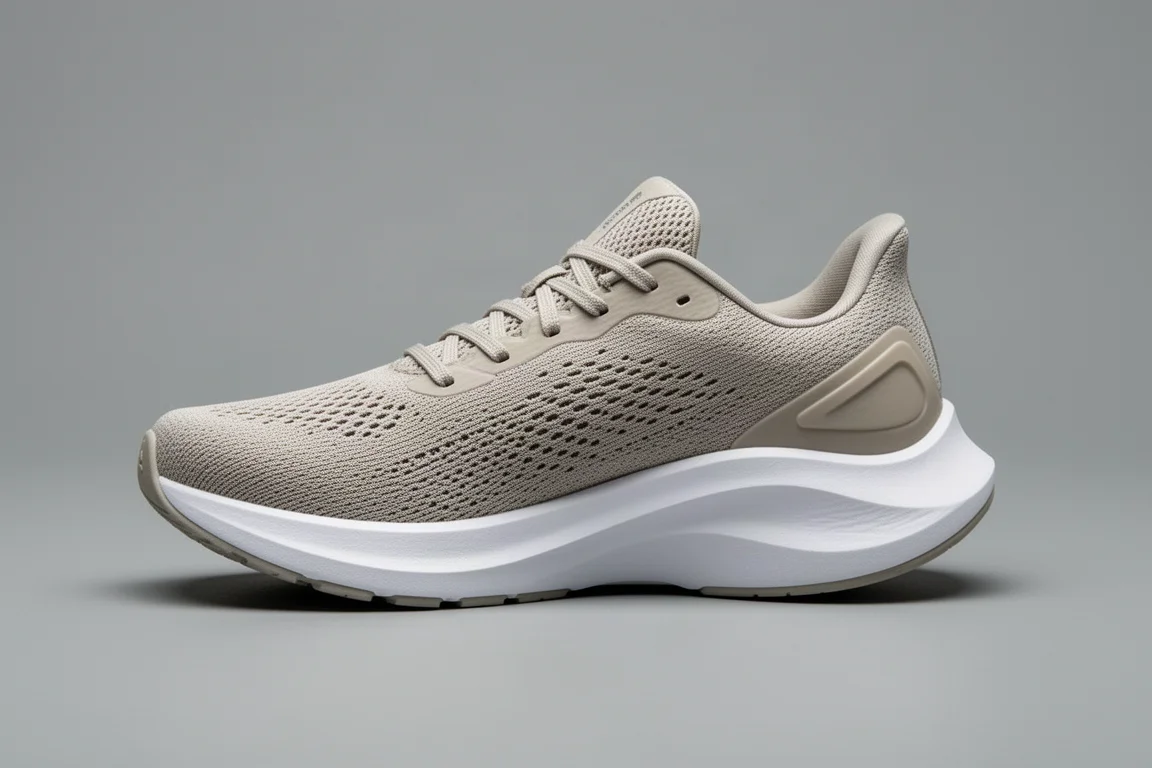
The Glide Ride Max is the odd one of the group. At 44mm in the heel with a 6mm drop, it is the highest-stacked traditional trainer here, yet it is firmer than the Nimbus and less soft than you would expect from that much foam. A DVA plate sits inside, but under load the forefoot is more flexible than the Glide Ride’s famously stiff roots, and it may even flex more than the Nimbus while still feeling more rockered up front. It sits between the Cumulus and the Nimbus: a little more room than most ASICS models, a touch more stiffness than the Cumulus, a smoother natural toe-off than the old Glide Ride. At $160 it costs slightly more than the Nimbus while offering less structure, which makes it a niche pick for runners who want toe spring with some give in it.
Stability: GT-2000 13 and Gel-Kayano 31
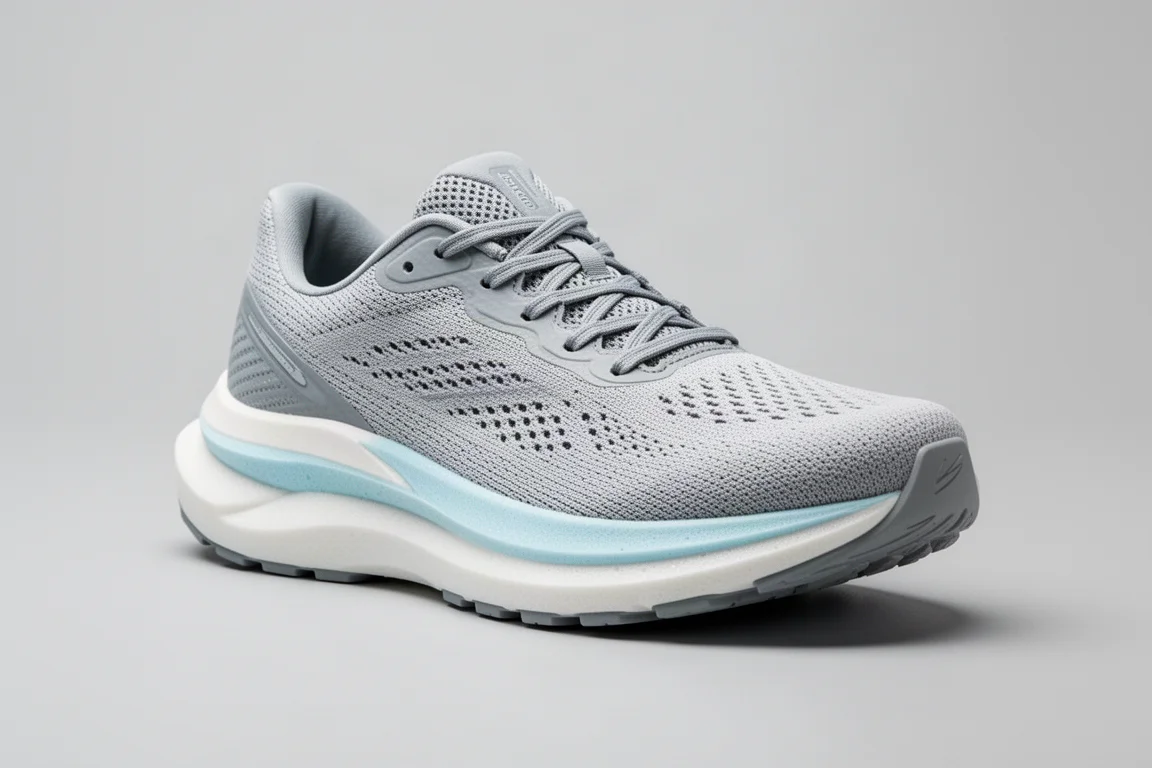
ASICS has trimmed its stability lineup down to two shoes, but they cover very different ground and overlap almost not at all.
GT-2000 13
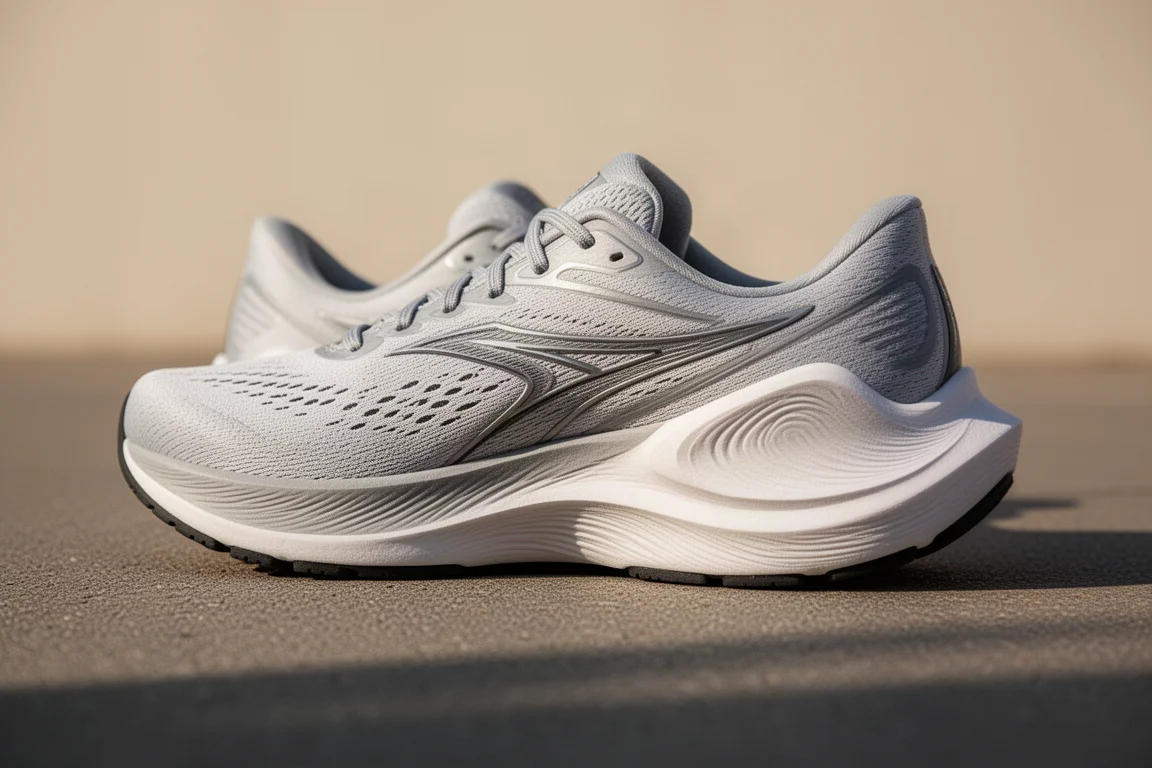
The GT-2000 13 has become a benchmark stability trainer. It is one of the lighter stability shoes on the market, yet it chews up miles with excellent durability, with testers reporting over 100 miles with the outsole essentially intact. The ride is mild stability that tips into moderate: lower stack than the plush trainers, thick rubber coverage, good ground feel, gentle sidewalls, and the 3D Guidance System that adapts softly as you load the shoe. FF Blast Plus midsole, high-abrasion rubber, flex grooves, no plate. It is the grab-and-go shoe for easy runs and can pick up the pace when needed, all at $140. If you want a more natural-feeling shoe that still offers structure, this is the unique pick in the entire market segment.
View more details for Asics GT-2000 13
Gel-Kayano 31
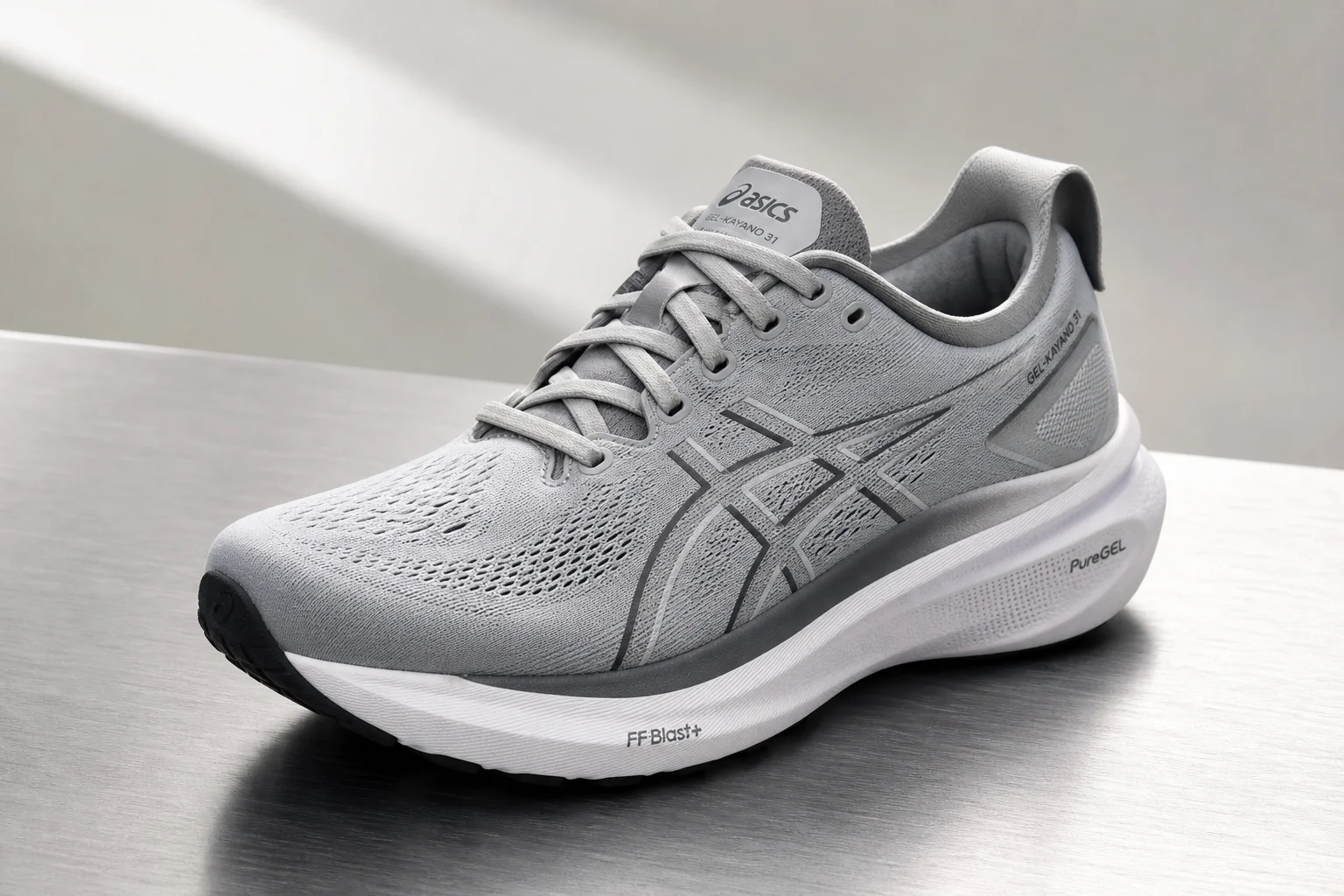
The Gel-Kayano 31 is the premium moderate stability option, rebuilt substantially from previous versions. It leans on generous guidance features: a wide platform, wide midfoot, significant sidewalls, and a new 4D Guidance System where the medial piece is softer and bouncier, gently bouncing you back out rather than jamming into your arch. It breaks in over time and the effect is subtle, but the foot feels centered and secure. It is softer, roomier, and heavier than the GT-2000, less versatile at speed, and noticeably better for walking and long days on your feet, making it a strong pick for healthcare workers and anyone standing all day. Between the two, choose the GT-2000 for speed and simplicity, the Kayano for softness, room, and all-day comfort.
Lightweight Performance Trainers
Noosa Tri
The Noosa Tri remains one of the best values in the lineup at $135. It is a simple, lightweight, moderately stacked neutral trainer with FF Blast Plus, an airy mesh upper, a wide forefoot, and a flexible front end with a slightly sharper toe spring. Around 7 ounces, no plate, no frills, just good traction and a shoe that does a bit of everything: hard track workouts, tempo runs, and easy days alike. It handles sockless running as well as any shoe on the market. For a simple, affordable lightweight trainer you could even race in, it is very hard to beat.
Magic Speed 4
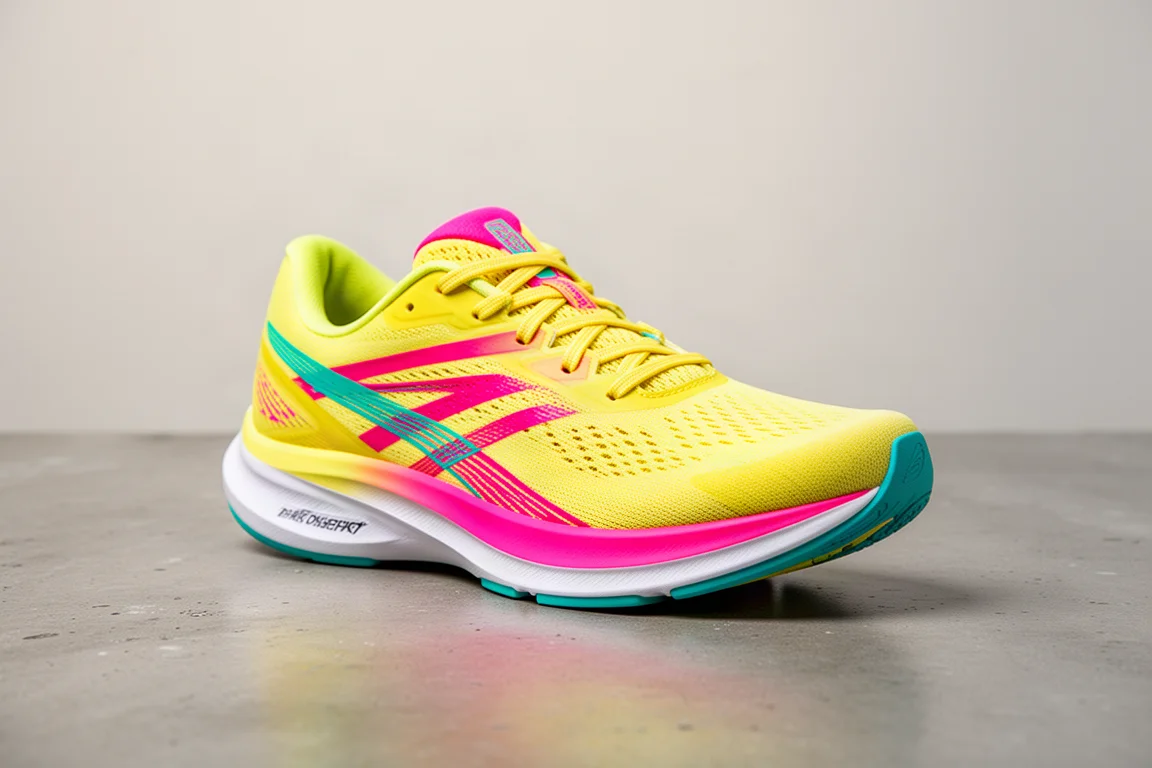
The Magic Speed 4 is the confusing one. The carbon-plated lightweight trainer of the group, meant as a companion or workout shoe for runners who find the MetaSpeed series too aggressive, it changed dramatically from version 3. Now over 40mm in the heel with a carbon plate, FF Turbo in the center, and FF Blast Plus around it, it is firmer, stiffer, taller, and heavier than expected, and it did not work as a training shoe for one tester. The platform is high and narrow with a deep midline groove and a very sharp toe spring, so heel strikers will struggle. Runners with more neutral, midfoot-forward mechanics may get a lively toe-off at half marathon and marathon efforts, and it could suit someone who wants carbon stiffness without super shoe money. But at this price and weight, most runners would be better served by the Noosa Tri or the SuperBlast 2.
Super Shoes: MetaSpeed Edge Paris and MetaSpeed Sky Paris
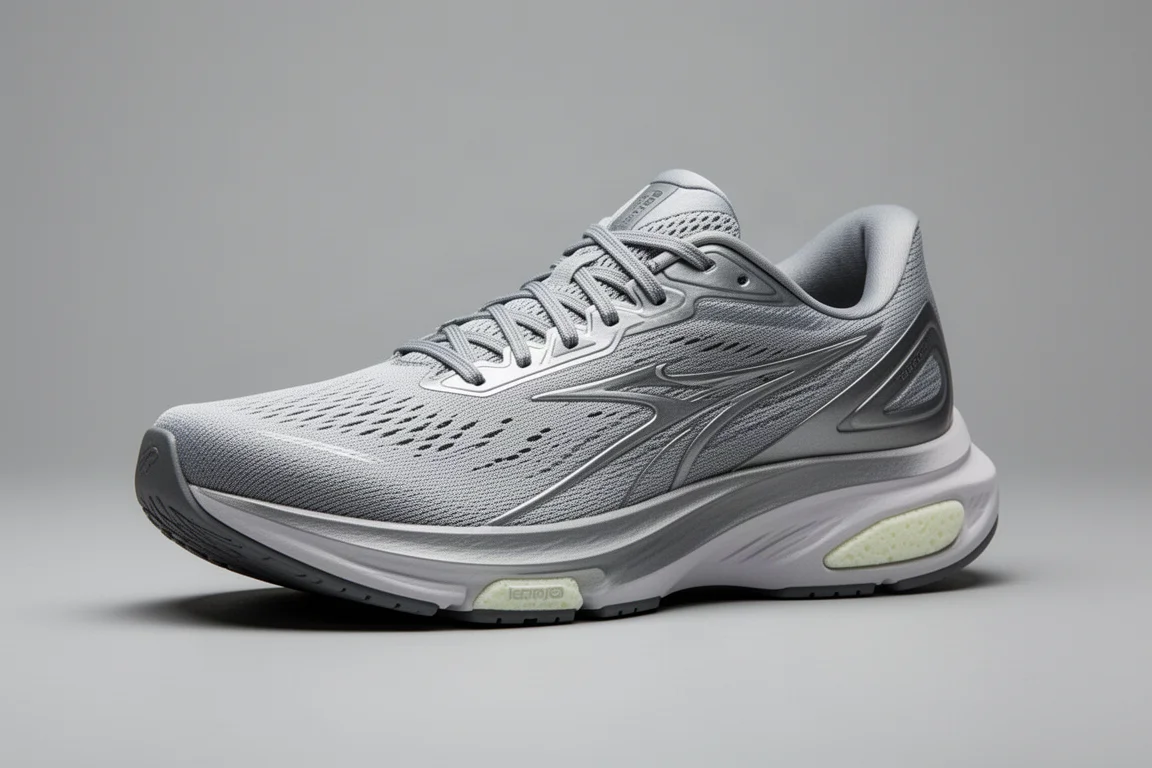
These two are night and day better than their predecessors and rank among the lightest commercially available super shoes on the market. Both use a full-length FF Turbo Plus midsole, both cost $250, and both are unapologetically neutral with minimal stability. The difference is loading: the Edge Paris suits runners who roll through the shoe with a heel-biased stride and a more gradual plate drop, while the Sky Paris is very forefoot-forward with a sharper toe spring and rewards forefoot strikers who load it hard. The Turbo Plus foam is bouncy but firmer than most PEBA midsoles, which some runners will prefer.
One tester has raced fastest in the Edge Paris and called it a shoe-of-the-year contender, with around 70 carefully saved miles showing minimal outsole wear. Minor medial tape delamination has appeared on both testers’ pairs. As race-day options they are hard to fault: best suited to 5K and 10K for most, the Edge Paris plausibly stretching to a half marathon, and the marathon only for runners with efficient mechanics who do not need extra structure. Compared to the narrower and softer competition, both are distinctive, and nothing else on the market closely resembles them.
Performance Crossovers: SuperBlast 2 and Novablast 4
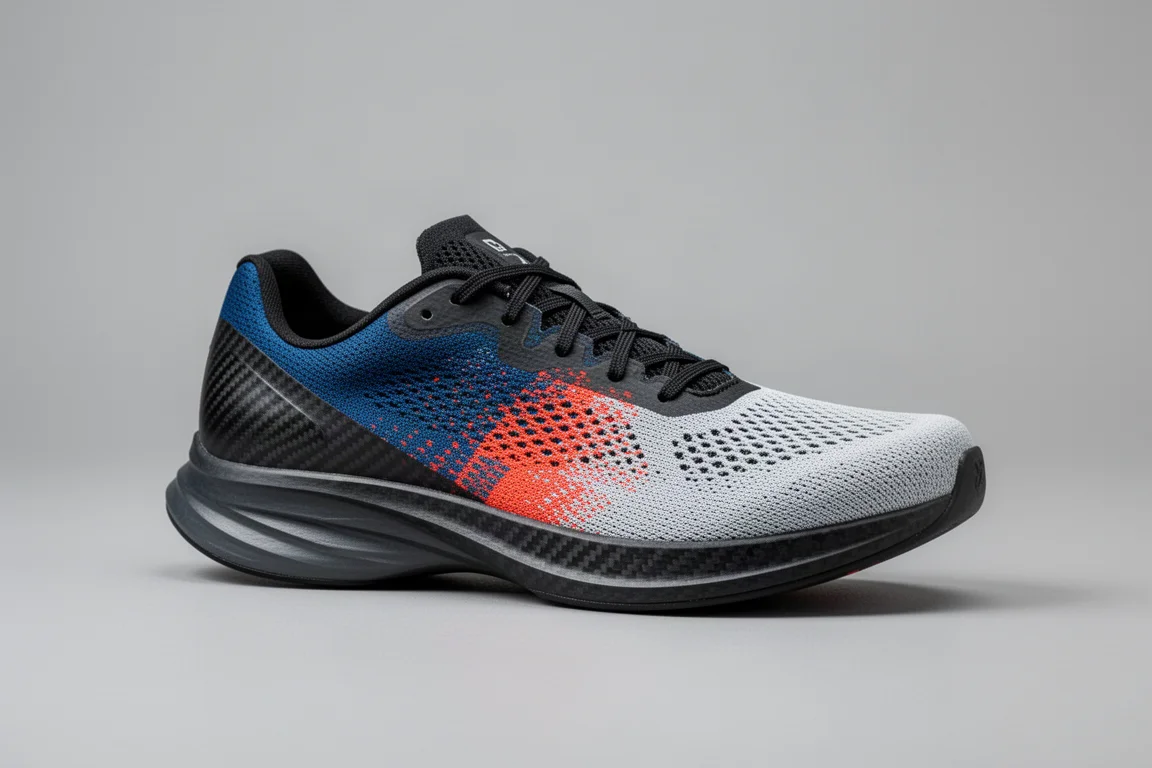
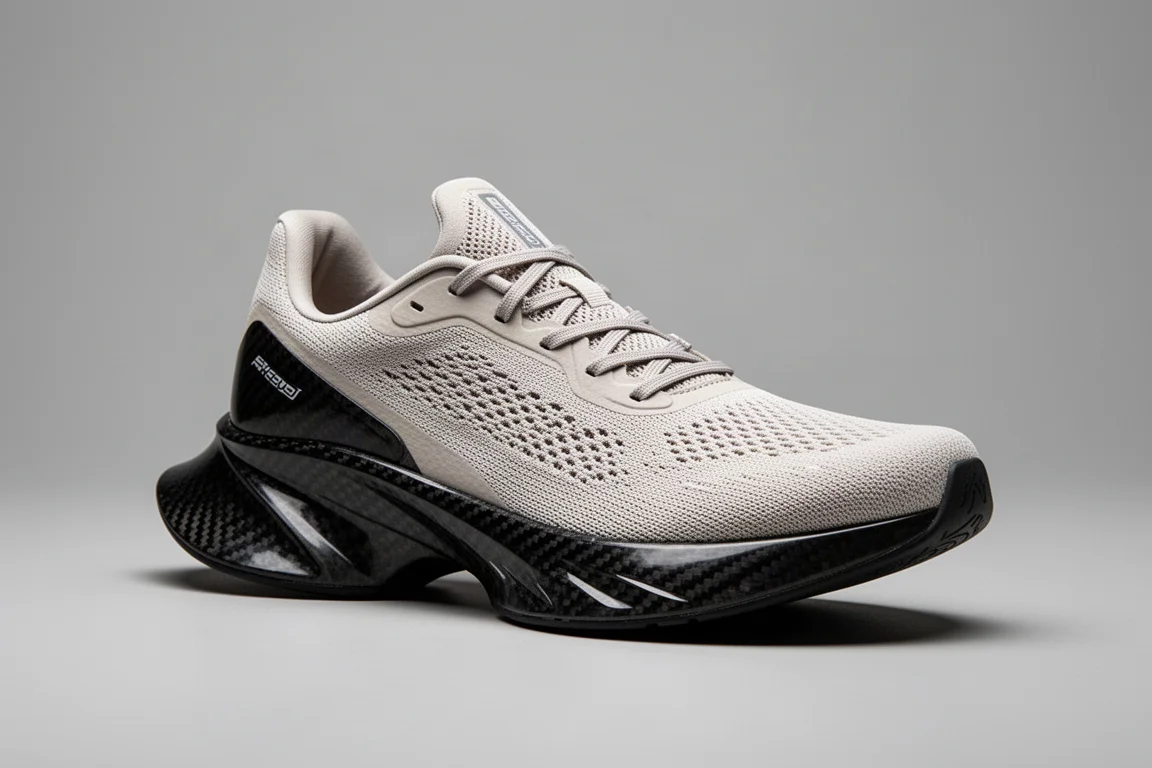
These two are hard to categorize because they blend super-shoe foam with daily-trainer practicality, and they are two of the most popular models ASICS makes.
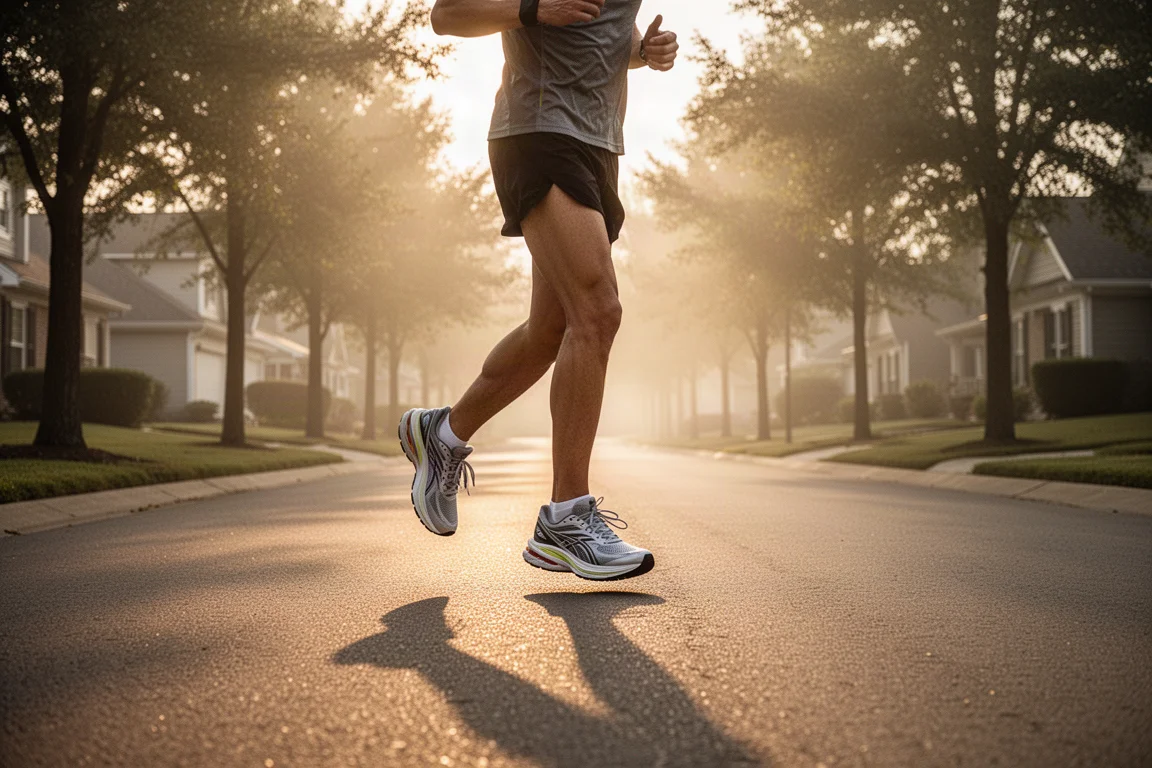
SuperBlast 2
The SuperBlast 2 is arguably the true performance super trainer of the entire lineup. FF Turbo Plus fills most of the midsole, with a small bottom layer of FF Blast Plus, and at roughly 8.5 to 8.7 ounces it remains the lightest super trainer available. There is no plate, yet the shoe is remarkably stiff, with strong sidewalls, a wider midfoot, and genuinely stable geometry, making it one of the best stable neutral options for a marathon day, especially for recreational runners who find the MetaSpeed series too aggressive. Durability is phenomenal, with 150 miles on one pair showing essentially no outsole wear. At $200 it is not cheap, and it sells out constantly, but it occupies a place in the market nothing else touches and earns its price.
View more details for Asics Superblast 2
Novablast 4
The Novablast 4 sits deliberately between a daily trainer and a performance trainer. FF Blast Plus Eco, 41.5mm of heel stack, around 9.1 ounces, good traction, and a build-up around the heel and forefoot with sidewalls and sole flare. It is a jack of all trades: people do workouts in it, run marathons in it, and love it or find it slappy. The trampoline-style propulsion pushes you forward aggressively, which can strain the shin for heel-heavy strikers, but it is more stable than ever and competitively priced around $140. Against the Cumulus at the same price, the Novablast is the snappier, more exciting choice, while the Cumulus is the reliable, predictable pick. Its platform is similar to the SuperBlast 2’s but with less sidewall, less flare, and a tamer foam.
View more details for Asics Novablast 4
Buying Advice
If you want the softest premium daily trainer or a shoe for long days on your feet, the Gel-Nimbus 26 is the clear pick. If you want an affordable, lighter neutral trainer and can tolerate the short-feeling toe spring, the Gel-Cumulus 26 offers real value at $140. For stability, the GT-2000 13 is the versatile workhorse and the Gel-Kayano 31 is the soft, roomy premium option; they rarely compete for the same runner. In the lightweight category, the Noosa Tri is the standout value. For race day, choose the MetaSpeed Edge Paris for a rolling, heel-friendly load or the Sky Paris for forefoot loading, and consider the SuperBlast 2 as the stable marathon alternative. The Novablast 4 rounds out the line as the bouncy everything-shoe. The three models to think twice about are the Glide Ride Max, which overlaps the Nimbus at a higher price, the Magic Speed 4, which lost the identity version 3 had, and the Cumulus if you would rather have the Novablast’s snap at the same weight and price.
Conclusion
ASICS strengths right now are easy to name: the Nimbus as a premium soft trainer, the GT-2000 and Kayano as a genuinely differentiated stability pair, the Noosa Tri as the affordable lightweight all-rounder, the MetaSpeed Paris pair as light, fast race shoes, and the SuperBlast 2 as a super trainer unlike anything else on the market. The lineup’s weakness is overlap, particularly among the Cumulus, Glide Ride Max, and Magic Speed 4. Pick based on the job you need done, not the marketing category, and there is a very good ASICS shoe for almost every runner here.
Further reading
Related Reviews

Running Shoes
Best Road-to-Trail Running Shoes: Three Versatile Options for Mixed Terrain
A practical guide to three road-to-trail running shoes that handle both pavement and mild trails, with clear strengths and trade-offs for different runner types.

Running Shoes
Best Running Shoes for Achilles Tendonitis: Three Options Explained
Three running shoes with different heel drops and support features designed to help reduce Achilles tendon pain during walking and running.

Running Shoes
Best Running Shoes for Women: Five Top Choices Ranked
A ranked guide to five women's running shoes, from versatile daily trainers to high-performance racing options, with real strengths and trade-offs for each.