Running Shoes
Asics Novablast 6 vs Nike Pegasus 42: Two Cushioned Daily Trainers Compared
A head-to-head look at two of the most popular cushioned daily trainers, covering weight, stack, fit, ride feel, and which runner each shoe suits best.
Introduction
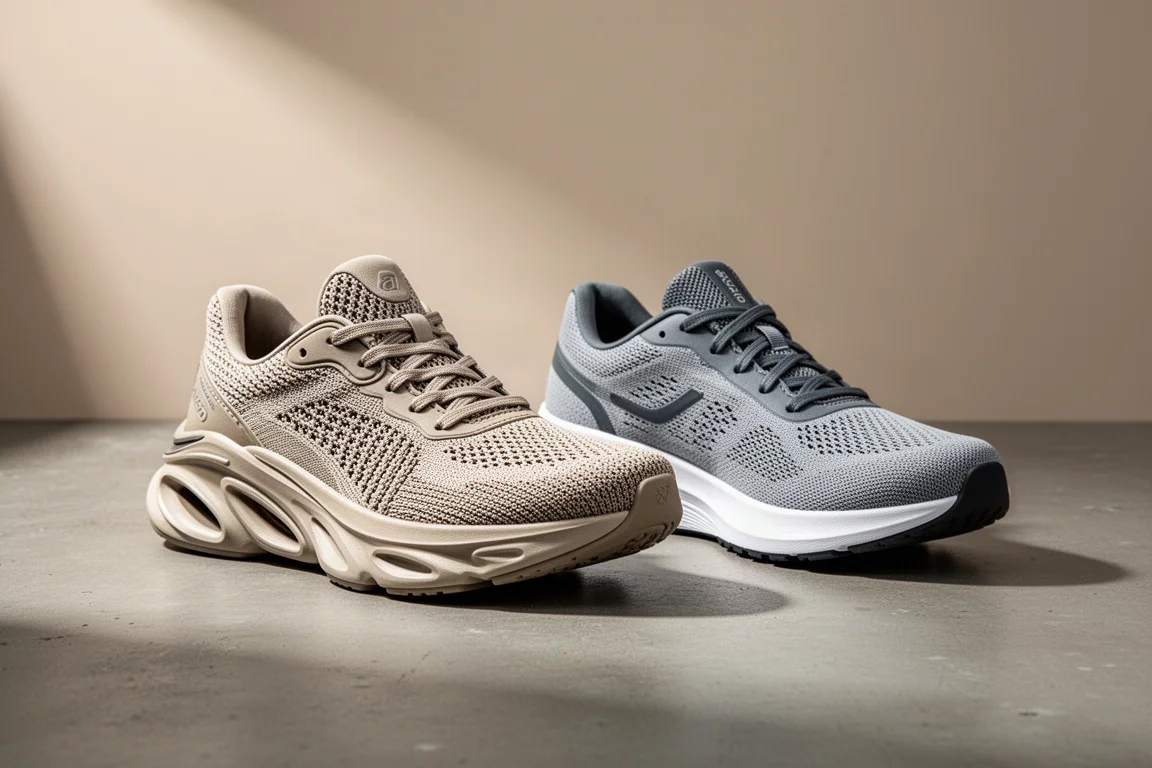
The Asics Novablast and Nike Pegasus are two of the most popular cushioned daily trainers on the market, sitting at a similar price point and appearing on the feet of a huge range of runners. The Pegasus line has been around far longer, but the Novablast has built a serious following across six generations and may even have edged ahead of the Nike in popularity right now.
This comparison covers weight, stack height, materials, fit, and ride feel, based on around 70 km of running in the Novablast 6 and just under 60 km in the Pegasus 42, mostly at easy and steady paces with some faster workouts mixed in.
Specs: Weight, Stack Height and Price
The Pegasus 42 is the slightly cheaper shoe at £130 in the UK ($145 in the US), while the Novablast 6 costs £140 ($155). The bigger difference is on the scale: the Novablast weighs 262 g (9.2 oz) in a UK 9 / US 10, versus 305 g (10.8 oz) for the Pegasus in the same size.
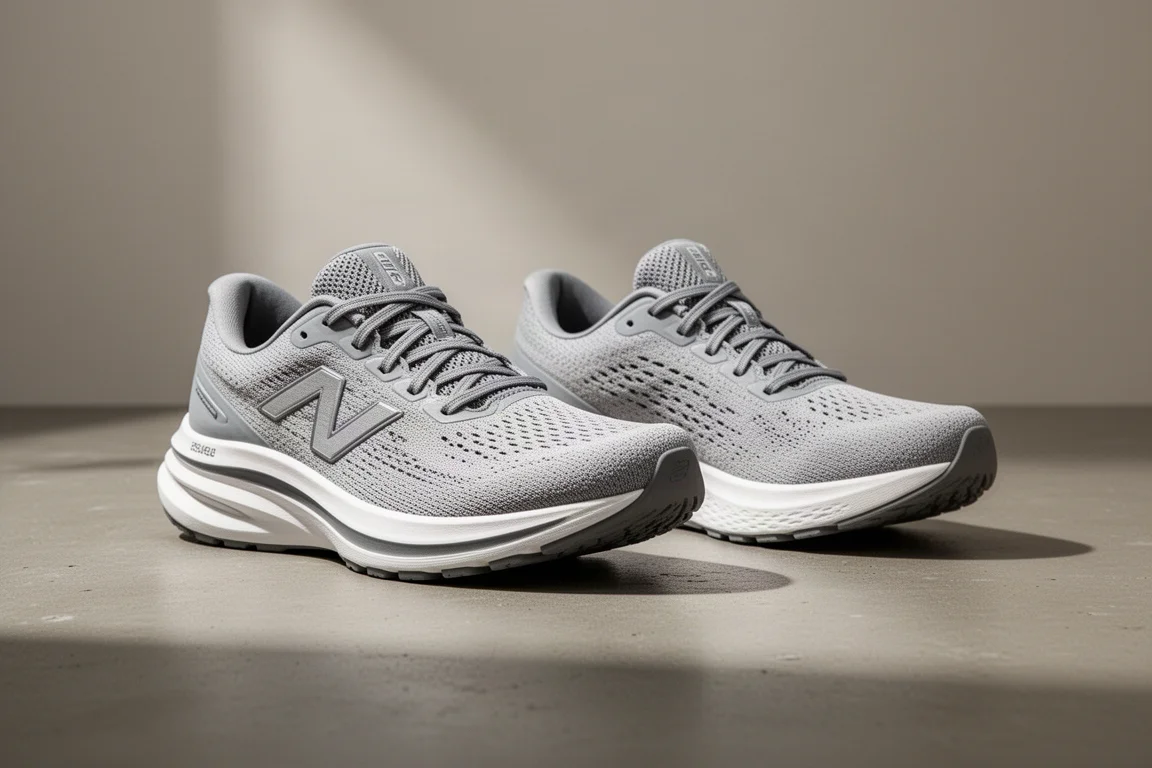
Stack heights also differ noticeably. The Pegasus uses a 10 mm drop with 37 mm at the heel and 27 mm at the forefoot. The Novablast has an 8 mm drop but a much taller 41.5 mm heel and 33.5 mm forefoot, so it delivers more cushioning despite being the lighter shoe.
Design and Materials
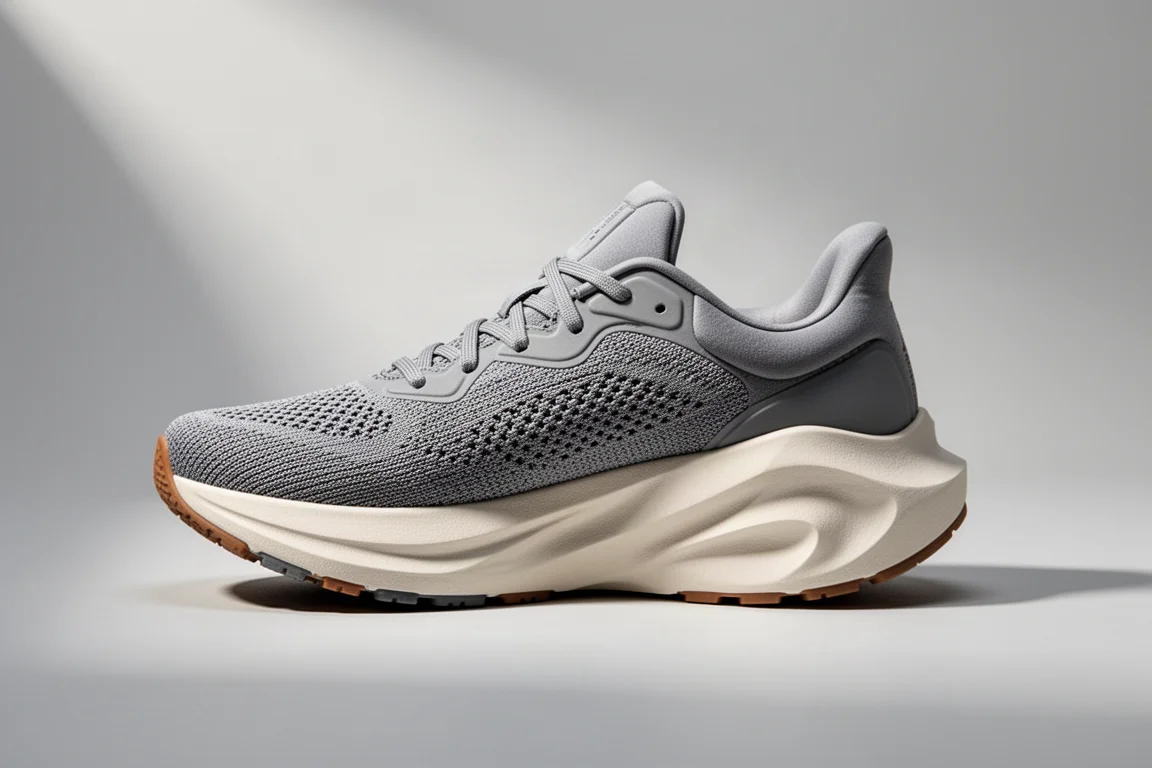
The Novablast 6 uses a woven upper with minimal padding around the tongue but generous padding around the collar, plus an internal heel counter for support. Its midsole combines two foams: FF Blast Max as the main material, with a puck of the more responsive FF Turbo Squared in the forefoot to add extra energy return. The outsole mixes two rubbers, with AHAR low rubber mainly around the heel for durability and Asics grip rubber at the front for improved traction.
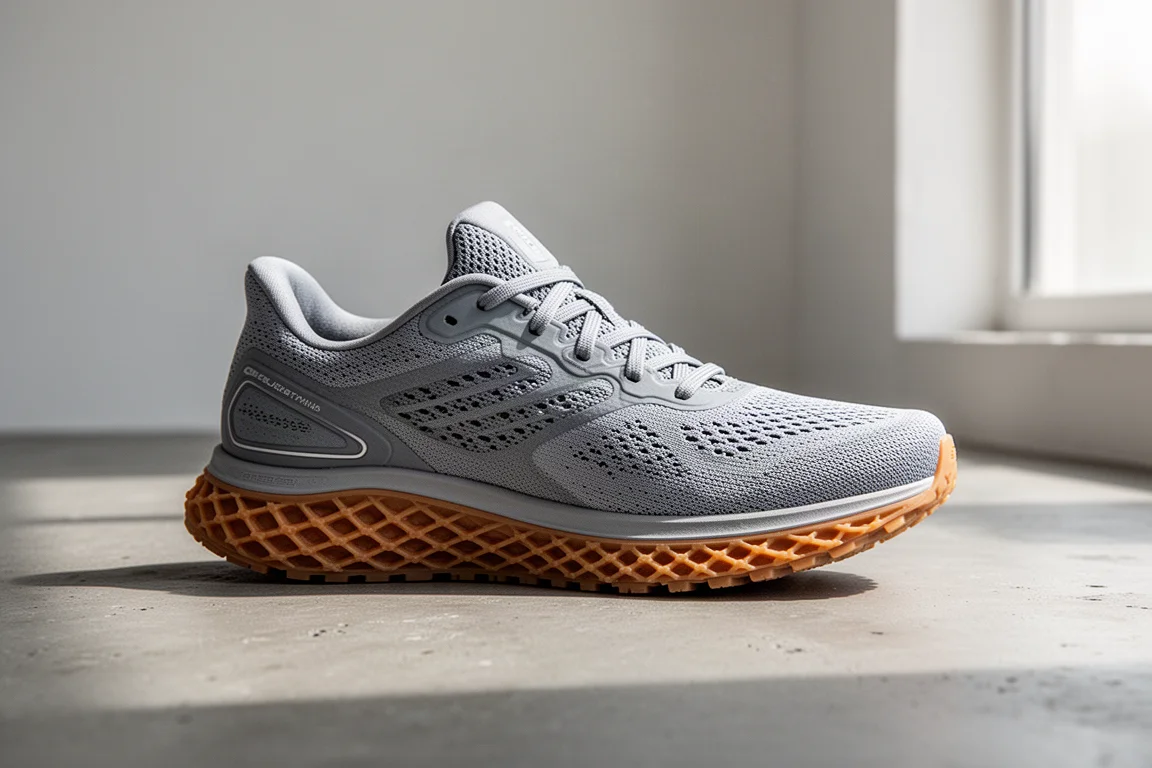
The Pegasus 42 goes with a mesh upper, more heavily padded on the tongue than the Novablast but slightly less padded around the collar, again with a large internal heel counter. Its midsole is mostly ReactX with a full-length Air Zoom pod designed to add responsiveness, though it does not make the shoe especially stiff. The Pegasus also has a more extensive outsole with slightly thicker rubber and waffle tread in the forefoot.
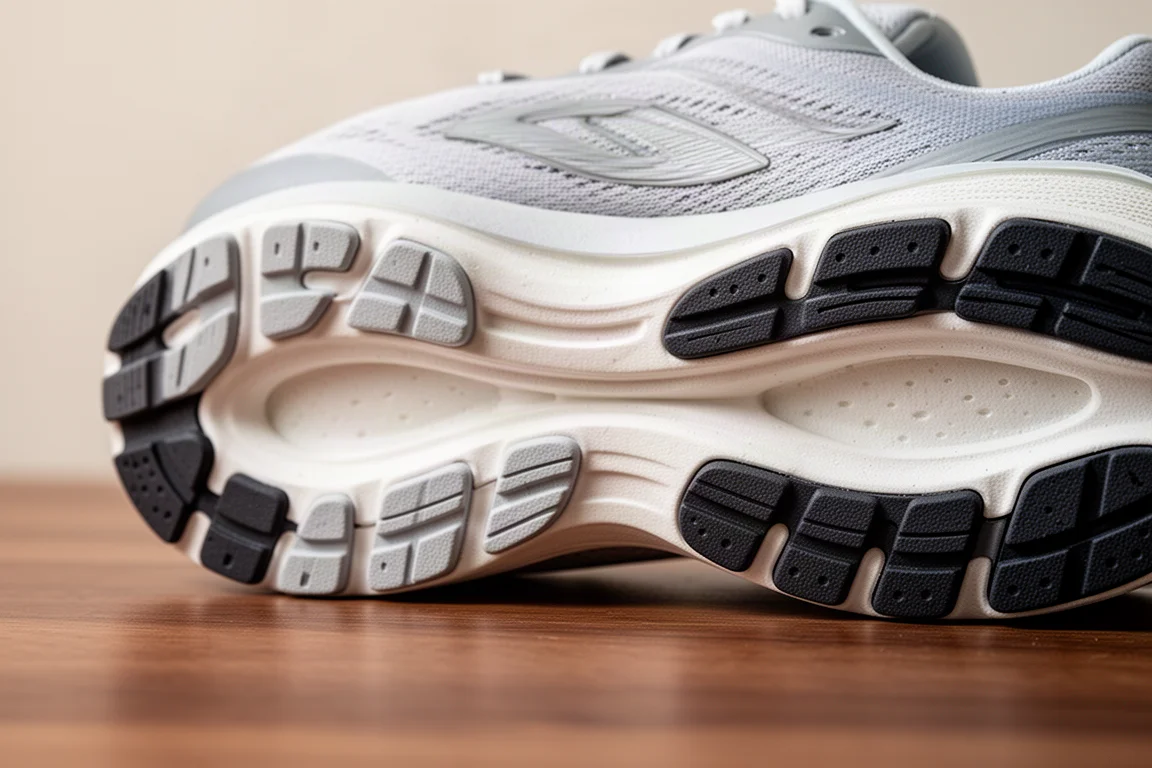
Overall, the Nike’s outsole looks the more durable of the two, which is worth factoring in if you log high mileage on rough surfaces.
Fit and Uppers
Both shoes fit true to size in a normal running shoe size, and both brands are generally consistent with their sizing across their ranges. There is good toe room and a solid hold around the heel and midfoot in both.
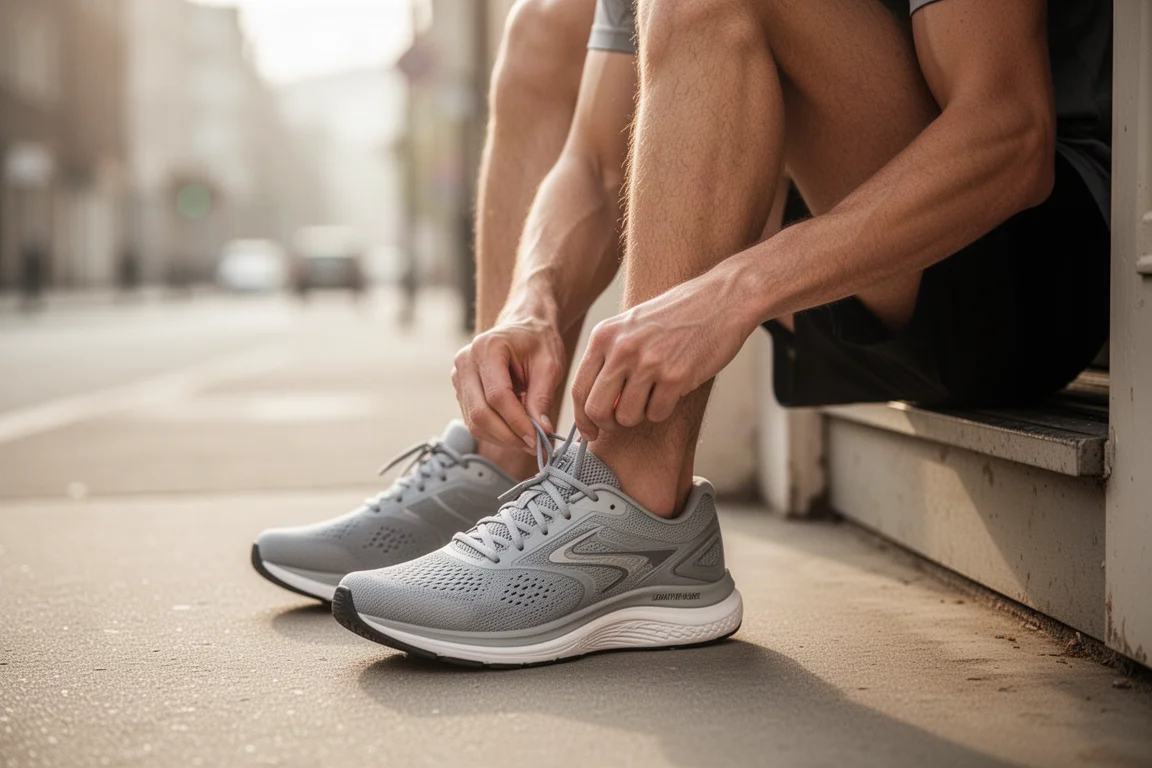
Both uppers are comfortable and disappear on foot once laced up. The Novablast’s extra padding at the rear can run a little warm in sunny weather, but breathability has not been a major concern in cooler UK conditions.
Ride Feel and Performance
The Pegasus sticks to a traditional formula: higher drop, lower stack, a firmer midsole feel, and a snappy but not heavily rockered ride. It does a decent job on easy runs, with a solid wedge of heel cushioning to protect the legs. However, it lacks real response at faster paces and can feel cumbersome and a bit dull at steady speeds or in workouts. Because it is relatively low stack under the forefoot, longer stretches of steady running as a heel striker can also lead to some forefoot discomfort.
The Novablast 6 is the more comfortable and more versatile shoe. It feels softer than the Nike under the heel, yet more responsive and energetic under the forefoot thanks to the FF Turbo Squared foam. It rolls through the stride a little more smoothly, and being considerably lighter with a high-energy foam, it has enough pace for tempo runs and workout sessions. Whatever the pace, the ride simply feels more enjoyable.
Overall Buying Advice
For pure running, the Novablast 6 has the clear edge: it is lighter, more cushioned, more comfortable, and more versatile from easy recovery runs up to tempo work. It would suit a new runner wanting one shoe for everything, anyone who prefers a cushioned shoe for all their runs, someone building a rotation around a cushioned daily, or even a first-time marathoner looking to race in it.

The Pegasus 42 still earns its place as a crossover generalist. It is comfortable for walking, works well in the gym, looks good as an everyday shoe, and should be more durable. It is also better value, likely appearing in sales sooner and with bigger discounts, and it handles the odd run perfectly well. If you are not running high weekly mileage and need one shoe that covers running, gym, and daily wear, it remains a solid choice.
Conclusion
Picking between these two comes down to purpose. As a running shoe, the Asics Novablast 6 is the easy winner, arguably among the best cushioned daily trainers available right now and worth the small price premium for its lighter, more energetic and more enjoyable ride. The Nike Pegasus 42 remains a dependable, durable generalist with genuine appeal beyond running. If your priority is the run itself, choose the Novablast; if you want one shoe for everything, the Pegasus is the safer bet.
Further reading
Related Reviews

Running Shoes
Best Road-to-Trail Running Shoes: Three Versatile Options for Mixed Terrain
A practical guide to three road-to-trail running shoes that handle both pavement and mild trails, with clear strengths and trade-offs for different runner types.

Running Shoes
Best Running Shoes for Achilles Tendonitis: Three Options Explained
Three running shoes with different heel drops and support features designed to help reduce Achilles tendon pain during walking and running.

Running Shoes
Best Running Shoes for Women: Five Top Choices Ranked
A ranked guide to five women's running shoes, from versatile daily trainers to high-performance racing options, with real strengths and trade-offs for each.