Running Shoes
Asics Novablast 6 vs Adidas Evo SL: Which Daily Trainer Should You Buy?
Two of the most capable non-plated daily trainers on the market, compared on fit, ride, stability, and the kind of running each one does best.
Introduction
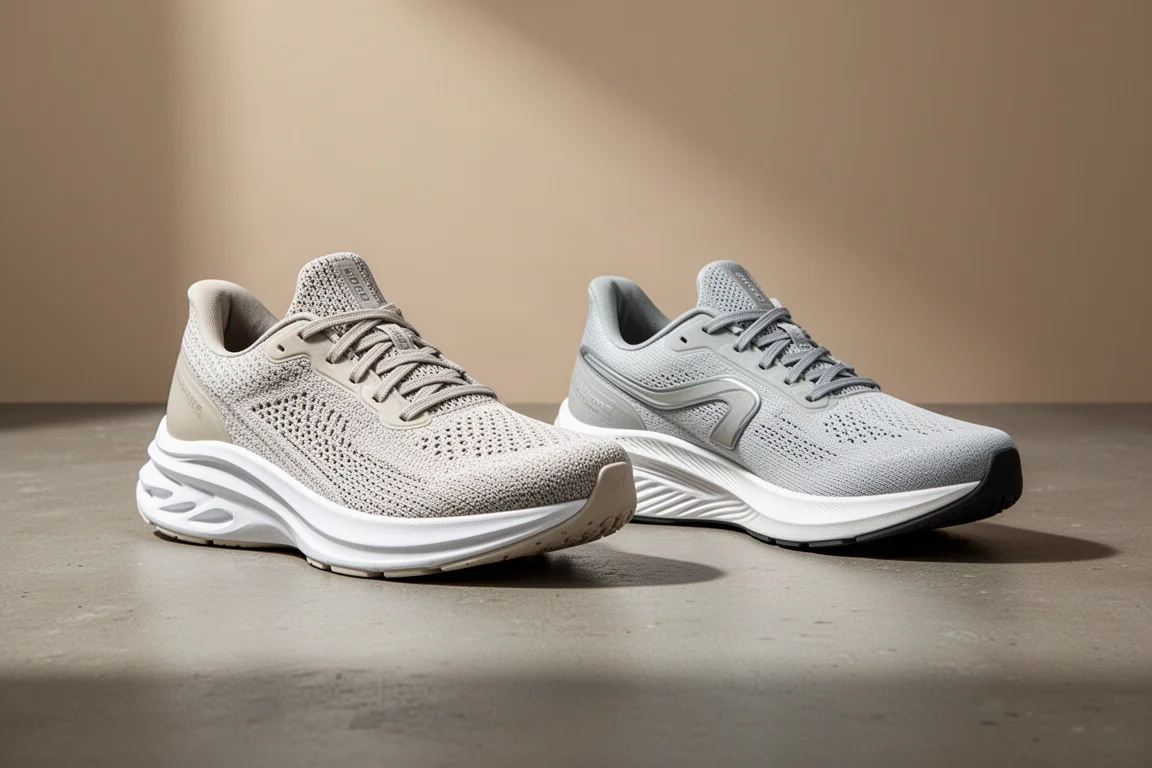
The Asics Novablast 6 and the Adidas Evo SL are two of the strongest non-plated daily trainers you can buy right now. Both are versatile, both handle a wide range of paces, and both sit in that accessible price band of roughly 140 pounds or 150 dollars, making them genuinely good value for what they cover.
They are not interchangeable, though. The Novablast 6 leans toward the cushioned, stable end of the daily trainer spectrum, while the Evo SL is the leaner, lighter, speed-focused option. If you are choosing one shoe to do everything, the decision comes down to the kind of running you actually do.
Fit and Sizing
The clearest practical difference between these two shoes is sizing. The Novablast 6 fits true to size and is very accommodating: a spacious forefoot, an average-width midfoot with a little give, and a comfortable, breathable canvas-feel upper. It is the more padded and snug build of the two, especially around the heel collar, which some runners may find soaks up sweat on hot days.
The Evo SL runs short. Several of our testers found they needed to go up half a size to get proper toe room, so it is worth trying both your usual size and half a size up before committing. Its fit is leaner and slightly racier, with a thinner tongue and less heel padding, and the laces and tongue have been a recurring point of contention for some runners, even though the toe box itself offers good space.
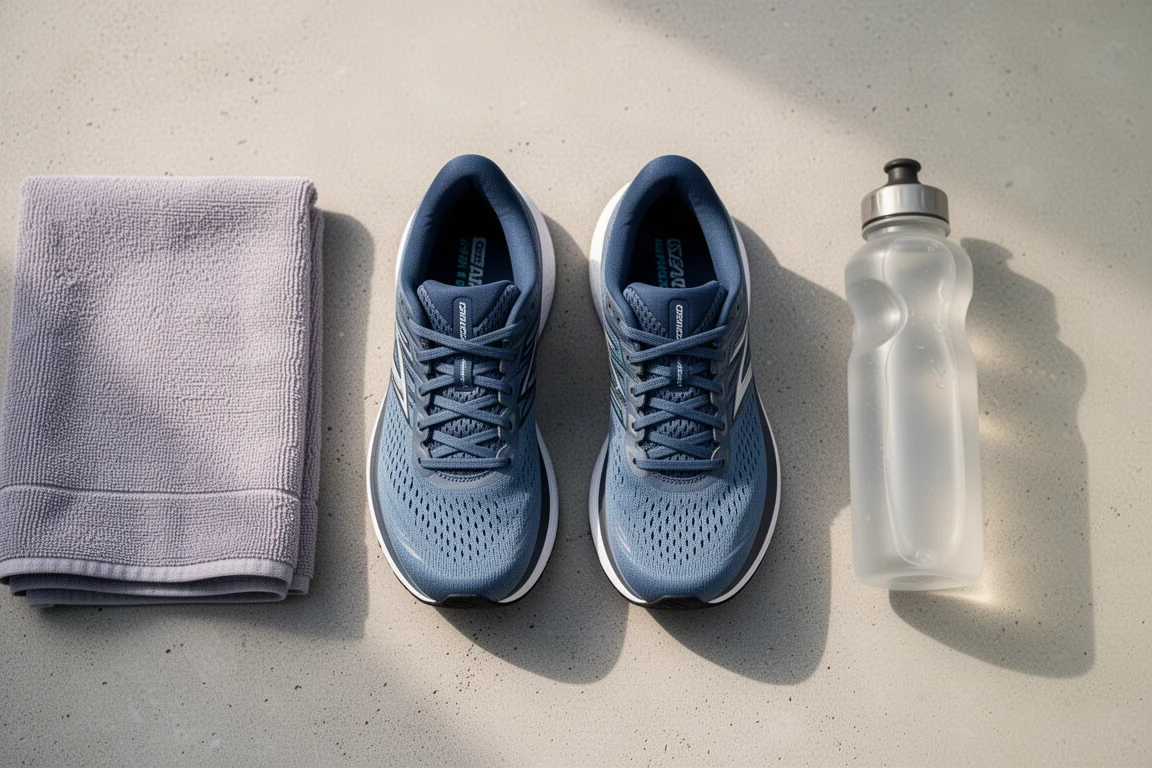
In short: go true to size in the Novablast 6, and experiment with a half size up in the Evo SL if your toes feel cramped.
Ride and Performance
Both shoes handle mixed paces well, but they excel in different places. The Evo SL uses Lightstrike Pro foam that feels bouncy, lively, and slightly aggressive at faster turnovers. Its sharp forefoot rocker pushes you forward, and at speed it is not far off the feel of a carbon-plated racing shoe. It is especially good for short, fast reps and longer threshold workouts during marathon training.
The Novablast 6 pairs FF Blast Max foam through the midsole with FF Turbo Squared foam in the forefoot, giving it far more responsiveness than previous versions. It can handle tempo and easygoing interval work, and it transitions quickly for a cushioned shoe, but it does not match the directness or lightness of the Evo SL at top speed. What it gives back is a softer, bouncier, more protective ride with noticeably more stability on both sides of the foot.

The stability difference matters most on long runs. As fatigue sets in, the Evo SL’s rocker and midfoot foam cut-out can feel slightly less secure for some runners, while the Novablast 6 stays planted and controlled even when you ease off the pace.
Long Runs, Durability, and Grip
For anyone regularly running beyond 10 miles or building marathon volume, the Novablast 6 is the more natural choice. Its wide, cushioned heel keeps landings comfortable for hours, and the shoe stays light enough that you never feel like you are wading through soft foam. It is a genuinely good long run shoe with a nice amount of energy return.
The Evo SL remains comfortable at easy paces and is a great easy-to-steady shoe, but its comfort window narrows at the longest distances. One tester’s honest summary: he would not want to go much beyond a couple of hours in the Evo SL, but would happily spend days plodding along in the Novablast 6.

On grip, the Novablast 6 carries a slightly higher level of rubber and feels more at home on park paths and uneven routes. The Evo SL is best kept to roads and pavement, which is exactly where its smooth Continental rubber performs well.
Outsole, Grip, and Long-Term Durability
Both outsoles are well executed for their designs. The Novablast 6 has a good level of rubber with solid coverage and a grooved exposed midsole that should resist wear reasonably well. The Evo SL combines smooth rubber across the top with clear rubber at the rear, and despite its lightweight build it grips confidently on tarmac with no issues reported in testing.
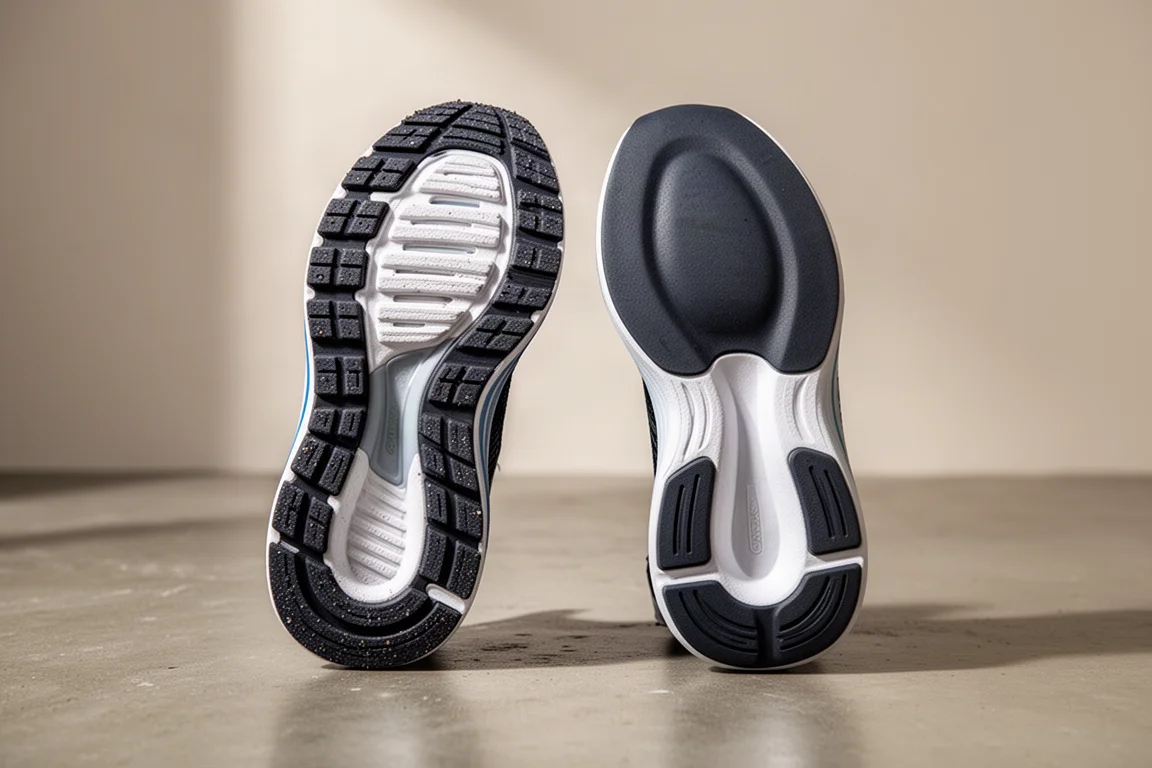
Durability should favour the Novablast 6 slightly, thanks to the extra rubber, though the gap is not huge. If your routes wander off flat pavement, the Novablast is the safer pick.
Buying Advice
If you are a speed-focused runner covering mostly shorter distances up to around 10K to 15K, the Evo SL will cover everything you do at a very high level. It also shares DNA with the Adios Pro 4, making it a natural training partner for that racing shoe.
If you are marathon training, a newer runner, a heavier lander, or someone who wants a slightly more stable and comfortable shoe for all your runs, the Novablast 6 is the better fit. Beginners and runners who mostly run easy with the occasional fast session will get more from it too.
Of course, the strongest option may be both. Paired together they make a fantastic two-shoe rotation: the Novablast 6 as your cushioned long run shoe that still handles tempo work, and the Evo SL as your performance shoe for faster sessions.
Conclusion
These are two of the most capable and versatile daily trainers available right now, and both represent strong value. If you want everyday versatility with a faster edge, choose the Adidas Evo SL. If you want an all-rounder with comfort and stability nailed, the Asics Novablast 6 is the one. Neither choice leaves you short-changed.
Product link
View more details for Asics Novablast 6
This product is mentioned in the review. Check the specifications, options, and compatibility before buying.
View more details for Asics Novablast 6Further reading
Related Reviews

Running Shoes
Best Road-to-Trail Running Shoes: Three Versatile Options for Mixed Terrain
A practical guide to three road-to-trail running shoes that handle both pavement and mild trails, with clear strengths and trade-offs for different runner types.

Running Shoes
Best Running Shoes for Achilles Tendonitis: Three Options Explained
Three running shoes with different heel drops and support features designed to help reduce Achilles tendon pain during walking and running.

Running Shoes
Best Running Shoes for Women: Five Top Choices Ranked
A ranked guide to five women's running shoes, from versatile daily trainers to high-performance racing options, with real strengths and trade-offs for each.