Running Shoes
Asics Novablast 5 vs Adizero SL2, Fresh Foam 1080 v13 and Superblast 2
Four daily trainers compared side by side: where the Novablast 5 wins, and when each rival is the smarter buy.
Introduction
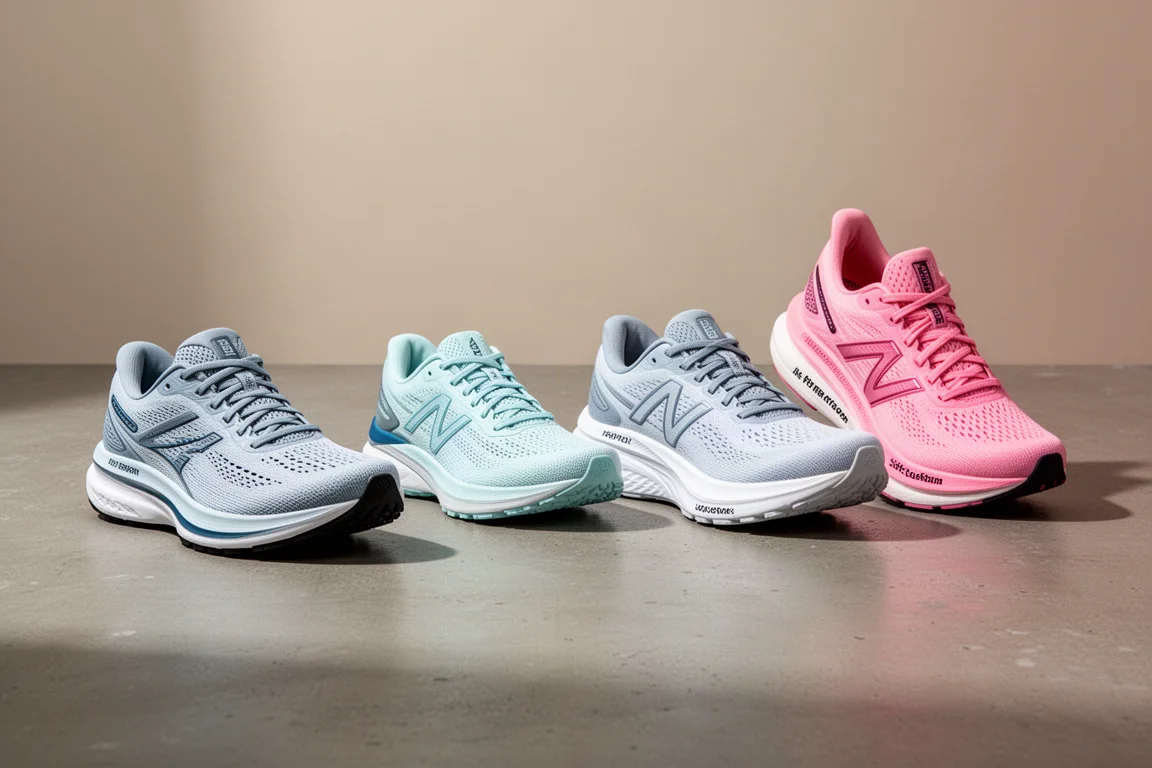
Few daily trainers have generated as many questions lately as the Asics Novablast 5, and with good reason: it sits right in the sweet spot of what an everyday running shoe should be. But it exists in a crowded market where every rival is specialized for something. Here is how it stacks up against three popular alternatives, with clear guidance on which shoe to pick for which job.
How we evaluated these trainers
Each comparison is based on substantial real-world mileage: well over 100 miles in the Adizero SL2 and the 1080, roughly 70 to 80 in the Superblast 2, and growing mileage in the Novablast 5. The evaluation focuses on the things that matter for daily training: cushioning, versatility across paces, stability, grip, weight, and value.
Asics Novablast 5: the versatile benchmark
The Novablast 5 is a true daily trainer. It feels right the moment you put it on: not too tight, not too loose, not too soft, not too firm. The base is wide and supportive, the upper is comfortably padded, and the shoe handles a broad range of paces without complaint. On strides it will not give you race-day pop, but the toe spring makes it easy to get up on the forefoot and it never holds you back.
That versatility is its identity. If you are running your first marathon, it will leave you supported, comfortable, and confident. If you are chasing a fast time, it is not the optimal shoe. For everyday miles at 60 to 70 miles a week during marathon training, it can confidently carry the bulk of your running, with other shoes reserved for speed work. Wet-weather grip is its one notable weakness.
Adidas Adizero SL2: the fast, lightweight option
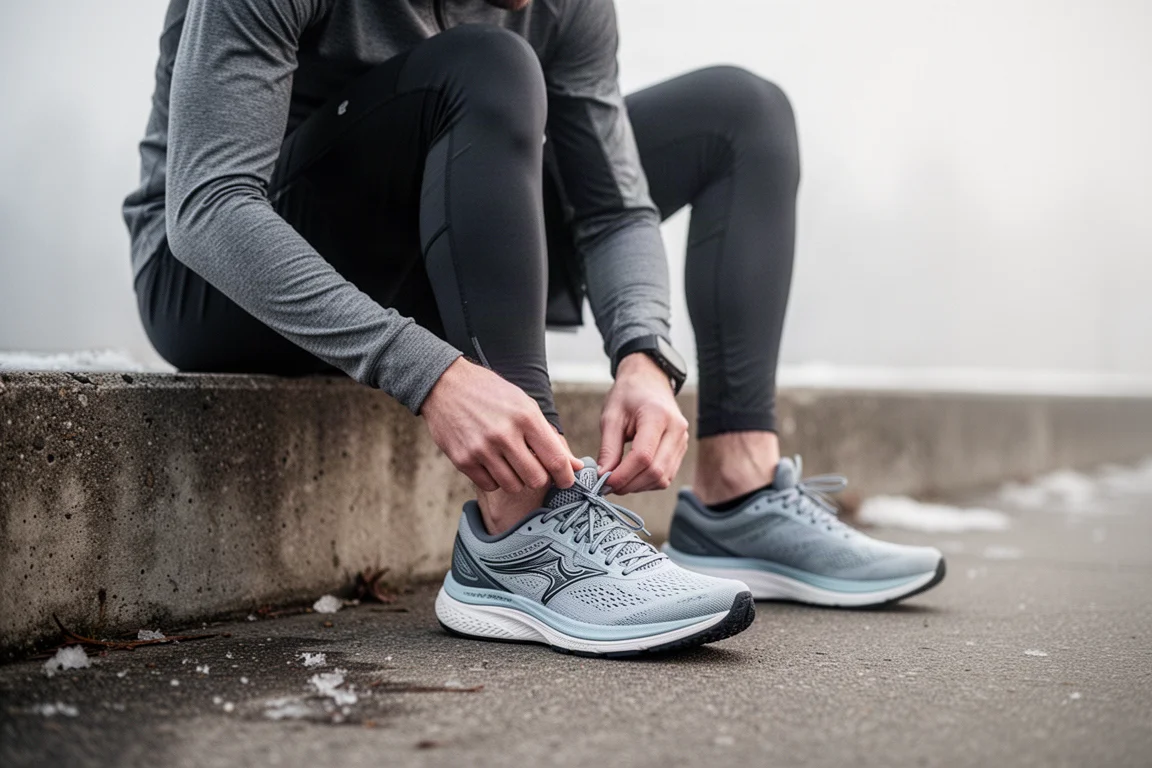
At $130, the Adizero SL2 uses Lightstrike Pro race foam, a slightly higher 9mm drop (versus 8mm), and noticeably less midsole foam. The result: more flexibility, more ground feel, and roughly 20 grams less weight than the Novablast 5 in a comparable size. It is also softer underfoot than its predecessor.
Pick the SL2 when speed is the priority. It is the better choice for workouts, faster daily miles, and wet-weather grip. On light gravel and off-road paths it also performs well with better rubber, though the Novablast 5 offers more protection from rocks. For stability and long-run comfort, the Novablast 5 wins. Price is very similar, with some SL2 sizes occasionally available at a discount.
View more details for Adidas Adizero SL2
New Balance Fresh Foam 1080 v13: maximum softness
At $165, the 1080 v13 sits at the opposite end of the spectrum. It is the plush, relaxed, recovery-mile specialist. If soft, cozy cushioning is what you want, this is the shoe. It is also a good winter pick, since even when the midsole firms up in the cold, its baseline softness keeps it from feeling harsh.
The trade-offs are real. It is not a shoe for pace pickups or strides, and on a 20-mile long run the softness starts to feel like it is on the verge of bottoming out for a mid-weight runner. The Novablast 5, by contrast, is softer than its own previous version but never feels that way, and offers far better stability. The 1080 also edges out the Novablast on wet-weather grip. If you want true recovery-day comfort, this is it; if you want versatility and long-run performance, the Novablast 5 is the better deal at $140.
Asics Superblast 2: firmer, taller, race-foam trained
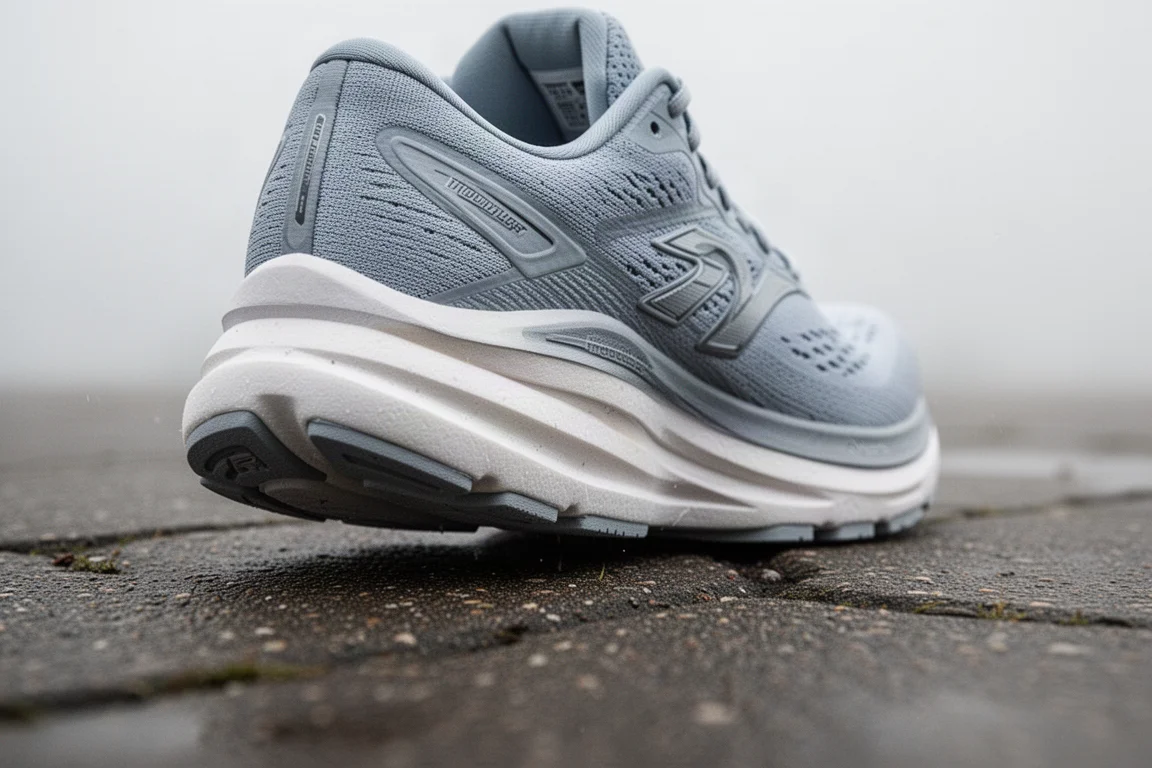
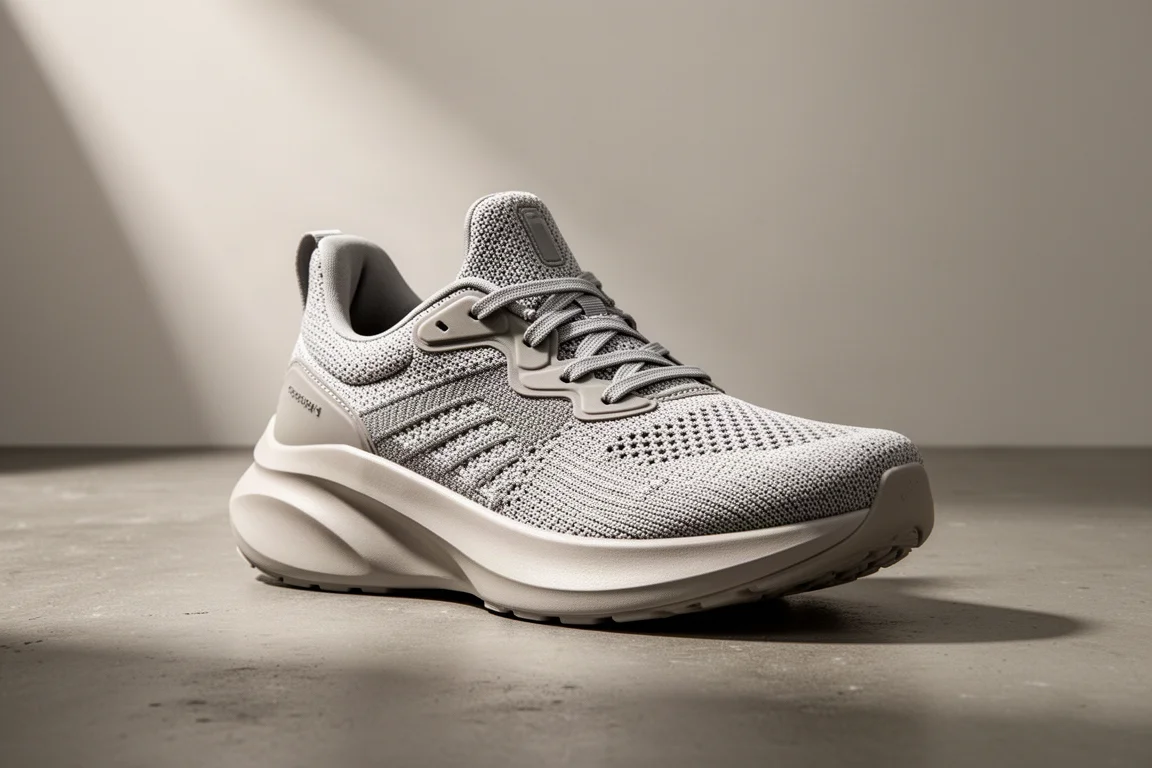
At $200, the Superblast 2 is the most expensive trainer in the Asics lineup. It uses firmer race foam in the midsole, runs slightly lighter and on a higher stack than the Novablast 5. When you can activate that foam through your stride or body weight, the bounce is excellent and it makes holding paces easier. Fans love it for exactly that reason.
For most people, though, the Novablast 5 is the more sensible buy: $60 cheaper, easier to run in, and only 15 to 20 grams heavier, a difference you will barely notice. Where the Superblast 2 genuinely earns its keep: heavier runners who load the platform, marathon training with long runs at marathon pace in the 3:30 to 4:30 range, superior wet-weather grip, and better durability if you dislike buying shoes often. Stability and protection are roughly equal between the two, with a slight edge in protection to the Superblast 2.

View more details for Asics Superblast 2
Overall buying advice
The pattern across all three comparisons is consistent. The Novablast 5 is the versatile all-rounder and one of the best-value do-it-all trainers at $140. The SL2 wins on speed, weight, and grip. The 1080 v13 wins on pure softness for relaxed miles. The Superblast 2 wins for heavier or pace-focused runners who want a firmer, taller platform, provided the price does not bother you.
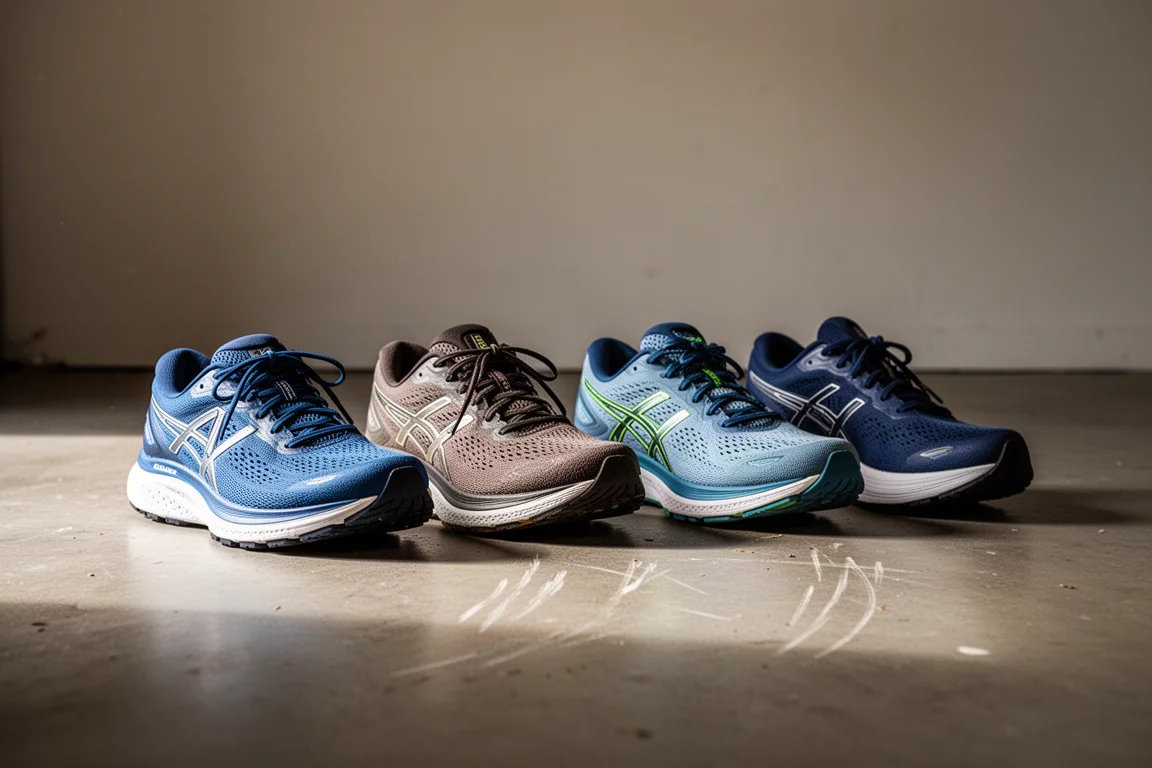
If you are choosing a single shoe to handle most of your weekly mileage, the Novablast 5 is the one that fits the widest range of runners. Add the SL2 for workouts, the 1080 v13 for recovery days, or the Superblast 2 for serious marathon training, and you have a complete rotation.
Conclusion
There is no single best daily trainer, only the right shoe for the right use case. The Novablast 5 earns its spot as the default recommendation for everyday miles, while each rival rewards a more specific need. Match the shoe to the miles you actually run and you will be happy with any of them.
Further reading
Related Reviews

Running Shoes
Best Road-to-Trail Running Shoes: Three Versatile Options for Mixed Terrain
A practical guide to three road-to-trail running shoes that handle both pavement and mild trails, with clear strengths and trade-offs for different runner types.

Running Shoes
Best Running Shoes for Achilles Tendonitis: Three Options Explained
Three running shoes with different heel drops and support features designed to help reduce Achilles tendon pain during walking and running.

Running Shoes
Best Running Shoes for Women: Five Top Choices Ranked
A ranked guide to five women's running shoes, from versatile daily trainers to high-performance racing options, with real strengths and trade-offs for each.