Running Shoes
Asics NovaBlast 5 vs SuperBlast 3: Which Daily Trainer Should You Buy?
Two of the most popular shoes in the Asics lineup go head to head. We compare fit, foam, ride, versatility, and value to help you decide where your money is best spent.
Introduction
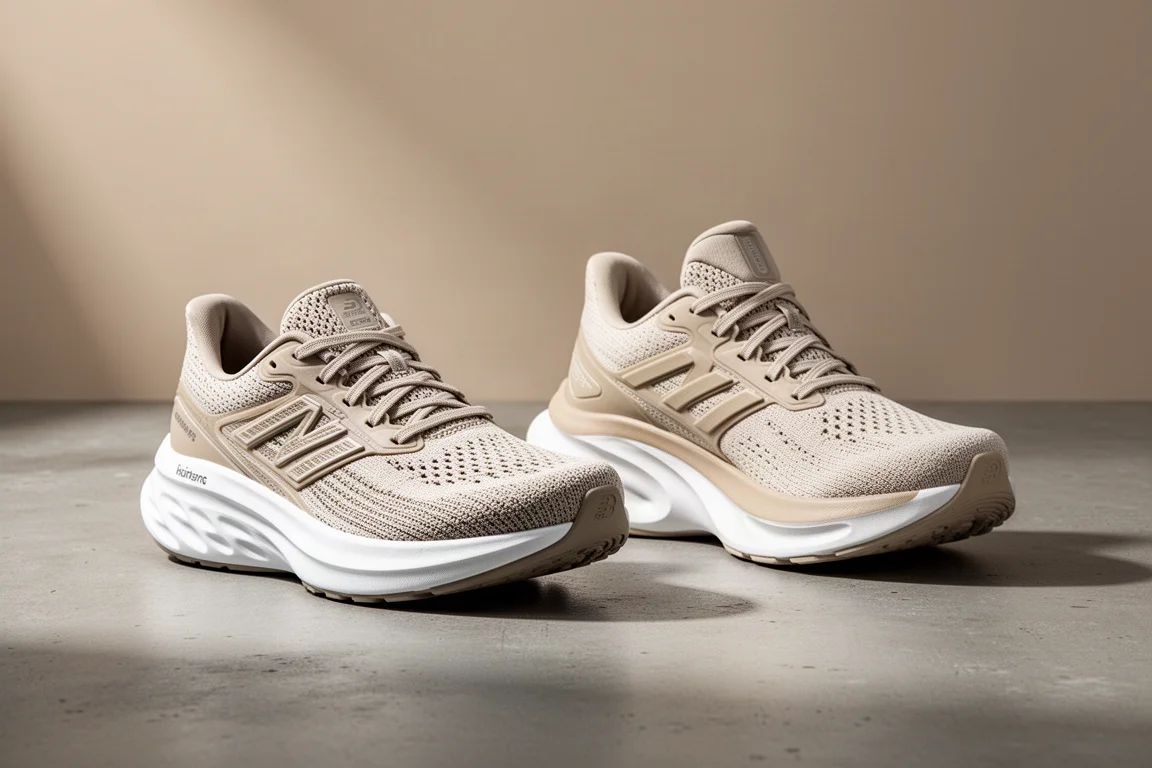
The Asics NovaBlast 5 and SuperBlast 3 are two of the most popular shoes in the Asics lineup outside of its racing range, and they sit at very different prices. That raises an obvious question: do you need to spend more on the SuperBlast 3, or can you spend less and still get a similar experience from the NovaBlast 5?
We put meaningful mileage into both shoes across easy runs, steady runs, long runs, and faster sessions to find out where each one shines and which type of runner each shoe suits best.
Fit and Sizing: True to Size in Both
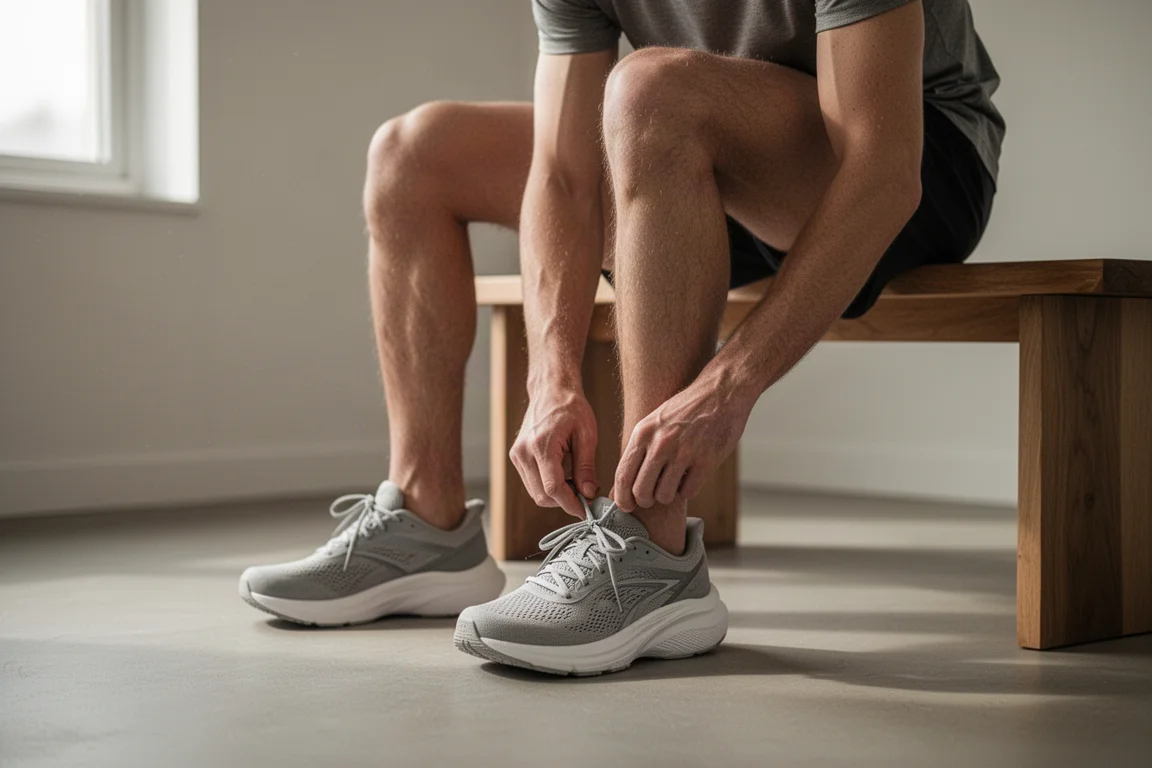
Both shoes fit true to size for testers who wear their usual Asics running shoe size, with no need to size up or down. The fit is roomy around the toes with a comfortable, well-padded hold around the heel and midfoot that is not overdone, and the uppers never feel restrictive.
The two shoes are nearly identical in fit. The SuperBlast 3 offers slightly more room before the big toe and appears to have a marginally higher toe box, which makes it feel a touch more comfortable overall, but the difference is small. Most runners will be fine going with their usual size in both.
Foam and Ride Feel
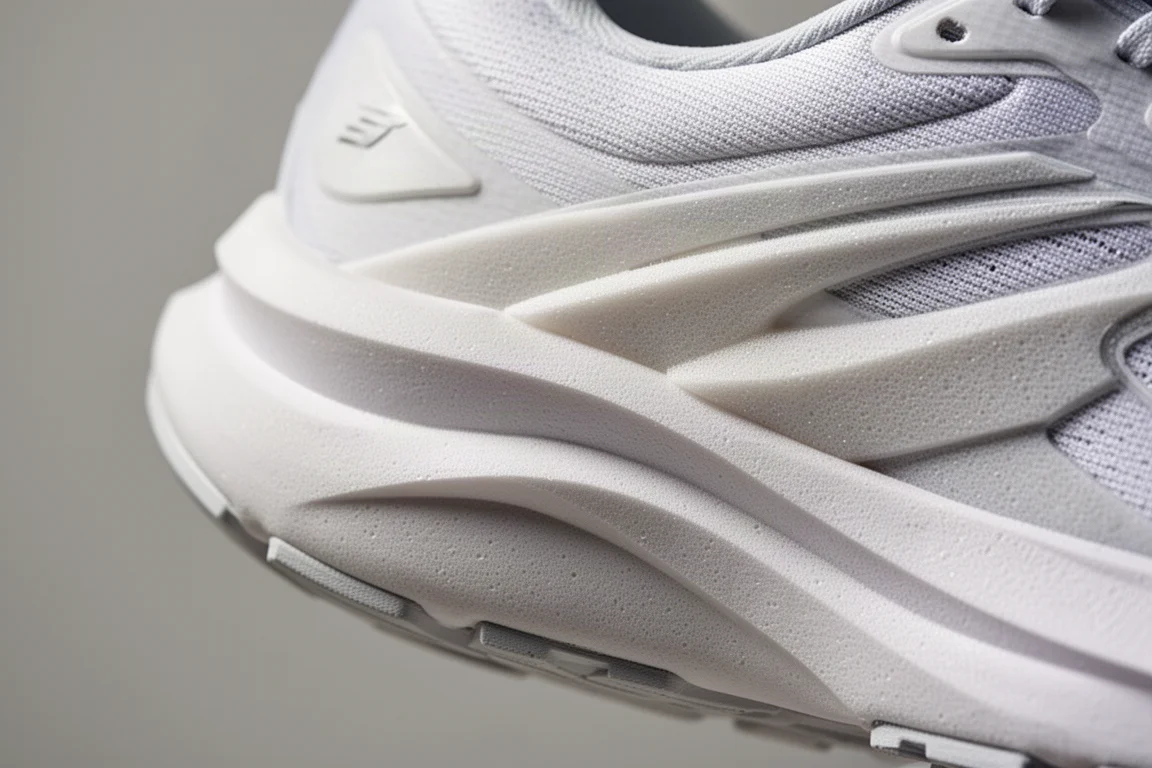
This is where the two shoes genuinely diverge. The NovaBlast 5 uses a full FF Blast Max midsole, a newer foam for the NovaBlast line that feels softer and prioritizes comfort. It works best at comfortable daily paces and on slightly longer cruising runs of around 8 to 9 miles.
The SuperBlast 3 uses FF Blast foam, the same foam that works well in Asics racing-focused shoes such as the Metaspeed Sky. Despite the NovaBlast 5 already being a soft shoe, the SuperBlast 3 feels even softer, and it is noticeably bouncier. That extra energy return makes it the faster shoe of the pair, responding better at tempo and threshold paces and even handling 800-meter track reps acceptably, though its big and long shape limits outright speed performance.
Stability is worth considering too. Neither shoe is unstable, but the NovaBlast 5 feels the more stable and controlled of the two. If stability is a key part of your decision, the NovaBlast 5 will feel more reassuring underfoot. Weight is another interesting point: although the SuperBlast 3 looks like a bigger shoe, it is actually the lighter of the two, and the NovaBlast 5 is not a heavy shoe either.
Versatility: What Each Shoe Does Best
Both shoes are well suited to long runs, easy runs, and easy-to-steady running. The SuperBlast 3 is simply more enjoyable in those situations because its ride is bouncier, livelier, and more fun. It is also the more versatile shoe overall, and one tester ran the Seville Marathon in it at a comfortable pace of around 5:10 per kilometer with very positive results.
The NovaBlast 5 is a much more traditional daily trainer. It is now a max-stack shoe, which is the modern standard, and it does a very solid job of daily training: comfortable, stable, rolling along well, reasonably lightweight for a cushioned shoe, and with a bit of versatility of its own. It is simply not as fun or as responsive as the SuperBlast.

The character of the SuperBlast line has also shifted. The SuperBlast 2 was a specialist that excelled at long, smooth, consistent tempo cruising but was less impressive on easy runs and intervals. The SuperBlast 3 has gone softer, making it much better at easy runs and more capable across the daily range, though it no longer dominates the tempo niche in the same way. The trade-off is that it has become something of a jack-of-all-trades, while the NovaBlast 5 is a jack-of-all-trades that simply does everything a little less impressively.
On durability, the SuperBlast 3 surprised with strong grip over high mileage, and the NovaBlast 5 is expected to hold up similarly well as a solid daily performer.
The Verdict
You largely get what you pay for here, but that does not automatically make the SuperBlast 3 the right pick. The NovaBlast 5 is considerably cheaper, it is the older shoe and likely to appear in sales, and the honest answer to whether most runners need to spend SuperBlast money is no.
If you are a newer runner, the NovaBlast 5 is the sensible first choice. It is a genuinely excellent, comfortable cushioned shoe that will happily cover your daily miles and long runs. If you just need a dependable workhorse daily trainer, it does that job perfectly well while saving you money, though you will give up some ride quality and speed.
If you want one shoe to do everything and the price difference does not concern you, the SuperBlast 3 is the more impressive option. It is more fun, bouncier, comfier, and faster, and it works for tempo sessions, reps, and even as a very comfortable racing shoe for marathon distances. Its max-stack cushioning also makes it the more comfortable choice for long runs. One tester noted it may have gone slightly too soft for their personal taste, which is worth keeping in mind if you loved the firmer tempo focus of the SuperBlast 2.
Conclusion
The SuperBlast 3 does everything the NovaBlast 5 does, just slightly better: better foam, nicer feel on easy runs, more energy return, and more versatility. Whether that justifies the higher price comes down to budget and priorities. Spend up if you want the best possible daily ride and an all-rounder with real speed capability. Save your money and choose the NovaBlast 5 if you want a comfortable, capable daily shoe without the premium, and you likely will not feel like you are missing much.
Product link
View more details for ASICS Novablast 5
This product is mentioned in the review. Check the specifications, options, and compatibility before buying.
View more details for ASICS Novablast 5Further reading
Related Reviews

Running Shoes
Best Road-to-Trail Running Shoes: Three Versatile Options for Mixed Terrain
A practical guide to three road-to-trail running shoes that handle both pavement and mild trails, with clear strengths and trade-offs for different runner types.

Running Shoes
Best Running Shoes for Achilles Tendonitis: Three Options Explained
Three running shoes with different heel drops and support features designed to help reduce Achilles tendon pain during walking and running.

Running Shoes
Best Running Shoes for Women: Five Top Choices Ranked
A ranked guide to five women's running shoes, from versatile daily trainers to high-performance racing options, with real strengths and trade-offs for each.