Running Shoes
ASICS Novablast 5 vs Superblast 2: A 100-Mile Durability Comparison
After 100+ miles on both trainers, we compare the softer, lighter Novablast 5 against the firmer, more protective Superblast 2 to see which one deserves your money.
Introduction
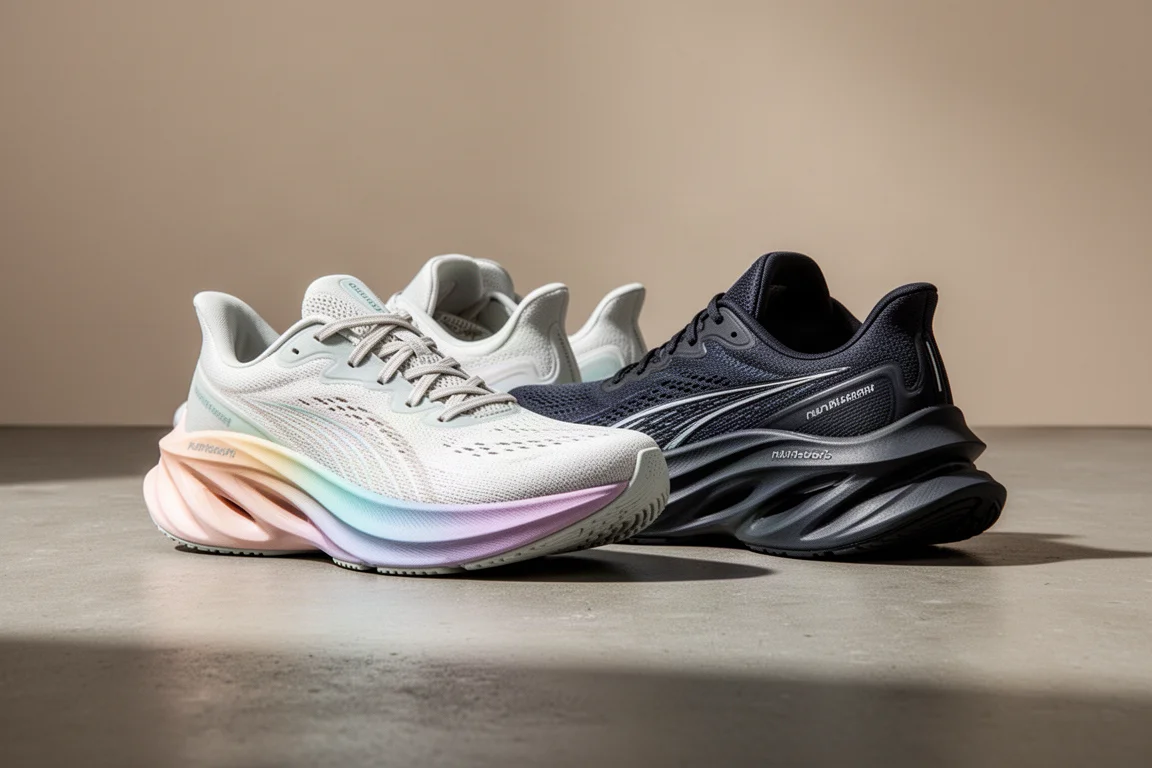
ASICS has two of the most talked-about daily trainers on the market right now, and both of them have now passed the 100-mile mark in our testing. The Novablast 5 sits at $140 and uses the softer FF Blast Max foam, while the Superblast 2 costs $200 and packs the firmer FF Turbo Plus foam also found in ASICS race shoes.
This comparison is less about which shoe looks better on paper and more about how each one holds up once the miles accumulate: does the Novablast 5 bottom out, does the Superblast 2 finally soften up, and which one is the safer bet for most runners?
How They Held Up Past 100 Miles
The Novablast 5’s FF Blast Max foam is lightweight, comfortable, soft, and bouncy, and it keeps the good stability from the previous version. Even with foam compression measured a few millimeters lower after 100 miles, the ride still feels lively and cushioned, with no bottoming out underfoot. Some taller, more powerful runners have reported the midsole flattening out somewhere past the 100-mile point, so that is worth keeping in mind, but it has not shown up in our experience so far.
The Superblast 2 is a different story entirely. Around 150 miles in, that firmer FF Turbo Plus midsole shows no meaningful breakdown at all. It reads as firm to our foot strike and has not softened or broken in the way many owners describe. If durability is your top priority, this is the more resilient platform by a clear margin.
{{image:1}}
On the Run: Novablast 5
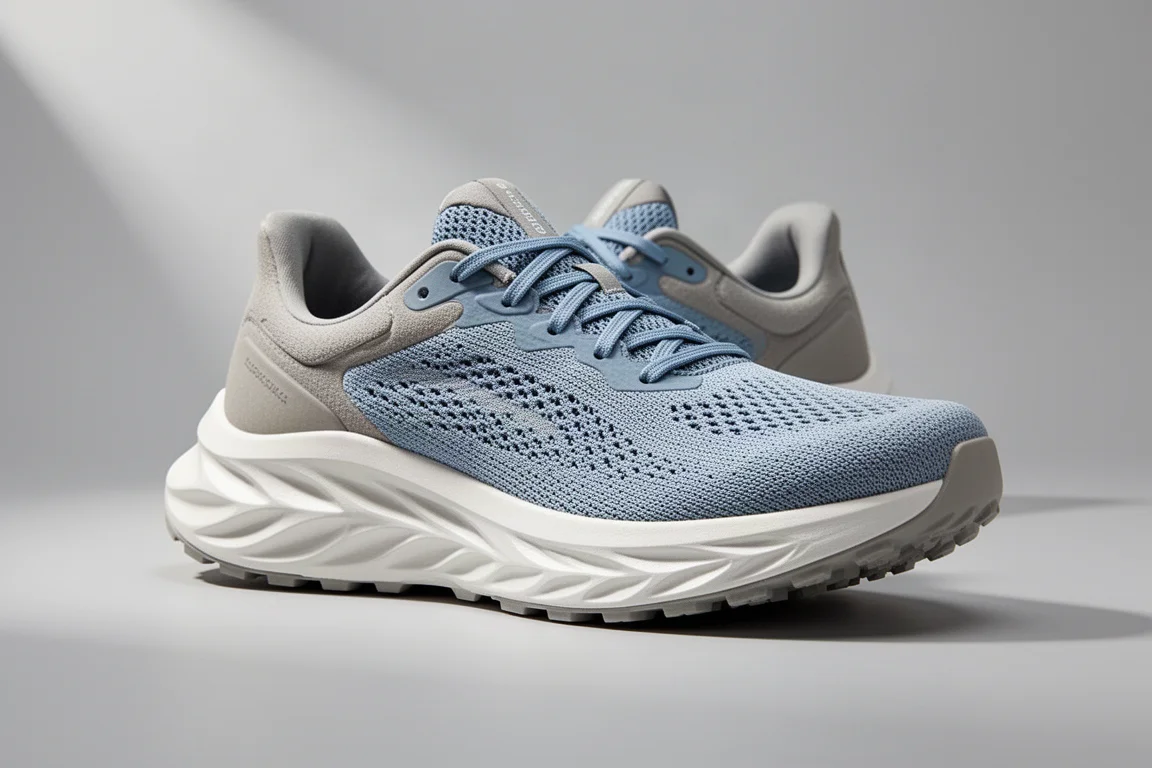
On foot, the Novablast 5 feels lower, more streamlined, and lighter than its taller sibling. The forefoot sits closer to the ground, the profile is flatter, and the fit is excellent, especially now that the upper has broken in. Even though the stack height is high on paper, it compresses over time and never quite feels like a full max-cushion shoe.
The defining trait of this shoe is that it always wants you to pick up the pace. Easy miles turn into steady miles almost by accident, because the foam is so peppy. That is mostly a strength, but it is also the one flaw as a daily trainer: on genuinely tired legs, when you are shuffling at recovery pace, the shoe feels best only when your legs have some pop and you can lean into its faster personality. For true recovery runs, a more cushioned option makes more sense.
{{image:2}}
On the Run: Superblast 2
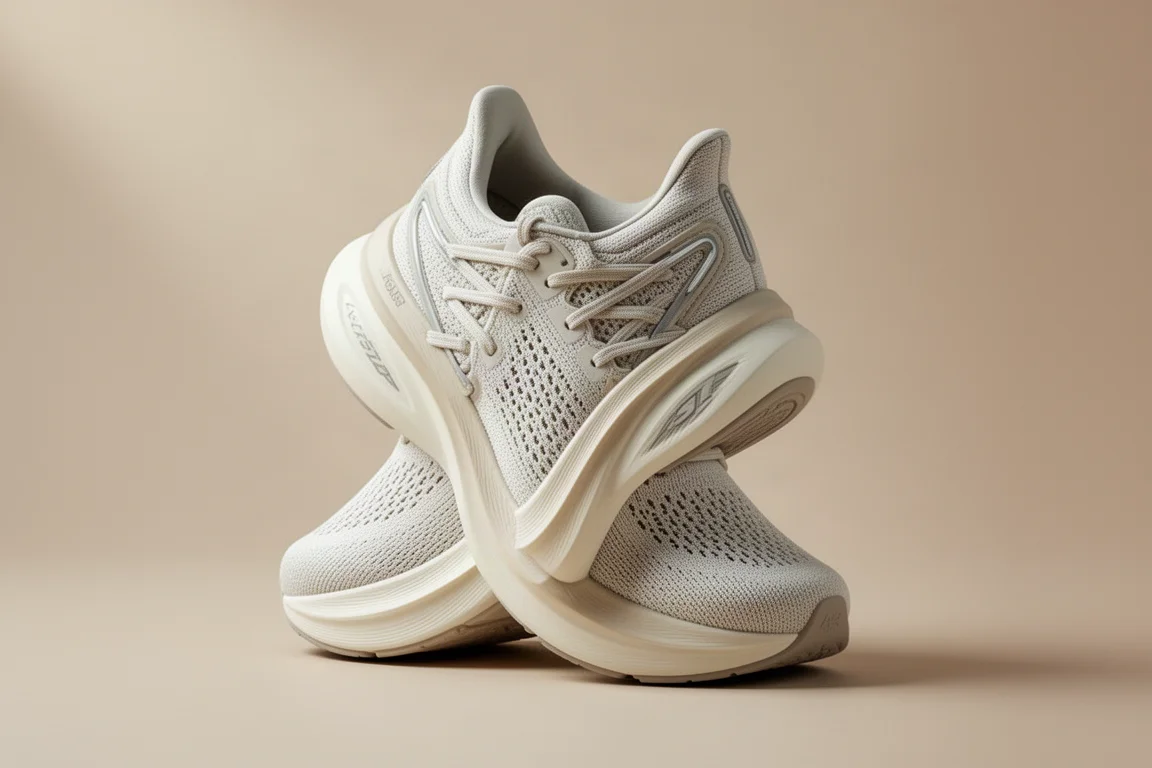
The Superblast 2’s whole thesis is cushioned but not soft. It offers a lot of protection underfoot, like a proper long-run cruiser, without the squishy feel of softer trainers. The aggressive forefoot rocker is immediately noticeable, with the toes curved upward, and the fit runs true to size in a roomy upper.
The catch is that the ride is genuinely divisive. A large group of runners loves the protection and bounce, and plenty report that the foam breaks in over time. But the firm foam combined with the bulky heel geometry does not work for everyone, across all paces, sizes, and foot strikes. Some people find it super blocky and chunky, and for those runners the experience can go from tolerable to miserable. It is the less straightforward shoe of the two, and the one more likely to end up being returned.
Lab Check: Weight and Stack
Here is where things get interesting. The Novablast 5 weighed in at 271 g, while the Superblast 2 with its stock insole came in at 262.5 g, making the bigger shoe the lighter one.
The stack tells the durability story. With roughly 150 miles on it, the Superblast 2 still measured 41 mm on both sides, barely compressed from its fresh out-of-the-box height. The Novablast 5, after a few hours of rest post-run, measured 34 mm, down from 41 mm when fresh. Running Warehouse measures the Superblast 2 at 46 mm and the Novablast 5 at 41 mm for a men’s size 9 out of the box, so a 5 mm difference when new has grown to 7 mm as the softer foam compresses.
{{image:3}}
Durability, Grip, and Fit
On durability, the Superblast 2 wins easily. Its firm foam simply does not compress, with no bottoming-out concerns at all, though heel rubber does show wear from dragging. The Novablast 5 has compressed noticeably, but it remains comfortable and soft without any bottoming-out sensation in our testing.
Both shoes have decently breathable uppers, and both fit true to size. The Superblast 2 also offers better wet-weather grip, though with rides this different, grip alone should not drive your decision. Rubber wear is visible on both pairs after 100-plus miles, but both remain in good shape overall.
Which One Should You Buy?
For most people, the Novablast 5 is the pick. It is $60 cheaper, delivers a softer, lighter, peppier ride, and it is the less divisive shoe. The main complaints against it are that it is a little too soft for some, may flatten out past 100 miles for heavier or taller strikers, and has weaker wet-weather grip. Almost nobody who buys it sends it back.
{{image:4}}
The Superblast 2 is the firmer, more robust option, a tank that will not break down, and the right choice if you want maximum protection in a daily trainer and know you get along with firm, bulky-heeled platforms. But the people who do not get along with it truly hate it, which makes it the riskier purchase.
Conclusion
After 100-plus miles, the Novablast 5 remains the safer, more affordable daily trainer with plenty of pep left in its softer foam, while the Superblast 2 stays an unbreakable but divisive firm cruiser. Choose the Novablast 5 if you want a fun, forgiving ride at $140, and the Superblast 2 only if you specifically want its firm, protective, tank-like character.
Further reading
Related Reviews
Running Shoes
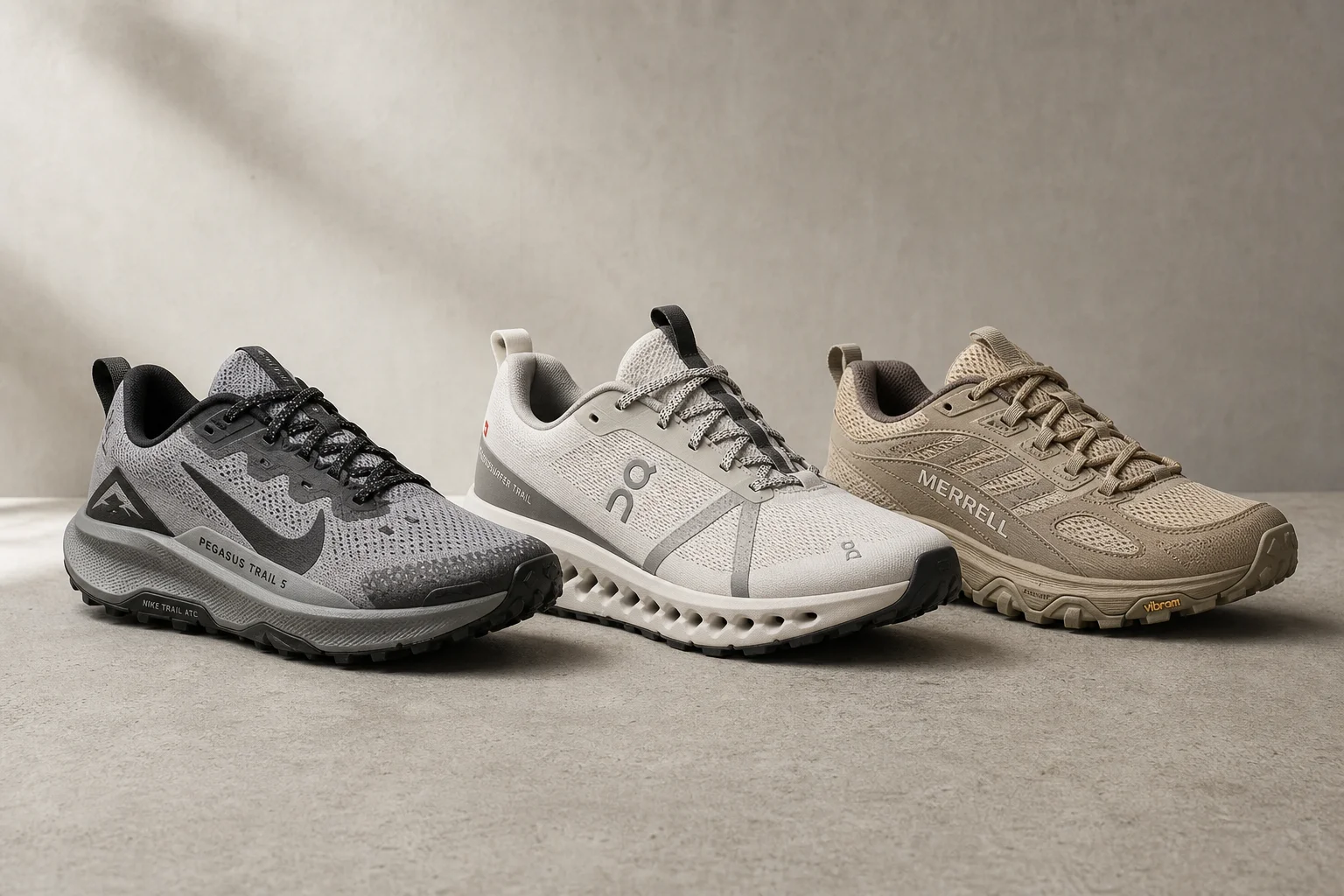
Best Road-to-Trail Running Shoes: Three Versatile Options for Mixed Terrain
A practical guide to three road-to-trail running shoes that handle both pavement and mild trails, with clear strengths and trade-offs for different runner types.
Running Shoes
Best Running Shoes for Achilles Tendonitis: Three Options Explained
Three running shoes with different heel drops and support features designed to help reduce Achilles tendon pain during walking and running.
Running Shoes
Best Running Shoes for Women: Five Top Choices Ranked
A ranked guide to five women's running shoes, from versatile daily trainers to high-performance racing options, with real strengths and trade-offs for each.