Running Shoes
Asics Novablast 5 vs Saucony Ride 17: Which Daily Trainer Should You Buy?
Two of the most popular cushioned daily trainers go head to head. Here is how they compare on foam, fit, weight, price, and which one suits your running best.
Introduction
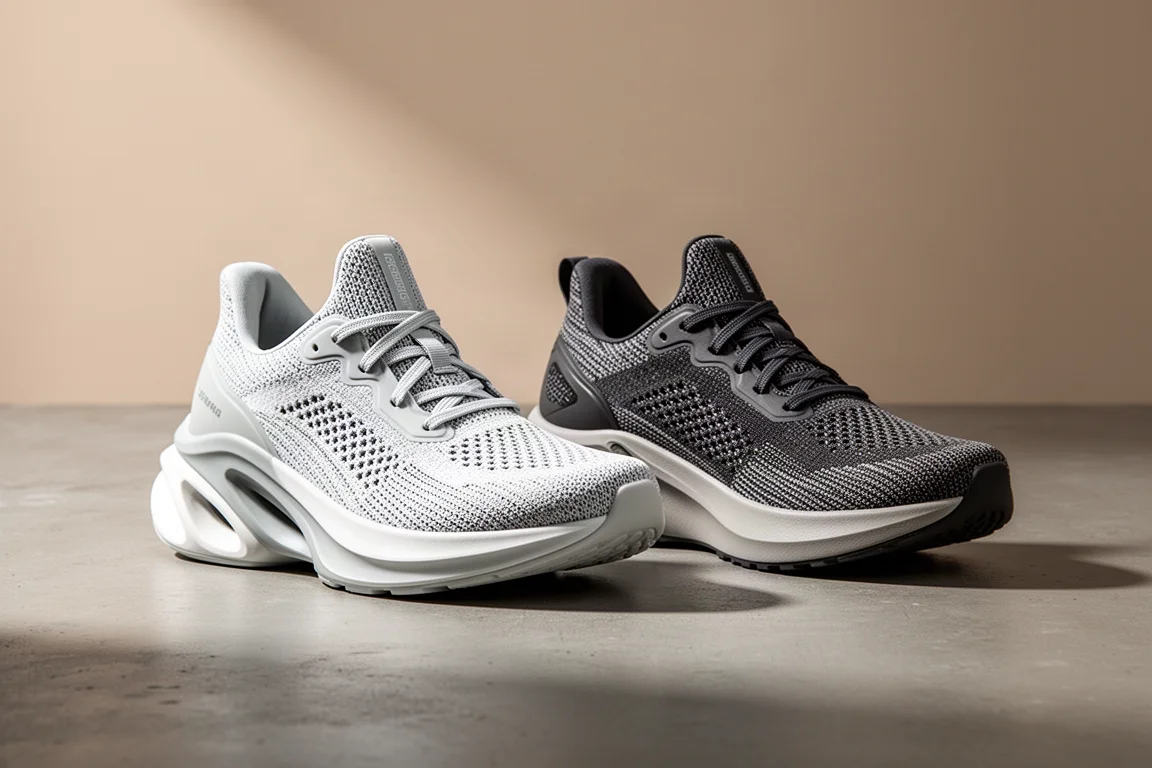
The Asics Novablast 5 and Saucony Ride 17 are two of the most popular cushioned daily trainers around, and both sit at a similar price point in the middle of their respective lineups. They cover very similar types of running: they are at their best on easy miles, but both are capable up towards marathon pace. That makes the choice between them less about capability and more about the ride feel you prefer, along with fit, weight, and how often each shoe goes on sale.
Key Specs at a Glance
The Asics Novablast 5 has a stack height of 41.5mm in the heel and 33.5mm in the forefoot, for an 8mm drop. The Saucony Ride 17 comes in at 35mm in the heel and 27mm in the forefoot, also with an 8mm drop. Weight is where the Asics pulls ahead: the Novablast 5 tips the scales at 8.9oz (251g) in a UK men’s 8.5, while the Ride 17 weighs 10.3oz (293g) in the same size. The RRP for both is £135 in the UK and $140 in the US, though the Ride 17, being the older shoe, regularly pops up on sale for under £100 or under $100.
Midsole, Upper, and Outsole
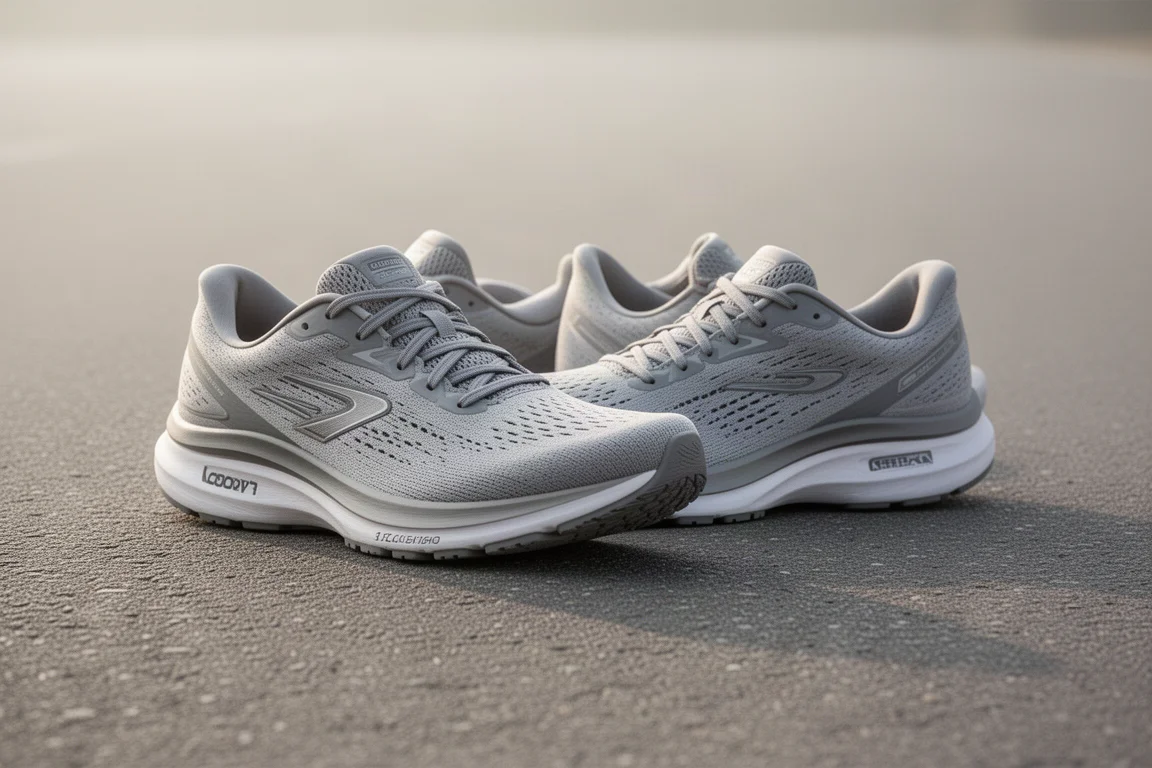
The Novablast 5 sticks largely to the Novablast blueprint with a max-stacked midsole, now using FF Blast Max foam tuned to feel a bit bouncy and a bit soft, paired with a large rocker. The Ride 17 has a big but not max stack with PWRRUN+ foam and Saucony’s Speedroll rocking geometry.
Up top, the Ride 17 uses engineered mesh with a medium-padded heel collar, a medium-padded gusseted tongue, a fairly stiff heel counter, and heel pull tabs. The Novablast 5 counters with a more premium jacquard mesh upper with styling that takes cues from the Superblast, more padded heel collars, a thinner gusseted tongue with a nicely wrapping design, heel pull tabs, and a small lace loop that helps keep the laces flipped over.
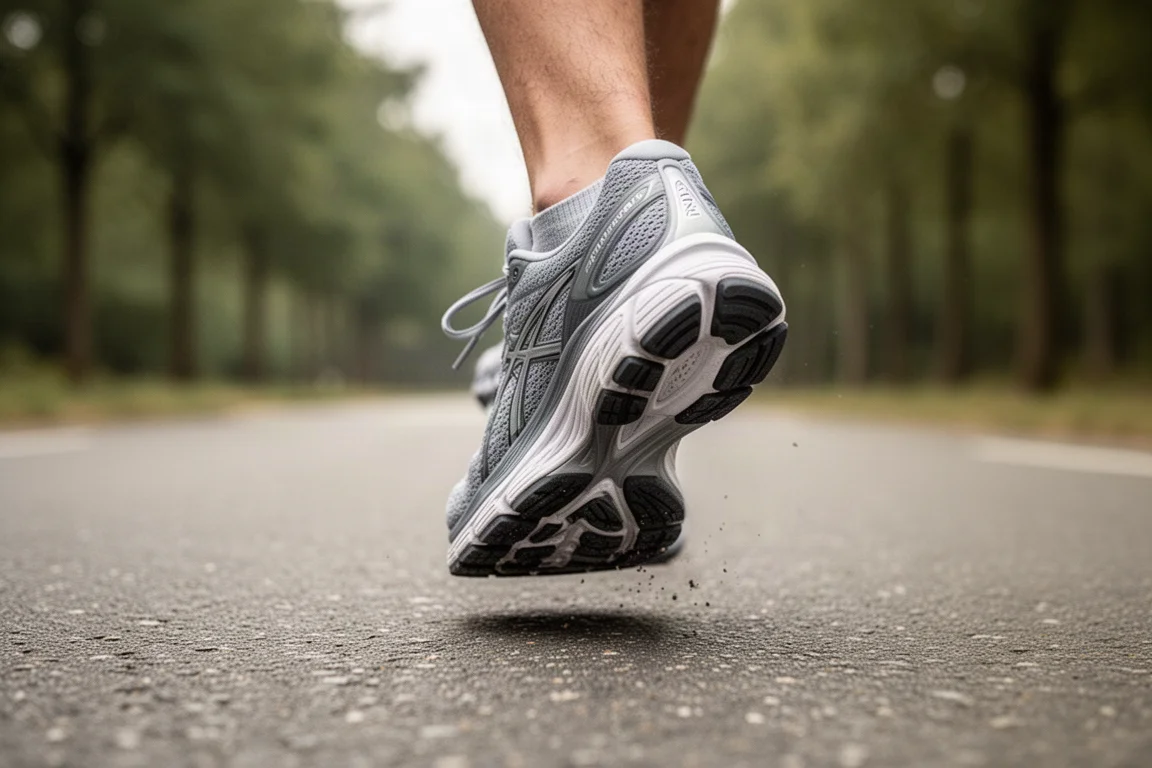
On the outsole, the Ride 17 gets a generous covering of rubber for grip and durability in all the right places, with no visible wear after roughly 100km of running. The Novablast 5 uses a standard covering of Asics AHAR rubber. You do not get the top-level grip of the AHAR+ compound found on the Superblast 2, but there are good coverings where they matter to protect the midsole.
How They Ride
The Ride 17 delivers excellent disappearing comfort, balancing cushioned landings with a rolling response and a bit of springy energy. It feels natural straight out of the box: not super soft, not super energetic, but nicely consistent, stable, and reliable whether you are running slow and easy or pushing slightly up-tempo. Its firmer, denser PWRRUN+ foam gives good resiliency and a bit of responsiveness off the forefoot, though very light, high-cadence runners may not sink into it enough to get full rebound.
The Novablast 5 offers a smooth ride that responds well on toe-off and feels springy but controlled when you are feeling good and working off the forefoot. It is cushioned enough for slower paces too, but on heavy legs it can feel a bit sinky and soggy, as happened during a heavy-legged marathon test. Even then, it still delivered comfort and protection deep into the run. On easy paces you do get a bit of bounce back from the foam, but at a sustained harder pace the softness can sap energy and feel sluggish, which is why several testers now see it as firmly an easy-day shoe rather than a versatile all-rounder like the Novablast 4.
In a side-by-side mile with one shoe on each foot, both felt very similar in softness and cushioning, with the Novablast 5 offering more cushioning and sinking a bit lower before coming back quicker. The Ride 17’s lower stack makes it feel slightly more stable, and its wide forefoot gives it a reliable platform. Neither is a stability shoe, but neither has real stability problems, and the Novablast’s wide foam sidewalls keep the high stack in check.
Fit and Sizing
Both shoes run true to size and both testers recommend sticking with your normal size. Both provide good security and hold in the heel and midfoot, with no slipping, rubbing, or Achilles irritation. The Novablast 5 is considerably roomier in the toe box, which suits wide or high-instep feet particularly well over longer miles, though some runners find it a bit too spacious. The Ride 17 offers ample toe wiggle room but a somewhat narrower overall width, which is fine for average-width feet but slightly more restrictive if your feet run wider.
Durability and Value
Both shoes are very solid daily trainers at a decent price. The Ride 17 has shown no signs of wear after about 100km over the past year, backed by that solid outsole grip. It is also a worthy successor in spirit to the Triumph 20 and 21 for runners who want cushioned comfort with a bit of versatility. The Novablast 5 is lighter despite its bigger stack, which makes it a shade more speed-friendly, but its softer FF Blast Max foam trades away some of the versatility the Novablast line was known for.
Verdict: Which One Should You Buy?
If you want one shoe that does a bit of everything, the Ride 17 is the stronger pick. It is more stable, more responsive, and has a nicer turnover, making it the better daily all-rounder and a great holiday or travel shoe. If pure easy-day comfort is your only priority, some will prefer the softer, more cushioned Novablast 5, though there are arguably better dedicated easy-day options such as the New Balance More v5 or Brooks Glycerin Max.

Ultimately it comes down to ride feel: the softer, cushioned edge of the Novablast 5, or the more consistent, resilient, slightly firmer ride of the Ride 17. Add the Ride 17’s regular discounts, and it is the easier recommendation, especially since it does the same overall job for less money.
Conclusion
Both the Asics Novablast 5 and the Saucony Ride 17 are competent, comfortable daily trainers that will suit a wide range of runners. The Novablast 5 wins on cushioning and weight; the Ride 17 wins on versatility, stability, and value. Whichever way you lean, you are getting a dependable shoe for the miles in between your fast days.
Product link
View more details for Asics Novablast 5
This product is mentioned in the review. Check the specifications, options, and compatibility before buying.
View more details for Asics Novablast 5Further reading
Related Reviews

Running Shoes
Best Road-to-Trail Running Shoes: Three Versatile Options for Mixed Terrain
A practical guide to three road-to-trail running shoes that handle both pavement and mild trails, with clear strengths and trade-offs for different runner types.

Running Shoes
Best Running Shoes for Achilles Tendonitis: Three Options Explained
Three running shoes with different heel drops and support features designed to help reduce Achilles tendon pain during walking and running.

Running Shoes
Best Running Shoes for Women: Five Top Choices Ranked
A ranked guide to five women's running shoes, from versatile daily trainers to high-performance racing options, with real strengths and trade-offs for each.