Running Shoes
ASICS Novablast 5 vs Pegasus 41, Velocity Nitro 3 and Adizero SL2: Which Daily Trainer Wins?
Four popular daily trainers compared on cushioning, fit, grip and value to help you pick the right one.
Introduction
Daily trainers are the workhorses of any running rotation, and few models generate as many comparison requests as the ASICS Novablast 5. It has picked up some big improvements over the previous version, and its mix of stack height, weight and softness makes it hard to place in any single category.
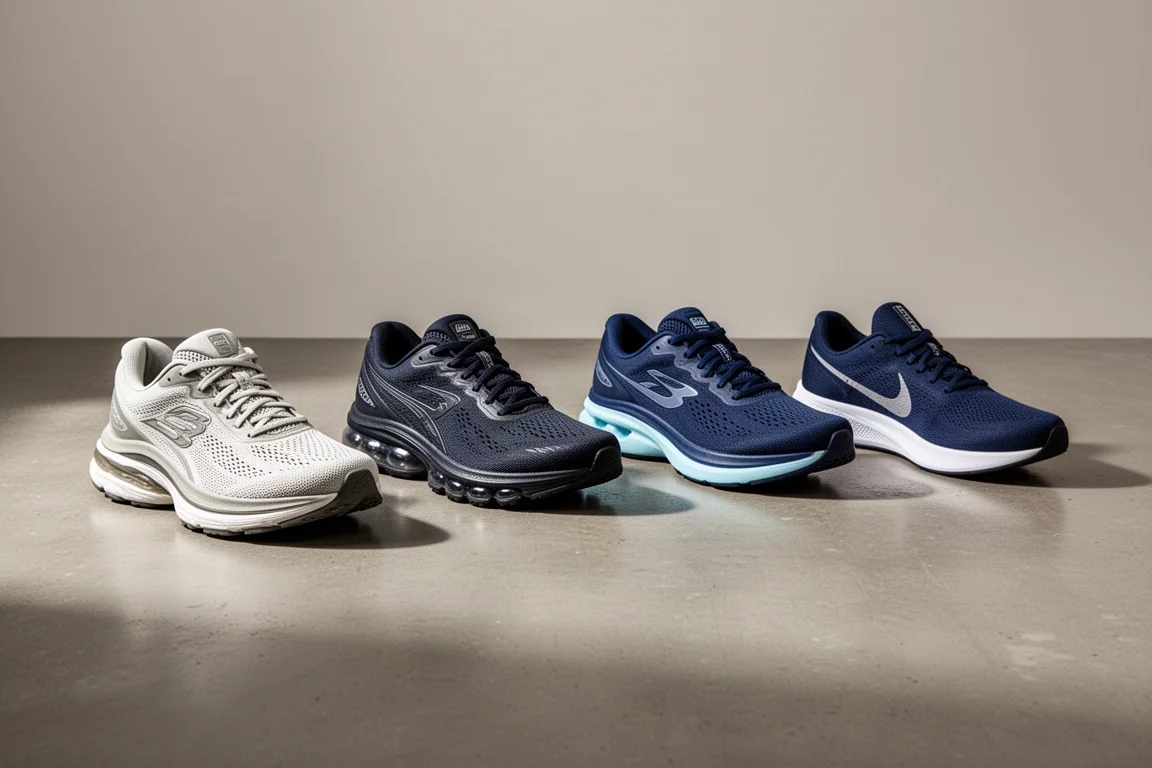
To see how it stacks up, we compared it against three of the most popular alternatives: the Nike Pegasus 41, the Puma Velocity Nitro 3, and the Adidas Adizero SL2. Each takes a different approach to the daily trainer formula, and each will suit a different type of runner.
At a Glance: The Contenders
The Novablast 5 is the softest and widest shoe here, with more forefoot and heel room than any of its rivals in this comparison. The Pegasus 41 stays close to its familiar formula with a slightly higher drop and firmer air cushioning. The Velocity Nitro 3 blends two foam types for a consistent, stable ride, while the Adizero SL2 goes narrow, light and race-like.
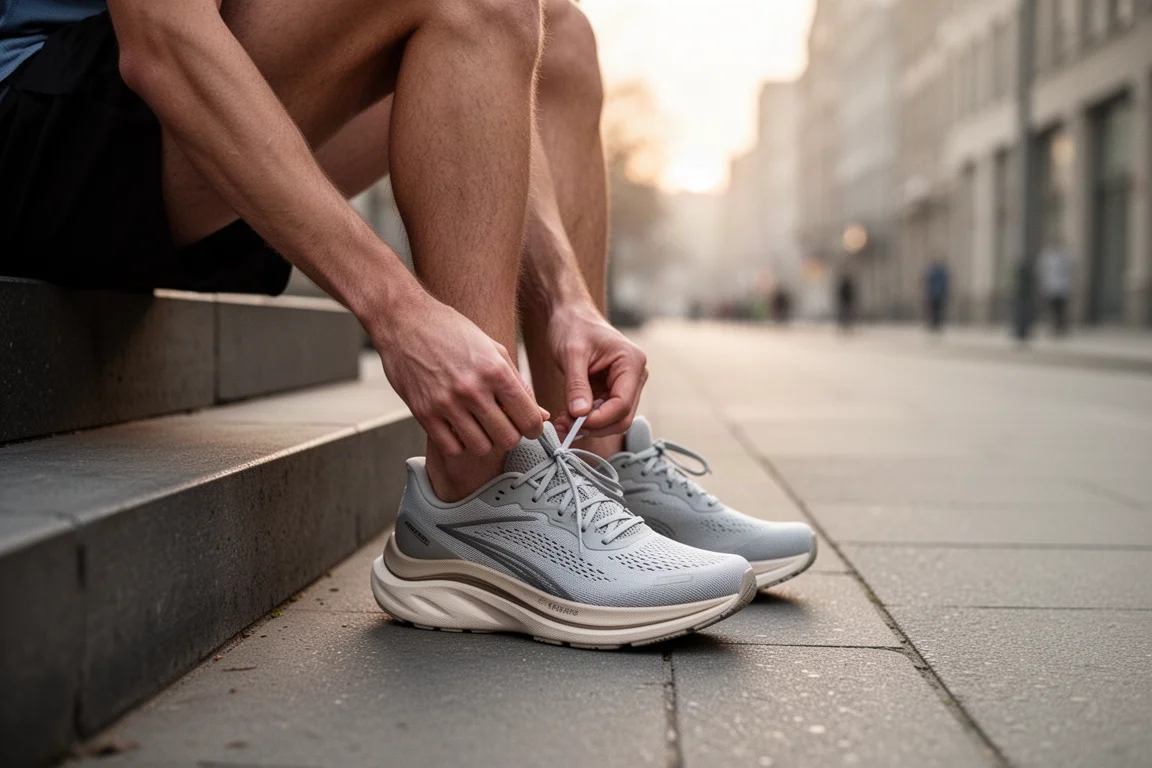
Fit, cushioning feel, grip and versatility are the areas that separate these four shoes most clearly, so those are where the differences matter most.
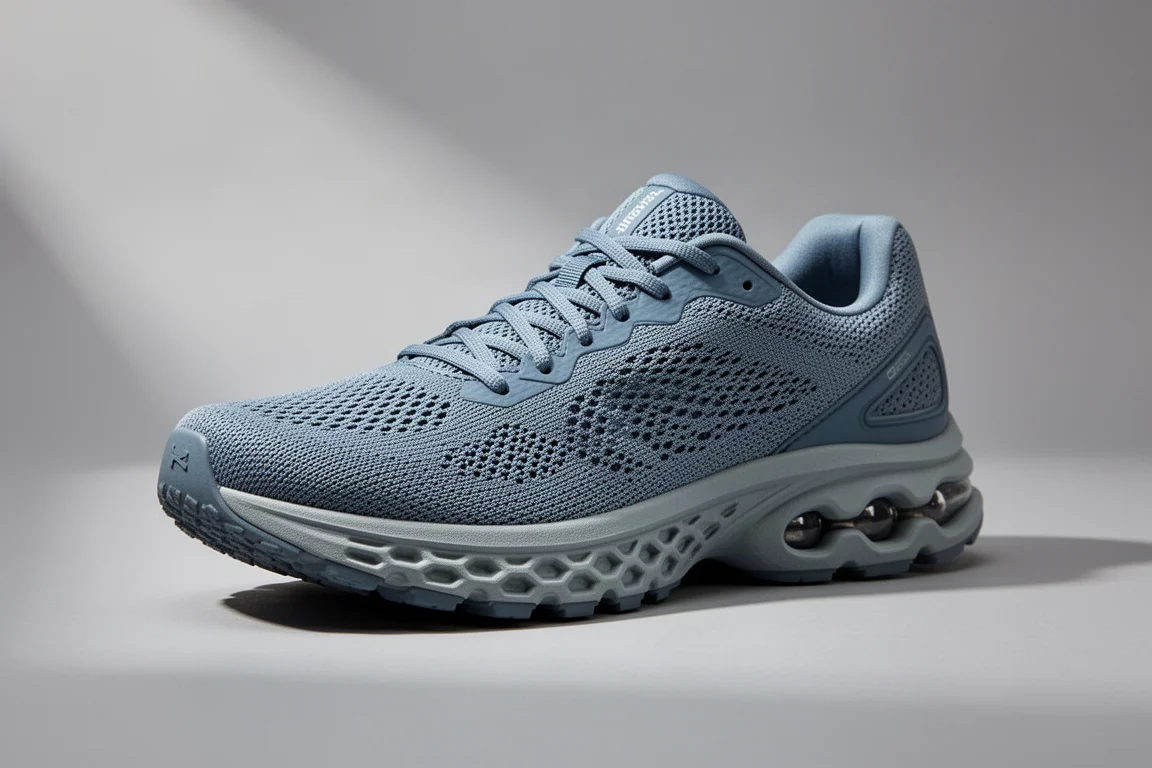
ASICS Novablast 5
The Novablast 5 is the widest shoe in this comparison, both in the forefoot and the heel, and it uses thinner, more breathable upper materials than most rivals. The midsole is notably softer and more forgiving, closer in feel to super shoe foams, and the ride is more energetic than the nitrogen-infused foam found in some competitors. Grip on smooth wet surfaces is one weak point, as the smoother rubber can slip on slick terrain, though it improves somewhat once the sole roughs up with use.
What really sets it apart is the combination of a big, soft stack with a light build, a mix that few shoes offer at a similar price. For an all-round daily trainer that can handle any kind of run, it is the strongest pick here.
Nike Pegasus 41
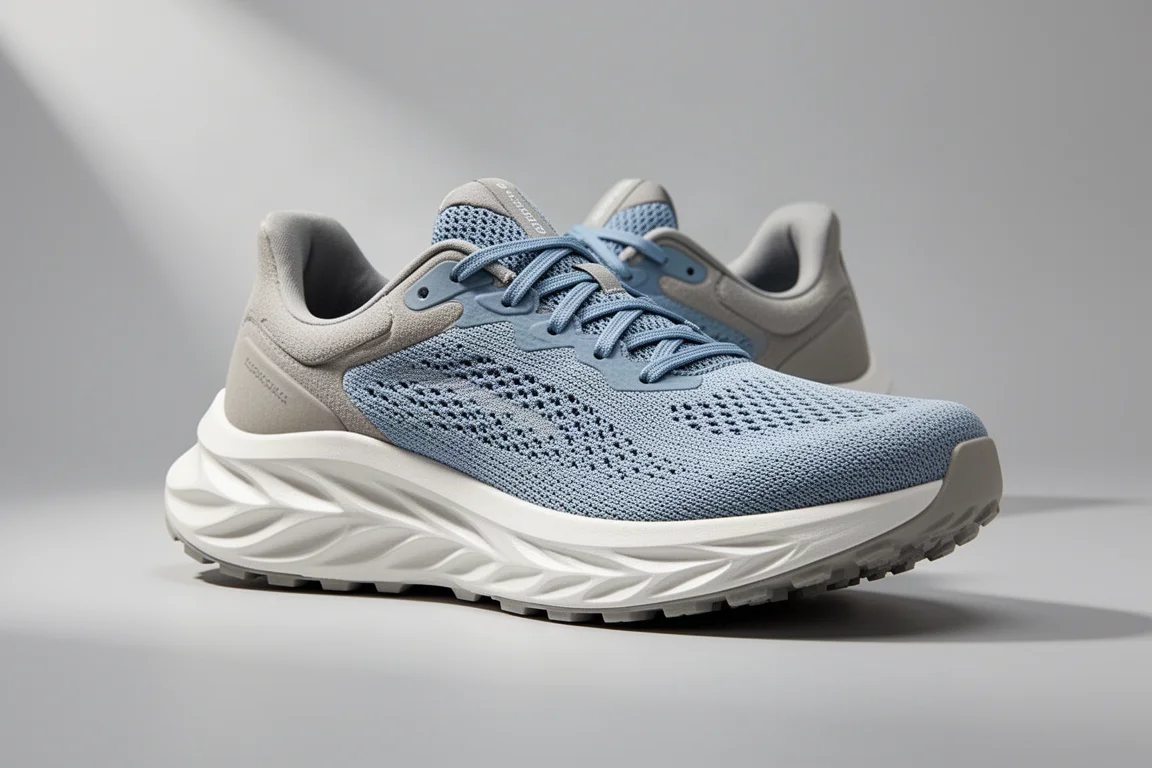
The Pegasus 41 has stayed largely unchanged for a few years, keeping a very similar stack with a slightly higher drop than many daily models, while the price has crept up over time. The air units in the heel and forefoot add consistency and response to the midsole, which heavier-set runners may appreciate more than lighter runners do.
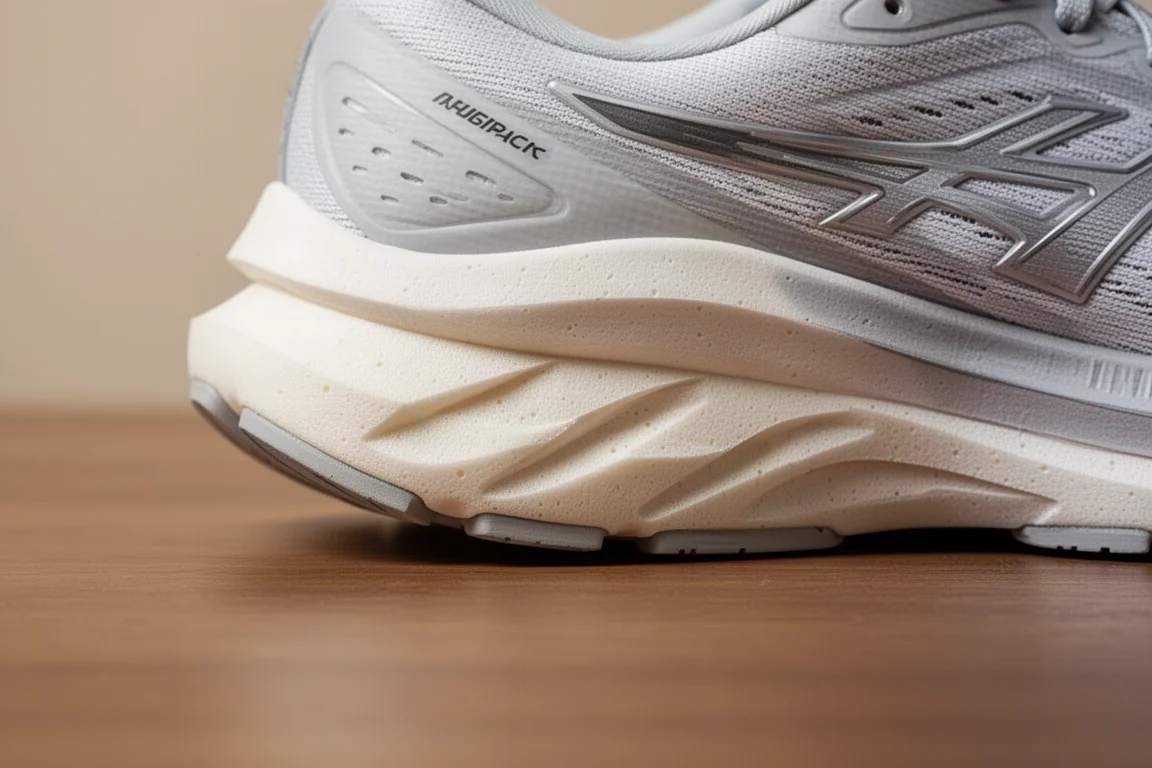
The upper is a genuine strength, with consistent, easy-to-achieve lockdown and substantial tongue padding. The trade-off is weight: the padded upper adds bulk, and the Novablast 5 comes in around 26 grams lighter while also offering 5mm more heel stack. The waffle-pattern outsole is where the Pegasus holds an advantage, offering better traction than the smoother rubber on the ASICS.
Overall, though, the Pegasus feels a step behind its rival, firmer and heavier where many runners now want soft and light.
Puma Velocity Nitro 3
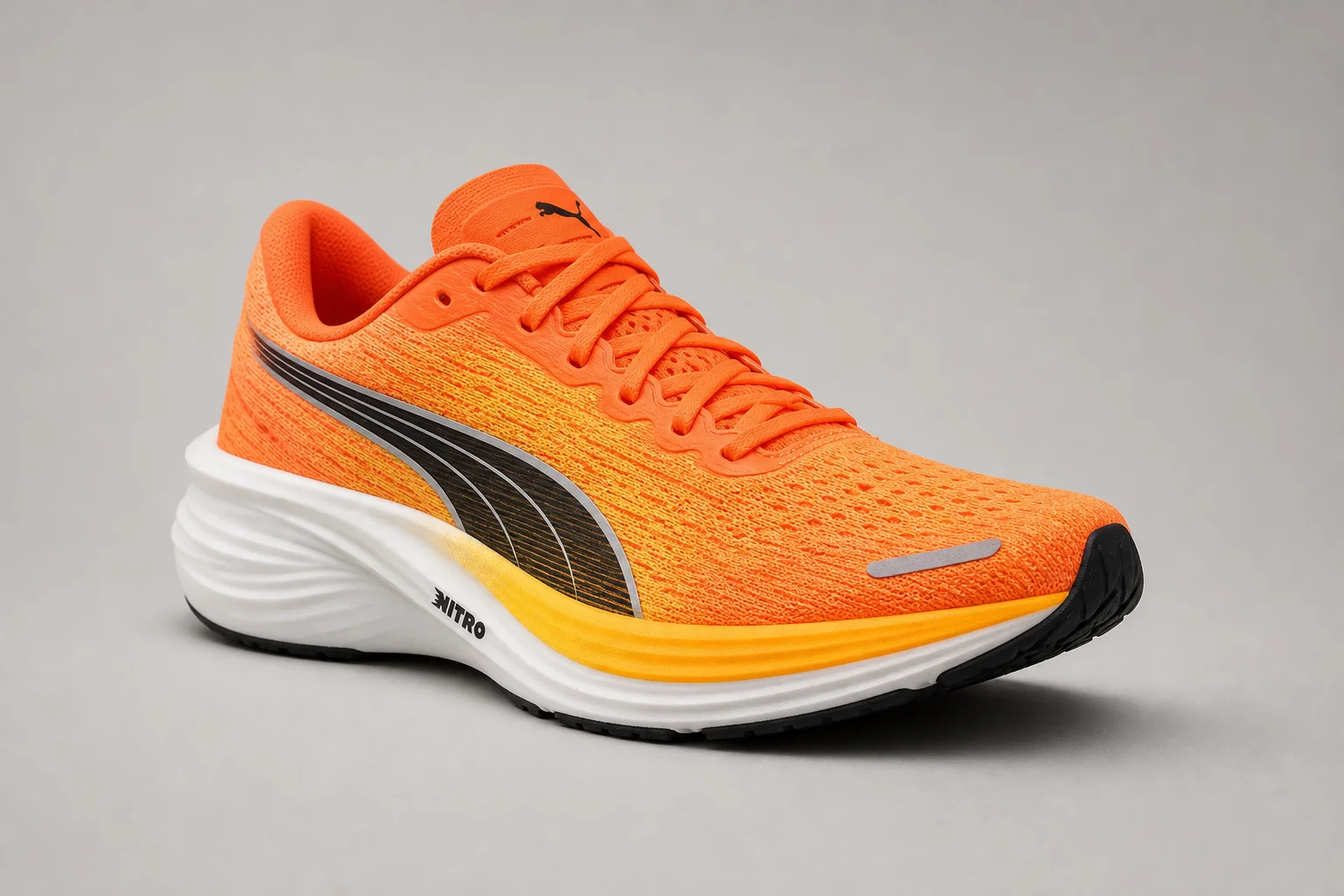
The Velocity Nitro 3 feels firmer in hand and is only around 10 grams heavier than the Novablast 5, though it sits on a slightly lower stack. Its midsole pairs an EVA-based ProFoam layer with a softer Nitro layer on top, producing a nicely cushioned but more consistent and stable ride rather than an elaborate, bouncy one.
Fit is the main sticking point. The toe box tapers noticeably on the lateral side, so runners with wider, more voluminous feet may find it a non-starter. The oddly shaped, partially gusseted tongue can also slide during runs, whereas the Novablast 5 has no such issue.
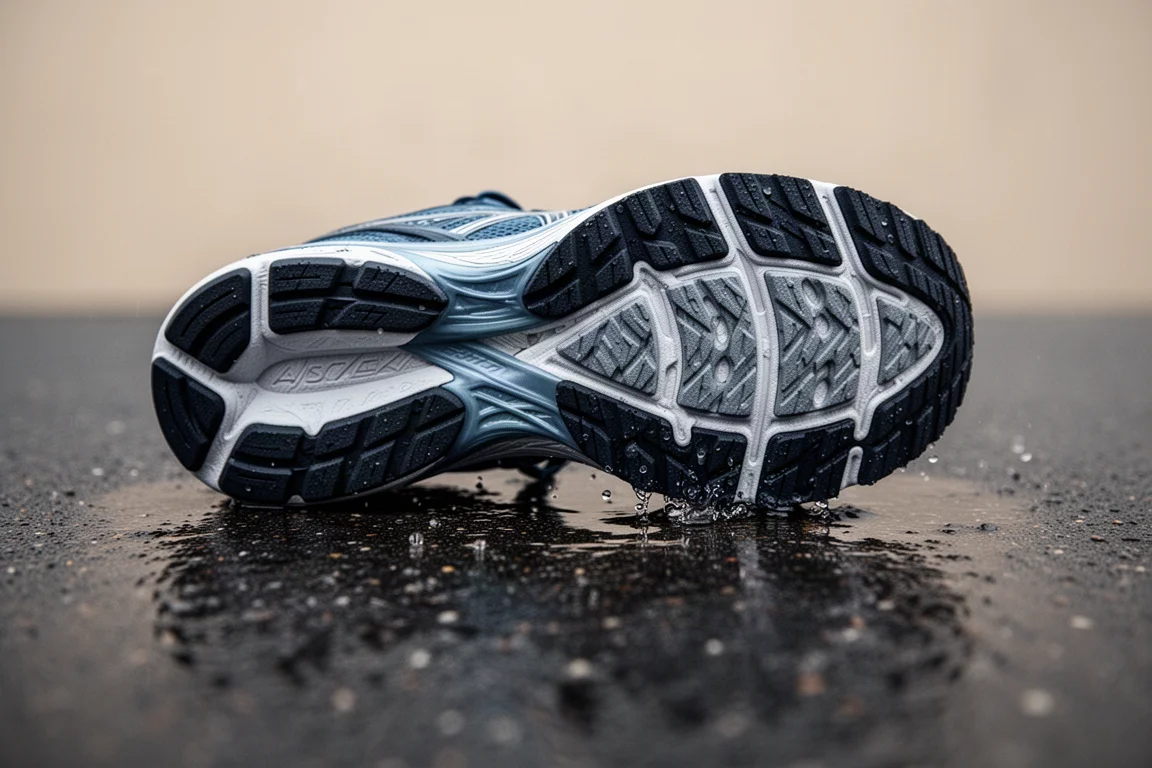
Where Puma clearly wins is grip. The firmer, more aggressive rubber outsole pattern is top-notch in pretty much all weather, and Puma outsoles have proven durable in long-term use. Still, on overall versatility and performance, the softer, more adaptable Novablast 5 edges ahead, even at a slightly higher price.
Adidas Adizero SL2
The Adizero SL2 is the narrowest shoe here, with nearly a centimetre less width in the heel, and that narrowness runs across the whole Adizero range. That makes it feel more like a race or uptempo shoe, and it comes in roughly an ounce lighter than the Novablast 5. Runners who want a little more stability may prefer the wider ASICS, and there is no wide fit option for the SL2.
The upper is simple and thin, with less padding than the Novablast 5 except in the heel area, where the tongue offers a good amount of cushioning on top of the foot. Lightstrike Pro foam in the midsole gives it a genuine super-foam feel, and grip is slightly better than the Novablast 5 thanks to its ridged outsole design.
At around 110 pounds in the UK, it undercuts most of this field while delivering maximal stack without the weight, which makes it a compelling budget option for tempo work. If you could own only one pair, though, the Novablast 5 remains the better all-rounder for a wider range of runners.
Buying Advice: Which One Should You Get?
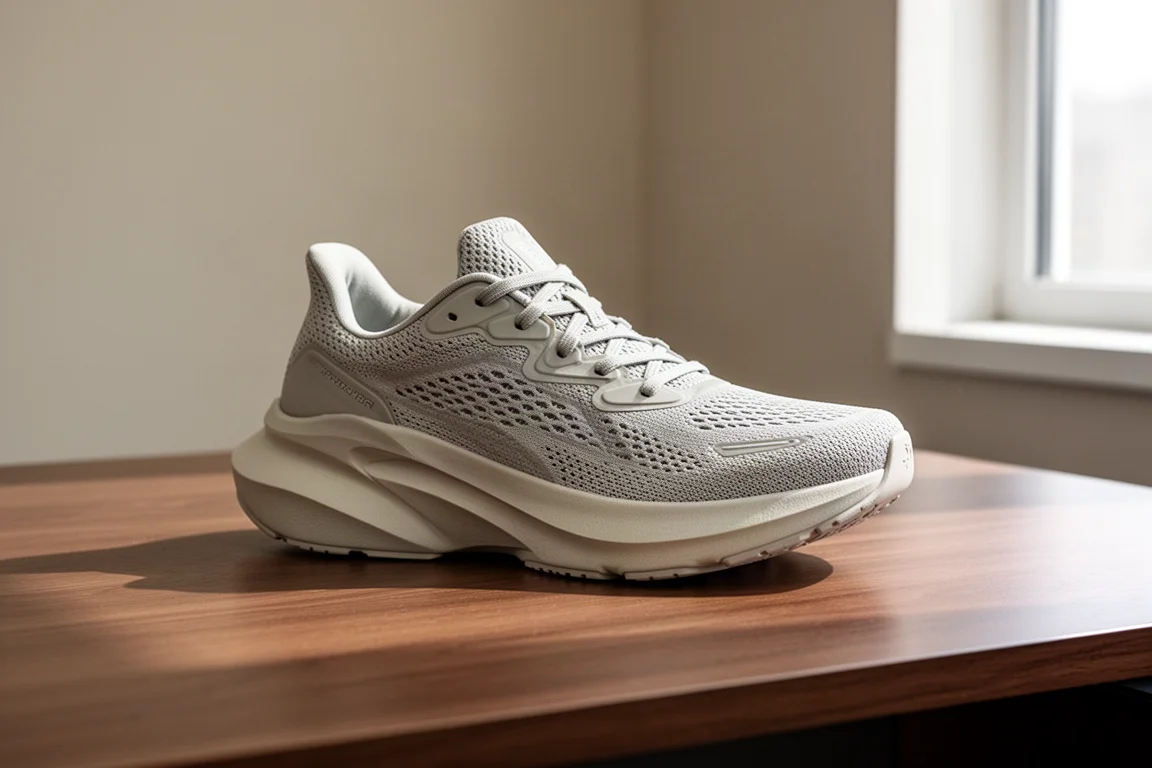
If you want one shoe that can do everything, the Novablast 5 is the clear pick. It combines the widest fit, the softest and most energetic midsole, a light build and a competitive price into a package that suits the broadest range of runners.
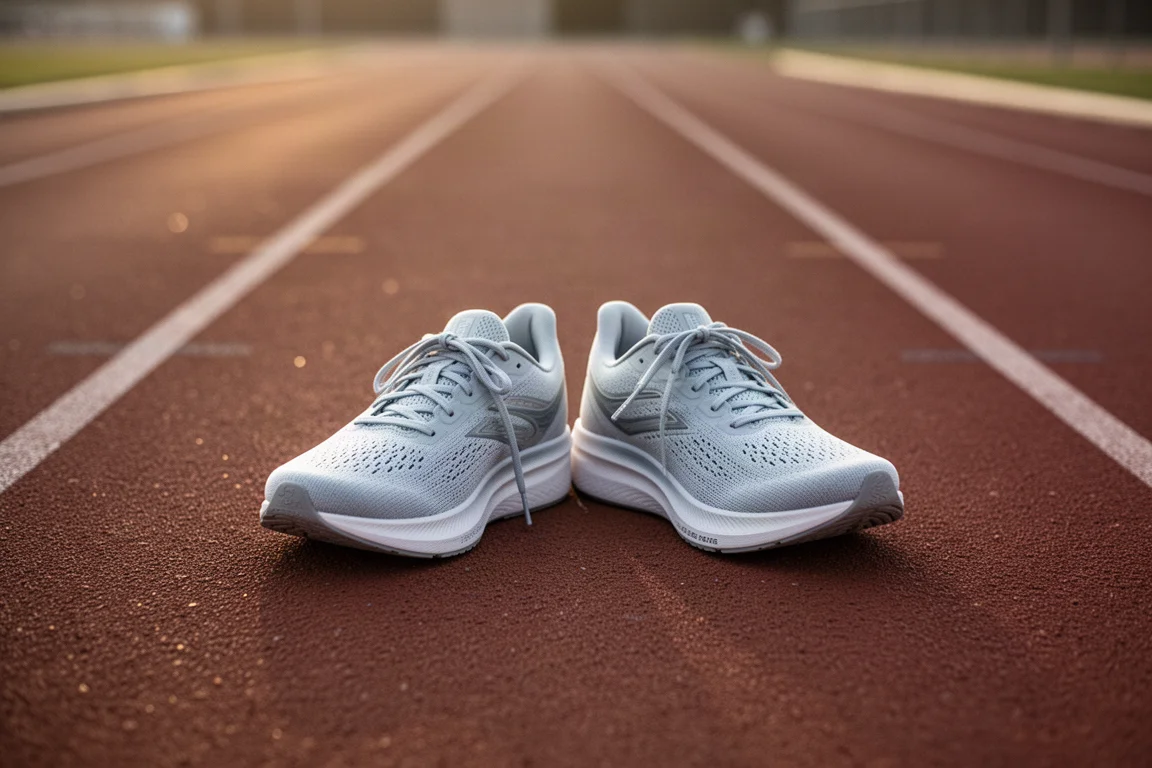
Choose the Pegasus 41 if you are a heavier runner who values a firmer, more structured ride and better outsole grip, and you like a padded, locked-in upper. Choose the Velocity Nitro 3 if you have narrower feet and prioritize all-weather traction and a stable, consistent foam feel. Choose the Adizero SL2 if you want the lightest, most race-like option and a narrower fit works for you, particularly on a budget.
Conclusion
Across fit, cushioning, versatility and value, the Novablast 5 comes out on top in this comparison, taking the win against all three rivals. Its blend of soft, super-foam-adjacent cushioning, low weight and generous width simply has no close equivalent at its price. That said, each alternative earns its place for a specific runner: firmer cushioning fans, narrow-footed runners, and budget-focused tempo runners all have sensible options here.
Further reading
Related Reviews

Running Shoes
Best Road-to-Trail Running Shoes: Three Versatile Options for Mixed Terrain
A practical guide to three road-to-trail running shoes that handle both pavement and mild trails, with clear strengths and trade-offs for different runner types.

Running Shoes
Best Running Shoes for Achilles Tendonitis: Three Options Explained
Three running shoes with different heel drops and support features designed to help reduce Achilles tendon pain during walking and running.

Running Shoes
Best Running Shoes for Women: Five Top Choices Ranked
A ranked guide to five women's running shoes, from versatile daily trainers to high-performance racing options, with real strengths and trade-offs for each.