Running Shoes
Asics Novablast 5 vs Novablast 6: Which Daily Trainer Deserves Your Miles?
Two generations of Asics' popular bouncy daily trainer, compared on fit, ride, versatility and value to help you pick the right one.
Introduction
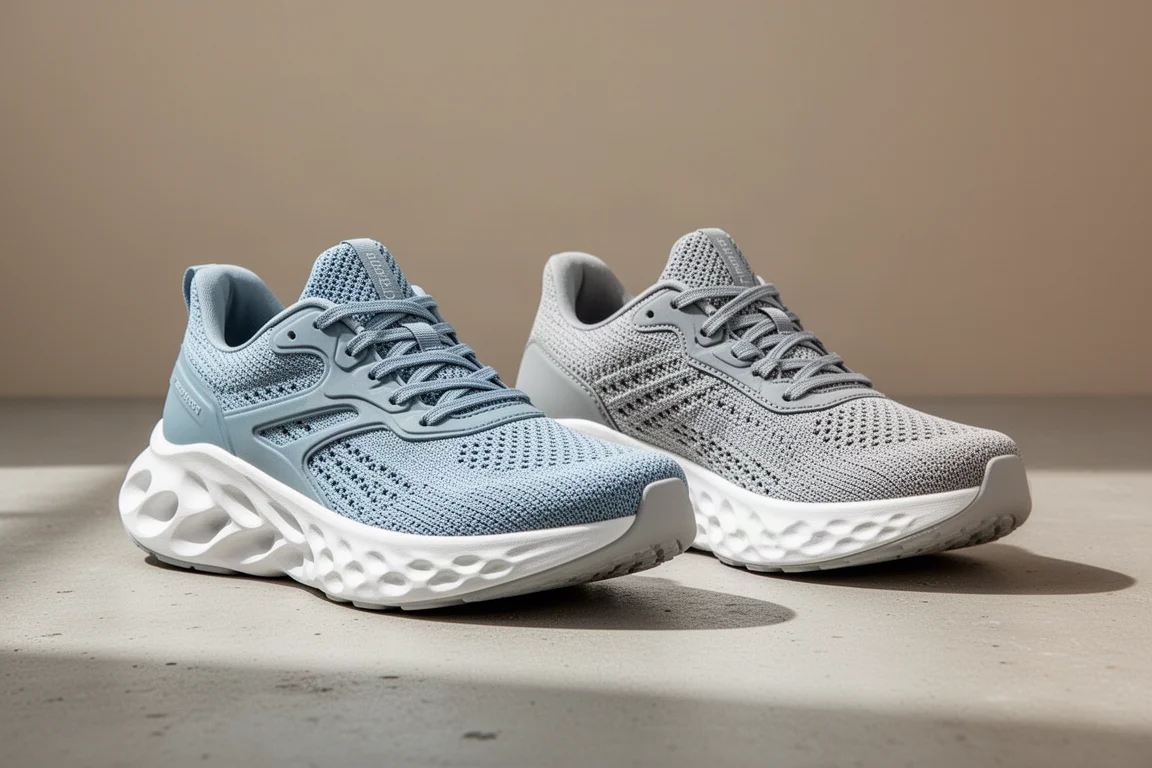
The Novablast line is one of the most popular daily trainers around, and the jump from the Novablast 5 to the Novablast 6 is more interesting than most yearly updates. Both shoes share comfortable cushioning and an accommodating fit, but the midsole changes in the newer model shift the character of the ride noticeably. Here is how they compare so you can decide which one fits your running.
At a Glance: Specs and Pricing
The Novablast 5 costs around $135 to $140, weighs 256 g (9 oz) for men in a size 8, and has an 8 mm drop. The Novablast 6 lists at around $155, weighs 248 g (8.8 oz) in the same size, and keeps the same 8 mm drop.
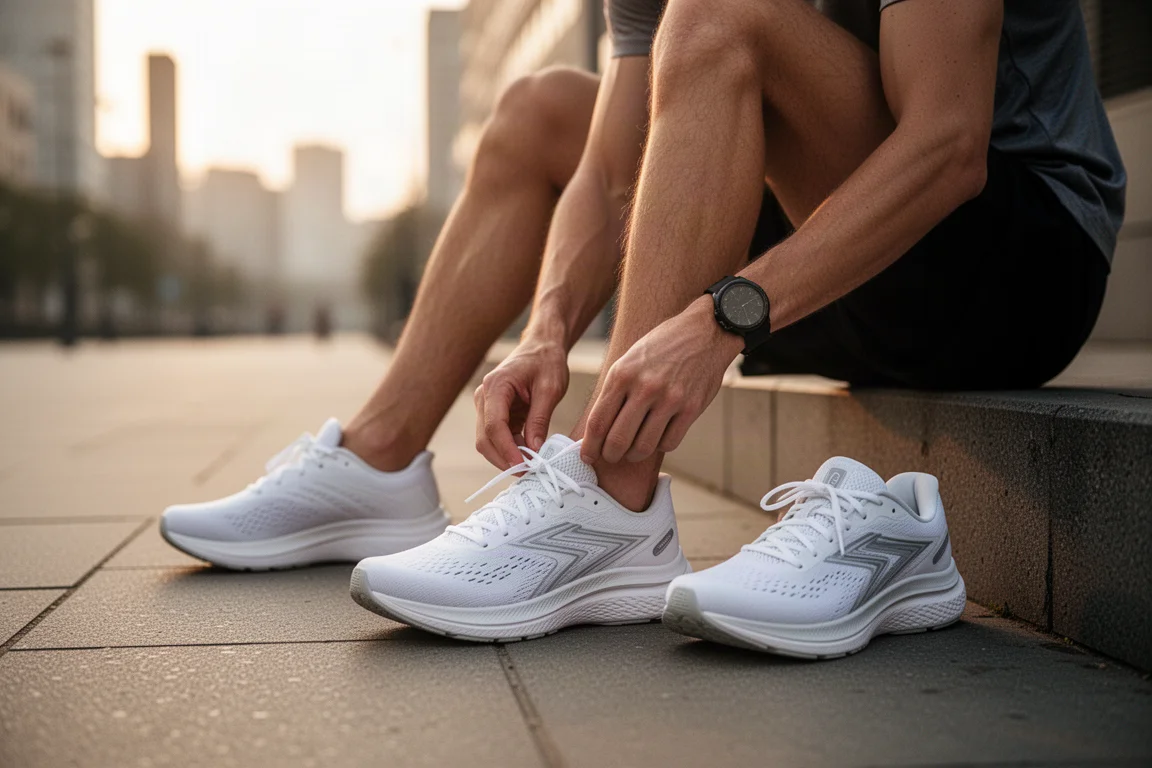
So the newer shoe is slightly lighter and slightly more expensive. The real story, though, is what changed inside the midsole.
Fit and Comfort
Both shoes fit true to size in a runner’s regular running shoe size, with testers consistently reporting a comfortable, roomy forefoot and good hold around the midfoot. Padding at the heel collar is generous in both, though it can feel a little warm on hot days.
The differences are subtle. The Novablast 5 offers slightly more room in the toe box, so if you like a spacious forefoot it has a small edge. The Novablast 6 tightens things up a little: an updated lacing setup delivers better midfoot lockdown, and the winged tongue construction reduces tongue movement during runs. The engineered woven upper of the Novablast 6 is lightweight and breathable, with fewer overlays for a cleaner look.
Overall, both are accommodating shoes that suit most foot shapes, and neither demands a size change from the other.
Ride and Midsole: The Biggest Difference
The Novablast 5 uses a full FF Blast Max midsole, designed to be softer and bouncier while keeping the same weight as its predecessor. The result is a comfortable, balanced, smooth ride that is at its best at moderate to uptempo cruising paces. It is not the shoe you reach for when the pace picks up: pushing it into faster territory feels a bit flat.
The Novablast 6 keeps FF Blast Max but pairs it with a new FF Turbo Squared trampoline pod in the forefoot. This adds real pop at toe-off and makes the shoe noticeably livelier. It is marginally softer in the heel, feels lighter on the foot, and handles tempo sessions and moderate workouts far better than the fifth generation.
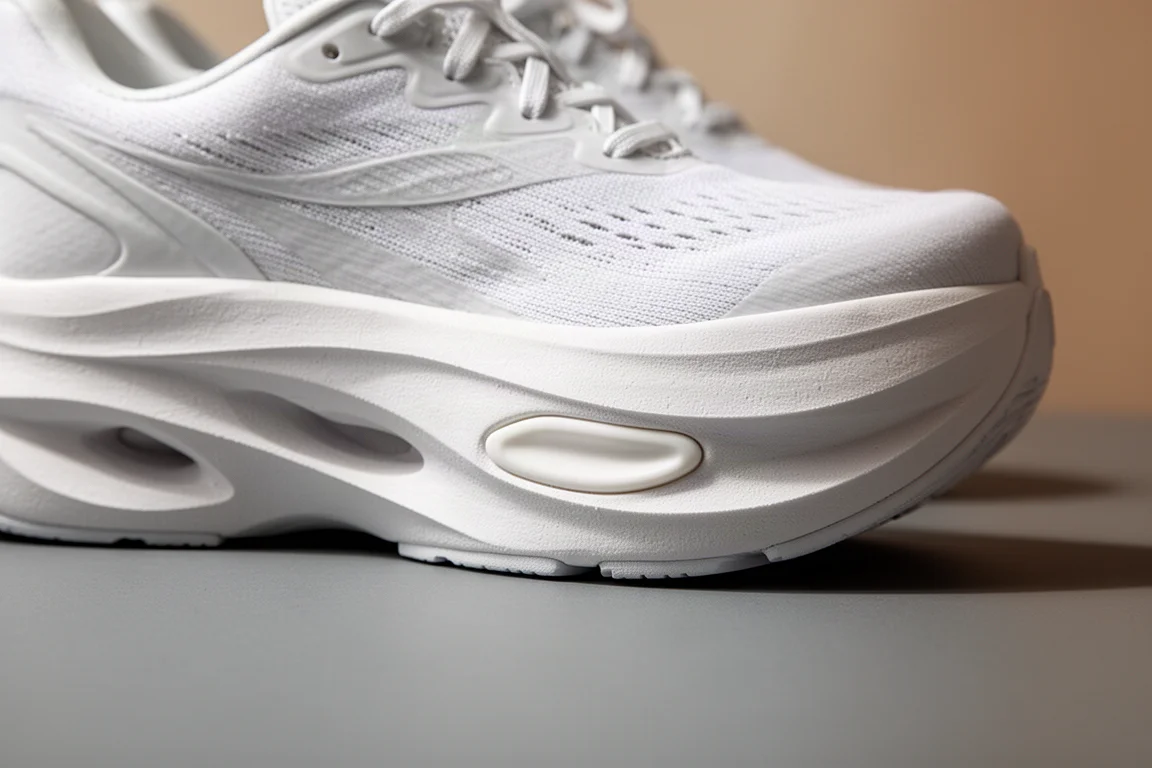
The trade-off is a small loss of underfoot stability. The Novablast 6 is not unstable, but the bouncier midsole takes away a little of the controlled feel that the Novablast 5 delivers so well. If you want the more balanced, controlled shoe, the 5 is the calmer choice. If you want energy and versatility, the 6 wins comfortably.
Versatility: What Each Shoe Is Best At
The Novablast 5 is a solid all-round daily shoe: great for easy runs, long runs and daily mileage, with mild versatility but not the tool for speed sessions. It is a mileage absorber, best paired with a dedicated faster shoe in a rotation.
The Novablast 6 matches the 5 for easy running comfort but ramps up meaningfully at the faster end. Testers have comfortably used it for tempo runs, mile-repeat workouts and faster training within a marathon build. The forefoot foam feels springier and more responsive while remaining just as comfortable over long distances.

One encouraging note on longevity: FF Turbo Squared has proven resilient in other Asics shoes that use it, so the forefoot’s bounce is expected to hold up well over many miles.
Outsole, Grip and Durability
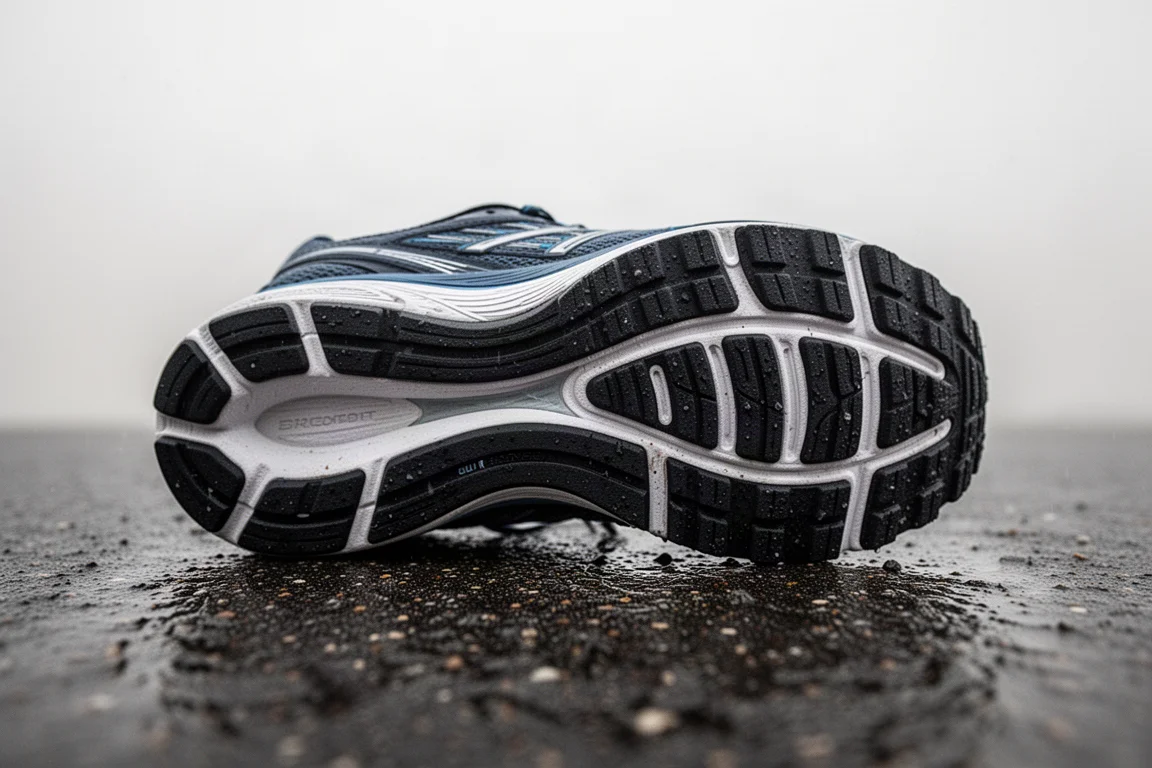
Both shoes take a similar approach underfoot, with a healthy layer of rubber over a trampoline-inspired outsole geometry, and both are best kept mainly to roads and pavement, with light trail use possible.
The Novablast 5 has solid coverage with good grooving in the rubber. The Novablast 6 adds Asics Grip rubber in the forefoot for better traction across a range of surfaces, with AHAR low rubber in key areas to maintain durability. Grip is slightly better on the 6, though the difference is not dramatic. Durability looks typical of a daily trainer in both cases.
Which One Should You Buy?
If you already run in the Novablast 5 and it is still going strong, there is no urgent reason to upgrade. The differences are real but not enormous, and running the 5 into the ground first makes sense.
If you are buying fresh, the Novablast 6 is the stronger pick. It is one of the standout daily trainers in its category: comfortable at easy paces, genuinely capable when the pace rises, and more fun underfoot. Unless you find the Novablast 5 at a steep discount, the newer shoe is worth the extra cost.
If you do spot the Novablast 5 heavily discounted and you mainly want a cushioned, comfortable easy-day shoe, it fills that role very well on its own terms.
Conclusion
The Novablast 5 remains a competent, balanced cushioned daily trainer. The Novablast 6 is a genuine step up: lighter, livelier, better at faster paces, and more versatile overall. For most runners choosing between the two today, the 6 is the shoe to get.
Product link
View more details for Asics Novablast 5
This product is mentioned in the review. Check the specifications, options, and compatibility before buying.
View more details for Asics Novablast 5Further reading
Related Reviews

Running Shoes
Best Road-to-Trail Running Shoes: Three Versatile Options for Mixed Terrain
A practical guide to three road-to-trail running shoes that handle both pavement and mild trails, with clear strengths and trade-offs for different runner types.

Running Shoes
Best Running Shoes for Achilles Tendonitis: Three Options Explained
Three running shoes with different heel drops and support features designed to help reduce Achilles tendon pain during walking and running.

Running Shoes
Best Running Shoes for Women: Five Top Choices Ranked
A ranked guide to five women's running shoes, from versatile daily trainers to high-performance racing options, with real strengths and trade-offs for each.