Running Shoes
ASICS Novablast 5 vs Novablast 4: Which Daily Trainer Should You Buy?
Two capable daily trainers with the same price and stack height but noticeably different rides. We compare the softer Novablast 5 with the snappier Novablast 4.
Introduction
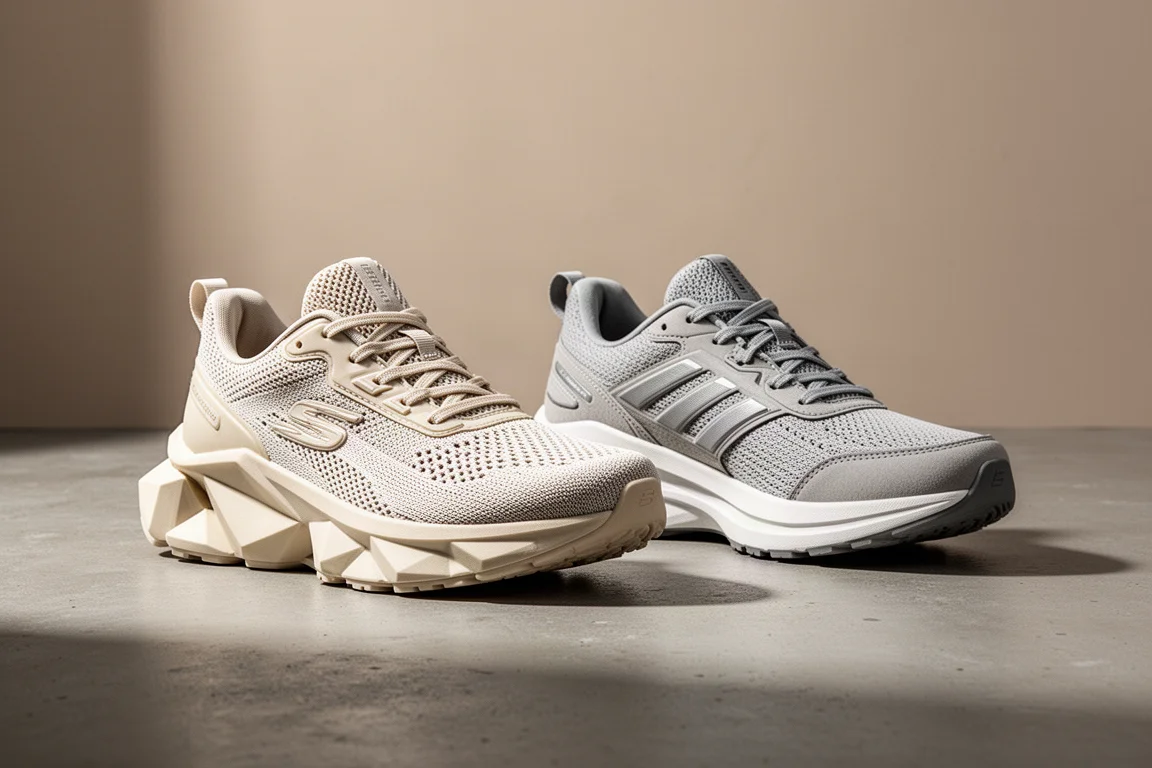
The ASICS Novablast line has never stood still. Each generation has shifted the balance, sometimes leaning softer and more cushioned, sometimes firmer and more responsive. The Novablast 4 was the firmer, snappier chapter, improving on the Novablast 3 at faster paces. The Novablast 5 now swings back toward soft, with a new midsole foam tuned for added bounce and the goal of hitting that do-it-all daily trainer sweet spot.
Both shoes sit at the same £135 / $140 price point, so the real question is not which one is better value, but which ride suits your running.
Key Specs and What Changed
At first glance, not much separates the two shoes. The design sticks to the familiar Novablast blueprint: a geometric, max-stack midsole, a large rocker, and plush comfort details up top. Stack height is identical across both versions at 41.5mm in the heel and 33mm in the forefoot, with the same 8mm drop.
The differences are meaningful, though. ASICS shaved a little weight from the newest shoe: in a UK men’s 8.5, the Novablast 5 weighs 8.9oz (251g) compared to 9.4oz (267g) for the Novablast 4. There is also a new midsole foam, a wider footprint, new uppers, and an updated outsole pattern.
ASICS Novablast 5: Softer and Bouncier
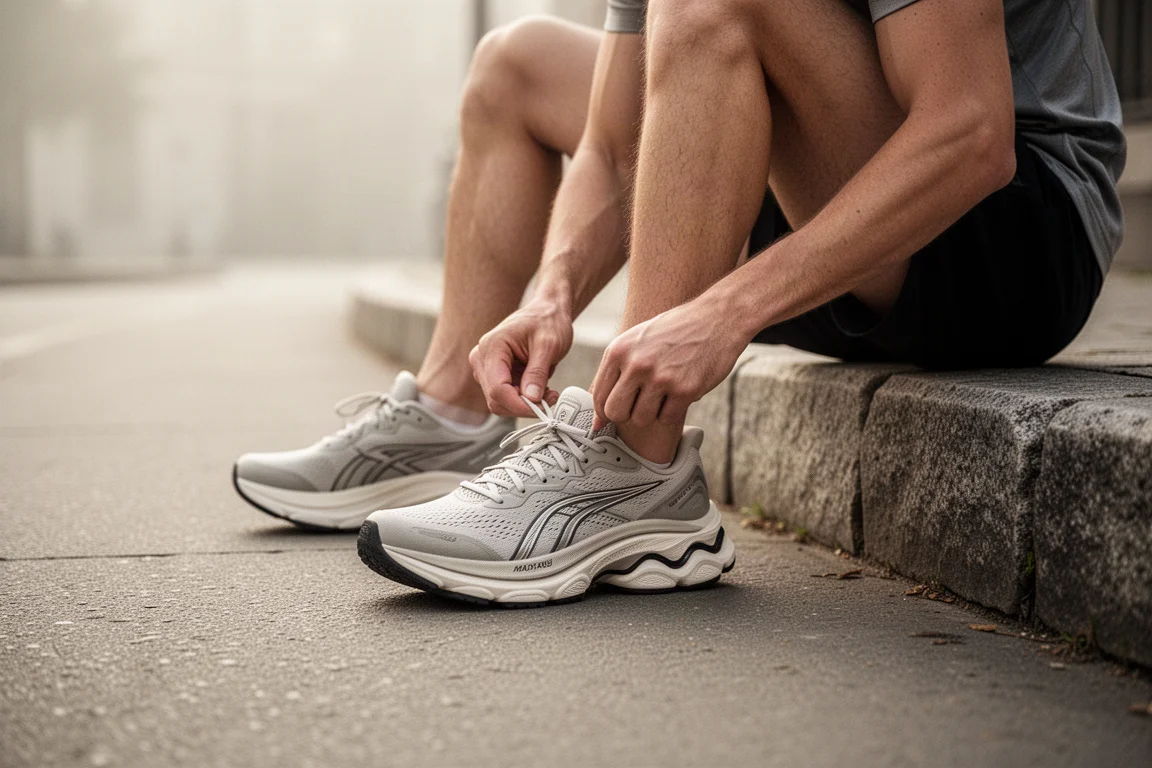
The Novablast 5 is the only shoe in the range with a full midsole of FF Blast Max, a foam first seen in the ASICS Glide Ride Max. ASICS claims this max-stack foam offers around 88.5% more bounce than the midsole in the Novablast 4. The woven upper of the previous version has been replaced by a more premium jacquard mesh that takes styling cues from the Superblast 2, improving breathability and adding a natural stretch that holds the foot without restricting it. The heel collar is slightly more padded, and a tongue-pull lace loop has been added to the top of the tongue.
On the run, the softer foam delivers a protective, forgiving ride. The redesigned heel bevel gives heel strikers a slightly smoother landing zone, and the reduced heel extension makes the shoe feel more compact and nimble than its weight suggests. The trade-off shows up at speed: pick up the pace and the midsole can feel a little sluggish, dulling the energy return exactly when you want it most. It amplifies how you are running on the day. When you are moving light and well, it responds generously; when you are heavy-legged, you have to work a bit harder.
ASICS Novablast 4: Firmer and More Versatile
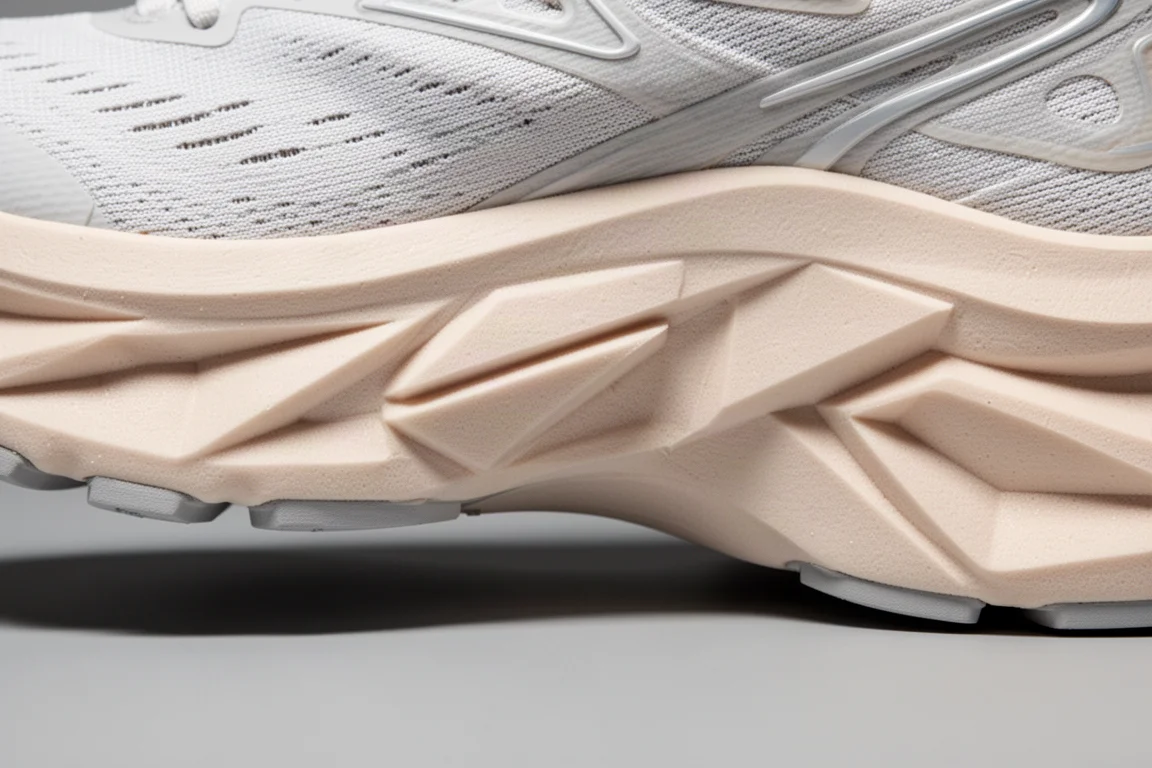
The Novablast 4 uses FF Blast Eco Plus, which is firmer in comparison to the newer FF Blast Max. That firmness brings a naturally more stable feel, a bit of snap in the transition, and better immediate responsiveness. It suits tempo work and uptempo moderate paces particularly well, while still remaining cushioned enough to eat up easy miles.
The upper sits a little closer across the midfoot, with more structure holding the top of the toes, which some runners will prefer. It is a shoe that does a lot of different types of runs competently: longer sessions, easy days, and faster efforts all fit within its range, even if it does not excel at any single one. If you want one trainer to cover nearly everything in a training block, the Novablast 4 remains a genuinely versatile pick.
View more details for Asics Novablast 4
Ride Comparison: Softness Versus Snap
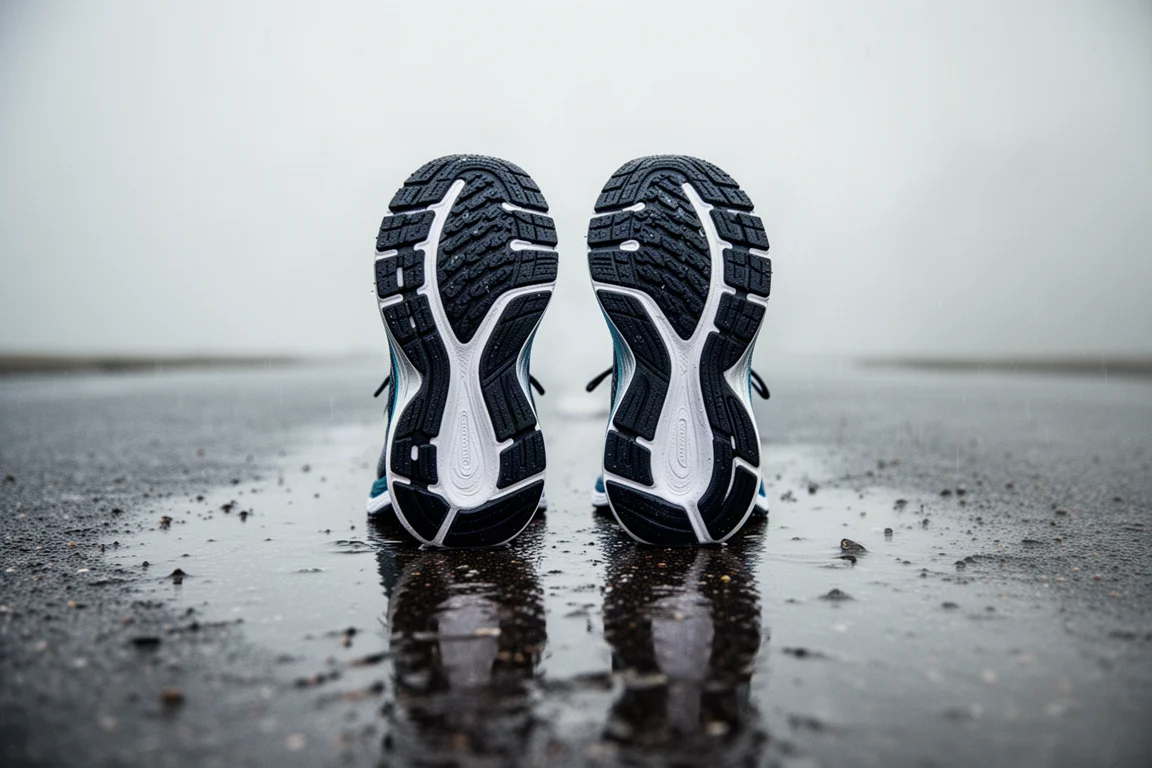
Both shoes share the same rocker geometry, and that smooth rolling feel is the dominant sensation in either version. Both have good grip on wet pavements, though neither gets ASICS’s top-tier AHAR Plus rubber found on the Superblast 2. The Novablast 5 does carry a bit more rubber on its outsole, which should help durability and longer-run wear, while the newer shoe also runs slightly slappier, likely due to its revised outsole material.
In practice, the two shoes deliver similar capability in different ways. The Novablast 5 is better suited to easy and moderate paces, where its softness and comfort shine and its smoother heel bevel keeps things ticking over nicely. The Novablast 4 rewards a more consistent, uptempo approach, with a firmer, snappier feel that makes quicker sessions more satisfying. Neither is the right choice for all-out top-pace running, where shoes like the Superblast 2 or more compact, nimble options do a better job.
Buying Advice
Both are solid, comfortable daily trainers at the same price, and either can cover everything from slow easy miles up to tempo runs. The choice comes down to ride preference:
- If you like shoes that are softer and bouncier, with maximum cushioned comfort for easy and long runs, the Novablast 5 is the better bet. It is roomy in the toe box, lighter on the foot, and true to size for most runners.
- If you prefer a stiffer, snappier, more responsive ride with a versatile edge for faster sessions, the Novablast 4 is the way to go. It is a slightly firmer but more consistent shoe across paces.
Since the Novablast 4 is the older shoe, it may be worth hunting for a deal: at even a modest discount, it becomes a very compelling option for value-focused buyers.

Conclusion
The Novablast 5 and Novablast 4 are more different than their shared silhouette suggests. The newer shoe is a small but genuine improvement for runners who prioritize softness and comfort, while the outgoing version keeps a firmer, more versatile character that many will still prefer. Neither can go wrong as a reliable mid-range daily trainer. Pick the ride feel that matches how you actually run, and both represent good value in the daily trainer market.
Further reading
Related Reviews

Running Shoes
Best Road-to-Trail Running Shoes: Three Versatile Options for Mixed Terrain
A practical guide to three road-to-trail running shoes that handle both pavement and mild trails, with clear strengths and trade-offs for different runner types.

Running Shoes
Best Running Shoes for Achilles Tendonitis: Three Options Explained
Three running shoes with different heel drops and support features designed to help reduce Achilles tendon pain during walking and running.

Running Shoes
Best Running Shoes for Women: Five Top Choices Ranked
A ranked guide to five women's running shoes, from versatile daily trainers to high-performance racing options, with real strengths and trade-offs for each.