Running Shoes
Asics Novablast 5 vs Nike Pegasus 41: Two Mid-Range Daily Trainers Compared
A head-to-head look at two of the most popular neutral daily trainers, covering ride, fit, weight, and which runner each shoe suits best.
Introduction
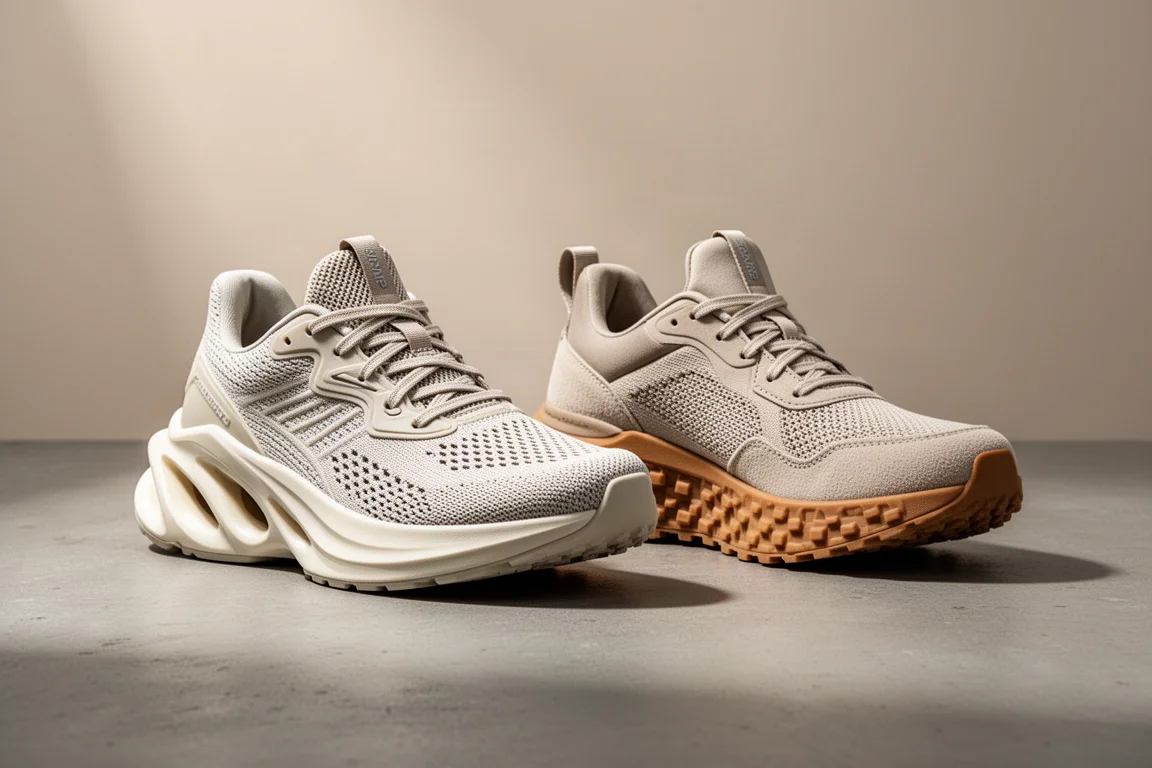
The Asics Novablast 5 and Nike Pegasus 41 are both mid-range neutral running shoes sitting just below their brands’ flagship cushioned models. The Novablast slots beneath the GEL Nimbus in Asics’ range, while the Pegasus sits under the Vomero and Invincible at Nike. Priced identically at £135/$140 for the Novablast 5 and £130/$140 for the Pegasus 41, they are the natural starting point for runners eyeing the “properly expensive” tier without committing to it.
Both are workhorse daily trainers rather than headline-grabbers, and both have broad appeal, from newer runners to experienced ones looking for a comfortable easy-day shoe. Here is how they break down.
Design and Construction
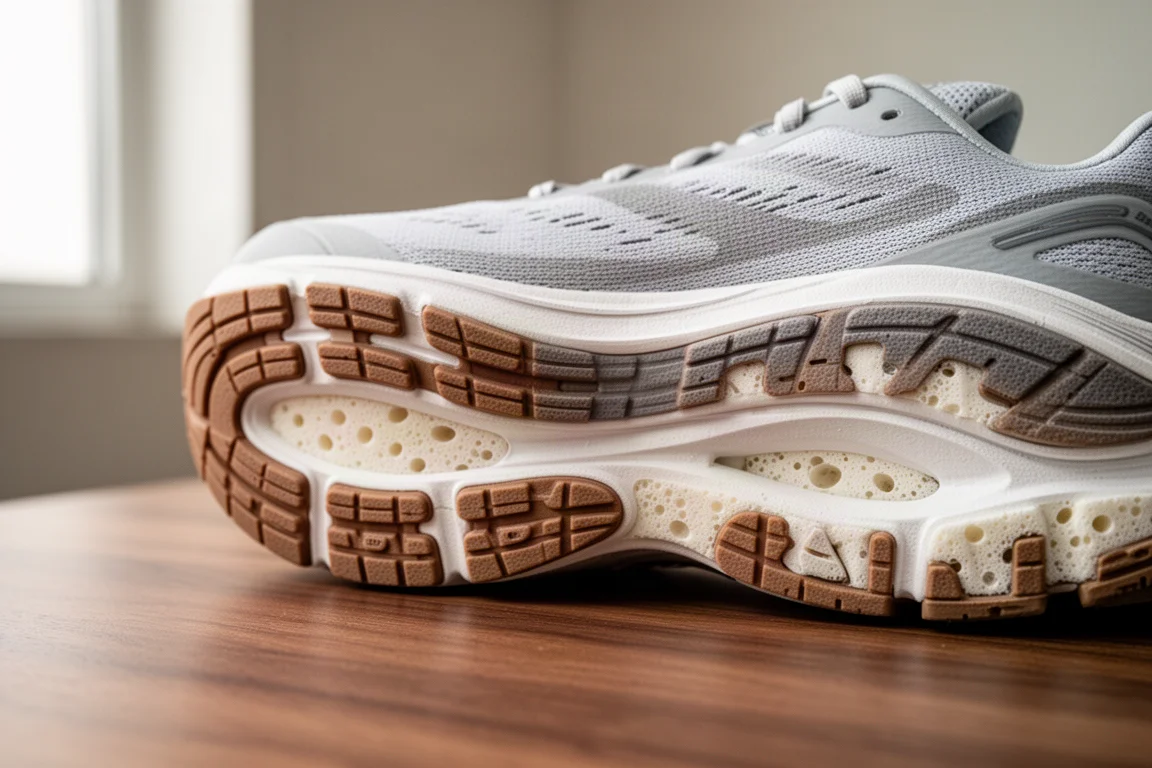
The Novablast 5 uses a jacquard mesh upper with an FF Blast Max Plus midsole, a newer Asics foam that is slightly softer than the previous Novablast’s foam. The geometry stays close to older Novablast models, with sidewalls of foam for extra stability and a noticeable rocker. The AHAR low rubber outsole offers decent coverage, though with more exposed foam than the Pegasus.

The Pegasus 41 pairs an engineered mesh upper with generous padding around the tongue and heel, more padded on the tongue than the Novablast, with a ReactX midsole and Air Zoom pods under both the heel and forefoot. Its waffle-tread outsole has good coverage and a fairly thick layer of rubber. In terms of numbers, the Novablast is the lighter shoe at 274g (9.7oz) in a UK 9 versus 291g (10.3oz) for the Pegasus in the same size, with an 8mm drop versus 10mm. The Novablast also has the higher stack, just over 40mm at the heel, while the Pegasus is understood to sit just under.
Fit and Sizing
Both shoes run true to size and both tested comfortably in regular sizing. The key difference is the toe box: the Novablast 5 is noticeably roomier up front, with roughly a full thumb’s width of space and good vertical clearance. That makes it a strong pick for longer runs where black toenails are a concern, though runners who prefer a snugger fit might consider going half a size down.
The Pegasus 41 feels more close-fitting across the top of the toes while still being flexible and easy to wiggle in. Both shoes are easy to slip on, lock down well across the midfoot, hold the heel securely with internal heel counters, and caused no heel slipping or irritation in testing. Runners with narrow feet may notice the extra Novablast room in the toe box, but it was not a problem in practice.
Ride and On-Foot Feel
The Pegasus 41 delivers a classic, disappearing feel on the foot: light, unfussy, instantly comfortable, and protective without being overly soft or laboured. It easily eats easy miles and has some bounce from the ReactX foam and Air Zoom pods, making it capable, if not remarkable, at faster paces. It ticks over well but was not a favourite for fast sessions, and it has very little rocker. Its more compact, lower-stack build makes it the more stable and controlled of the two, with better ground feel.

The Novablast 5 offers a smoother, springier ride that responds well on tarmac when form is good and pace is up. It feels energetic and cushioned enough for slower paces, though on heavy-leg days with poorer form the softness can feel a bit soggy. The higher stack brings a touch of wobble at slower paces and further back on the heel, so it is not quite as reliable underfoot as the Pegasus. At the heel, both shoes deliver similarly soft landings, but the transition is smoother and quicker in the Novablast thanks to its stronger rocker, while the Pegasus feels slightly slappy when the pace lifts. The Novablast also has more cushioning under the forefoot, where the Pegasus can feel a little thin, and a bit more pop at faster paces partly because it is lighter.
Verdict: Which One Should You Buy?
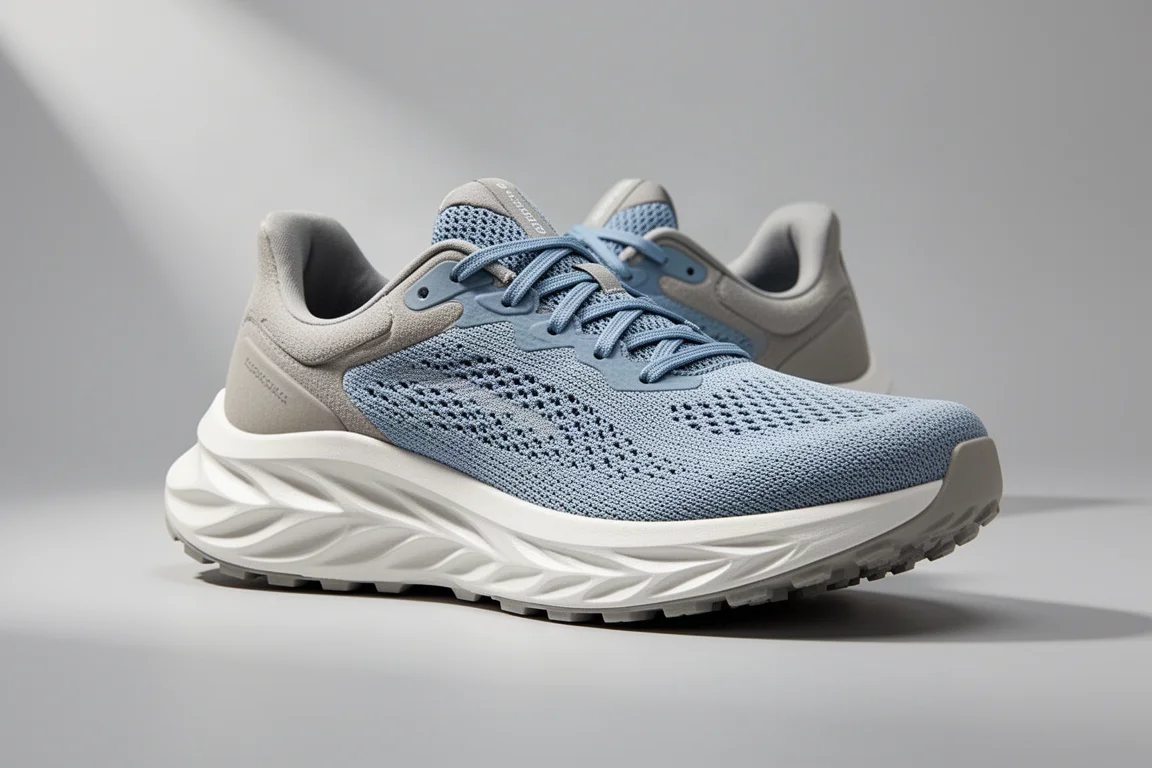
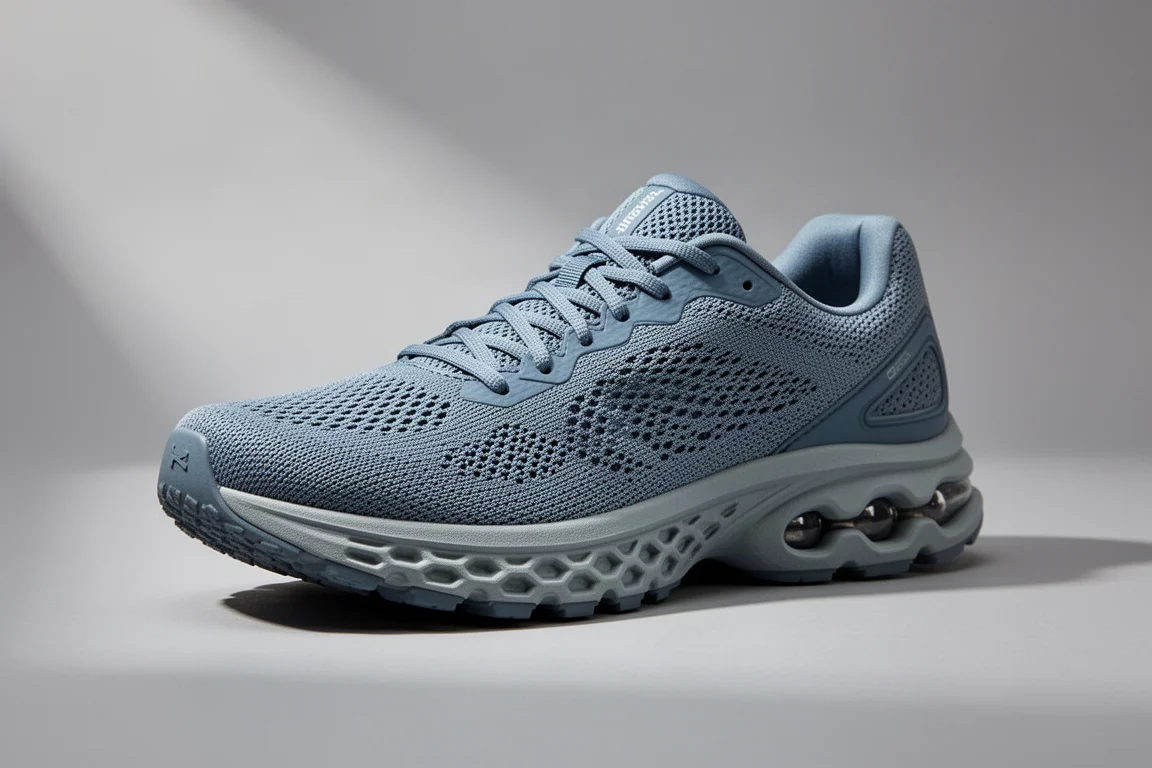
The choice comes down to a more traditional mid-stack shoe in the Pegasus 41 versus a max-stack, more modern design in the Novablast 5. If you want a softer, bouncier, lighter and more protective ride that feels energetic when you are running well, the Novablast 5 is the better bet. If you want a versatile, stable, more controlled and traditional ride with excellent durability and broader outsole coverage, the Pegasus 41 fits that brief, and it is also the pick for a utility shoe that doubles between gym work and roads.
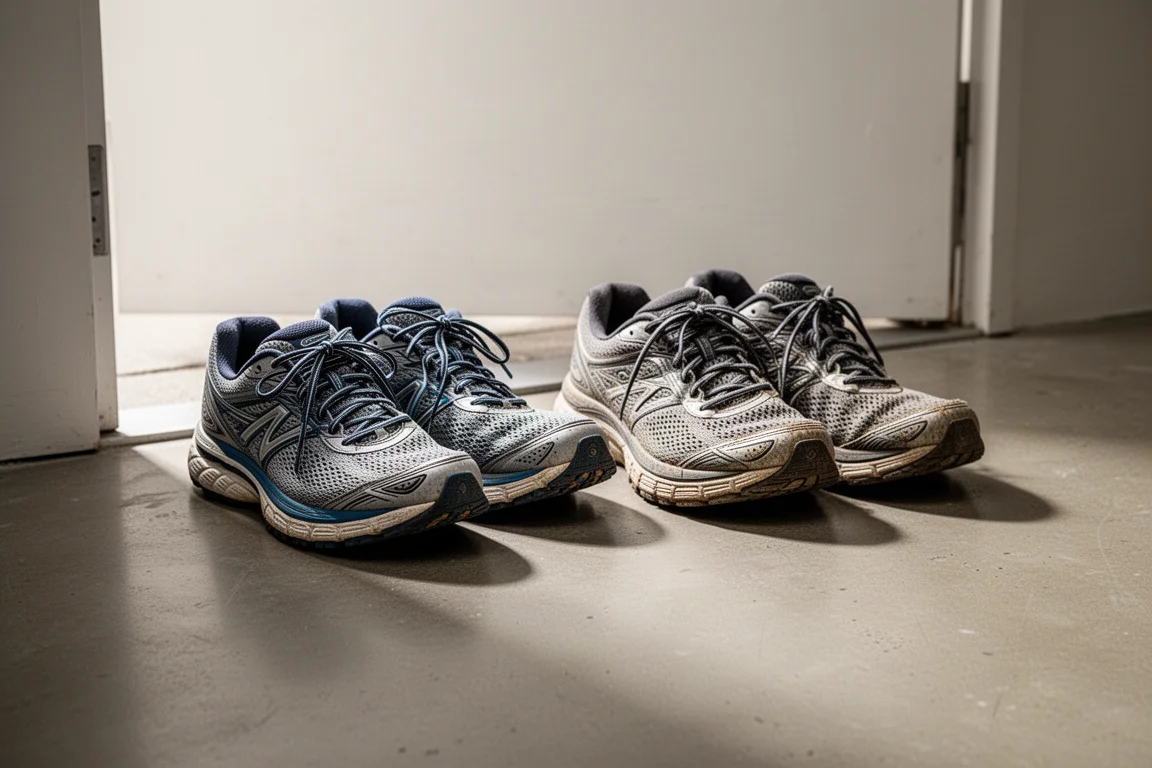
The Pegasus is also very frequently reduced, so if you can find it well under £100 it represents genuinely strong value, and it works nicely as a lifestyle shoe too. For pure running, though, the Novablast 5 edges it: more forefoot comfort, a smoother rocker-driven transition, more comfort over long miles, and a slightly faster feel overall. If choosing one shoe for a rotation, the Novablast 5 is the close-call winner.
Conclusion
Both are very capable workhorse daily trainers and among the top picks for beginner runners, while remaining appealing to runners of all levels. They are best positioned at the easy end of a rotation, paired with something faster for hard sessions. Pick the Novablast 5 for a bouncier, smoother max-stack ride, or the Pegasus 41 for stability, versatility, durability and sale-price value.
Further reading
Related Reviews

Running Shoes
Best Road-to-Trail Running Shoes: Three Versatile Options for Mixed Terrain
A practical guide to three road-to-trail running shoes that handle both pavement and mild trails, with clear strengths and trade-offs for different runner types.

Running Shoes
Best Running Shoes for Achilles Tendonitis: Three Options Explained
Three running shoes with different heel drops and support features designed to help reduce Achilles tendon pain during walking and running.

Running Shoes
Best Running Shoes for Women: Five Top Choices Ranked
A ranked guide to five women's running shoes, from versatile daily trainers to high-performance racing options, with real strengths and trade-offs for each.