Running Shoes
Asics Novablast 5 vs New Balance 1080 v14: Which Cushioned Daily Trainer Wins?
Two of the most popular cushioned daily trainers have converged in ride feel. Here is how they stack up on foam, fit, weight, price and versatility.
Introduction
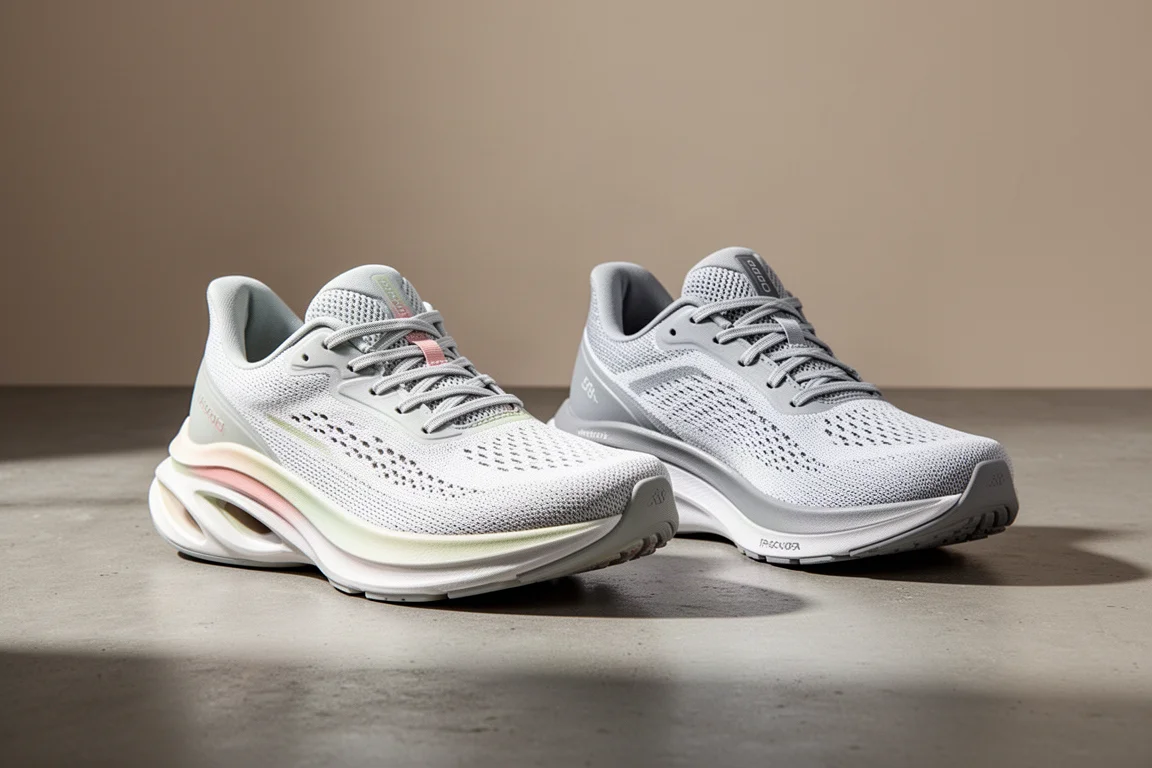
Cushioned daily trainers rarely get compared as closely as the Asics Novablast 5 and the New Balance 1080 v14. Both are flagship comfort-first trainers, and both received meaningful updates this generation that arguably brought them closer together in what they deliver. Each is shooting for a little more versatility than before, and each is a genuine candidate for the single pair of shoes that covers all of your easy miles.
So which one is better, which one suits which runner, and is the difference worth the price gap? Here is how they compare after extensive testing across easy runs, long runs and faster efforts.
Two Cushioned Trainers Moving Closer Together
The interesting story here is convergence. The Novablast 5 runs softer than the punchy Novablast 4, while the 1080 v14 has added a touch of firmness and resilience compared with the very soft 1080 v13. The result is two shoes that are now much closer in the type of ride they deliver than their previous generations were.
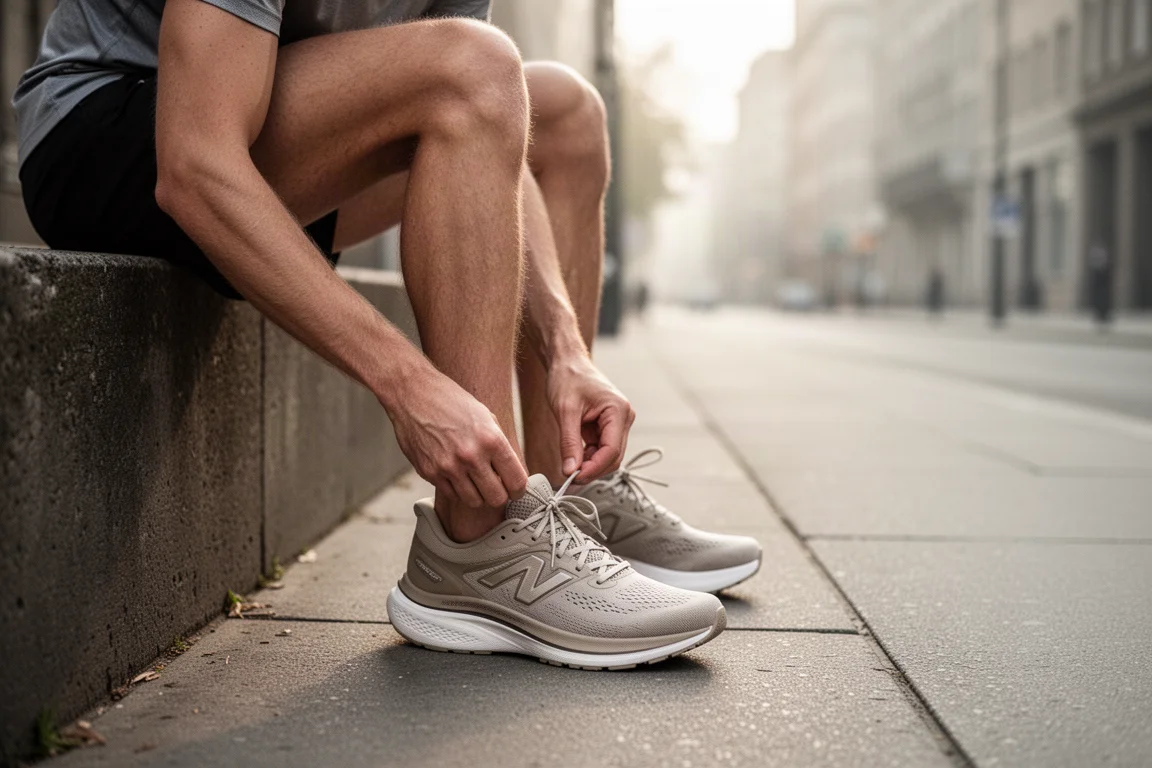
Both shoes remain firmly in the world of comfortable daily miles. Neither is designed as a dedicated interval or race shoe, but both can handle a bit more than pure slow running if needed. The differences that matter come down to foam character, fit and price.
Specs at a Glance
| Spec | Asics Novablast 5 | New Balance 1080 v14 |
|---|---|---|
| Heel stack | 41mm | 38mm |
| Forefoot stack | 33mm | 32mm |
| Drop | 8mm | 6mm |
| Weight (UK 8.5) | 8.9oz / 251g | 10.1oz / 285g |
| Price | $140 / £135 | $165 |
The Novablast 5 is the lighter shoe by around 20g in a like-for-like size, a small margin in the grand scheme of things, but noticeable if you want the airier feel on foot. The New Balance carries a higher price tag at $165 versus $140.
Asics Novablast 5: Soft, Plush, Comfort First
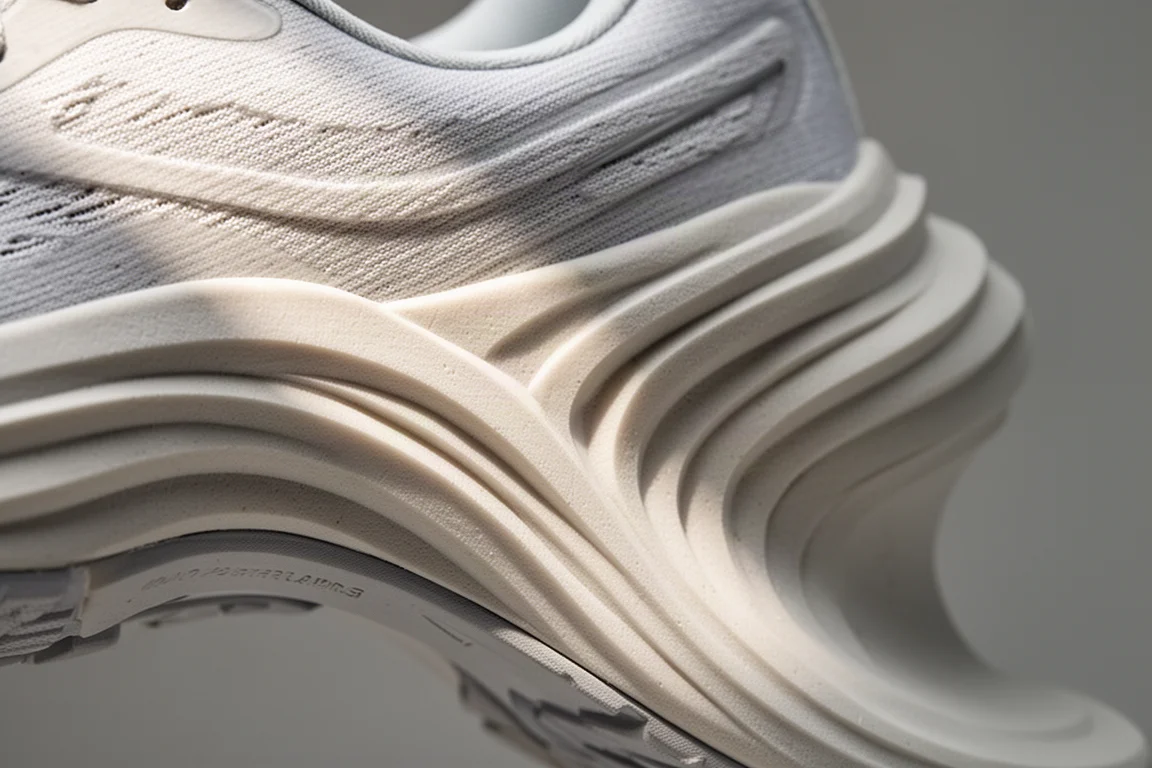
The Novablast 5 sticks largely to the Novablast blueprint: a max-stack midsole, a pronounced rocker, and a wide forefoot platform, now built on Asics’ newer FF Blast Max foam. The heel extension has been reduced, and the heel bevel has been shaved down slightly, which gives a more natural rocker feeling from the back of the shoe and makes it easier to roll through the foot strike.
The ride is smooth, controlled and very comfortable. It responds well on toe off and feels springy but controlled when you are feeling good and pushing the pace. Because it is softer than the Novablast 4, though, there is a trade-off: on heavier legs or slower paces it can occasionally feel a touch soggy, and when you genuinely try to run fast, the foam sinks in more than ideal. This is a shoe best suited to easy runs, recovery runs and comfortable longer efforts at a consistent pace.
Outsole coverage uses Asics’ standard AHAR low rubber rather than the grippier AHAR Plus found on the Superblast 2, so grip is decent on dry pavement but average in wet conditions. Durability looked good in testing, with less visible wear than on the New Balance.
The fit is the roomiest of the two: spacious, airy and generous in the toe box, which makes it a strong pick for wide feet, high-volume feet, or runners planning very long hours on their feet. Some runners with narrower feet find it a little too roomy, but the heel and midfoot hold securely. It runs true to size.
New Balance 1080 v14: Balanced, Snappy, Refined
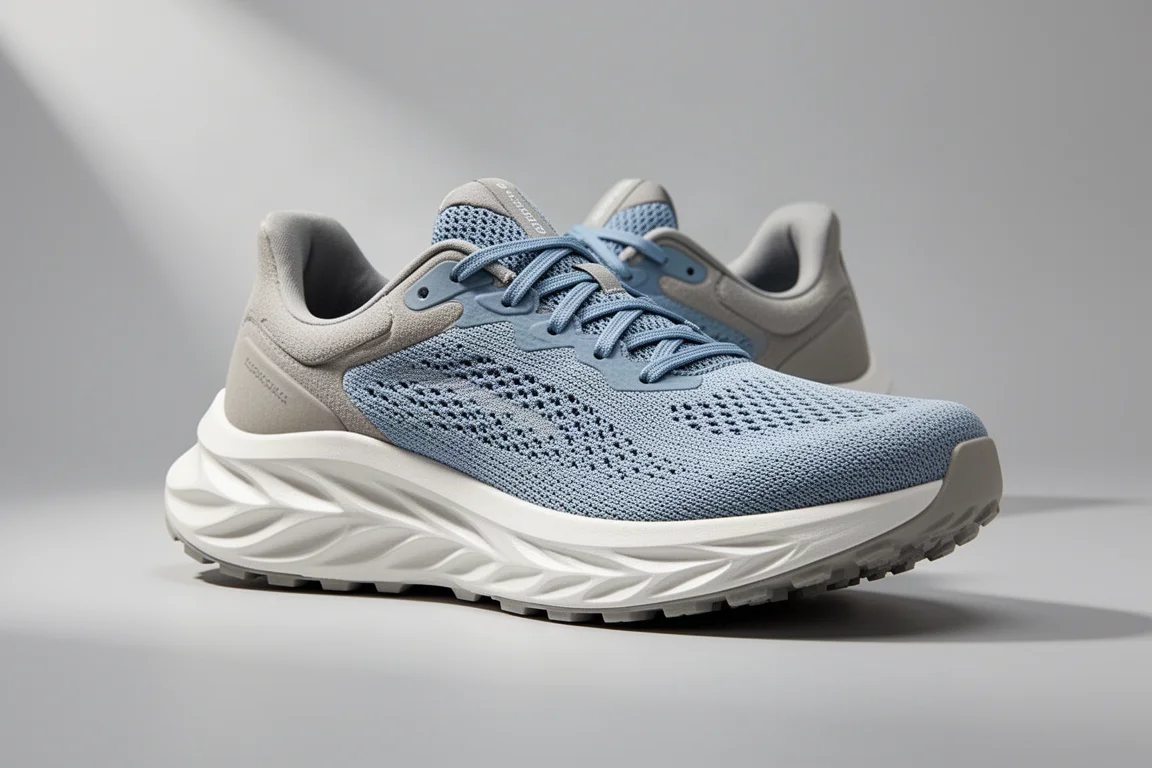
The 1080 v13 was a polarizing shoe: exceptionally soft, but for many runners it lost stability and felt like getting lost in the foam. The v14 updates the Fresh Foam X midsole to a more balanced character: soft enough to stay comfortable, but with noticeably more resilience, quicker foam return and snappier transitions than the v13. It rolls through the foot strike smoothly and gives you a better platform to push against.

The upper is engineered mesh that hugs the foot more closely, with a plumper padded tongue and a slightly more structured, less airy fit than the Novablast. Some runners find it snug across the top of a high midfoot, and a half size up is worth considering if you prefer more room. For average-width feet, it fits true to size and feels very secure.
On price, durability and overall polish, the 1080 v14 presents as the more refined shoe, and the Fresh Foam X here is arguably the livelier, nicer foam of the two. It is a very good all-around cushioned daily trainer that rewards consistent-pace tempo work a little more readily than the Novablast 5, while still being firmly an easy-and-long-distance shoe rather than a fast workout shoe.
How the Rides Actually Compare
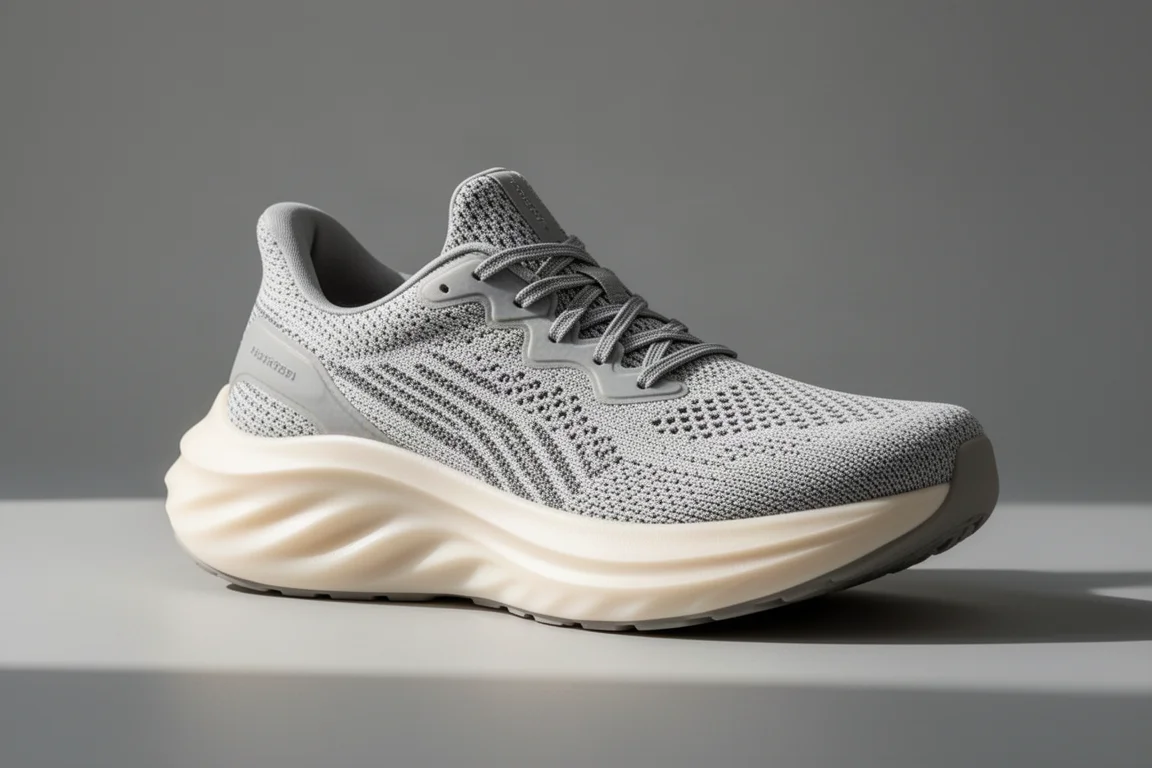
Run side by side, the differences become clear. The Novablast 5 achieves its energy through bounce: it sinks slightly, then returns and propels with a springy, bouncy sensation, helped by its lighter weight on foot. The 1080 v14 compresses less and returns more immediately, leading to a smoother, quicker, slightly firmer roll through each transition.
Both offer oodles of comfort, similar road protection from their generous stacks, and reliable, stable platforms underfoot, with perhaps a small edge in stability for the New Balance on forefoot landings. Both outsoles are fairly average in terms of grip, fine on dry roads but not exceptional in the wet. For most runners, if you can wear one comfortably, you can wear the other.
Head to Head: Which One Should You Buy?
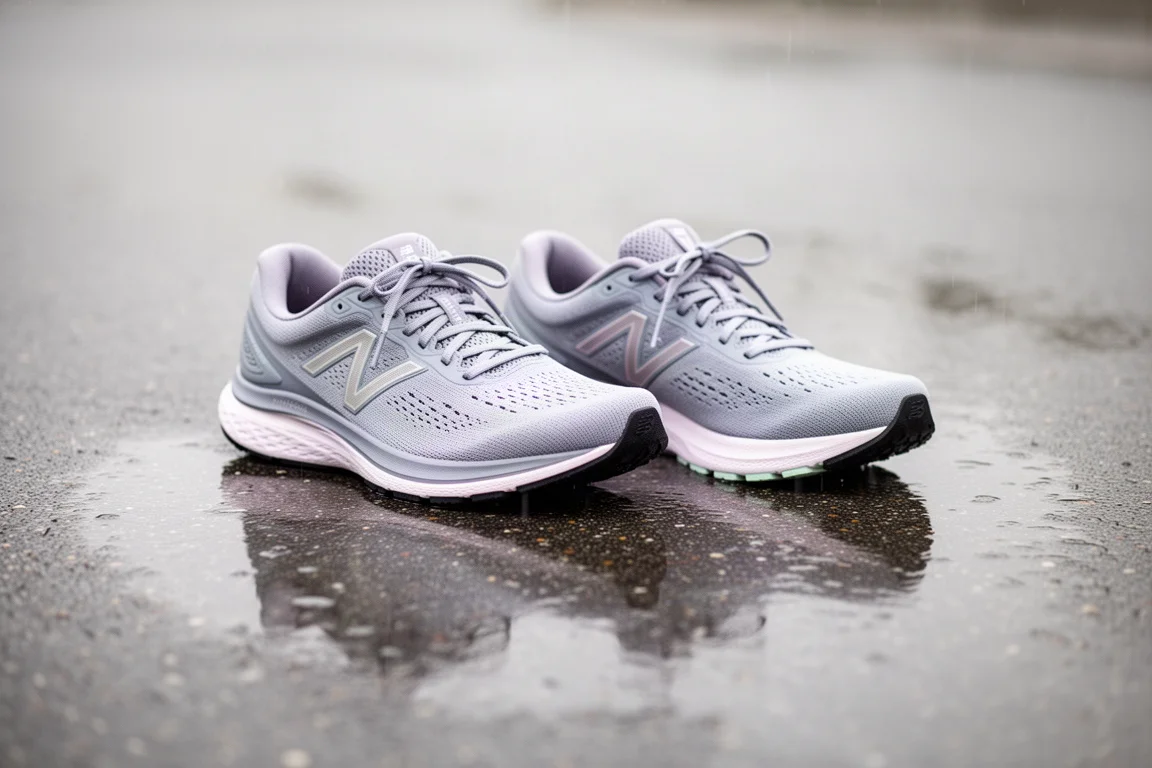
Testing impressions varied, which tells you how close these shoes really are. Some testers favored the 1080 v14 for its balanced, more premium ride feel and slightly better all-around versatility, especially for beginners or runners who want one pair that can stretch to the occasional faster session. Others leaned toward the Novablast 5 for its lighter, roomier fit, better outsole durability, and notably lower price: essentially the same comfort and protection for less money.
A few practical pointers:
- If you want maximum comfort and room, particularly for wide feet or long ultras, the Novablast 5 is the more accommodating shoe.
- If you want the best overall ride quality and a bit more resilience at moderate paces, the 1080 v14 edges ahead, provided the snugger fit suits your foot shape.
- If you loved the versatile Novablast 4, be aware the 5 is a step softer and less versatile; if you can still find the Novablast 4, it remains worth considering, as is something like the Saucony Ride 17 in the same versatile daily trainer space.
- Both run true to size for most testers, with the New Balance worth a half size up if you have high-volume feet.
Conclusion
These are two very good cushioned daily trainers that have converged on the same mission: comfortable, protective miles at easy to moderate paces. If the price were equal, the 1080 v14’s more refined Fresh Foam X ride would make it the pick for many testers. But because the Novablast 5 delivers a very similar experience for less money, it shades the comparison as the better-value choice overall. Pick the 1080 v14 if you value ride quality and a dialed-in fit and are happy to pay more; pick the Novablast 5 if you want maximum room, a lighter feel, and the same comfort for less.
Further reading
Related Reviews

Running Shoes
Best Road-to-Trail Running Shoes: Three Versatile Options for Mixed Terrain
A practical guide to three road-to-trail running shoes that handle both pavement and mild trails, with clear strengths and trade-offs for different runner types.

Running Shoes
Best Running Shoes for Achilles Tendonitis: Three Options Explained
Three running shoes with different heel drops and support features designed to help reduce Achilles tendon pain during walking and running.

Running Shoes
Best Running Shoes for Women: Five Top Choices Ranked
A ranked guide to five women's running shoes, from versatile daily trainers to high-performance racing options, with real strengths and trade-offs for each.