Running Shoes
Asics Novablast 5 vs Gel Nimbus 27: Two Cushioned Daily Trainers, One Clear Value Pick
A close comparison of Asics' mid-range neutral daily trainer and its premium cushioned flagship, covering fit, ride feel, outsole grip, and which one makes more sense for most runners.
Introduction
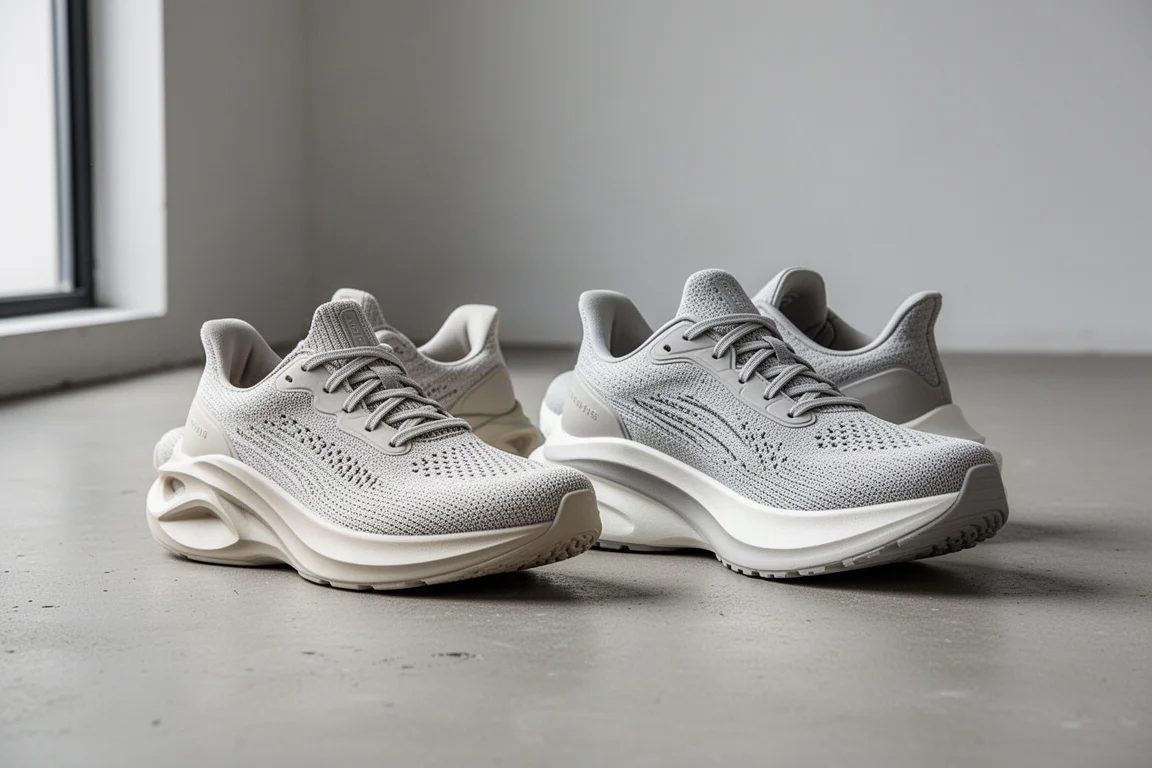
Asics’ latest updates to two of its most popular neutral trainers have landed closer together than ever. The Novablast 5, the more accessible daily trainer in the range, and the Gel Nimbus 27, the premium cushioned flagship at the top of the neutral line, now cover a surprising amount of the same ground.
Historically these two shoes sat further apart: the Nimbus was a plush recovery shoe, while the Novablast brought more versatility to daily training. With the current versions, both have become protective, comfortable cushioned trainers built mainly for easy runs, long runs, and the occasional progression session. That makes the choice between them less obvious, and more interesting.
How the Two Shoes Compare on Paper
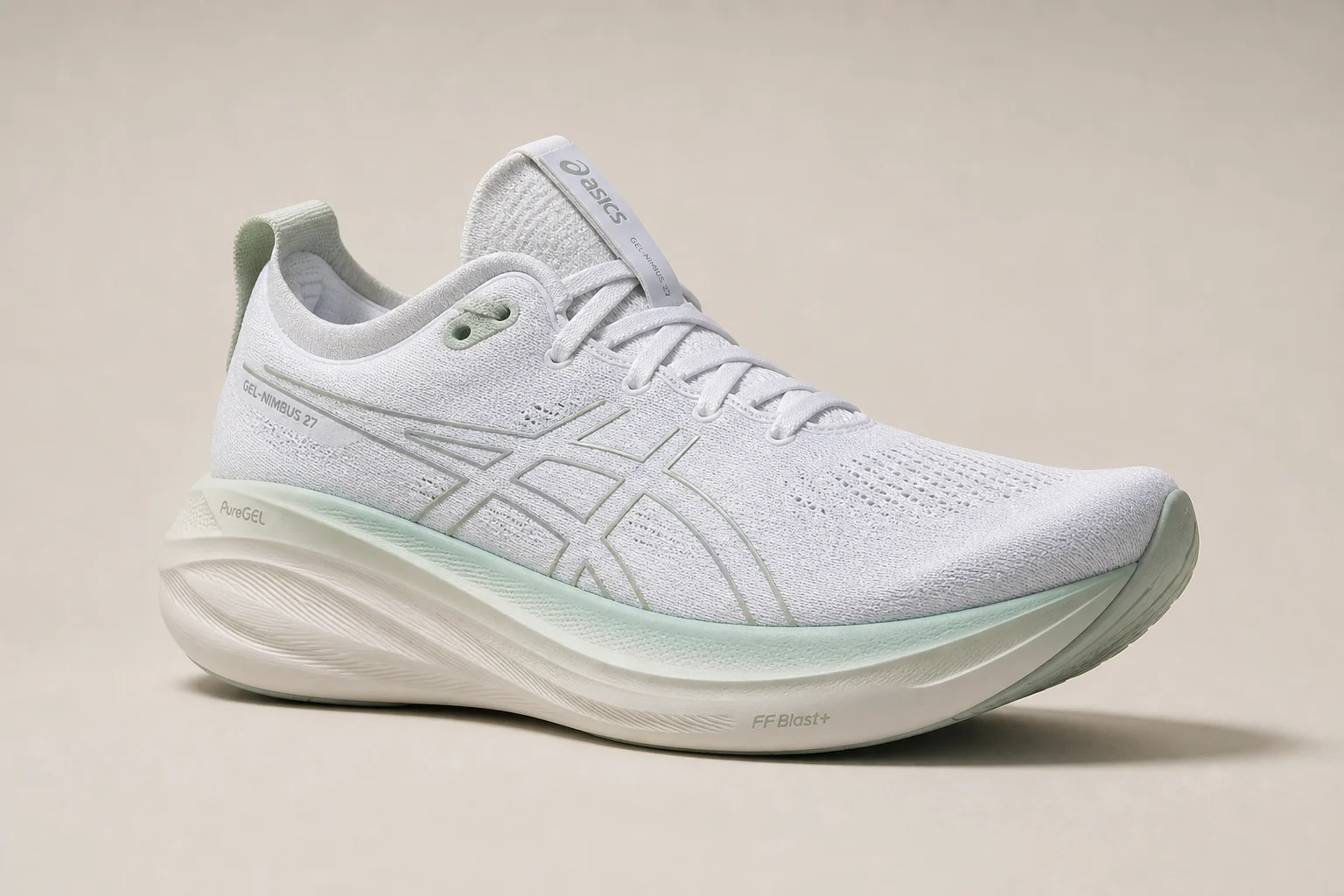
The Novablast 5 is positioned as the more affordable generalist option at £135 or $140, while the Gel Nimbus 27 costs £180 or $165, a price that hits harder in the UK. Both share an 8mm drop and similar geometry, but the Nimbus carries more shoe: 43.5mm of heel cushioning and 35.5mm at the forefoot, against 41.5mm and 33.5mm for the Novablast. The Nimbus is also noticeably heavier at 314g versus 274g for the Novablast, both tested in a UK 9.
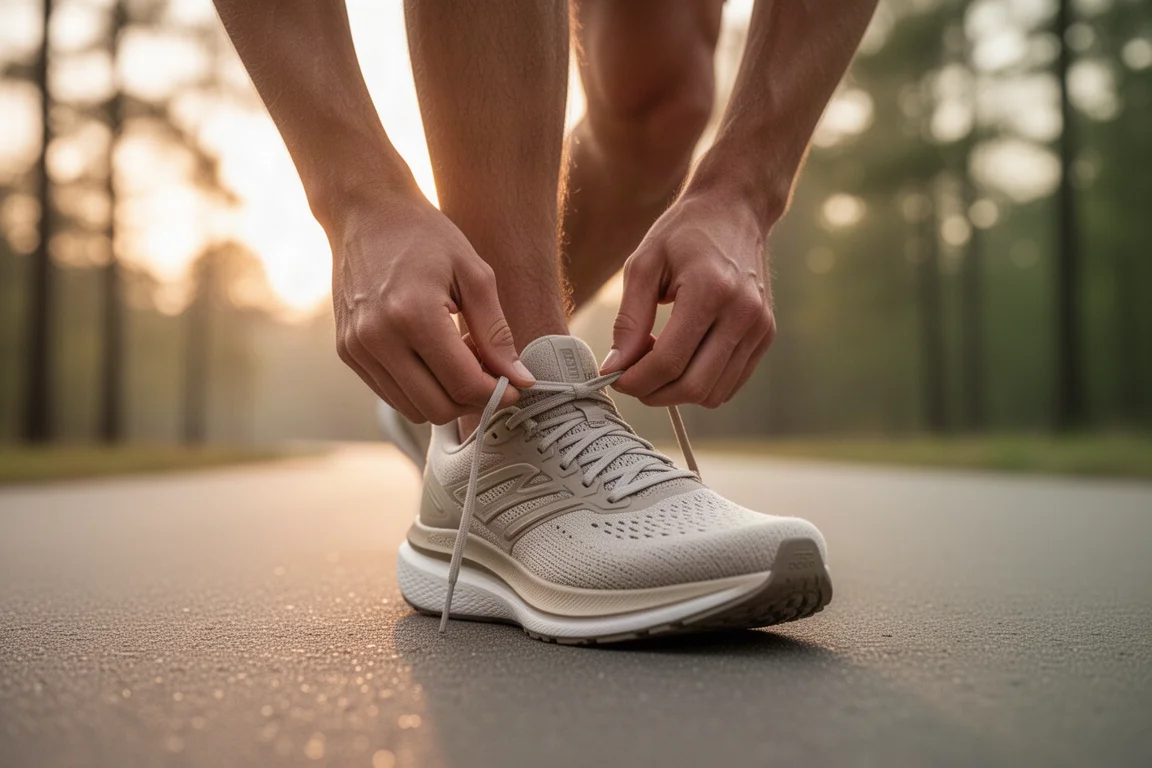
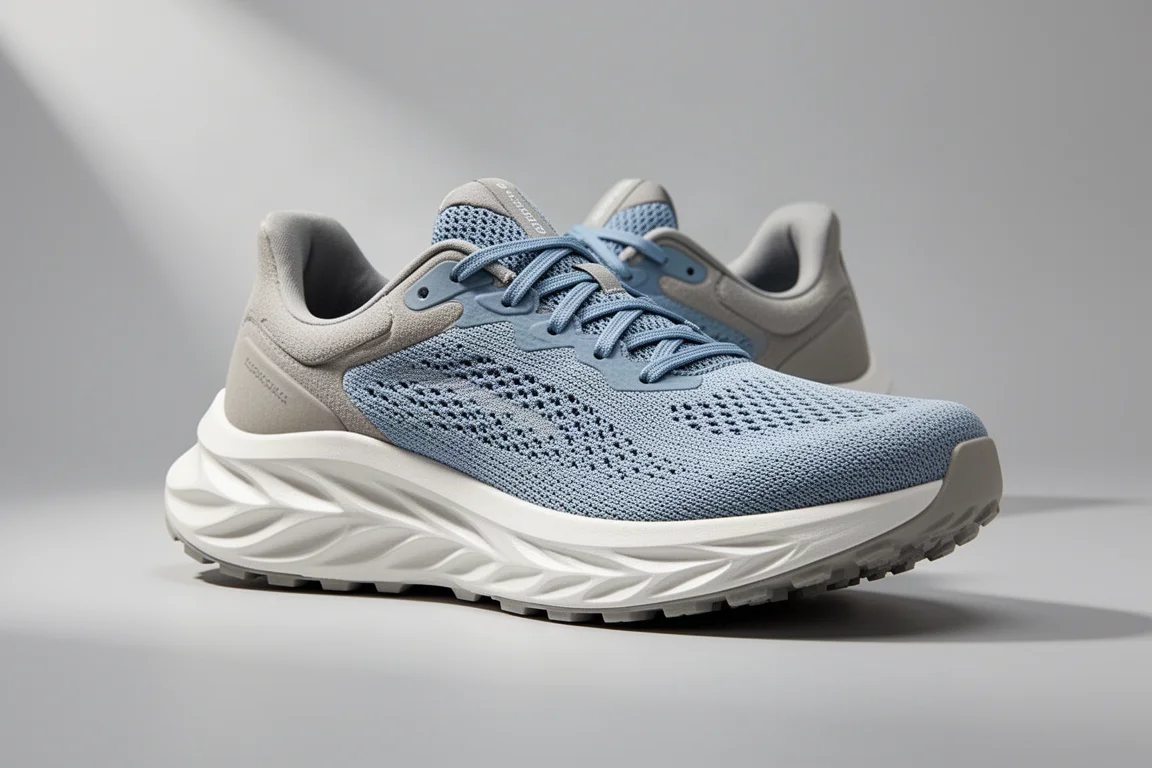
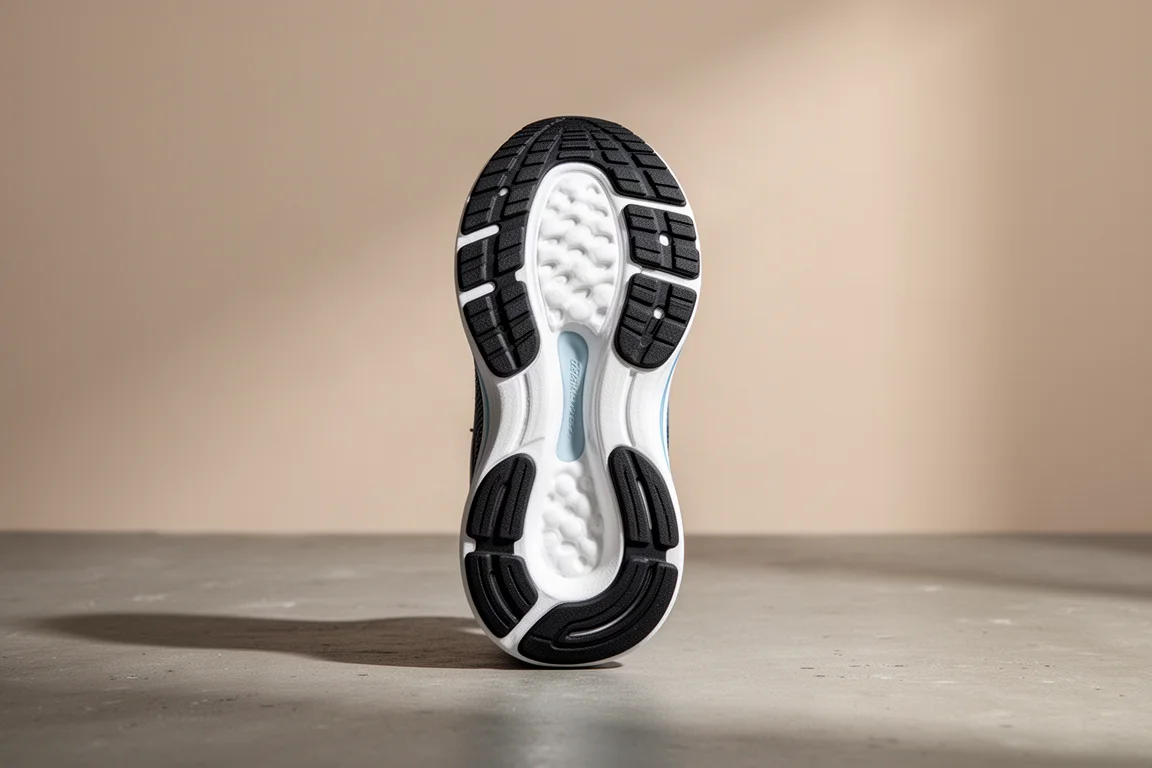
The midsole construction is the real differentiator. The Novablast 5 introduces a new FF Blast Max Plus foam, designed to be softer and lighter than the FF Blast Plus Eco foam used previously. The Gel Nimbus 27 continues with a slightly reformulated FF Blast Plus Eco midsole plus a pure gel insert under the heel for extra comfort. Both use a jacquard mesh upper, generous heel collar padding, and an internal heel counter, with an AHAR-based rubber outsole offering good heel and forefoot coverage over a partially exposed foam centre.
Fit and Sizing
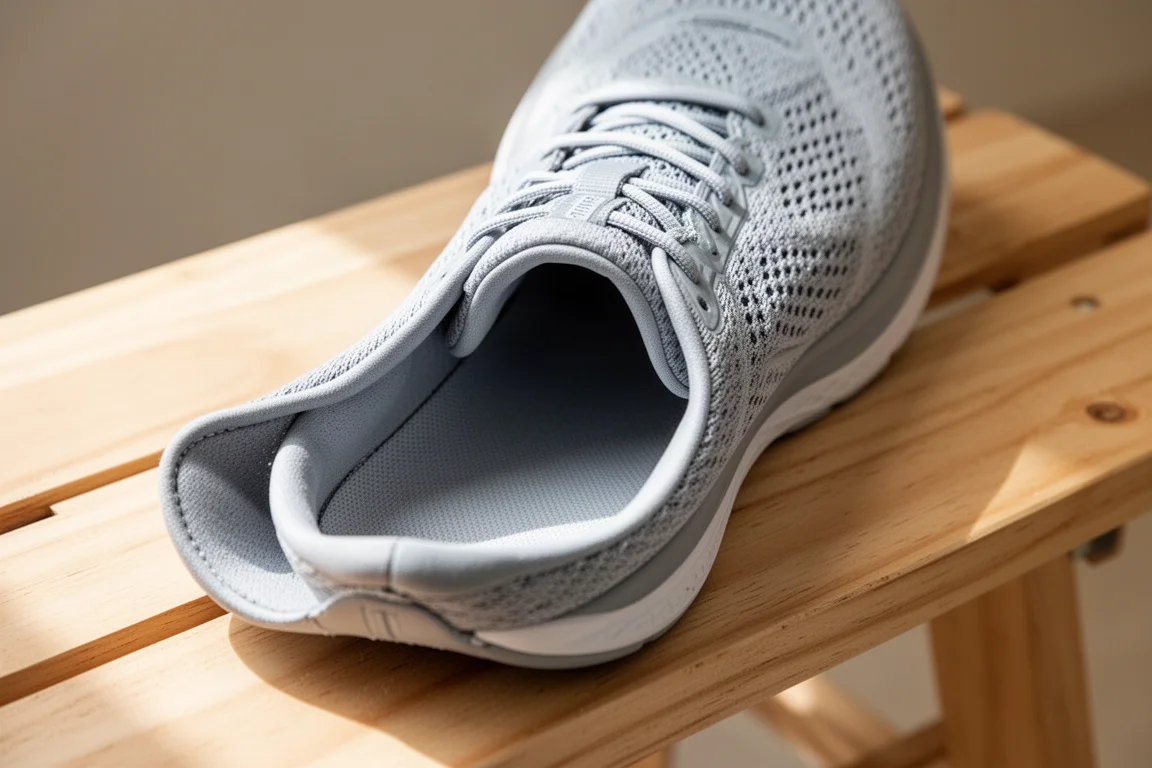
Both shoes run roomy, particularly through the toe box. If you spend long hours on your feet in a trainer, that forefoot space is welcome, and neither shoe felt restrictive in testing. The Gel Nimbus 27 is the more spacious of the two, with extra width throughout the platform, which some testers found bordering on slightly too roomy.
Midfoot hold is solid in both, with big padded heel collars locking the heel in place without irritation. The Nimbus’s upper materials feel slightly stretchier, so lockdown takes a touch more effort with the lacing, but it is not a significant difference.
The practical advice is simple: go true to size in both. If you are between two sizes, have narrow feet, and prefer a more dialled-in fit, going half a size down is worth considering given how generous the standard fit is. Wider-fit options are available for the Gel Nimbus 27, and some Novablast 5 versions also come in wider fittings.
Ride and Performance
The Novablast 5’s new FF Blast Max Plus foam is noticeably softer than its predecessor. On first contact it delivers a genuine sense of bounce and energy return, and it shines on easy and moderate-paced runs where the shoe rolls through smoothly. The trade-off is versatility: on faster sessions the foam can feel dull, as if you are hitting it too hard to get anything back. It is a softer, more comfort-focused shoe than the Novablast 4, which some runners will prefer, but it is a less all-round trainer as a result.
The Gel Nimbus 27 remains an all-out comfort shoe with a denser, more balanced midsole. It is not the softest foam in its class, which gives it a bit more responsiveness than you might expect, and this version is more versatile at moderate paces than previous Nimbus models. That said, it does not suit every stride equally: for midfoot strikers the flat midsole can feel noisy and slappy, with little rolling action or bounce to enjoy. Heavier runners and heel strikers are more likely to compress the foam properly and get more out of it.
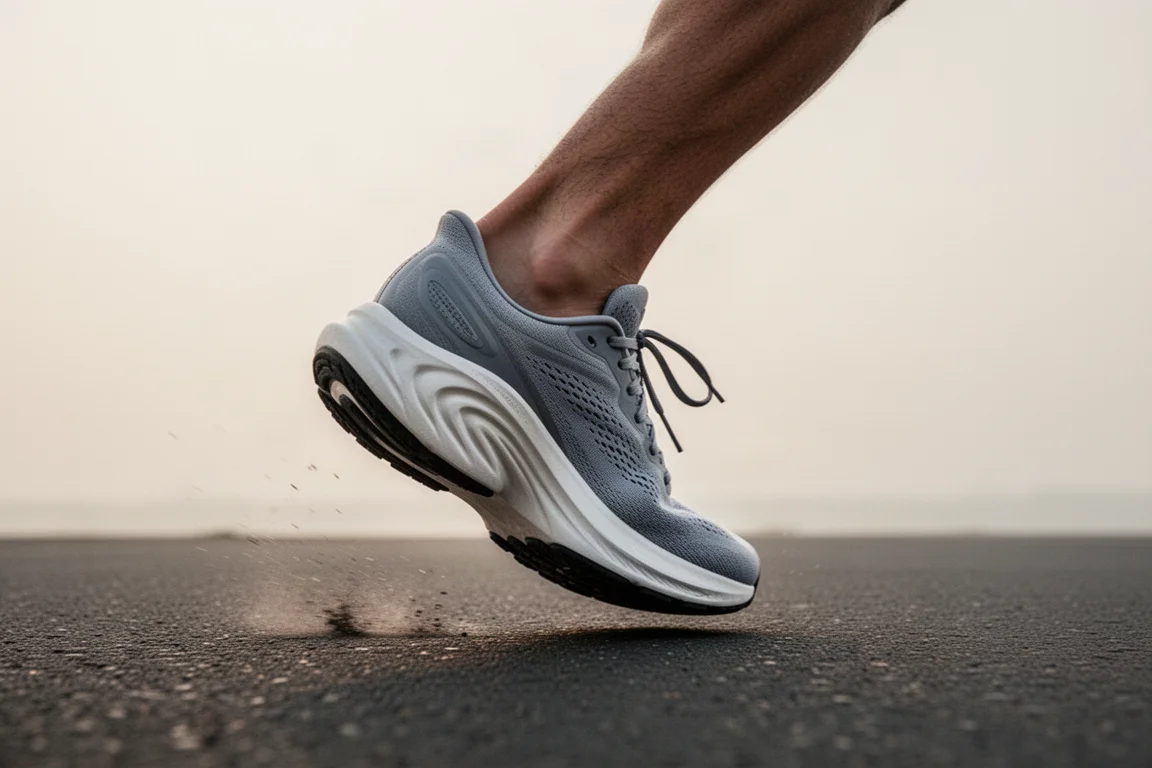
Side by side, the contrast becomes clearer. The Nimbus 27 is the softer, soggier ride that simply protects you from the road, ideal for slow and easy miles where comfort is the only goal. The Novablast 5 is the snappier, more agile shoe: lighter, nimbler, more willing to pick up the pace, and more willing to give something back when you put energy in. Both are stable, wide-platform shoes that eat road impact well over long miles.
Outsole and Durability
Outsole performance is very good on both shoes. The Gel Nimbus 27 uses AHAR-style rubber with slightly better coverage than the Novablast 5, though both still expose some midsole foam to reduce weight. There were no grip issues on wet ground in either shoe, and both handle roads, pavements, and lighter trails without trouble.
The Novablast 5’s outsole edges it slightly, with a good balance of grip across different terrain and a rubber compound that feels a touch softer underfoot. The Nimbus’s harder rubber is part of why it runs with a more pronounced slappy sound and feel.
Which Shoe Should You Buy?
For most runners, the Novablast 5 is the easier recommendation. It delivers a very similar level of cushioning and protection to the Gel Nimbus 27 in a lighter, nimbler package, with a nicer rolling action and transition on easy runs, and it costs considerably less. If the two shoes now do the same job, paying the premium is hard to justify unless you specifically need what the Nimbus offers.
The Gel Nimbus 27 still has a purpose. If you are a heavier runner, cover very high mileage, or want maximum stability and protection without stepping up to a dedicated stability shoe like the Gel Kayano, the Nimbus 27’s wider platform, firmer heel, and more supportive upper deliver a genuinely reassuring ride. Long-time Nimbus fans will also find this version familiar and comfortable. Just be aware that alternatives such as the New Balance More v5 or Brooks Glycerin Max offer comparable or better cushioning experiences in the same premium bracket.
Conclusion
The Novablast 5 and Gel Nimbus 27 have converged into two very similar cushioned daily trainers, both best suited to easy runs, long runs, and comfortable daily mileage rather than fast sessions. The Novablast 5 wins on value, weight, and overall versatility, making it the pick for most runners. The Gel Nimbus 27 remains worth considering if you want the most stable, protective, and cradling ride Asics offers in a neutral shoe, and you are happy to pay extra for it.
Further reading
Related Reviews

Running Shoes
Best Road-to-Trail Running Shoes: Three Versatile Options for Mixed Terrain
A practical guide to three road-to-trail running shoes that handle both pavement and mild trails, with clear strengths and trade-offs for different runner types.

Running Shoes
Best Running Shoes for Achilles Tendonitis: Three Options Explained
Three running shoes with different heel drops and support features designed to help reduce Achilles tendon pain during walking and running.

Running Shoes
Best Running Shoes for Women: Five Top Choices Ranked
A ranked guide to five women's running shoes, from versatile daily trainers to high-performance racing options, with real strengths and trade-offs for each.