Running Shoes
ASICS Novablast 5 vs Gel Cumulus 27: Which Cushioned Daily Trainer Should You Buy?
Two ASICS neutral trainers at near-identical price and weight, but they ride very differently. Here is how they compare and which one suits more runners.
Introduction
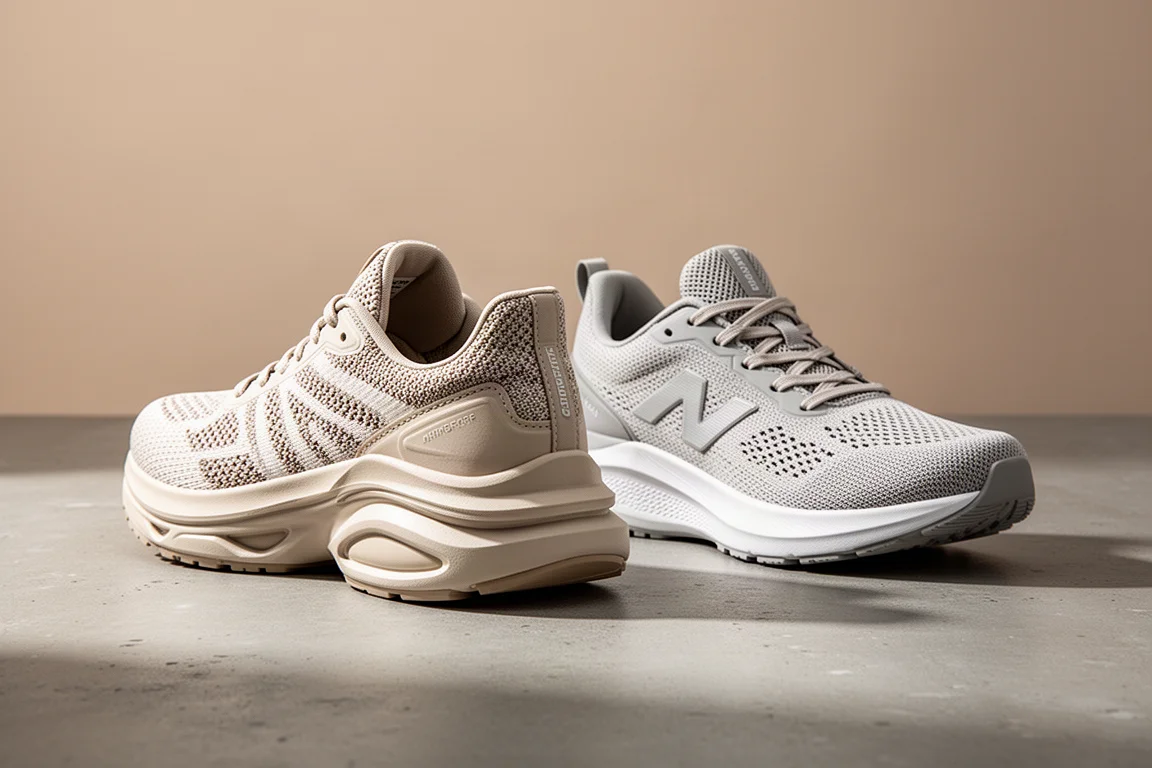
The ASICS Novablast 5 and Gel Cumulus 27 are both cushioned neutral daily trainers, and they sit at a very similar price point in the ASICS range. In the US they cost the same, while in the UK the Novablast is slightly cheaper at £135 versus £140 for the Cumulus. That makes them an obvious head-to-head if you are trying to pick between the two.
Despite the similarities on paper, they ride very differently on the road. After testing both across easy runs, progression runs, fast miles and a full marathon distance in the Novablast, the differences come down to midsole foam, stack height and outsole design.
Key Specs Compared
Both shoes weighed exactly 274g (9.7 oz) in the tested size, and both have an 8mm heel-to-toe drop. The Novablast 5 is the higher-stack shoe, at 41.5mm in the heel and 33.5mm in the forefoot. The Gel Cumulus 27 sits at 37.5mm heel and 29.5mm forefoot.
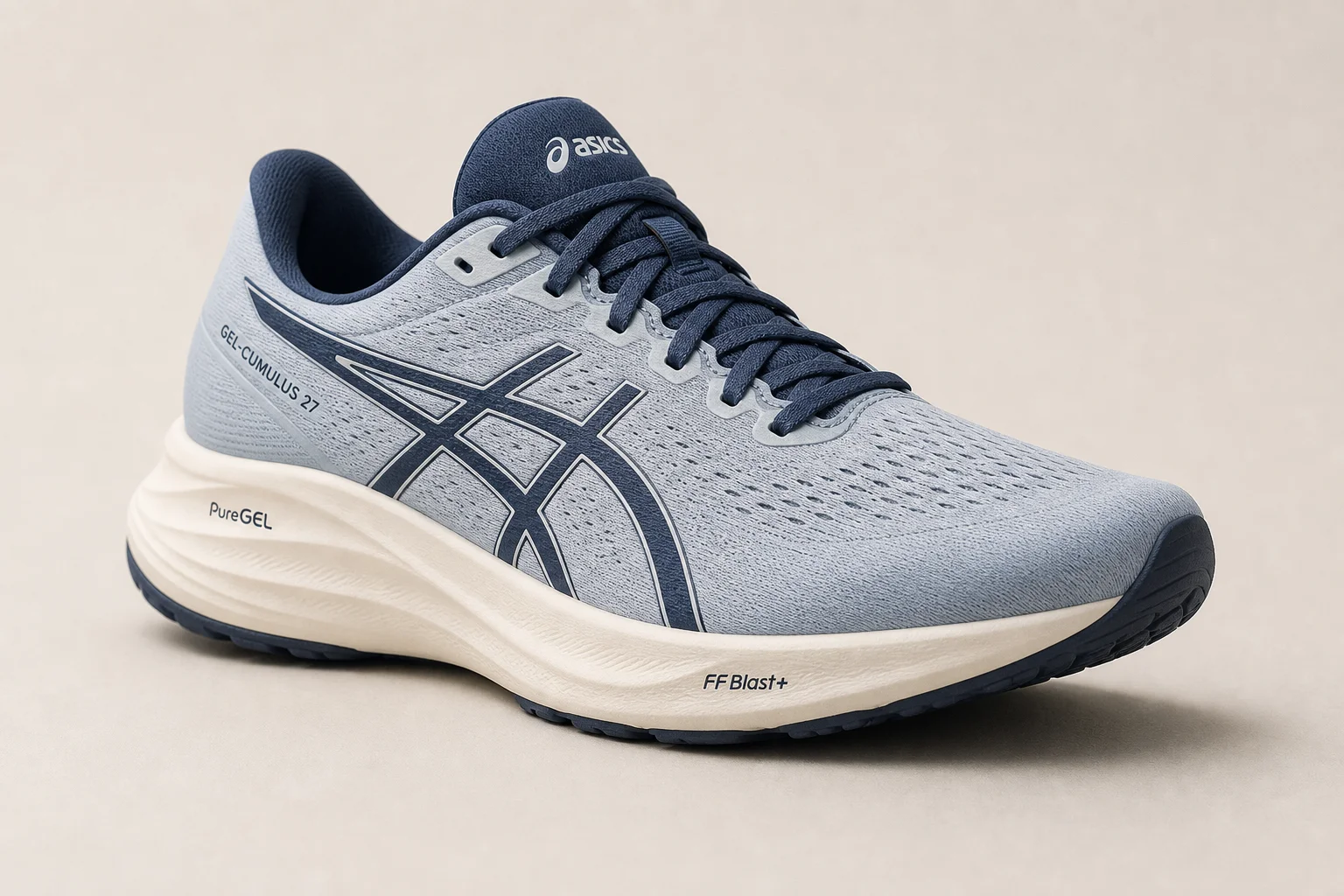
Construction differs too. The Cumulus 27 uses an engineered mesh upper over a midsole mostly made from FF Blast Plus foam, plus a PureGel insert under the heel for extra softness, finished with a FluidRide outsole, a rubberized EVA layer. The Novablast 5 gets a jacquard mesh upper, FF Blast Max Plus foam in the midsole and a proper AHAR low rubber outsole.
Fit and Sizing
Both shoes fit true to size, and both testers ran in their regular ASICS size in each. The Cumulus 27 has a comfortable, almost disappearing fit with good midfoot lockdown helped by flat, wrapping laces and padded zones that soften lace pressure. There is good lengthwise room in the toe box and plenty of clearance across the top.
The Novablast 5 feels secure but roomy, with generous wiggle room in the toe box and a nicely padded heel. That room opens up its potential as a longer, high-mileage shoe, and it coped well in marathon testing. One tester noted slightly more space than usual ahead of the big toe in the Cumulus, which is roughly a thumb’s width and probably right for most people, though those who prefer a snugger forefoot might consider going down half a size. As someone with narrow feet, the Cumulus can feel a little wide at times. Overall, staying true to size works for both shoes.
ASICS Novablast 5: Higher, Softer, Bouncier
The Novablast 5 is an accessible, versatile daily trainer that ticks a lot of boxes. The midsole is comfortable without being too soft, works well for easy and longer runs, and has just enough energy in the foam to stay versatile for general runners or those who skew toward easier mileage. It is a solid all-round shoe, especially appealing if you are a newer runner looking for one dependable shoe.
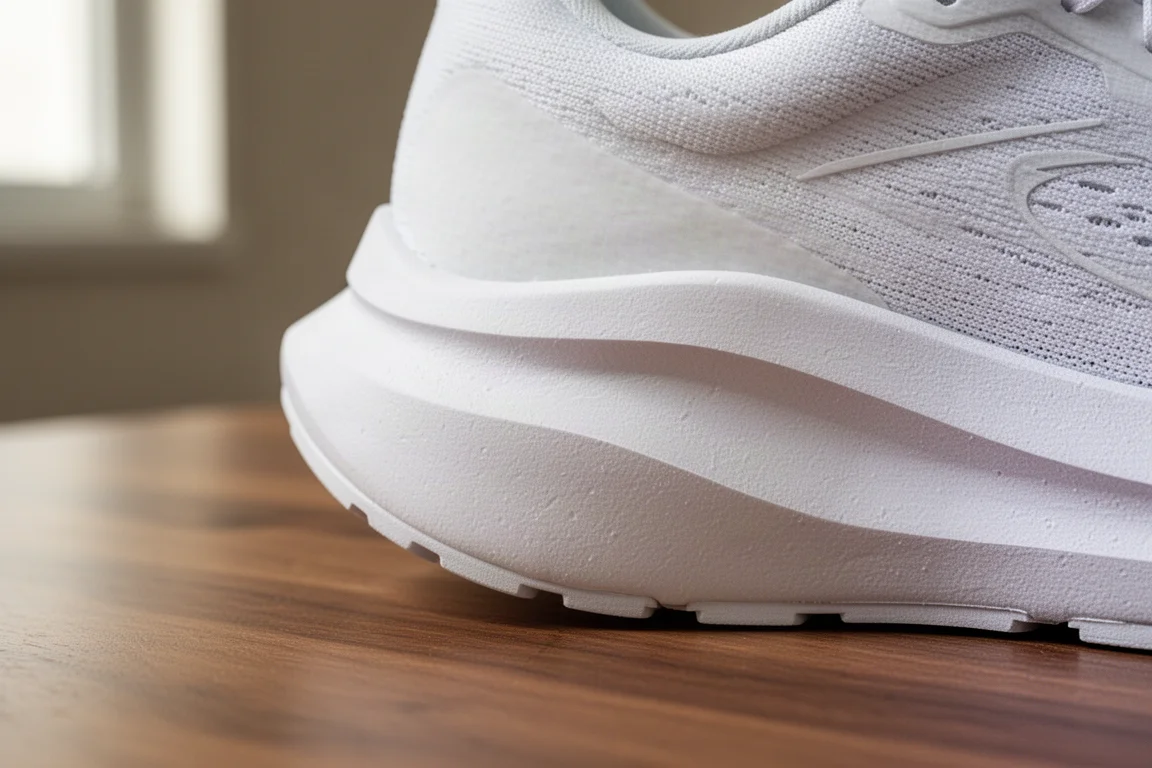
On the run, the Novablast is the higher and softer shoe of the pair, and the foam gives a bit more back. It feels bouncier and more cushioned than the Cumulus, particularly under the forefoot, and as a heel striker it transitions more smoothly from heel to toe. It responds well at toe-off, feeling springy but controlled when you push the pace, yet it stays cushioned enough for slower days.
The main caveat: on heavy, tired legs, that softness can feel slightly soggy, as I noticed toward the end of the marathon test and on slow, fatigued runs. It is not the most energetic shoe on the market, but within this comparison it clearly gives more back.
ASICS Gel Cumulus 27: Lower, More Traditional Ride
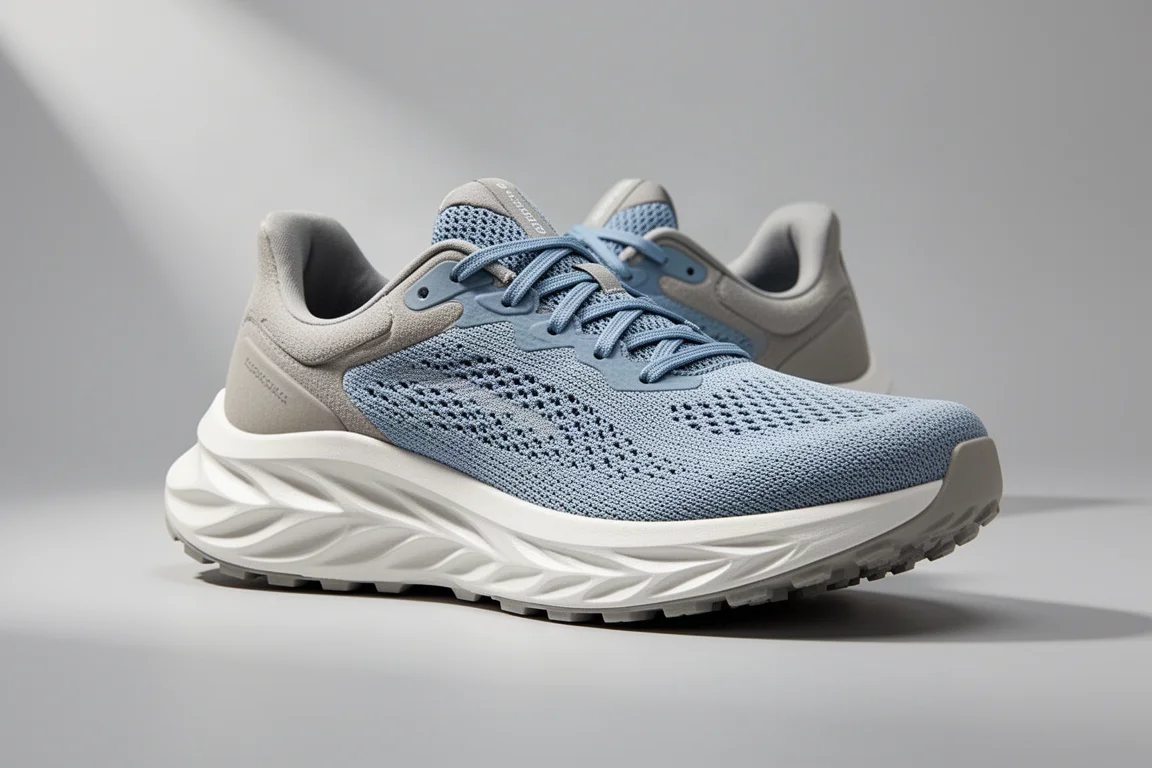
The Cumulus 27 is a happy, reliable, comfortable shoe that can cope with a range of paces, almost a competent jack of all trades from easy up to endurance pace, but it does not excel at any single job. The ride is more traditional, firmer and more direct than the Novablast, with more ground feel thanks to the lower midsole.
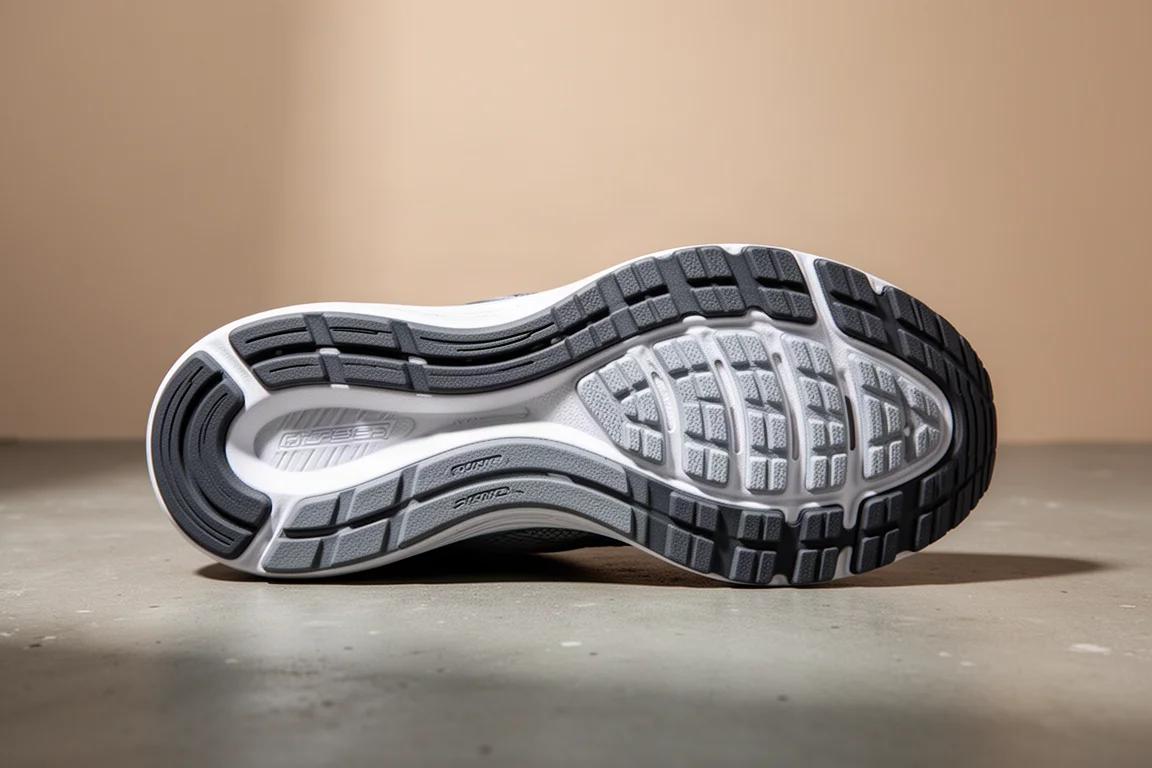
If you like that lower, connected feeling underfoot, the Cumulus delivers it well. It also has one genuine advantage: the rubberized EVA outsole creates a smoother, quieter contact with the road than the Novablast’s rubber, even if it feels slightly less grippy and more delicate over the long term. It is still a nicely cushioned shoe, comfortable enough for easy runs.

The trade-offs show up on longer efforts. On a 30k run, the forefoot felt flat, and my feet were pounding the ground a bit too much from around 20k onward. It does not have the big stack you would associate with a max-cushion shoe, so there is not enough foam, especially up front, to deaden impact over long distances. It is also less versatile at faster paces and does not offer a particularly smooth heel-to-toe transition. For 10 to 15k runs it is fine, but the Novablast handles that range better.
Durability and Outsole Feel
The Novablast 5’s rubber outsole is thick and has caused no issues at all in testing. The Cumulus 27’s outsole is more of a dual-layer rubberized EVA construction, which feels softer and quieter on the road but also noticeably more delicate. With 50 to 60k logged in each shoe, both show only minor signs of wear, so both look likely to serve as big-mileage trainers. On pure outsole confidence, though, the Novablast has the edge.
Which One Should You Buy?
Both are daily workhorse shoes aimed at comfort, at similar prices and identical weights. The deciding factors are versatility and comfort, and the Novablast 5 wins on both counts. It has the better midsole, more energy return, better cushioning under the forefoot and a wider range of usable paces.
Choose the Cumulus 27 only if you specifically prefer a lower, more traditional, more connected ride with more ground feel. It is still a reasonably cushioned and comfortable shoe for easy runs, it is just less exciting. Unless you strongly prefer that lower-to-the-ground feel, the Novablast 5 is the pick for most runners, whether you need one all-round daily trainer or a comfortable cushioned shoe in a rotation. Some runners may even find they can train for and race a marathon in it, depending on how they approach the race.
Conclusion
Between these two near-identical ASICS trainers on paper, the Novablast 5 delivers the better ride: more cushioned and fun at easy paces, more bounce and energy at faster ones, and more versatile overall. The Gel Cumulus 27 is competent and suits fans of lower, firmer, more traditional rides, but the Novablast 5 is the stronger choice for most runners and the better value of the two.
Further reading
Related Reviews

Running Shoes
Best Road-to-Trail Running Shoes: Three Versatile Options for Mixed Terrain
A practical guide to three road-to-trail running shoes that handle both pavement and mild trails, with clear strengths and trade-offs for different runner types.

Running Shoes
Best Running Shoes for Achilles Tendonitis: Three Options Explained
Three running shoes with different heel drops and support features designed to help reduce Achilles tendon pain during walking and running.

Running Shoes
Best Running Shoes for Women: Five Top Choices Ranked
A ranked guide to five women's running shoes, from versatile daily trainers to high-performance racing options, with real strengths and trade-offs for each.