Running Shoes
Asics Novablast 5 vs Adidas Evo SL: Which New Trainer Deserves Your Miles?
Two of the most hyped running shoes to hit the market go head to head. Here is where each one wins, where it struggles, and which one most runners should actually buy.
Introduction
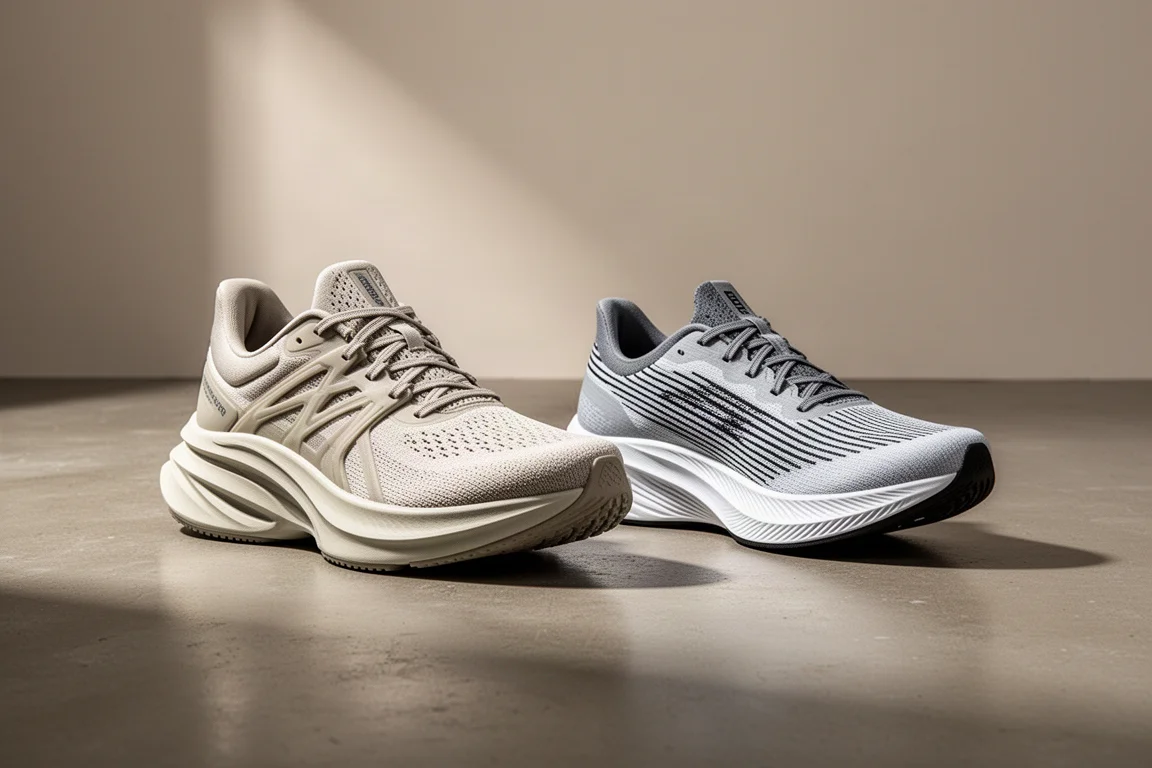
Two of the most hyped running shoes to arrive in recent months have landed in a direct comparison: the Asics Novablast 5 and the Adidas Evo SL. Both are brand new, both are getting a lot of attention, and both try to blur the line between daily trainer and speed shoe. The question is what each one actually delivers once you get them on your feet.
After significant mileage in both, including a 20-mile long run in the Novablast 5 and a 30-mile long run in the Evo SL, one thing is clear: these are two very different shoes wearing similar marketing clothes. Most runners will do better with one of them, and the answer is more obvious than the hype suggests.
Asics Novablast 5: The Bouncy All-Rounder
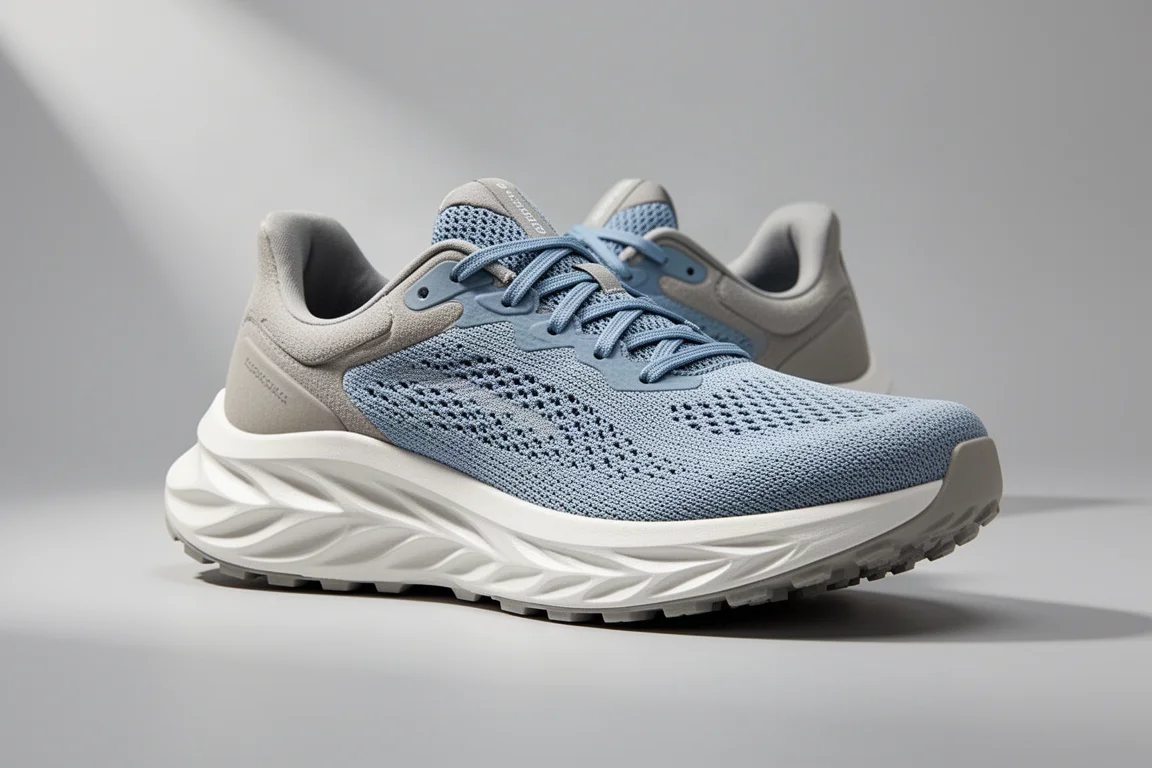
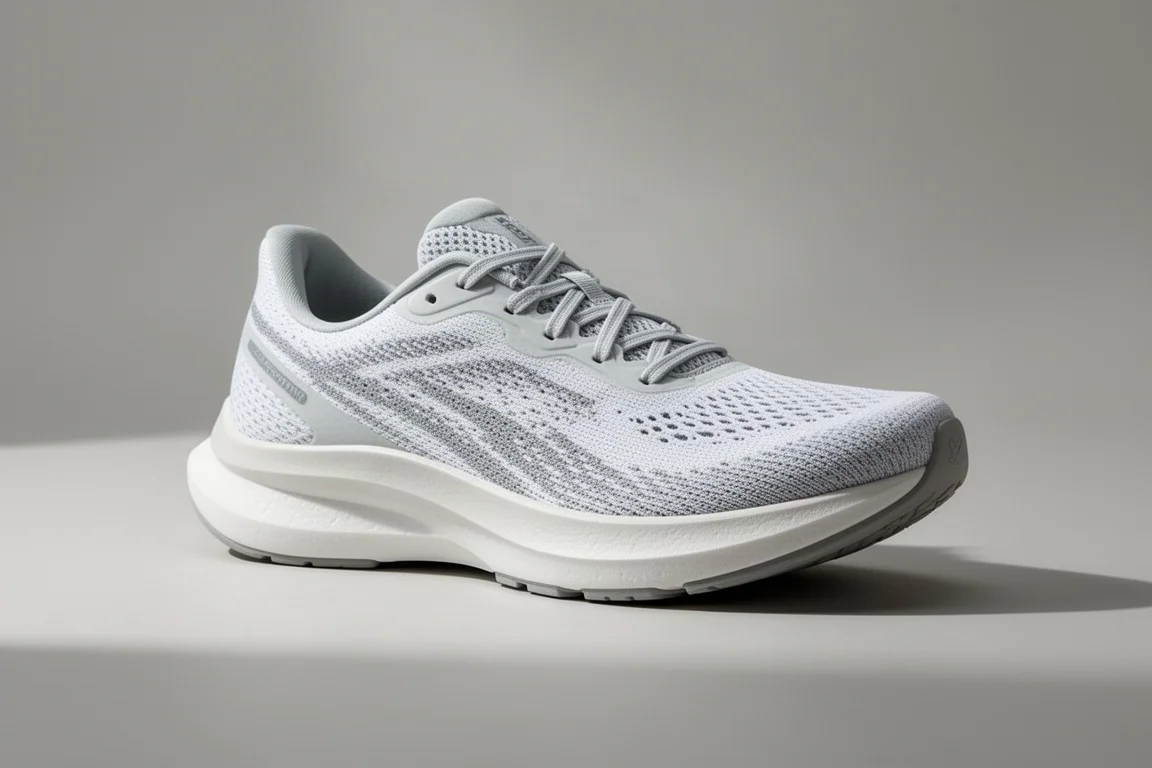
The Novablast 5 is a daily trainer first, and a very good one. It uses Asics’ new FF Blast Max foam, designed to be lighter and bouncier than the Blast Plus foam of the previous version, and the ride benefits immediately. The shoe is soft without being super soft, bouncy without being aggressive, and remarkably comfortable for time on your feet.
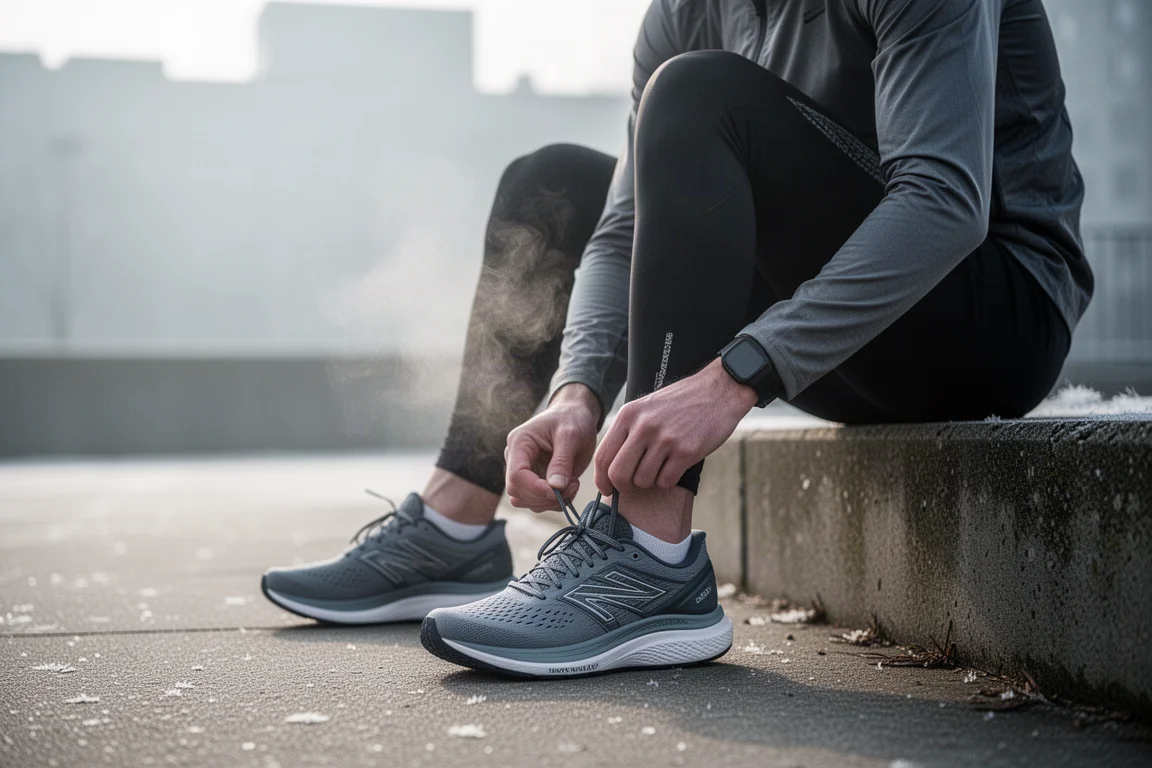
The interesting trick here is how the ride scales with effort. At easy paces it feels protective and cushioned, with a slight, comfortable sink on each step. Push the pace and the bounce increases, giving a genuine pop from the forefoot. It encourages a faster pace than the Novablast 4 ever did: where that version tended to lock in around 7:30-7:40 pace, this one comfortably holds 7:00-7:10, and even quicker when the legs are fresh. It is not a speed training shoe, and Asics offers the Magic Speed 4 for that, but it has far more speed assistance than its predecessor.
Support and stability are also better handled here. The platform is wide, the heel feels planted, and the padded upper wraps the foot securely. Slip-on comfort is excellent, with generous heel padding and comfortable, secure flat laces. For a single shoe that has to cover easy miles, long runs, and the occasional pace pickup, this is about as well balanced as trainers get.
Adidas Evo SL: The Speed Weapon
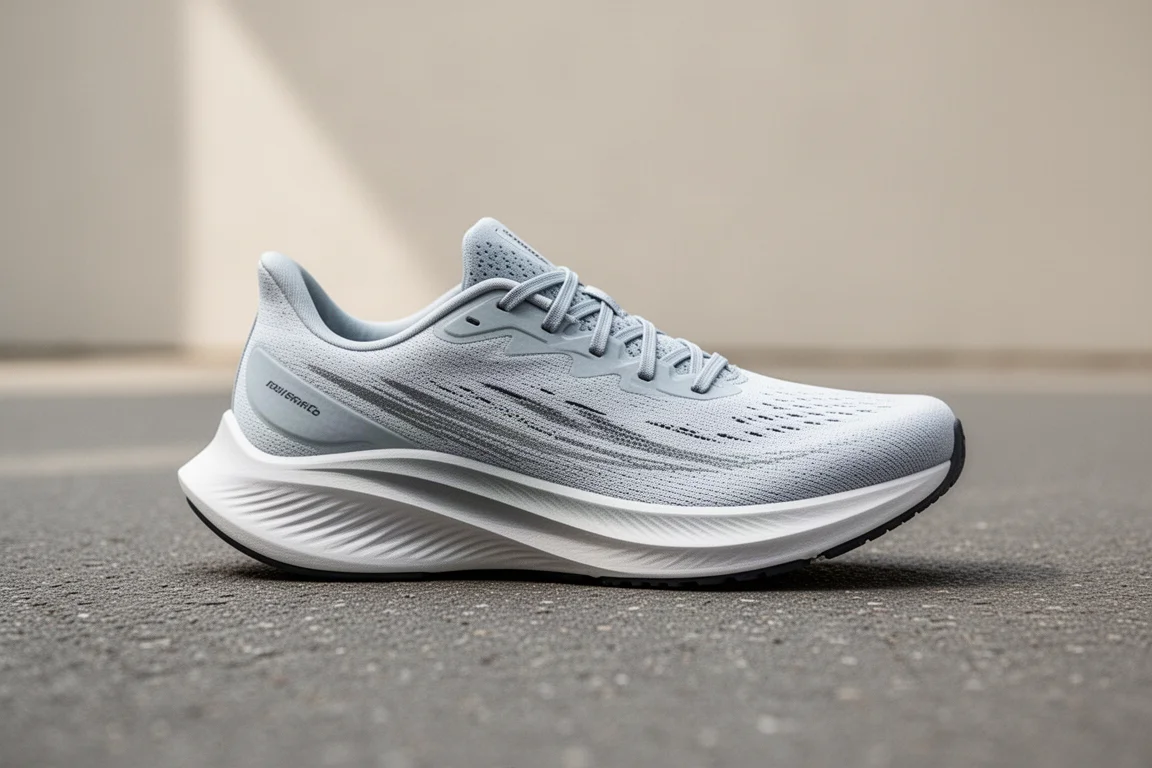
The Evo SL is the opposite bet. This is a speed shoe that Adidas has positioned, somewhat confusingly, as a daily trainer and even as a lifestyle option. In construction, it is a speed shoe through and through: Lightstrike Pro race foam, a partial plastic plate in the midsole, an aggressive rocker, and a stripped-down, minimally padded upper.
On the run, the midsole is the star. The Lightstrike Pro foam comes alive when you put force through the front of the platform, and the shoe simply wants to go fast in a straight line. It has the same “let’s run” energy as the best lightweight trainers of recent years, and at faster paces it rips. It is not unreasonable to think of it as a budget race shoe, a genuine speed-training weapon.
But that character comes at a cost. The Evo SL encourages a forefoot strike and a fast stride, and it is hard to run relaxed in it without feeling awkward. Support is the weak point: the platform does not feel substantial, the thin upper feels loose on corners, and the fit is not dialed in the way most competitors are. It is not a beginner-friendly shoe, it is not built for high mileage, and despite some positioning as a lifestyle option, it is nowhere near comfortable enough for walking or casual use compared to nearly everything else on the market.
Construction and Weight Differences
Side by side, the design priorities are obvious. The Evo SL comes in around 250g in a US men’s 10.5, while the Novablast 5 sits closer to 270g. The weight difference comes from more than just foam: the Novablast 5 is wider and taller, with a heel stack in the low to mid 40s versus roughly the mid-to-high 30s on the Evo SL, plus a foam-wrapped side cradle and a much more padded upper. The Novablast 5 has no plate, while the Evo SL carries a small plastic shank in its midsole.
The uppers tell the rest of the story. The Novablast 5 feels robust, solid, and considered, with thoughtful stitching details and generous padding. The Evo SL upper is lightweight but feels thin and scratchy, with inconsistent stitching, and it sits a notch below the best uppers of the year. It is a well-made shoe overall, but the materials clearly favor saving weight over comfort.
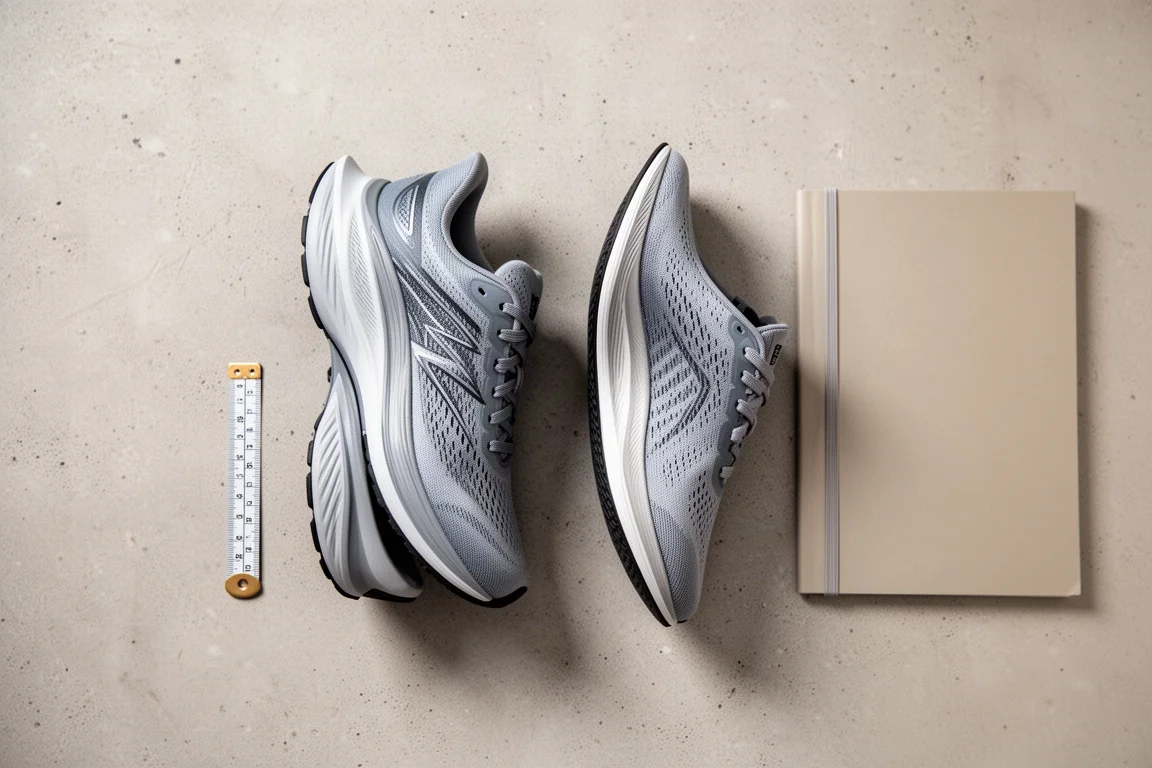
Grip is a near tie, with a slight edge to the Evo SL thanks to its Continental rubber, which is smooth and grippy on the road. Neither shoe has real teeth, and neither is a beast on light trails. If trails are on your agenda, other options in each brand’s lineup are better suited. For pure comfort, support, and everyday versatility, the Novablast 5 takes it; for weight and outright speed, the Evo SL wins.
Which One Should You Buy?
The marketing hype around the Evo SL is real, and part of that is a deliberately restricted supply strategy that makes it genuinely hard to buy in many places. The Novablast 5, by contrast, is widely available in plenty of colorways and sizes, which matters more than most people admit when choosing a trainer.
But the core recommendation is simple. If you want one shoe to do it all, easy miles, long runs, marathon and half marathon training, and the occasional faster session, the Novablast 5 is the better pick. It is comfortable across all paces, supportive, and versatile in a way the Evo SL simply is not.

If, on the other hand, you already have a comfortable daily trainer and want a specialized, fun, bouncy speed trainer for workouts and fast days, the Evo SL is genuinely excellent at that narrow job. Just go in with the right expectations: it is a speed shoe first, and a below-average choice for everything else.
Conclusion
The Novablast 5 and the Evo SL represent two ends of the same market. The Evo SL is a transcendent speed shoe with a brilliant race-foam midsole but a compromised upper and limited support. The Novablast 5 is the more complete package for the way most runners actually train. For most people, the Novablast 5 is the buy; for speed-focused specialists, the Evo SL is the thrill.
Further reading
Related Reviews

Running Shoes
Best Road-to-Trail Running Shoes: Three Versatile Options for Mixed Terrain
A practical guide to three road-to-trail running shoes that handle both pavement and mild trails, with clear strengths and trade-offs for different runner types.

Running Shoes
Best Running Shoes for Achilles Tendonitis: Three Options Explained
Three running shoes with different heel drops and support features designed to help reduce Achilles tendon pain during walking and running.

Running Shoes
Best Running Shoes for Women: Five Top Choices Ranked
A ranked guide to five women's running shoes, from versatile daily trainers to high-performance racing options, with real strengths and trade-offs for each.