Running Shoes
ASICS Novablast 5 After 100 Miles: How This Daily Trainer Holds Up, Plus Two Strong Alternatives
A long-term look at the ASICS Novablast 5 daily trainer, with durability notes after 100 miles and comparisons against the New Balance Rebel v4 and Adidas Evo SL.
Introduction
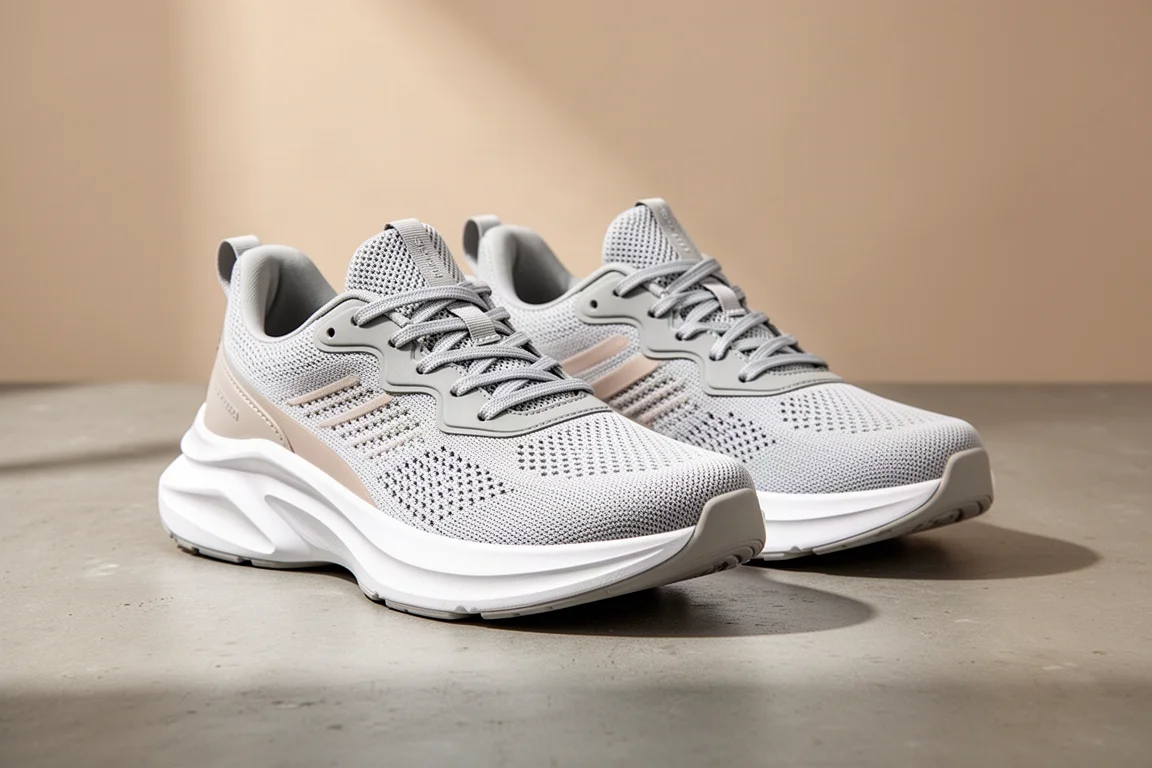
Few daily trainers have earned as much goodwill as the ASICS Novablast 5. It was one of the standout daily trainers of 2024, built around a brand new foam, and the obvious question months later is how that foam and the rest of the shoe hold up once the miles start to add up. This long-term look covers performance, durability, and where the shoe sits in a broader running shoe rotation, plus two alternatives worth knowing about: the New Balance Rebel v4 and the Adidas Evo SL.
The ASICS Novablast 5 as a Daily Trainer
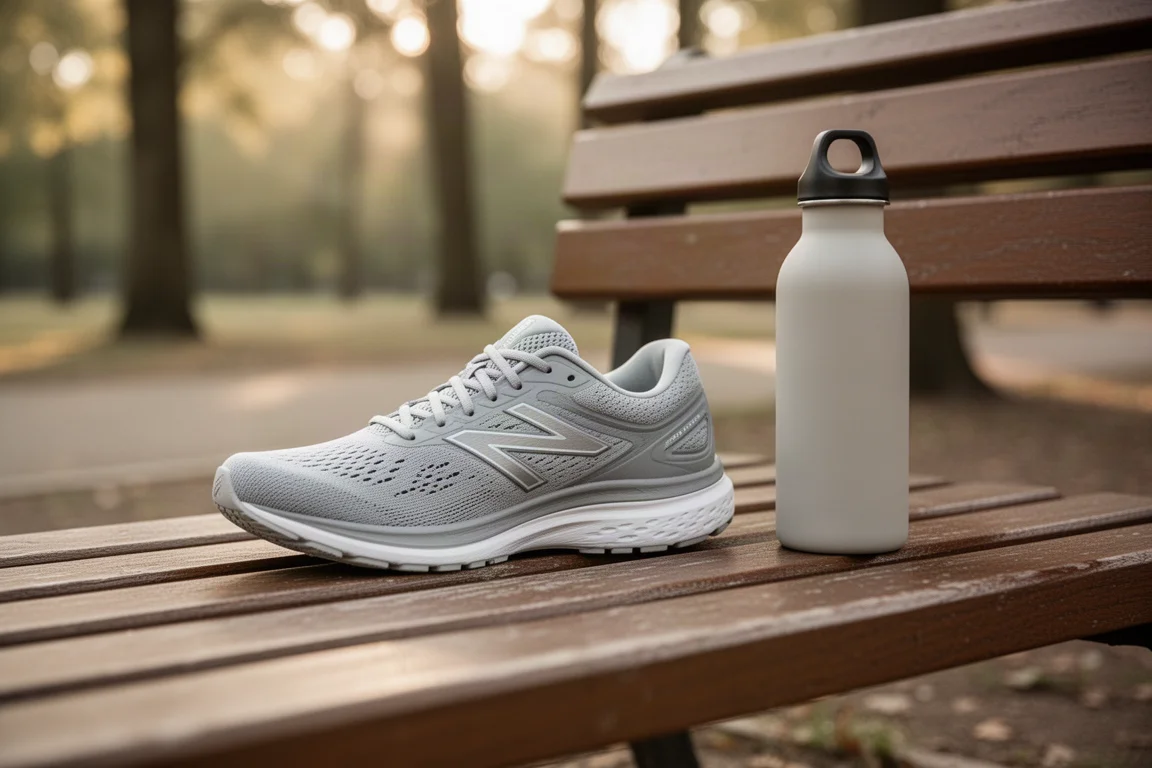
The Novablast 5 works best as a pure daily trainer: the kind of shoe you reach for on most days and for most of your runs. It has been a real pleasure on easy runs and longer efforts, and it is peppy enough to handle some workouts as well.
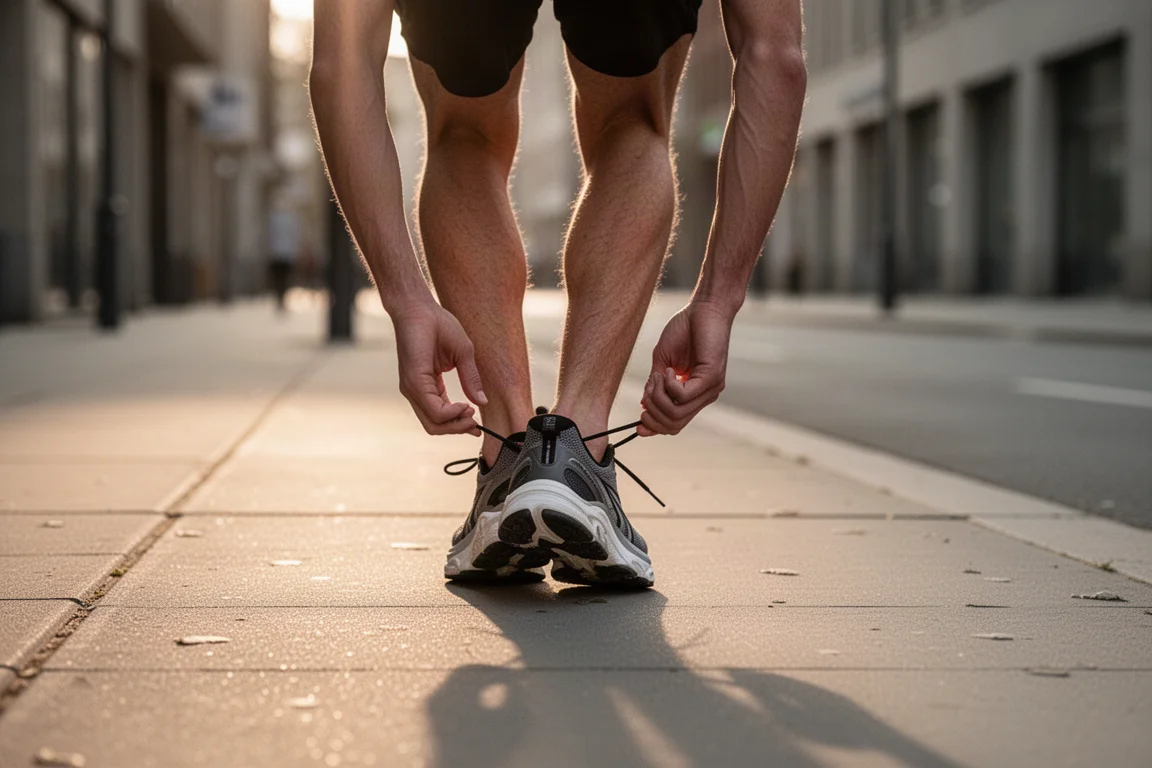
The back of the shoe is fairly chunky. There is a lot going on with the Achilles flare and the amount of padding in the rearfoot, which adds a bit of weight and a sense of bulkiness at the heel. That is why the shoe does not get picked for tougher workout sessions, but for lighter workouts at the start of a training block, or for travel when you only want to bring one versatile pair, the Novablast 5 is genuinely useful. Coming back to it after some time away, the foam and the overall experience feel refreshing and enjoyable, the kind of shoe you look forward to putting on.
Durability After 100 Miles
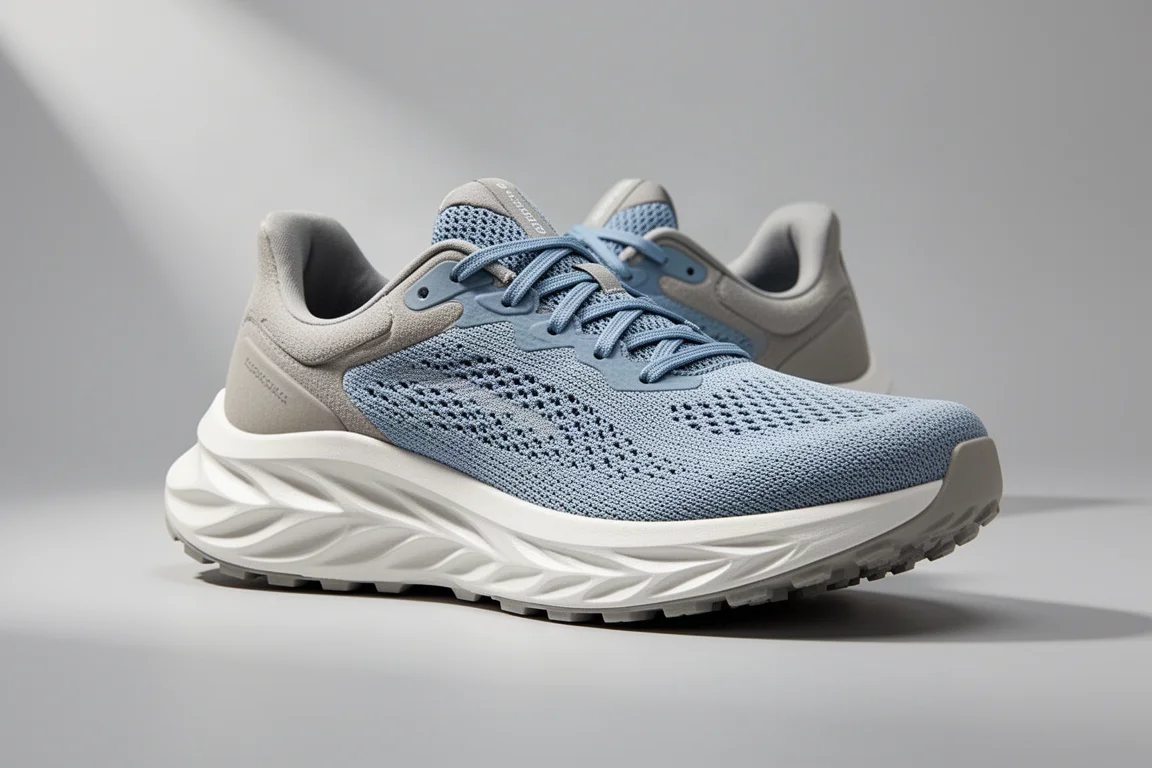
At the 100-mile mark, the foam is holding up really well. It still absorbs a great amount of road impact while keeping enough springiness that the ride never feels mushy. The platform is also a little more stabilized than in earlier years of the Novablast, which should make it more livable for a wider variety of runners and likely helps with long-term durability. The foam still feels fresh, with plenty of life left.
The upper is extremely comfortable, with no signs of excess wear. The extra padding that is not always welcome when picking up the pace turns out to be very comfortable for everyday wear, so the shoe holds up well to a dual role of easy running and daily life.
Outsole Wear and Grip
The outsole is where visible wear shows up first. A few gouge marks have appeared in the exposed foam, which is expected for a daily trainer used across varied surfaces. Nothing here is alarming or unusual for this type of partial rubber coverage.
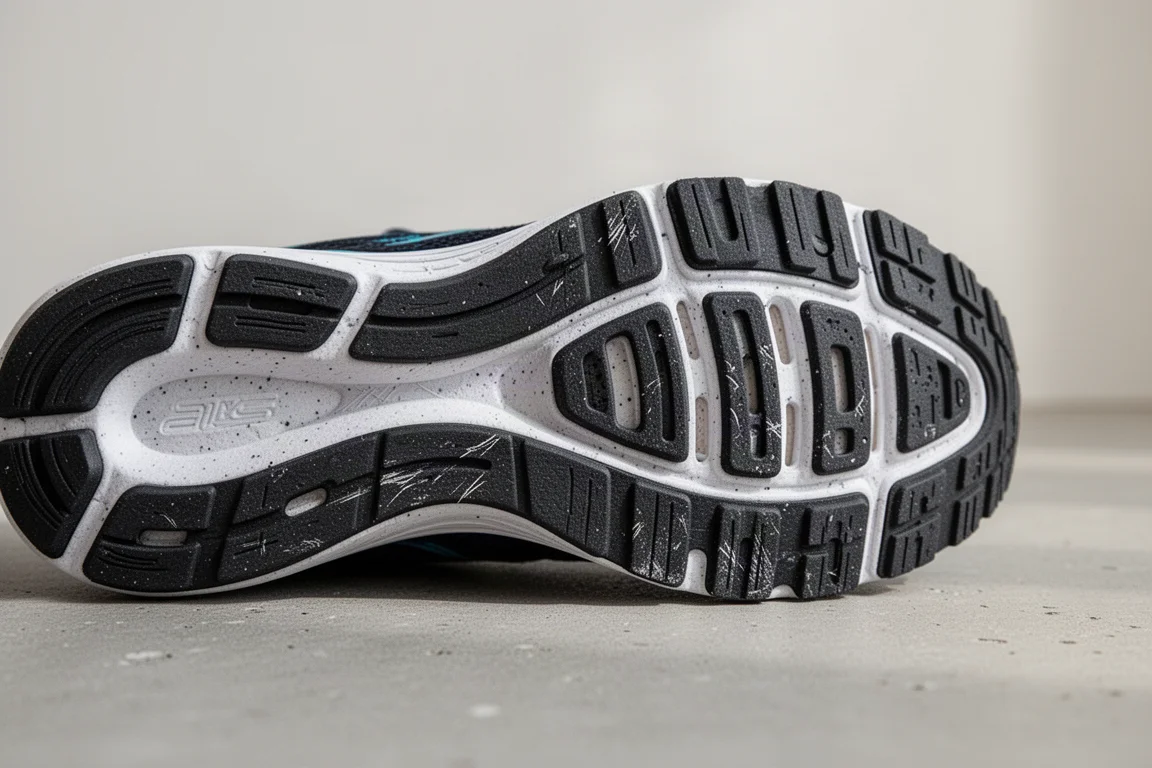
The balance ASICS struck is worth appreciating. The rubber coverage protects the foam and provides grip while still letting the midsole foam compress and decompress naturally, which supports the fluidity and springiness of the FF Blast Max foam. Scuff marks along the cavity walls on the underside show that exposed foam moving freely under load, which is part of how the shoe keeps its lively feel.
That said, the rubber wears a little faster than some of its competition. High-wear areas tell a positive story, though: fine detail remains etched into the rubber under the forefoot, and the outer heel is holding up exceptionally well, suggesting the rubber there has been strengthened without detracting from the ride. Runners who are rough on outsoles may burn through this shoe faster than some rivals, but nothing observed raises concern.
How the Novablast 5 Fits the ASICS Lineup
Within the ASICS range, the Cumulus 27 is the workhorse daily trainer, and the Nimbus 27 is its more cushioned sibling for long slow distance and days when you want to be kinder to your body. At the speed end sits the Metaspeed Edge Paris, a carbon-plated racing shoe built for quick turnover and snappy push-off.
Between the daily trainer and the race shoe sits the tempo-style companion shoe, with daily training foam on the bottom, racing foam on top, and a carbon fiber plate in between. ASICS also offers the Superblast 2, a tall-stack long run shoe with racing foam on top and a bit of stabilizing daily foam underneath, no plate, and race pedigree. It suits long run days with marathon-pace miles in the middle.
The Novablast 5 slots in as a daily trainer alternative. If the Cumulus feels a little too firm and lacks dynamic spring, the Novablast 5 is a natural swap. Instead of the Nimbus, the GlideRide Max offers similar max cushioning with the same FF Blast Max foam. On the racing side, the Metaspeed Sky Paris favors the forefoot and suits runners with big, looping, powerful strides, while the Edge Paris emphasizes the rearfoot for quick turnover.
Alternative: New Balance Rebel v4
The New Balance Rebel v4 was another favorite daily trainer of 2024, and the two shoes offer very similar experiences: light, spongy, springy trainers that absorb a lot of road impact while keeping pace versatility. Both can go long and both can go fast.
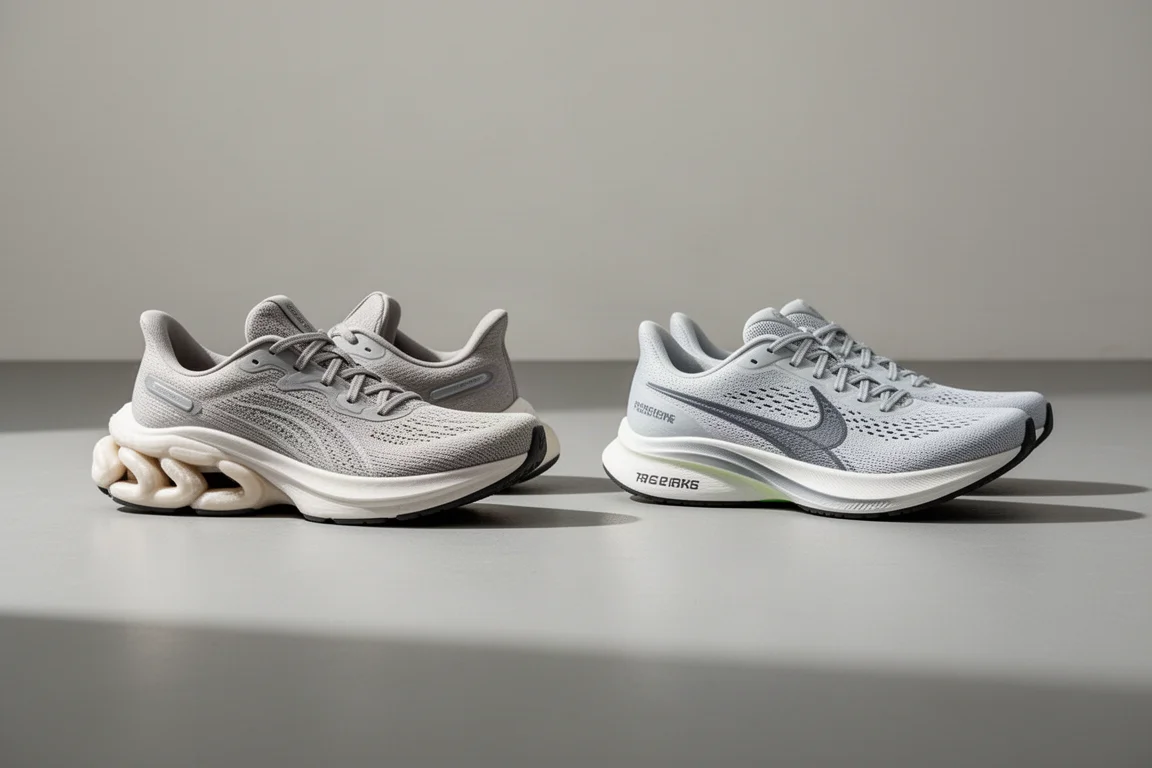
The big difference is in the heel. The Rebel v4 is not nearly as chunky and puffy at the back, and its PEBA blend foam makes for a shoe that is durable, predictable, and still exciting. Both shoes carry the same full retail of $140.
Alternative: Adidas Evo SL
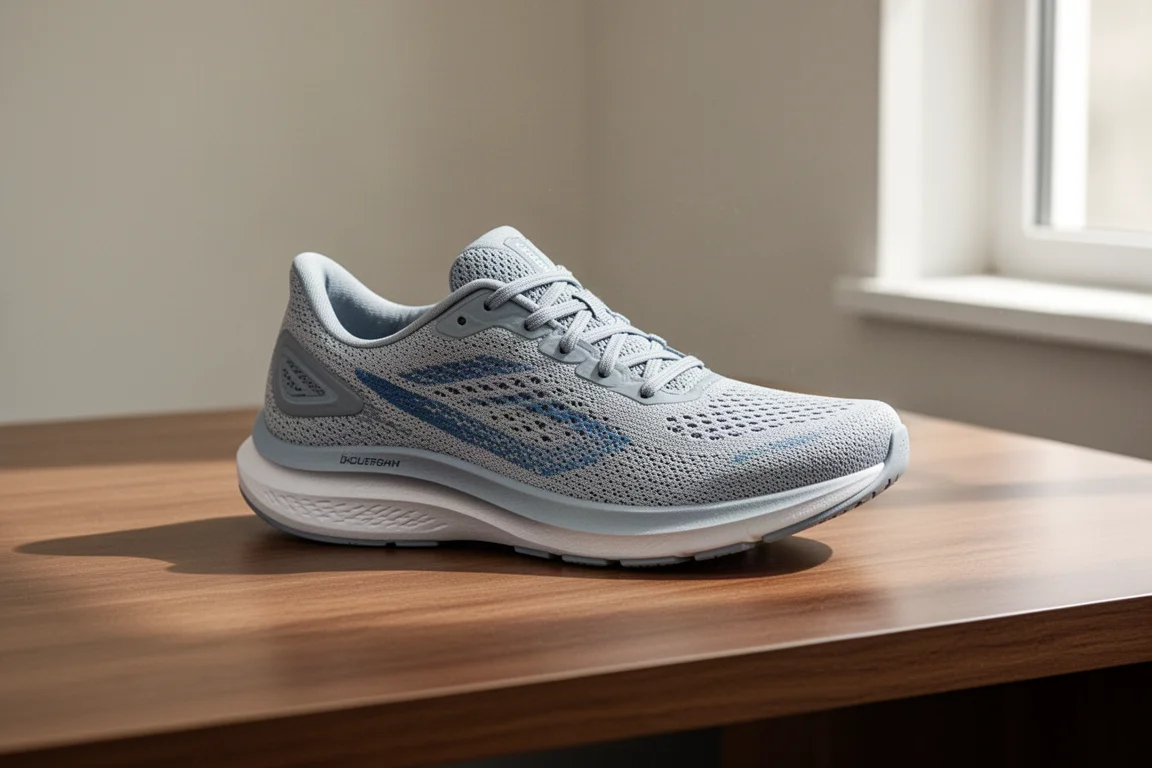
The Adidas Evo SL uses Lightstrike Pro, not the latest version, but still race-caliber foam, and it skips the carbon fiber plate, energy rods, and other rigid elements found in Adidas race shoes. Its geometry is aggressive, shaped much like the Adios Pro 4, but tuned for daily training, which sounds odd on paper yet really works on foot.
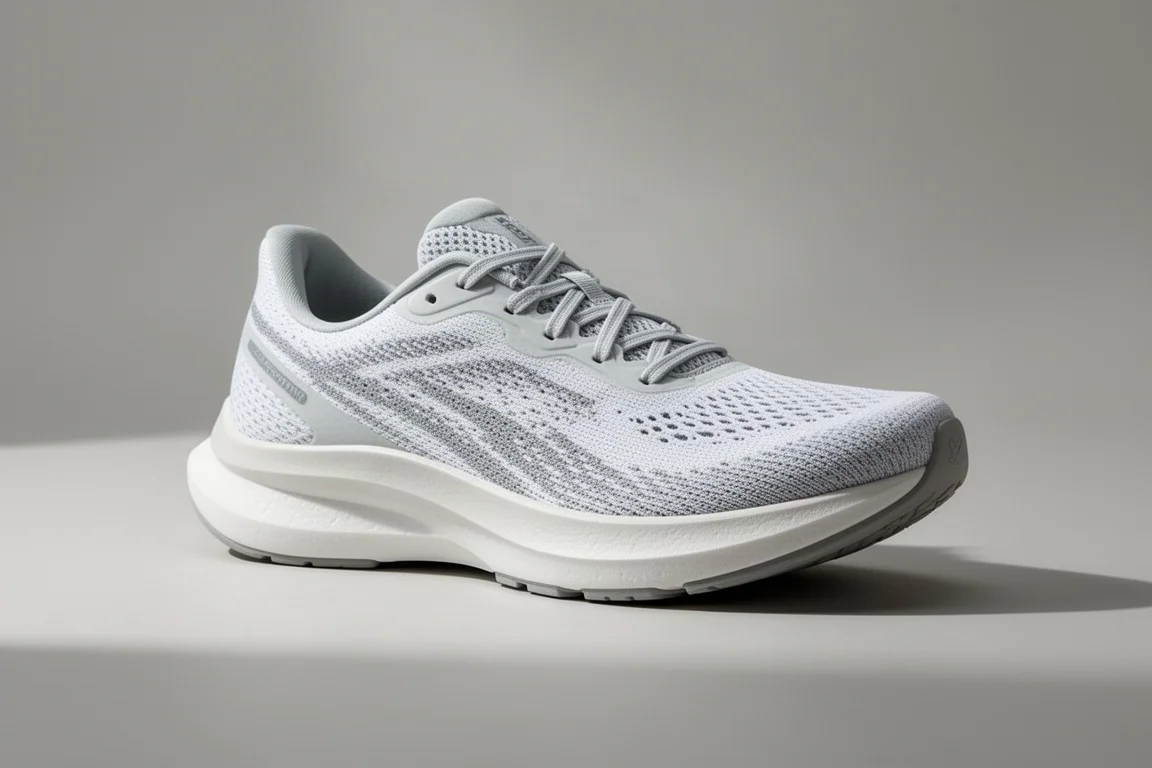
It handles easy runs, long runs, recovery runs, and a wide range of workouts. Because the back of the heel is trimmed down and race ready, with little padding or structure back there, the Evo SL does a better job of picking up the pace and covering a wider variety of speed sessions than the Novablast 5. The price is higher at $150, but it delivers a lot and seems to suit runners of all shapes, sizes, and paces. Unless you specifically want the extra comfort and stability the Novablast 5 provides, the extra $10 toward the Evo SL is likely worth it.
Buying Advice
The Novablast 5 retails at $140 and is not widely discounted yet, but dropping back to the previous version at around $120 from reputable retailers is a reasonable way to save. The Rebel v4 matches the Novablast 5 at $140 with a cleaner heel and an exciting PEBA blend, while the Evo SL asks $150 for race-caliber foam in a genuinely versatile daily package. If comfort and a touch of extra stability top your list, the Novablast 5 remains the pick; if pace versatility matters more, the alternatives deserve a close look.
Conclusion
After 100 miles, the ASICS Novablast 5 holds up impressively well: fresh-feeling foam, a comfortable upper, and an outsole that wears acceptably for a daily trainer. It stays easy to recommend to a wide range of runners, with the Rebel v4 and Evo SL as strong alternatives depending on how much you value heel comfort versus speed versatility.
Further reading
Related Reviews

Running Shoes
Best Road-to-Trail Running Shoes: Three Versatile Options for Mixed Terrain
A practical guide to three road-to-trail running shoes that handle both pavement and mild trails, with clear strengths and trade-offs for different runner types.

Running Shoes
Best Running Shoes for Achilles Tendonitis: Three Options Explained
Three running shoes with different heel drops and support features designed to help reduce Achilles tendon pain during walking and running.

Running Shoes
Best Running Shoes for Women: Five Top Choices Ranked
A ranked guide to five women's running shoes, from versatile daily trainers to high-performance racing options, with real strengths and trade-offs for each.