Running Shoes
ASICS Novablast 4 vs Saucony Ride 17: Which Daily Trainer Deserves a Spot in Your Rotation?
Two versatile daily trainers at the same price, with very different personalities. We compare fit, cushioning, responsiveness and grip to help you choose.
Introduction
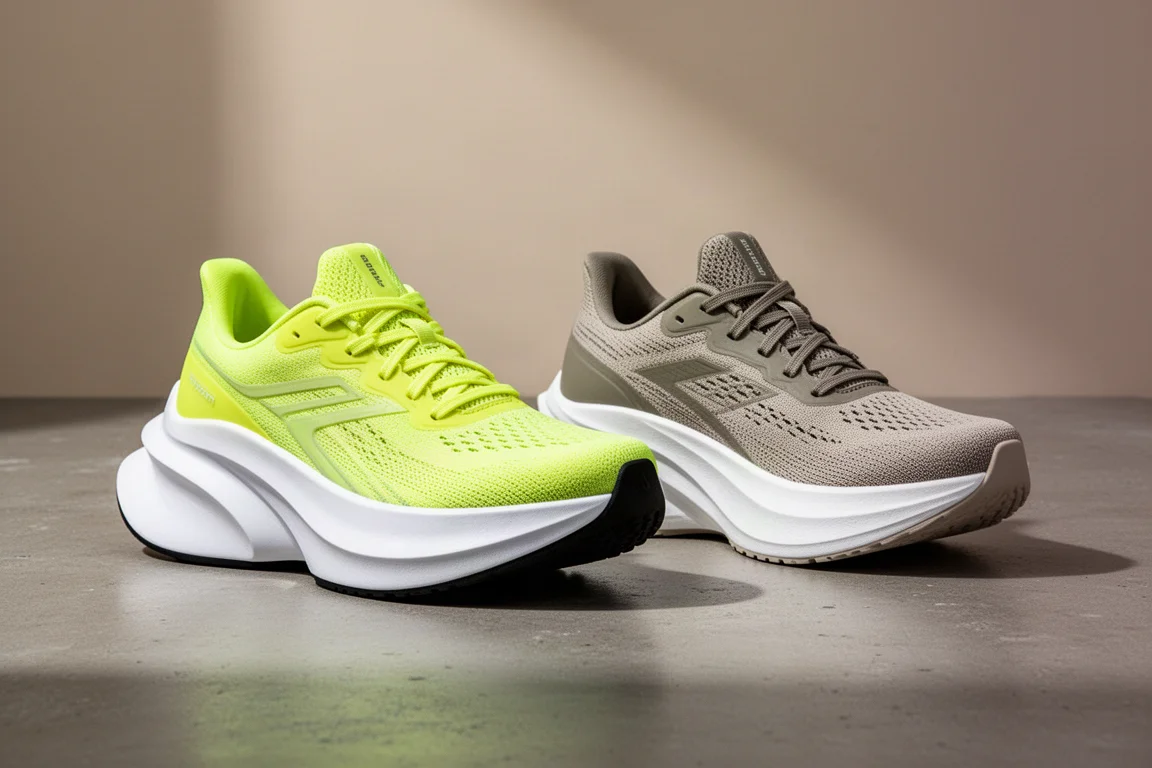
The ASICS Novablast 4 and the Saucony Ride 17 are two daily trainers doing a very similar job, at an identical price, and both have landed at a point where they are much closer than you might expect. The Novablast line has historically been the lively, bouncy option, while the Ride has traditionally been the steady, unexciting workhorse. This generation, that divide has narrowed considerably.
After putting serious mileage into both shoes across easy runs, long runs, interval sessions, parkruns and treadmill testing, the outcome was surprisingly close. Here is how they compare.
At a Glance: Specs and Pricing
Both shoes cost £135 / $140, which makes this a genuinely even contest on price. The differences show up in weight: the Saucony Ride 17 weighs 285 g (10 oz) for men in a size 8, while the ASICS Novablast 4 comes in noticeably lighter at 256 g (9 oz). Both use an 8 mm heel-to-toe drop.
Both shoes are built as versatile daily trainers, but they get there differently. The Ride 17 leans on a new midsole foam and a firmer, more stable platform, while the Novablast 4 doubles down on a big, soft stack of energetic foam with a wide base.
Fit and Sizing
Both shoes run true to size for most testers, and that is the safest recommendation unless you prefer a particularly snug fit. The Novablast 4 has a roomier toe box than previous versions of the shoe, which some earlier Novablasts lacked, and it feels airy and spacious up top. The laces can feel a touch tighter as a result of that extra volume, so expect to work slightly harder for lockdown.
The Ride 17 has a slightly narrower midfoot shape. It was fine for testers with average-width feet, but if you have wider feet, it is worth noting. Heel hold is good in both shoes, with no slipping and secure lockdown. If you want a snugger fit in the Novablast 4, going half a size down is a reasonable option.
The ASICS Novablast 4: A Real Improvement
The Novablast range has developed a lot over the years. The original was a fun, bouncy surprise, but slightly wobbly. Later versions fixed the stability with a wider midsole, but at the cost of dulling the ride. The Novablast 3 was comfortable but flat, a max-cushion shoe that simply ticked off miles.
The Novablast 4 changes that. The new FF Blast Eco Plus foam aims for a softer ride with more energy return, paired with trampoline-inspired midsole geometry and a higher stack of foam. In practice, it feels more responsive, compresses more but gives energy back, and has a more pronounced rocker that helps move you forward. It is not the fastest shoe in the world, but it is a more rounded daily shoe than its predecessor.
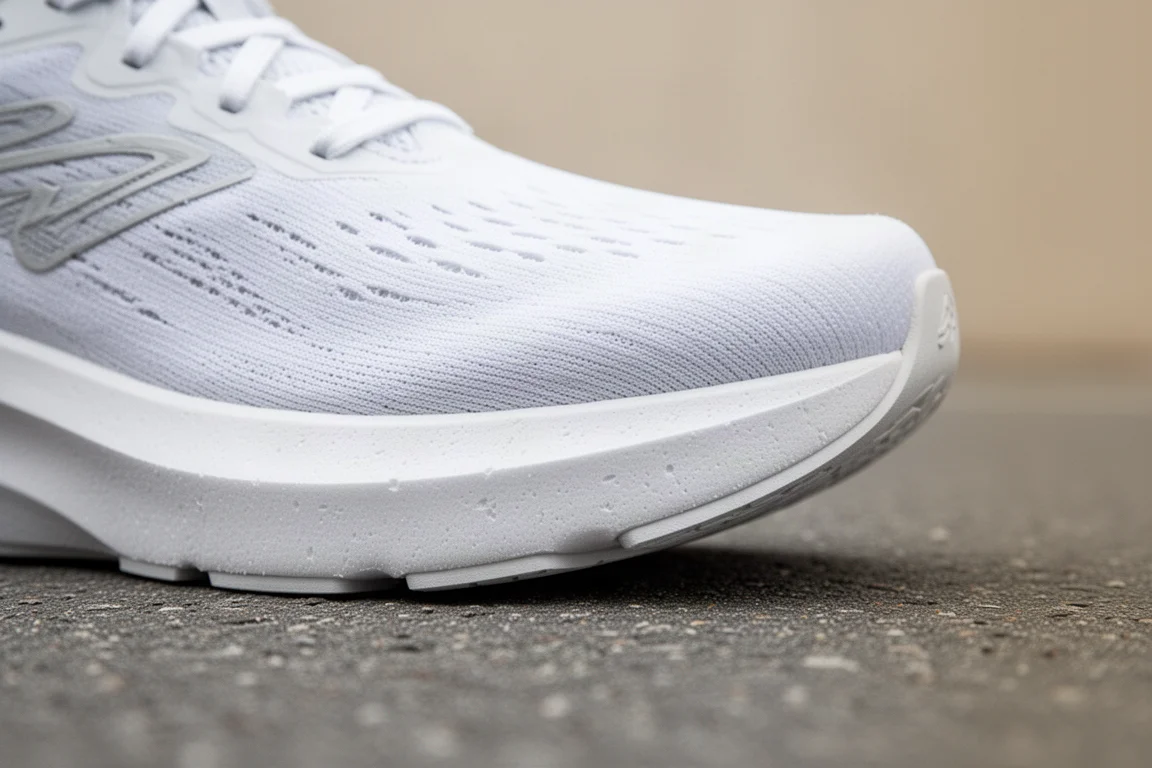
Where it stands out is on the runs in between: easy miles that you want to enjoy, with the ability to pick up the pace when the mood strikes. It handled a 20 x 60 seconds on, 30 seconds off interval session and a paced 20-minute parkrun comfortably, and running around 4 min/km felt genuinely good. Push beyond that and it is still a workhorse daily trainer rather than an out-and-out speed shoe. One thing to watch: past Novablasts have tended to deaden slightly over time, and while this version held up well after around 60k of testing, the long-term bounce retention remains a small question mark.
The Saucony Ride 17: A Serious Step Forward
The Ride 17 gets the biggest update in the line in years: a new PWRRUN Plus midsole, the same material used in the Saucony Triumph 21. That single change dramatically alters the experience, bringing more cushioning, increased energy return and a smoother transition. It brings the Ride closer to the Triumph than ever, though it remains a different shoe: a bit heavier, firmer, and more stable.
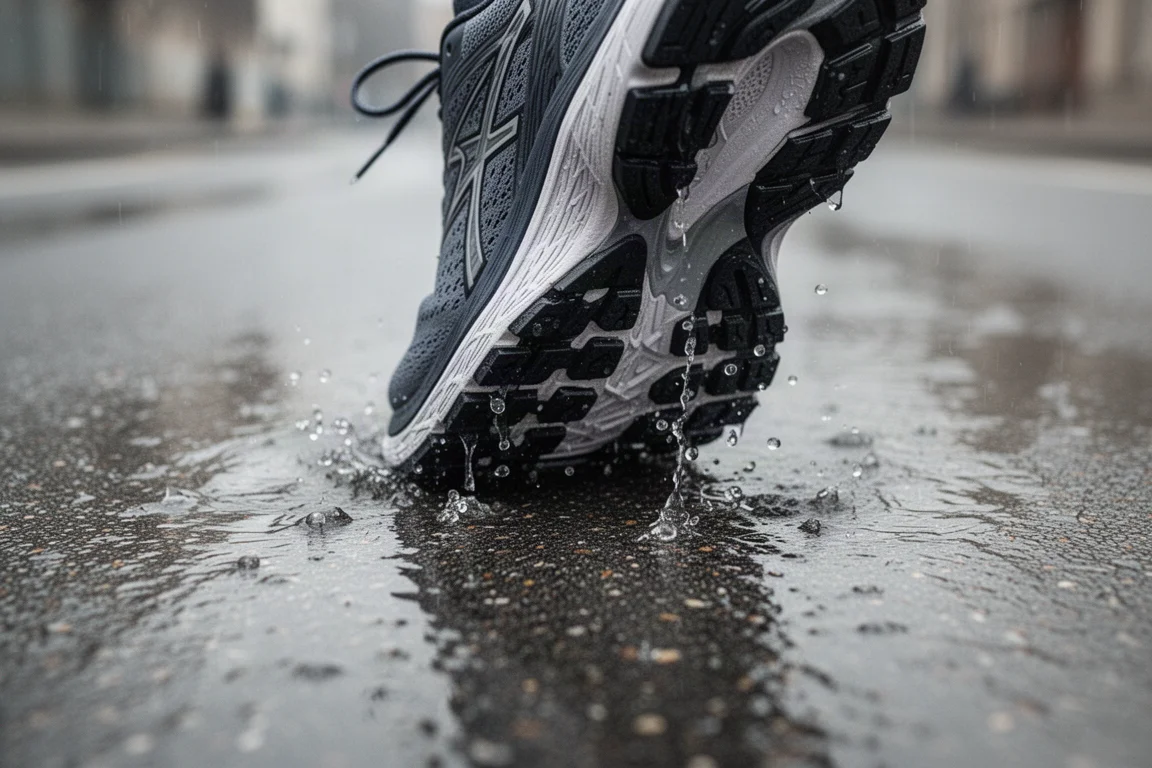
The upper gets a new engineered mesh design for breathability and a 360-degree fit, with plenty of interior padding for plush step-in comfort. The outsole carries a generous layer of rubber that delivers excellent grip, including confidently wet roads, and protects the midsole well.
The result is a solid, dependable shoe with a rolling, slightly propulsive feel. It is not as soft or immediately springy as the Novablast out of the box, but PWRRUN Plus has a strong reputation for holding its resilience over extended use, so it may stay bouncier deeper into the shoe’s lifespan.
How They Feel Side by Side
Running a side-by-side mile with one shoe on each foot revealed how similar these two have become. The Novablast 4 is the bigger shoe of the pair, with the widest platform and the most forefoot and heel flaring, so much so that you practically land in the middle of the foam by default. The Ride 17’s platform is also wide and stable, with a foot that feels well cradled and cocooned, but the shoe feels more compact and precise thanks to a narrower landing zone.

The foam response is where a real difference emerges. The Ride 17’s midsole comes back more urgently, with a rolling propulsion through the stride. The Novablast 4 still has a hint of sinking and waiting for the foam to return, despite being tuned more responsively than earlier versions. If you are a heel striker, the Novablast’s large, protruding heel offers noticeably more protection at the back. Midfoot and forefoot strikers will find both shoes roll through nicely.
On paper the Ride is 29 g heavier, and it feels even bulkier than that in practice. The Novablast 4 is the more comfortable shoe at faster paces and the more versatile option for runners who mix speed sessions into their week. The Ride 17 is happiest cruising at easier paces, though it can pick up the pace when needed.
Which One Should You Buy?
The Ride 17 is a fantastically dependable workhorse with better grip and superb comfort straight out of the box. It is an easy recommendation for newer runners who want an all-rounder that will last, and for anyone whose rotation is built around easy and steady miles.
The Novablast 4 is lighter, more propulsive and slightly more versatile, able to handle easy runs through to faster efforts while still feeling fun. For runners who care about speed work and want one shoe that can flex across a whole week of training, it has the edge.
The honest conclusion from extended testing: these two are far closer than expected. Both are reliable, versatile daily trainers best suited to easier paces, and neither is truly at its best at top speed. If forced to pick one for an all-round rotation, the Ride 17’s firmer, more immediate foam response and its long-term durability give it a narrow edge. If lightness, bounce and pace flexibility matter more to you, the Novablast 4 is the pick.
Conclusion
This was a much closer contest than expected. The Saucony Ride 17 earns its place as a guaranteed crowd-pleaser with excellent grip, dependable comfort and resilient foam. The ASICS Novablast 4 is the most complete version of that shoe yet: lighter, livelier and more capable at pace. You can hardly go wrong with either; the right choice comes down to whether you prioritise compact precision and durability, or bounce and versatility at speed.
Product link
View more details for ASICS Novablast 4
This product is mentioned in the review. Check the specifications, options, and compatibility before buying.
View more details for ASICS Novablast 4Further reading
Related Reviews

Running Shoes
Best Road-to-Trail Running Shoes: Three Versatile Options for Mixed Terrain
A practical guide to three road-to-trail running shoes that handle both pavement and mild trails, with clear strengths and trade-offs for different runner types.

Running Shoes
Best Running Shoes for Achilles Tendonitis: Three Options Explained
Three running shoes with different heel drops and support features designed to help reduce Achilles tendon pain during walking and running.

Running Shoes
Best Running Shoes for Women: Five Top Choices Ranked
A ranked guide to five women's running shoes, from versatile daily trainers to high-performance racing options, with real strengths and trade-offs for each.