Running Shoes
Asics Novablast 4 vs Hoka Clifton 9: Which Daily Trainer Should You Buy?
Two popular mid-level cushioned daily trainers go head to head on ride feel, fit, versatility, and durability to help you pick the right one.
Introduction
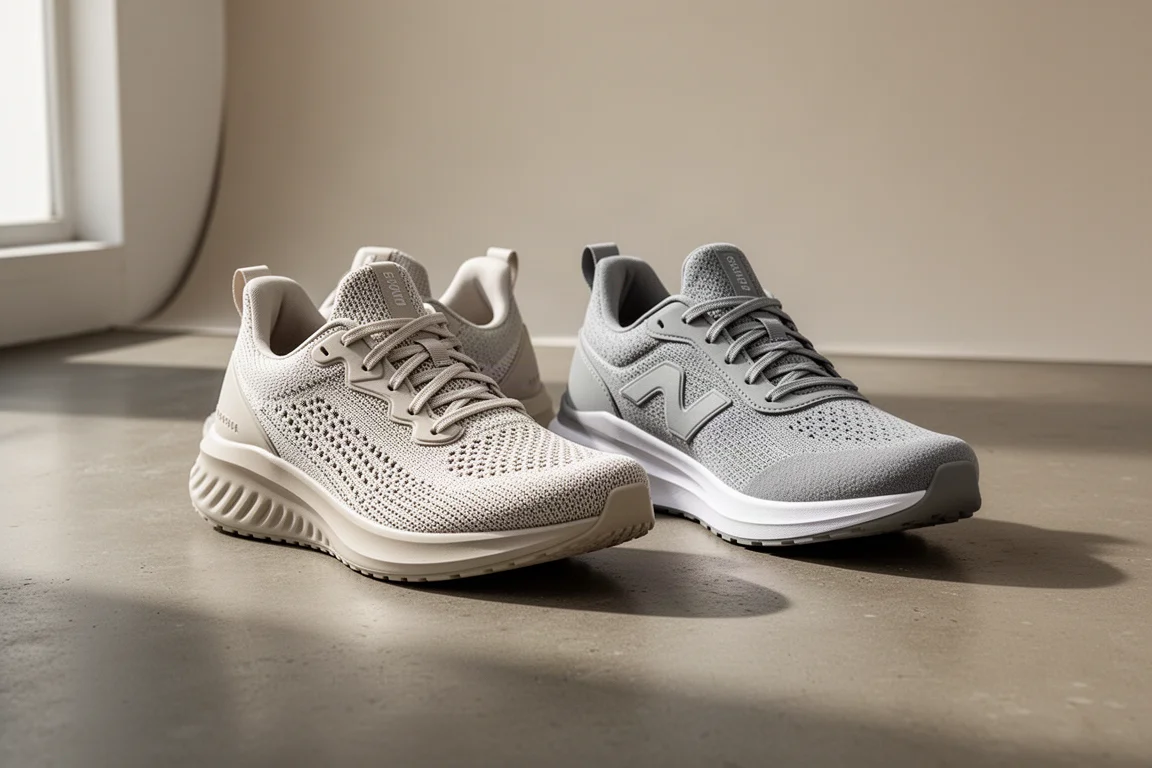
If you are shopping for one cushioned shoe that can handle most of your running, two models almost always come up: the Asics Novablast 4 and the Hoka Clifton 9. Both sit in the mid-level cushioning category. They are comfortable enough for easy and long runs, but they also have enough life in them for the occasional faster session.
We ran in both shoes extensively, often alternating between them over the same period, and the differences are meaningful. Here is how they stack up.
At a Glance: Key Specs
The Clifton 9 costs £130 or $145, weighs 247g (8.7 oz) for men in a US size 8, and has a 5mm drop. The Novablast 4 costs £135 or $140, weighs 256g (9 oz) for men in a US size 8, and has an 8mm drop.
Both sit below the top band of max-cushion shoes in price, and both lines have several generations behind them, so they tend to appear in sales fairly regularly.
Fit and Sizing
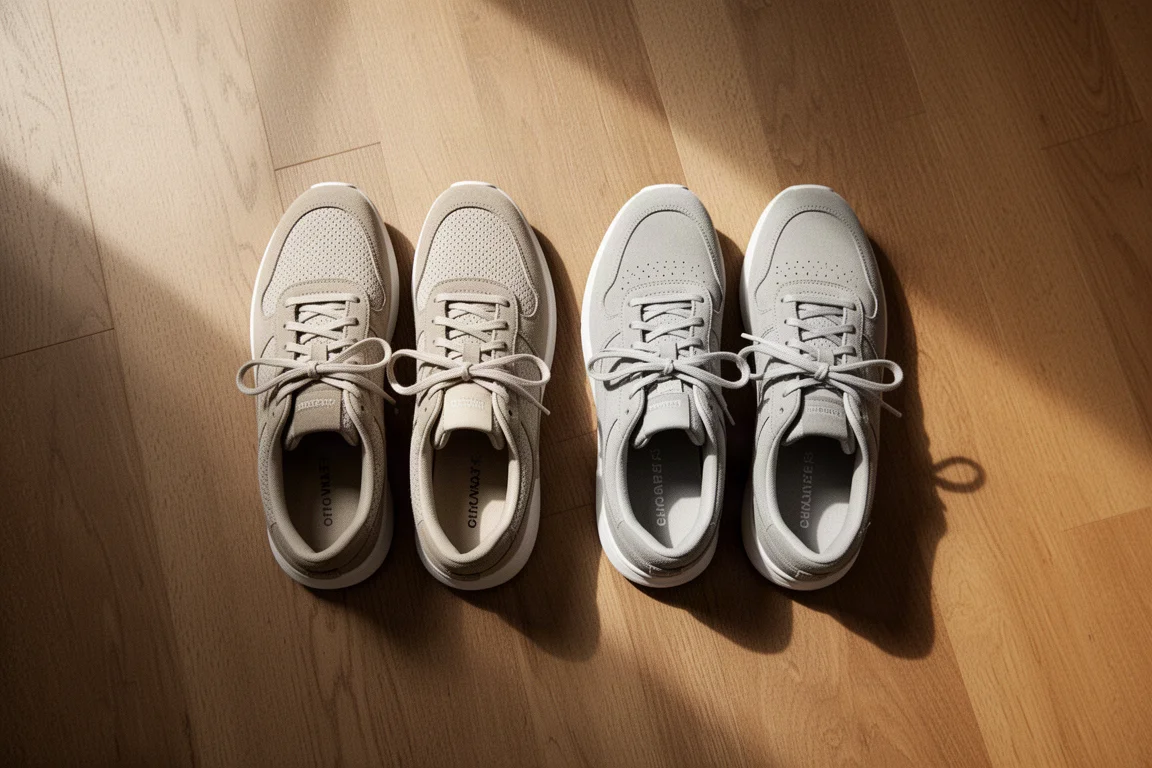
Both shoes worked well in normal running shoe size. In the Novablast 4, the engineered weave mesh upper is more forgiving than the previous version, giving extra room in the forefoot, with plenty of space ahead of the big toe. Sticking with your usual size is the safe call.
The Clifton 9 fits comfortably too, but Hoka’s sizing runs a touch narrower and slightly tighter around the front compared to the Asics. Runners with narrow feet will not notice; wider-footed buyers should take that into account. There is a little more give in this Clifton than in some earlier Hoka models.
The heel designs are similar across both shoes. The heel collar wraps around the outside of the Achilles with minimal padding directly at the back, and neither shoe caused any Achilles irritation.
Midsole and Ride
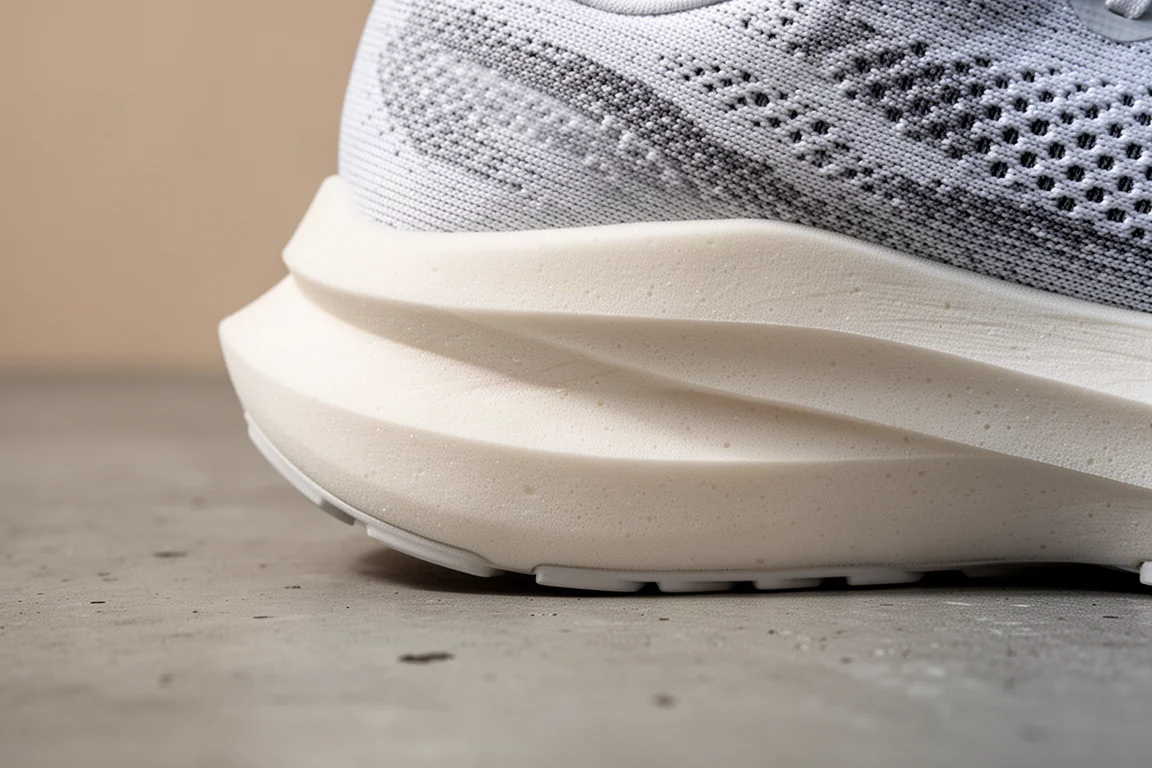
The Clifton 9 gets a softer compression-molded EVA midsole, an early-stage meta rocker to improve heel-to-toe transition, and geometry aimed at improving stability. It is a noticeably better foam than in earlier Clifton models, with more softness and a bit more energy return, but it still reads as a fairly neutral platform rather than an exciting one.
The Novablast 4 introduces FF Blast Eco Plus foam, designed to feel softer with more energy return when you push the pace, paired with a trampoline-inspired midsole geometry and a higher stack of foam.
In practice, the Novablast 4 felt softer underfoot and clearly bouncier. The Clifton 9 offers a slightly smoother transition, relying more on its excellent rocker geometry to roll you through the stride, while the Asics gives more back through the foam itself.
Ride Feel and Versatility
Both shoes handle easy runs, steady long runs, and occasional tempo or fartlek work well. Neither is an all-out cushioning shoe like the Hoka Bondi or Asics Gel Nimbus 26. Both could serve as a one-shoe solution for a runner who wants to do a bit of everything.
The edge goes to the Novablast 4. The FF Blast Eco Plus foam feels livelier when picking up the pace, and the shoe handled hard interval sessions on the track without complaint. It is not a speed shoe, but it has more to give than the Clifton 9 when you run fast.

The Clifton 9 remains a genuinely comfortable, relatively stable daily trainer, and for most people it would make a very good do-it-all shoe. It simply is not quite as versatile, and the ride is less dynamic underfoot.
The Novablast 4 also represents a strong step forward for its line. Earlier versions were famously bouncy but wobbly, and the third version felt flat and uninspiring by comparison. The fourth version’s foam compresses better and returns more energy, making it a far more versatile and effective shoe. Some testers even rate it as marathon-training and racing capable, comfortable enough for the full distance while still allowing you to pick up the pace.
Outsole and Durability
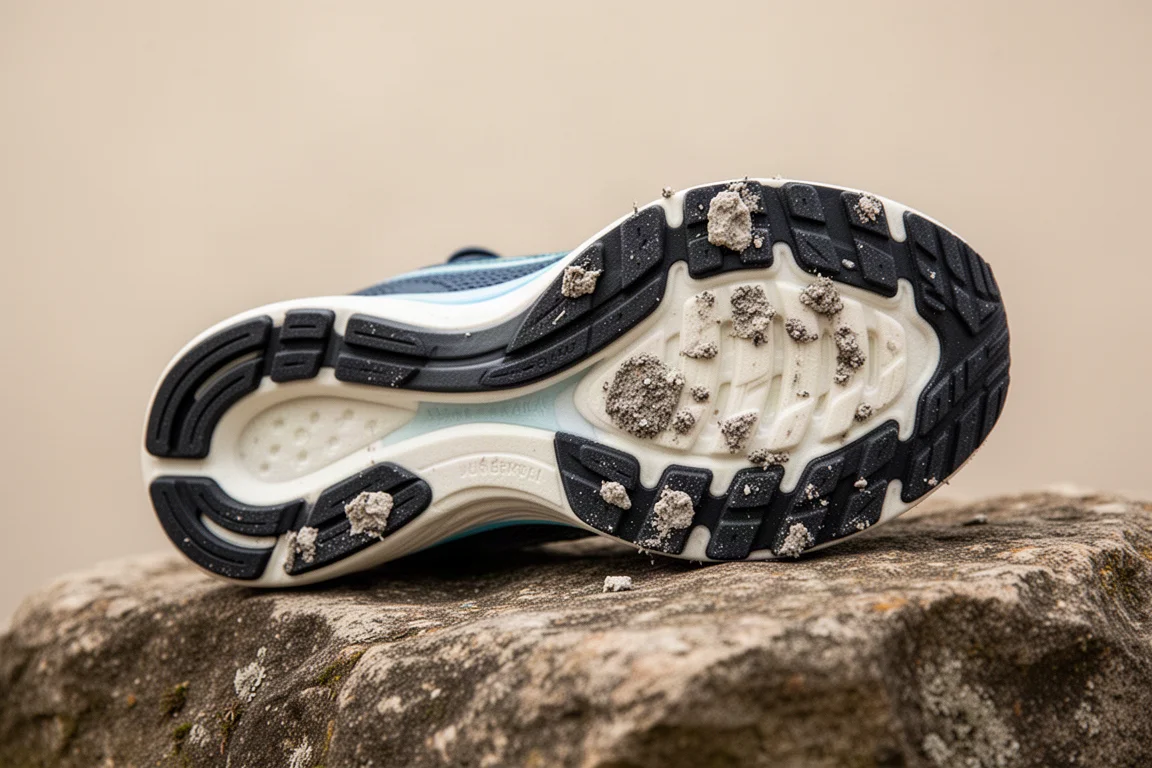
The Novablast 4 has a slightly updated outsole with no reported issues on wet paths and roads, though it does not carry a heavy layer of rubber, with some exposed midsole foam showing through.
The Clifton 9 has even less rubber coverage, and the exposed midsole is already beginning to show wear in testing. Grip on wet ground is fine, but the limited coverage raises durability concerns over time, especially for runners who rub down one side of the shoe.
Which Should You Buy?
Both are good, reasonably priced daily trainers that pop up in sales. If you want a comfortable shoe for easy and daily runs with a slightly lower drop and a very smooth rocker ride, the Clifton 9 is a solid pick.
If you want more versatility, a livelier foam for faster runs, and arguably even more comfort for long runs, the Novablast 4 is the stronger all-rounder and our preferred pick of the two. It benefits from lessons learned across its line and now does almost everything the Clifton does, plus more.
Conclusion
The Hoka Clifton 9 is a comfortable, stable daily trainer that has improved considerably over its predecessors. The Asics Novablast 4, however, is the more versatile and more fun shoe, with better energy return, a slightly plusher ride, and genuine capability at faster paces. For a one-shoe runner, the Novablast 4 is the recommendation.
Product link
View more details for ASICS Novablast 4
This product is mentioned in the review. Check the specifications, options, and compatibility before buying.
View more details for ASICS Novablast 4Further reading
Related Reviews

Running Shoes
Best Road-to-Trail Running Shoes: Three Versatile Options for Mixed Terrain
A practical guide to three road-to-trail running shoes that handle both pavement and mild trails, with clear strengths and trade-offs for different runner types.

Running Shoes
Best Running Shoes for Achilles Tendonitis: Three Options Explained
Three running shoes with different heel drops and support features designed to help reduce Achilles tendon pain during walking and running.

Running Shoes
Best Running Shoes for Women: Five Top Choices Ranked
A ranked guide to five women's running shoes, from versatile daily trainers to high-performance racing options, with real strengths and trade-offs for each.