Running Shoes
ASICS Novablast 4 vs Novablast 5: Should You Upgrade?
A side-by-side look at two popular neutral daily trainers: what changed in the Novablast 5, what stayed the same, and which runner each shoe suits best.
Introduction
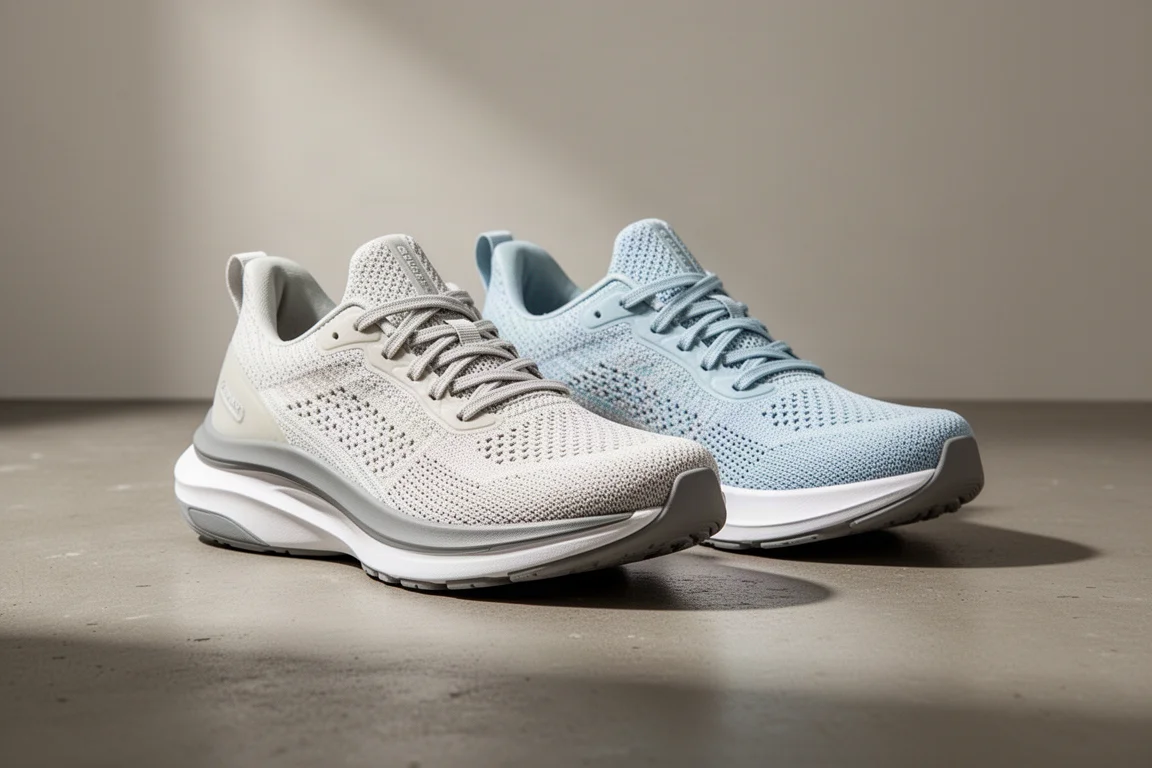
The ASICS Novablast 5 arrived with a lot of expectations. Runners who liked the Novablast 4 want to know whether the update is worth the switch, and newcomers to the series want to know which version to start with. The short answer: both are still excellent neutral daily trainers, but they ride noticeably differently despite looking very similar. One is snappier and slightly more performance-leaning; the other is softer, smoother and more comfortable for everyday mileage.
Specs at a Glance
Measured in a men’s size 10, the Novablast 4 comes in at around 268g (9.5 oz), while the Novablast 5 is a touch lighter at about 262g (9.2 oz). Both share the same stack heights: 41.5mm in the heel, 33.5mm in the forefoot, with an 8mm drop. In practice the drop feels similar in both, possibly slightly lower in the Novablast 5.
So on paper these are nearly identical shoes. The differences show up once you start running in them.

Ride and Foam
The big change in the Novablast 5 is the foam. It uses ASICS’ newer FF Blast Max, which is much softer than the FF Blast Plus in the Novablast 4. The version 4 has a firmer, snappier feel, but also a pronounced slap-forward sensation at heel strike. That quick forward push could load the knees and the muscles around the shins, which made it tiring for some runners over longer days.
The Novablast 5 keeps a similar heel bevel geometry but transitions far more smoothly. The slap is essentially gone, replaced by a pleasant, quick roll through the footstrike that is much easier on the lower legs. What you lose is some of that snappy pop. The version 4 remains the better pick if you want to dip into lighter workouts and want a shoe that pushes pace along; the version 5 is the more comfortable daily trainer and easier to rack up miles in quickly.
Traction and Durability
This is where the Novablast 5 genuinely surprised. Early in its life, with around 40 miles logged, the outsole shows almost no wear, while the Novablast 4 already displays slightly more wear at roughly 30 miles. For a shoe that has been pushed hard, especially on a dominant-foot wear pattern, that is a strong durability showing.
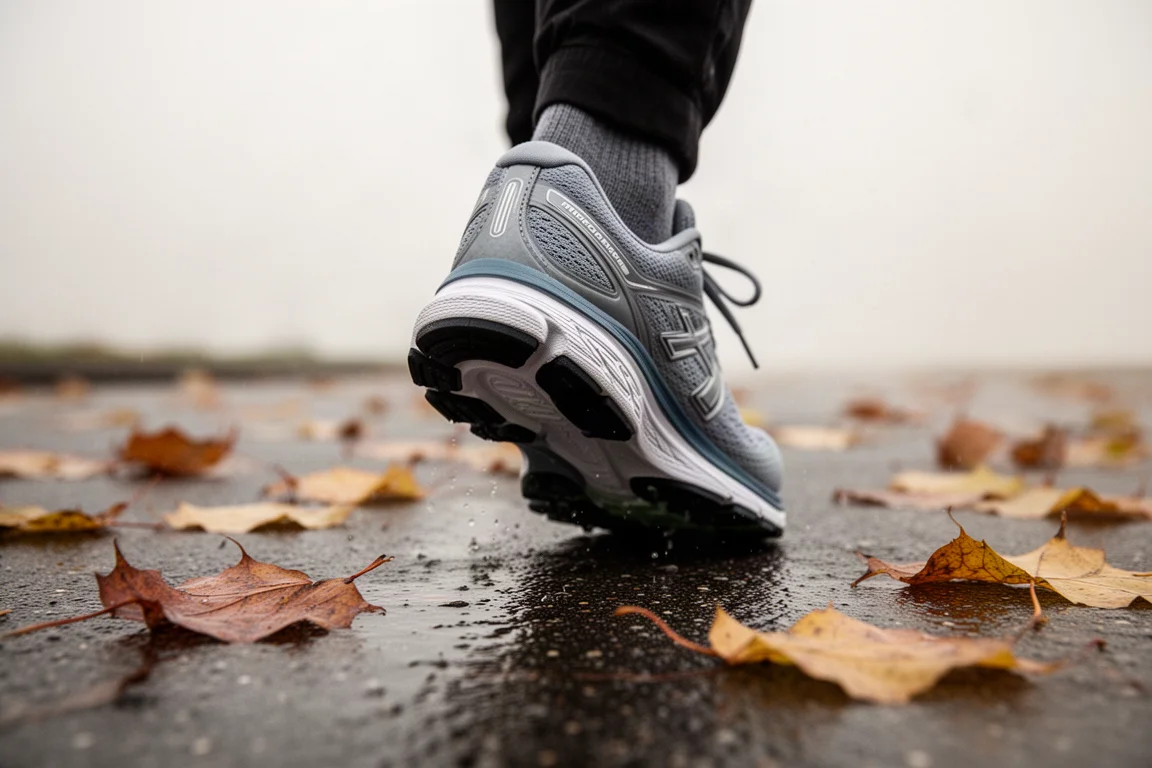
Traction has also improved. On wet Northwest autumn roads covered in slippery fallen leaves, the Novablast 4 slips a little. Not terrible, but not great either. The Novablast 5 hugs the ground noticeably better and inspires more confidence on damp, debris-covered surfaces.
Stability and Midfoot Feel
Both shoes are neutral trainers with substantial sidewalls that help settle the heel and midfoot. The forefoot in both offers a good sole flare, giving stable neutral footing up front.
The difference sits in the midfoot. The Novablast 4 feels a touch less stable there because that slappy heel-to-midfoot transition pushes you over quickly. The Novablast 5 widens the midfoot slightly, adding a bit of stiffness and structure, which makes it the more stable shoe through this zone while still transitioning smoothly.
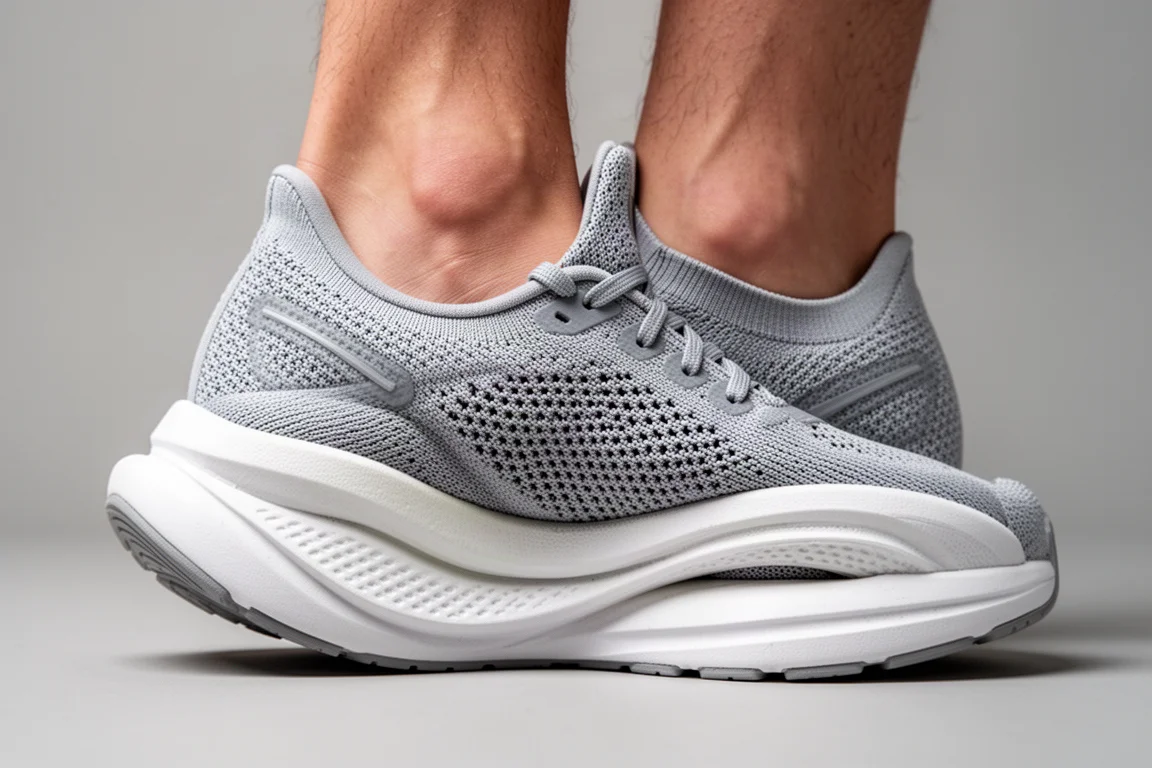
One more detail worth knowing: the Novablast 5 has a subtle pressure point under the center of the forefoot, almost like a small pod. For forefoot strikers it works as a gentle cue to get up on the toes, and many runners will find it helps spread the metatarsals. Runners sensitive to pressure under the front of the foot should just be aware it is there. It is subtle, and by most accounts not a downside.
Fit and Upper
Both uppers fit similarly overall, with the Novablast 4 offering slightly more room and a lightly stretchy woven upper. The Novablast 5 switches to an engineered mesh that feels a little wider but a little lower in volume, so you may need to snug the laces down a touch. The heel collar in both is well padded, and both heel counters, though still on the firmer side, have not bothered even sensitive heels.
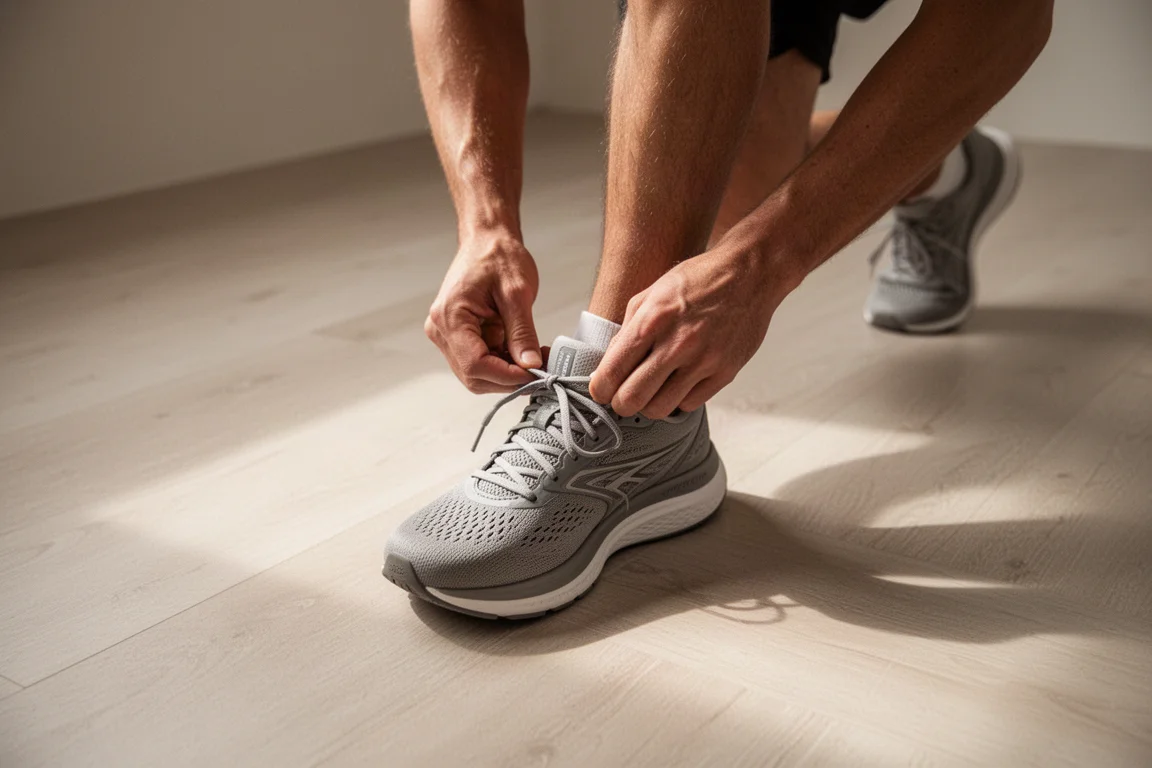
The trade is simple: the Novablast 4 gives you slightly more height and vertical volume up top, while the Novablast 5 gives you a touch more width with a lower, more locked-in feel.
Which One Should You Buy?
Go with the Novablast 4 if you want a snappier, slightly more performance-flavored ride and prefer a bit more volume in the upper, and you can live with the slap-forward heel transition. It is still a shoe many runners will do very well in.
Go with the Novablast 5 if you want a softer, smoother trainer for daily miles and long runs, a slightly wider and lower-volume fit, and especially if traction and durability matter to you. On those points, the newer version is clearly the stronger shoe.
Conclusion
Neither shoe is strictly better; they simply serve different runners. The Novablast 4 leans toward a quicker, snappier ride with a roomier upper, while the Novablast 5 delivers a softer, more comfortable, more stable and more durable experience for everyday training. Pick the one that matches the ride and fit you want, and you are unlikely to go wrong with either.
Product link
View more details for Asics Novablast 4
This product is mentioned in the review. Check the specifications, options, and compatibility before buying.
View more details for Asics Novablast 4Further reading
Related Reviews

Running Shoes
Best Road-to-Trail Running Shoes: Three Versatile Options for Mixed Terrain
A practical guide to three road-to-trail running shoes that handle both pavement and mild trails, with clear strengths and trade-offs for different runner types.

Running Shoes
Best Running Shoes for Achilles Tendonitis: Three Options Explained
Three running shoes with different heel drops and support features designed to help reduce Achilles tendon pain during walking and running.

Running Shoes
Best Running Shoes for Women: Five Top Choices Ranked
A ranked guide to five women's running shoes, from versatile daily trainers to high-performance racing options, with real strengths and trade-offs for each.