Running Shoes
Asics Novablast 4 vs Novablast 3: Is the Update Worth It?
The Novablast 4 adds stack height and a refined upper over the much-loved Novablast 3, but not every change is a step forward. Here is how the two trainers compare.
Introduction
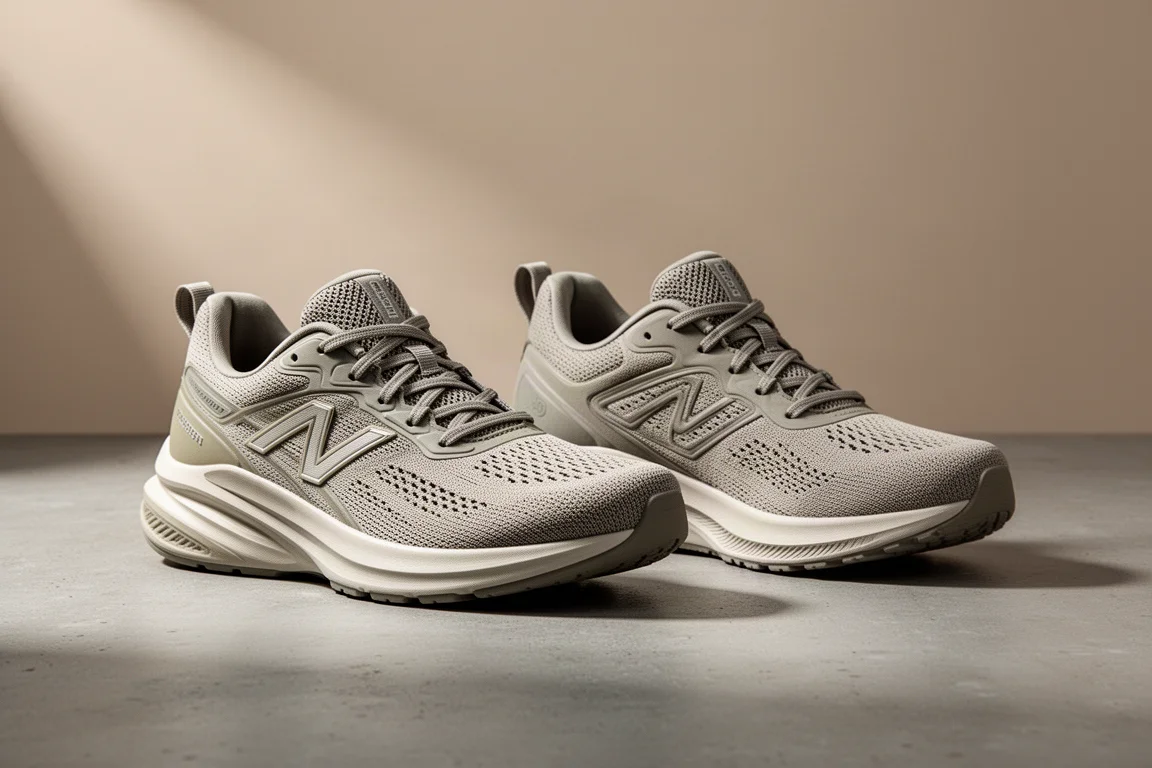
The Novablast 3 was a favorite daily trainer, logging well over 250 miles in a single training block and earning go-to status for all-around running. So the Novablast 4 had big shoes to fill. This comparison looks at what changed, what stayed the same, and whether the update makes sense for your running.
Specs and Weight: A Closer Look
The Novablast 3 came in at 8.9 oz (253 g) in a men’s size 9 and 7.8 oz (222 g) in a women’s size 8. The Novablast 4 gains only 0.2 oz in the men’s model and 0.1 oz in the women’s, so the weight change is minimal. Stack height is a different story: the Novablast 3 ran 38 mm in the heel down to 30 mm in the forefoot with an 8 mm drop, and the Novablast 4 keeps that 8 mm drop while adding 3.5 mm of stack in the heel and forefoot for the men’s version and 2.5 mm for the women’s.
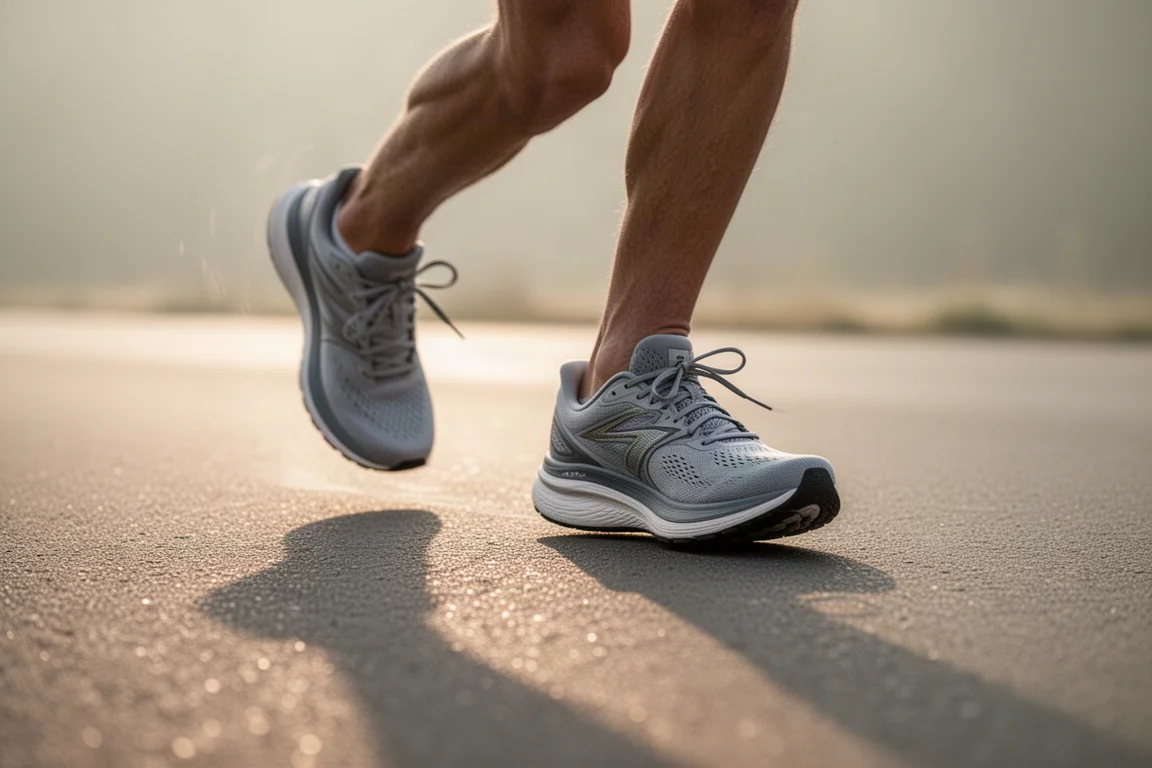
That pushes the Novablast 4 over the 40 mm mark. Asics now has several shoes above that threshold, including the Superblast and Nimbus 25, so the brand has moved from having no true maximalist trainer to offering three heavily stacked options. The impressive part is that all this extra foam arrives with barely any weight penalty.
Upper Updates: Thinner, Softer, More Flexible
The Novablast 4’s upper is a thinner engineered mesh with perforations that run all the way through the forefoot. The Novablast 3 used a thicker, layered upper that was welcome in winter running, but the thinner version four mesh is likely where some of the weight was saved.
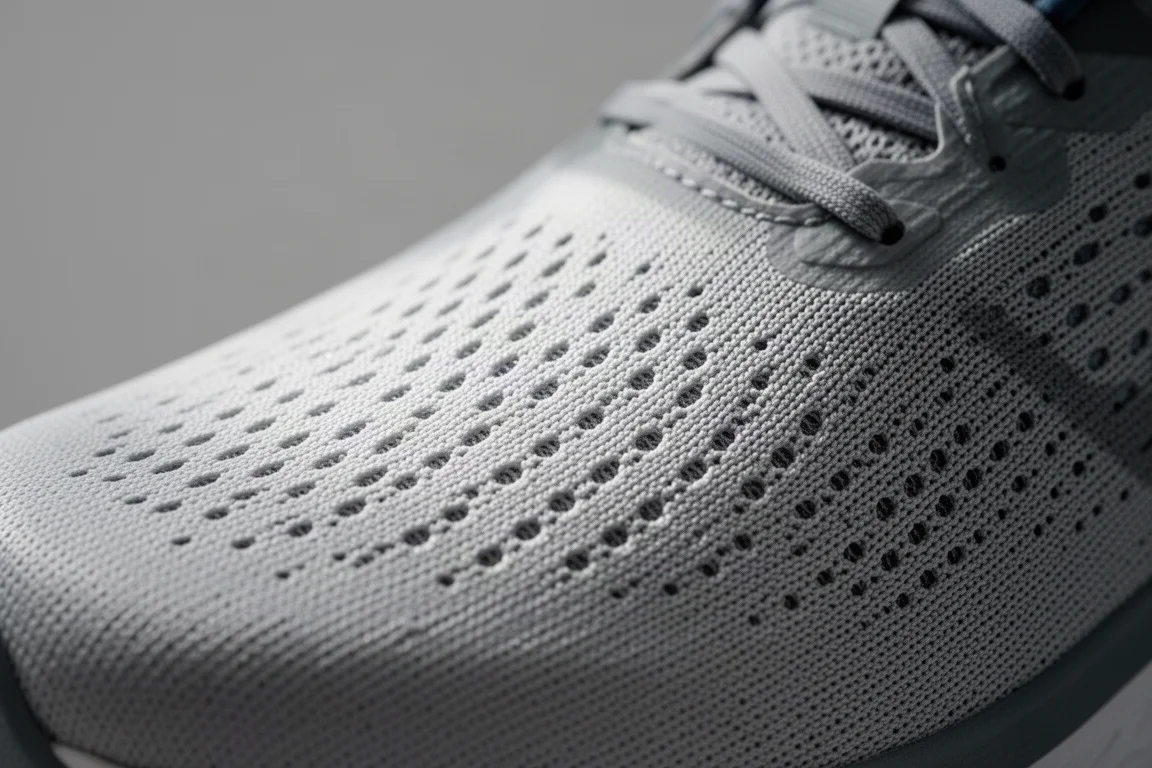
Flexibility improves too. Version three’s forefoot was not especially pliable, while version four stretches nicely and accommodates the foot a little better. The toe box snugness is similar, but the added stretch gives just a bit more room. Fit otherwise carries over: true to size, secure through the heel and midfoot, and comfortable in width and length.
The heel gets a meaningful refinement. Version four adds a pull tab and moves the Achilles-area collar outward with a softer, more flexible curve, which makes it noticeably more comfortable around the heel bone. If the firmer heel counter of version three ever dug into your heel, version four may correct that. The split-design tongue also gains a little extra padding, letting you lace down tighter without irritation. Overall, the upper update is a clear win: same security, more comfort, slightly less weight.
Midsole and Geometry: More Foam, Different Feel
The big changes happen underfoot. On foot, version four looks noticeably wider in both forefoot and heel, but measurements show the forefoot and heel widths are nearly identical to version three, landing within a quarter inch of the Superblast and Nimbus 25, Asics’ widest platforms.
Despite that wide platform, version four feels a touch more clunky on landing than version three, which was perfectly smooth. The extra 3.5 mm of stack means ground contact happens slightly earlier, and the foam reads a bit firmer, which can make the sole flaring feel slightly more abrasive in the heel. It is not bad, just a little less refined than its predecessor.
Forefoot flexibility is also reduced in the fresh version four. Version three flexes generously, while the newer shoe is much stiffer with no clear hinge point, partly because of the added foam. More miles may loosen it up, but early on it rides noticeably stiffer and more rocker-like.
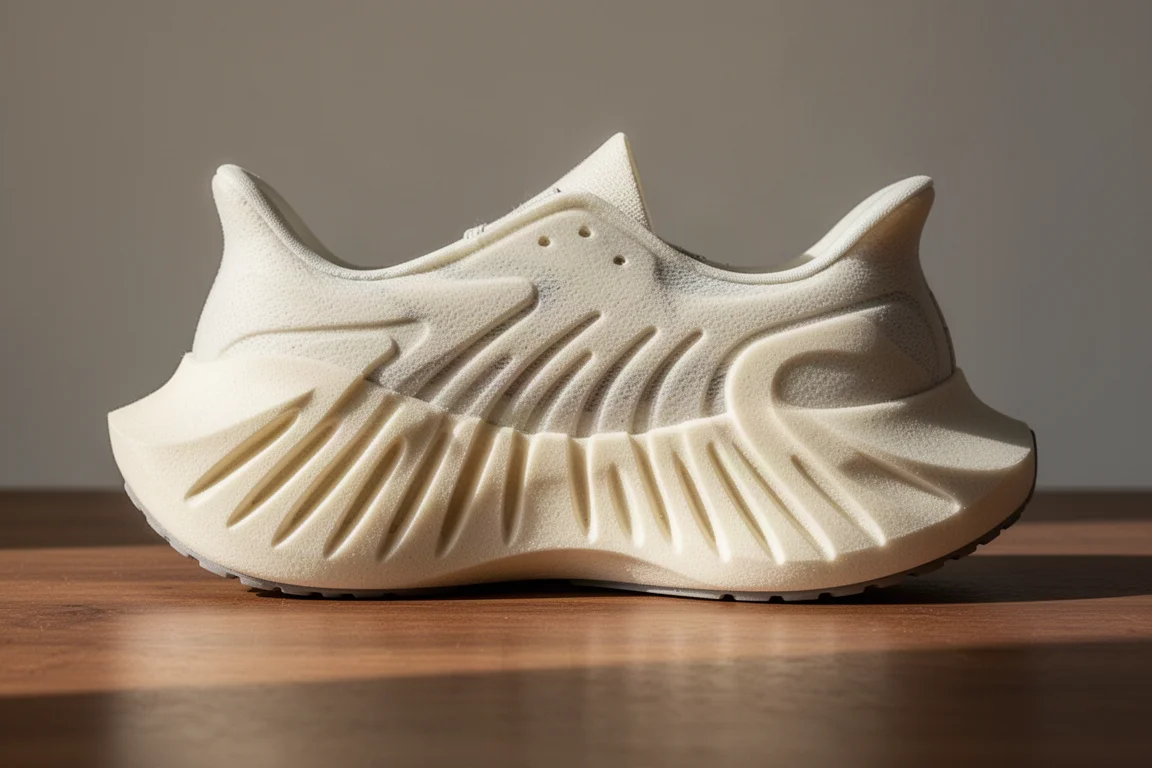
One subtle but potentially significant geometry change: the sidewalls moved posteriorly by roughly an inch, so the foam cradles the foot further back toward the heel. For riders who found earlier Novablast heels unstable, this should add a bit of guidance. Asics also deepened the longitudinal guidance grooves in both forefoot and heel rather than adding stack there, which gives a slightly more compressed, bouncier feel at full landing, especially in the forefoot, where the cutouts let you genuinely feel the cushioning.
Outsole: Familiar Rubber With Deeper Cuts
Both versions use Asics’ low-density rubber compound, which keeps weight down. After 250 miles, the Novablast 3 showed visible wear but still had plenty of rubber left, so durability looks reasonable. The Novablast 4 adds slightly deeper cuts into the rubber, which should help traction.
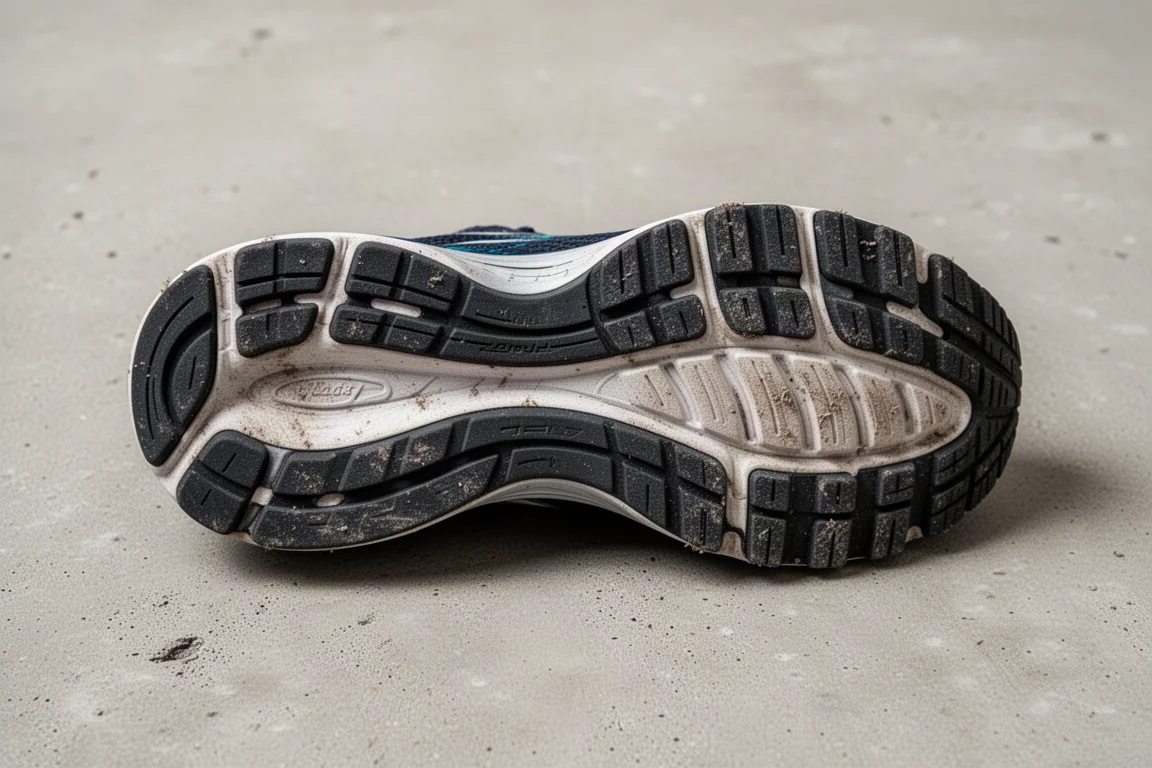
Wet-weather performance was never a concern in the Novablast 3 for this testing, though plenty of runners did report grip issues, so expectations for version four remain cautiously similar.
Which One Should You Buy?
If you loved the Novablast 3’s balance of cushion and forefoot flexibility, the Novablast 4 trades some of that flexibility for extra stack, a firmer feel, and a more structured heel. The upper is unambiguously better in version four, so if heel irritation or forefoot tightness bothered you in version three, the update is worth a look. If you prefer the smoother, more flexible ride of the older model and can still find it, the Novablast 3 remains a genuinely great daily trainer. Neither is a bad choice; they simply suit slightly different preferences.
Conclusion
The Novablast 4 refines the formula with a more comfortable upper, meaningful extra stack, and heel geometry that may suit runners who wanted more guidance. The Novablast 3 still holds its own with a smoother, more flexible ride. Choose version four for comfort and cushion, version three for flexibility and proven feel.
Product link
View more details for ASICS Novablast 4
This product is mentioned in the review. Check the specifications, options, and compatibility before buying.
View more details for ASICS Novablast 4Further reading
Related Reviews

Running Shoes
Best Road-to-Trail Running Shoes: Three Versatile Options for Mixed Terrain
A practical guide to three road-to-trail running shoes that handle both pavement and mild trails, with clear strengths and trade-offs for different runner types.

Running Shoes
Best Running Shoes for Achilles Tendonitis: Three Options Explained
Three running shoes with different heel drops and support features designed to help reduce Achilles tendon pain during walking and running.

Running Shoes
Best Running Shoes for Women: Five Top Choices Ranked
A ranked guide to five women's running shoes, from versatile daily trainers to high-performance racing options, with real strengths and trade-offs for each.