Running Shoes
Asics Novablast 3 vs the Competition: Five Daily Trainers Compared
How the Asics Novablast 3 stacks up against the Puma Velocity Nitro 2, Nike Pegasus 39, Adidas Adizero Adios 7, and Asics Gel Nimbus 24 for daily training.
Introduction
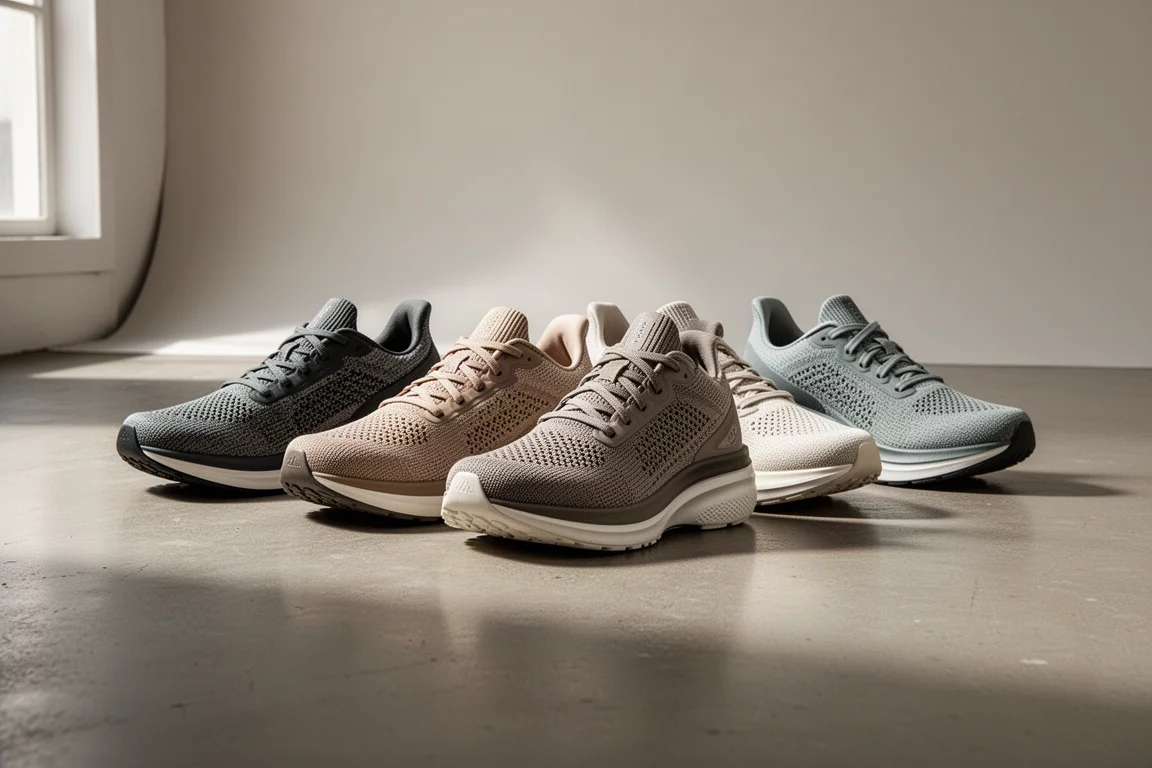
The Asics Novablast 3 has earned a place in plenty of rotations thanks to its FF Blast Plus foam and a ride that stays lively without turning harsh. But it is far from the only daily trainer chasing that balance. Here is how it measures up against four capable rivals, each with a slightly different idea of what a daily shoe should feel like.
Versus the Puma Velocity Nitro 2
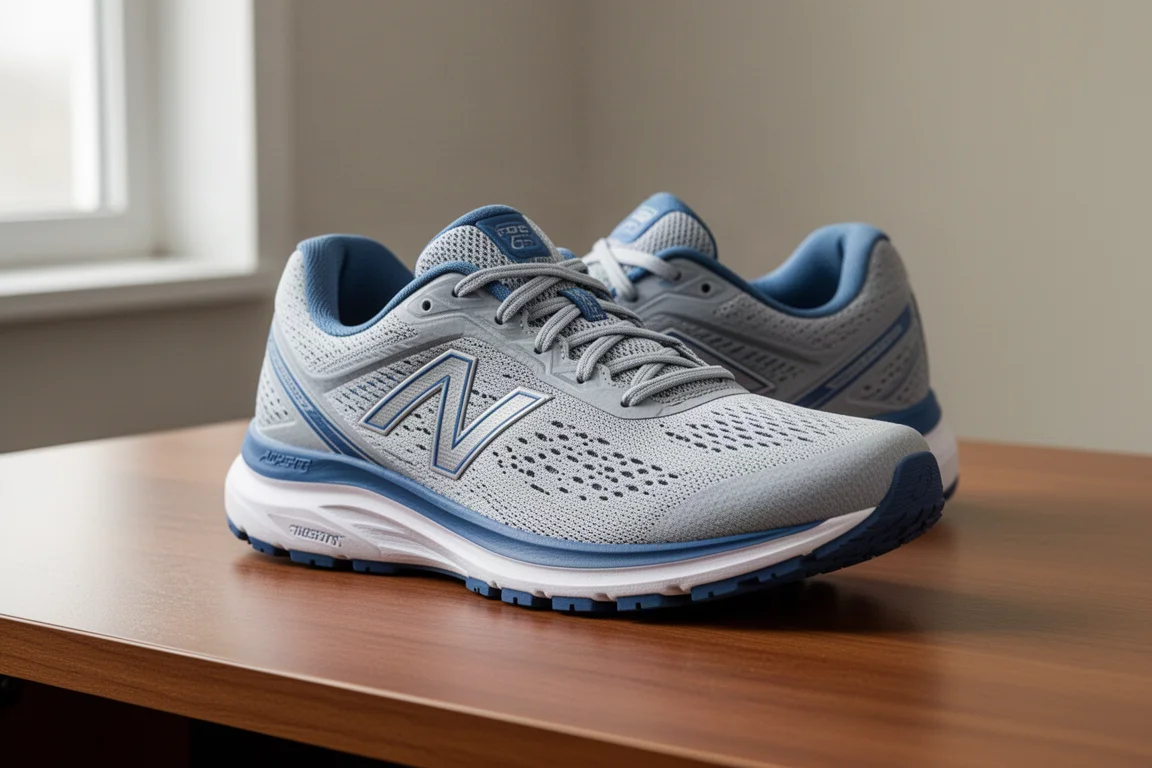
The Velocity Nitro 2 sits a touch lower to the ground and feels a little firmer underfoot, though it is a close call on cushioning. The toe box width and height are strikingly similar between the two, and tongue thickness and heel padding are nearly identical. The Novablast 3 offers slightly more width through the widest part of the midfoot, while heel surface area is very close.
The Puma feels more traditional, with softer foam layered over firmer EVA closer to the floor, and it comes across as slightly more stable. For everyday miles it is a genuine do-it-all shoe, though the Novablast 3 is the more forgiving pick for longer runs. On the flip side, the Puma’s outsole grip material has the edge, and it typically sells at a lower price, making it arguably the better deal.
Versus the Nike Pegasus 39
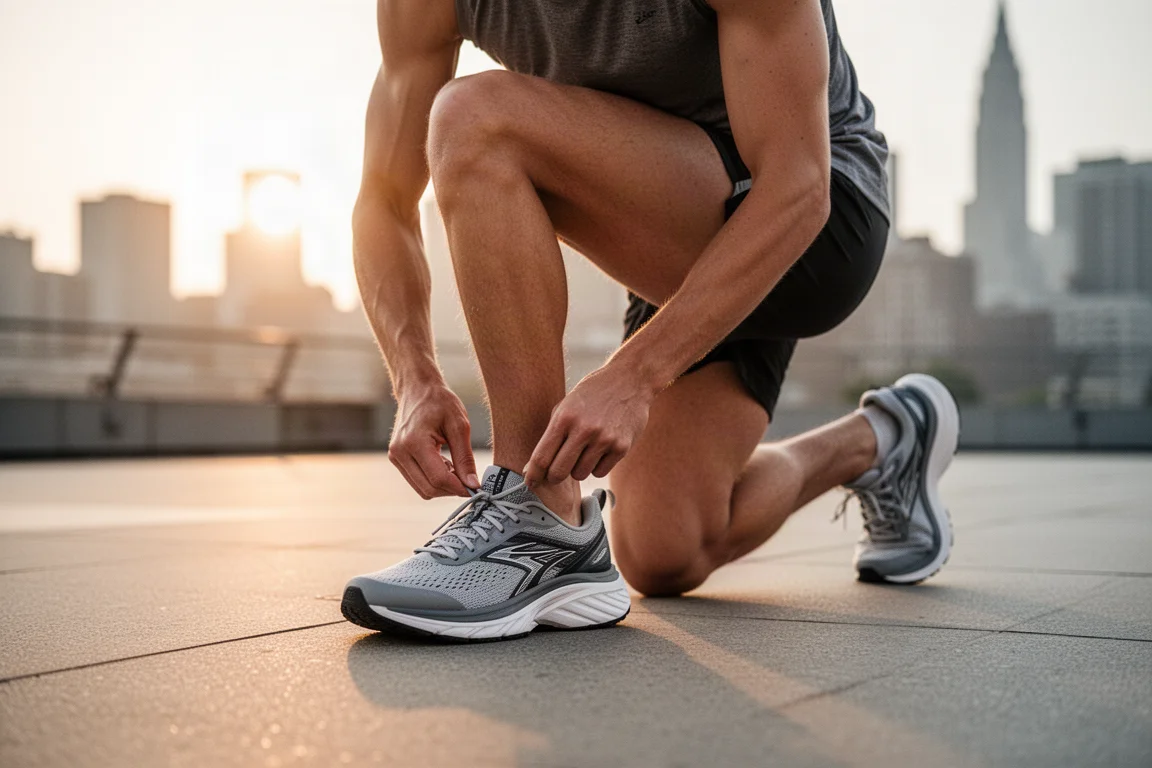
The Pegasus 39 combines React foam with Zoom Air units in both the forefoot and heel. Some may find that pairing a little jarring, but it delivers a more responsive and exciting ride than foam-only trainers, with solid longevity as a bonus. It handles intervals, repeats, and tempo runs well, and its slightly firmer air units give it an edge when running at pace. Its outsole traction is also stronger, which could matter for winter running.
The Novablast 3 counters with a more modern foam, roughly 30 grams less weight, more cushioning for longer efforts, and about a centimetre more width through the midfoot. Price is a real factor too: the Pegasus lands around 110, while the Novablast 3 sits closer to 135. These are horses-for-courses shoes, and some runners may genuinely want both.
Versus the Adidas Adizero Adios 7
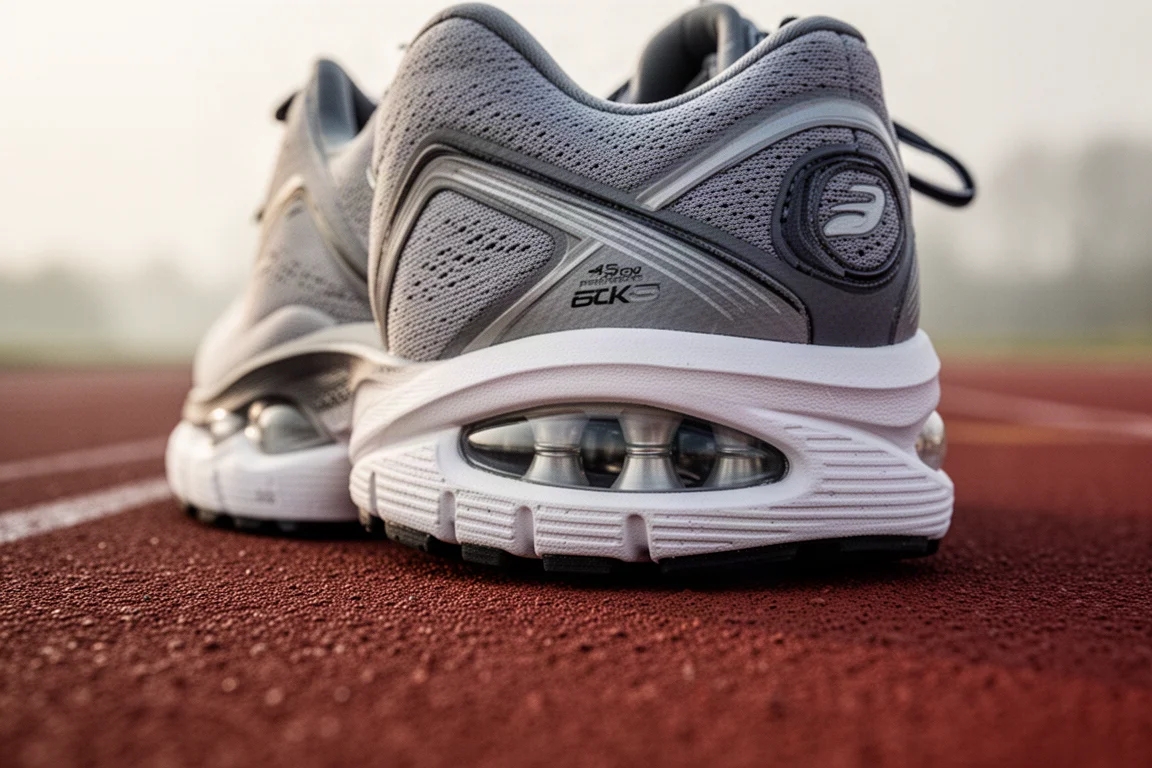
The Adios 7 is roughly 30 grams lighter than the Novablast 3, with a much narrower base and a distinct race-shoe character. Toe-off feels snappier, the foam combination is excellent, and the upper is far thinner. It is best understood as a high-end tempo or race shoe rather than a pure daily trainer.
The Novablast 3 carries around 1.5 centimetres more width through the midfoot and heel, which is considerable and could be make or break depending on your fit needs. It is also more consistent out of the box: the Adios 7 needs a few miles to loosen up before it freewheels. If you need cushioning for longer distances or have a heavier or more experienced frame, the Novablast 3 is the safer daily pick; faster training and racing belong to the Adidas.
Versus the Asics Gel Nimbus 24
The Nimbus 24 shares the same FF Blast Plus foam but adds stability-aiding Gel for a more maximally cushioned, structured ride. It is lower in stack, roughly 50 grams heavier, and its Flyknit-style tongue material makes the weight difference obvious in hand. The lower profile may appeal to some, and generous heel padding is common to both shoes.
If stability rules your decision, the Nimbus 24 is the one to go for, especially at the discounted prices it can now be found at. But the Novablast 3 feels like the more modern shoe: simpler, more versatile, lighter, and frankly more fun to run in. For most people, the Novablast 3 is the easier recommendation between the two.
Overall Buying Advice
Choose the Velocity Nitro 2 if you want a stable, grippy all-rounder at a friendlier price. Pick the Pegasus 39 if responsiveness and pace work matter most. Go for the Adios 7 if you lean towards faster sessions and racing. The Nimbus 24 makes sense if you want structure and stability, particularly on discount. For everything else, the Novablast 3 remains the most versatile and modern-feeling option of the group.
Conclusion
The Novablast 3 holds up well against strong competition. It is not the cheapest, the grippiest, or the fastest here, but its combination of cushioning, versatility, and lively foam makes it the easiest single pick for runners who want one shoe to cover most of their training.
Further reading
Related Reviews

Running Shoes
Best Road-to-Trail Running Shoes: Three Versatile Options for Mixed Terrain
A practical guide to three road-to-trail running shoes that handle both pavement and mild trails, with clear strengths and trade-offs for different runner types.

Running Shoes
Best Running Shoes for Achilles Tendonitis: Three Options Explained
Three running shoes with different heel drops and support features designed to help reduce Achilles tendon pain during walking and running.

Running Shoes
Best Running Shoes for Women: Five Top Choices Ranked
A ranked guide to five women's running shoes, from versatile daily trainers to high-performance racing options, with real strengths and trade-offs for each.