Running Shoes
Asics Novablast 3 vs Saucony Endorphin Speed 3: Which Daily Trainer Wins?
A head-to-head look at two popular daily trainers, covering spec differences, fit, ride feel, durability, and which one suits your running style.
Introduction
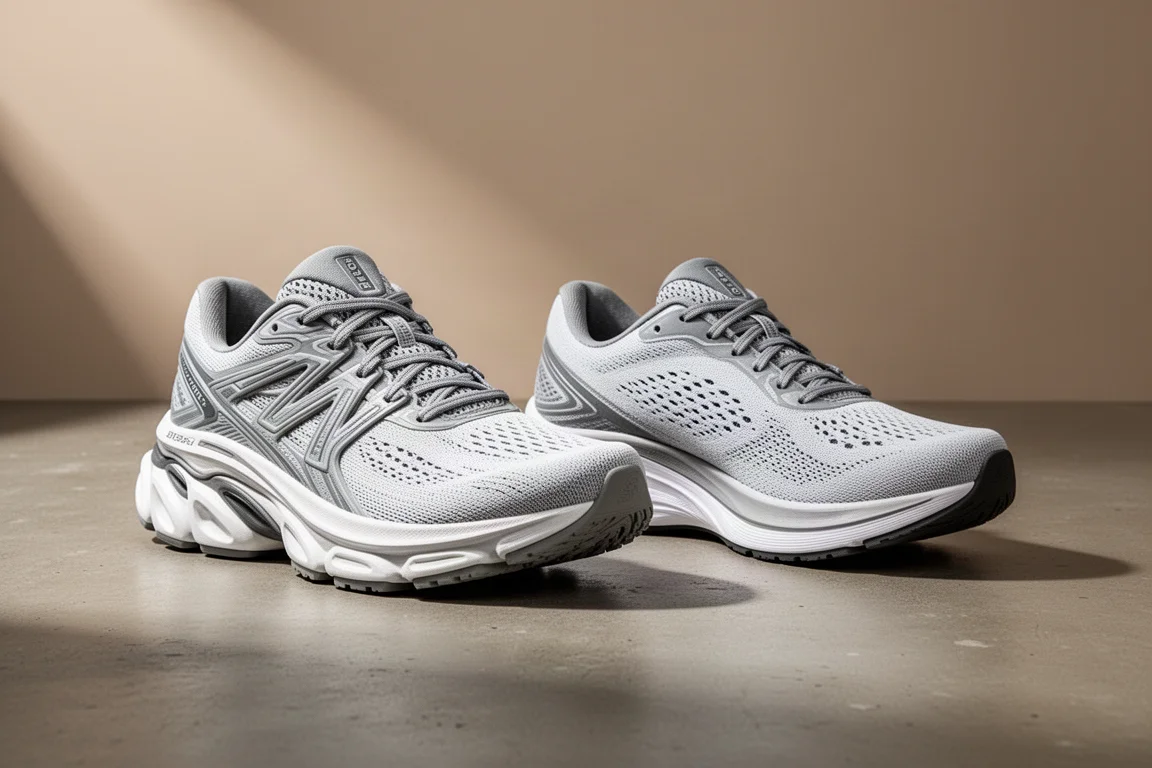
The Asics Novablast 3 and Saucony Endorphin Speed 3 are two of the most popular daily trainers on the market right now, and both took meaningful steps forward from their previous generations. We put both through a wide mix of runs, from slow recovery paces right up to all-out efforts, across tarmac, pavements, and uneven compacted paths, to find out whether the upgrades actually worked and which one deserves your money.
Specs at a Glance
Both shoes share an 8mm drop, but everything else diverges. The Endorphin Speed 3 carries more stack: 36mm in the heel and 28mm in the forefoot, against 31mm and 23mm on the Novablast 3. The Speed 3 is also the lighter shoe at 8.1 ounces (229g), while the Novablast 3 weighs 8.9 ounces (253g).
Price tells a similar story. The Novablast 3 comes in at £135 in the UK and $140 in the US, while the Speed 3 runs £165 and $170 respectively.
Design Highlights
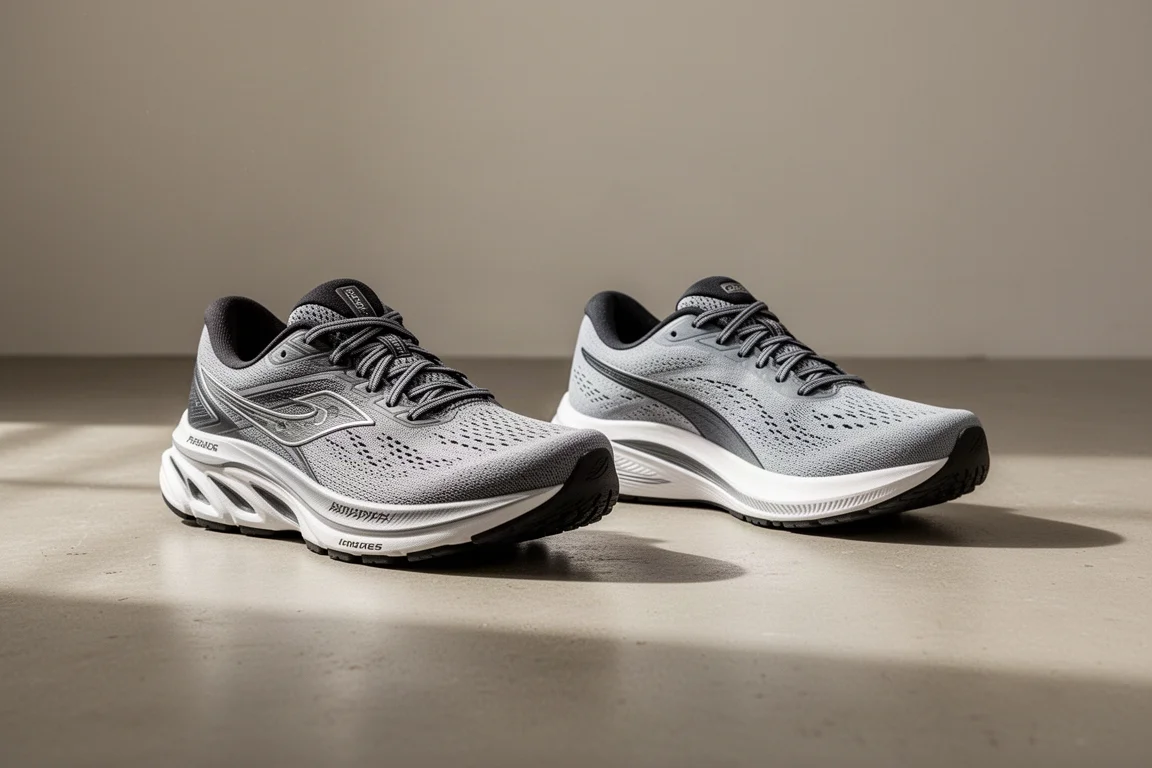
The Novablast 3 switches to a new FF Blast Plus midsole foam, which makes for a bouncier ride while the shoe drops 30 grams versus the Novablast 2. Up top there is a dense mesh upper, a large padded heel collar, heel overlays for hold and stability, and strategically placed AHAR rubber on the outsole.
The Endorphin Speed 3 uses PWRRUN PB foam with a slightly wider forefoot base than its predecessor, and its S-curve wing nylon plate has been tweaked with extra wings for added stability. Its upper mesh is lighter and more breathable than the Novablast’s, and the XT-900 rubber outsole is applied very sparingly across the high-wear zones.
Fit and On-Foot Feel
Both shoes ran true to size, with solid heel lockdown, comfortable lacing, and gusseted tongues that wrap the foot nicely. The Speed 3 feels a touch more compact and offers a little more width up top, while the Novablast 3 has noticeably more length in the toe box, to the point it can feel roughly half a size too big.
The Novablast 3’s much more padded heel collar adds a plush, comfortable feel, but it also contributes to a sense of more shoe on the foot. The Speed 3’s more perforated, flexible upper simply breathes better.

Ride and Performance
To compare them directly, we ran a mile with one shoe on each foot. The honest conclusion: there is very little between them. Stability, punch, and response all sit within small margins.
That said, the differences that do exist are consistent. The Novablast 3 is ever so slightly softer and a touch sinkier, though this is a big improvement over the softer feel of earlier generations. The Speed 3, thanks to its compact shape and the speed roll geometry, delivers a bit more roll through the stride, more punch, and marginally better stability at all paces and in corners. The Novablast 3’s extra toe length makes it feel a bit boaty, and it does not roll through the stride quite as quickly.
For slower, easier, and recovery runs, the Novablast 3’s plusher, softer ride arguably suits better. For faster days and anything up to racing, the Speed 3 has more range.
Durability and Grip
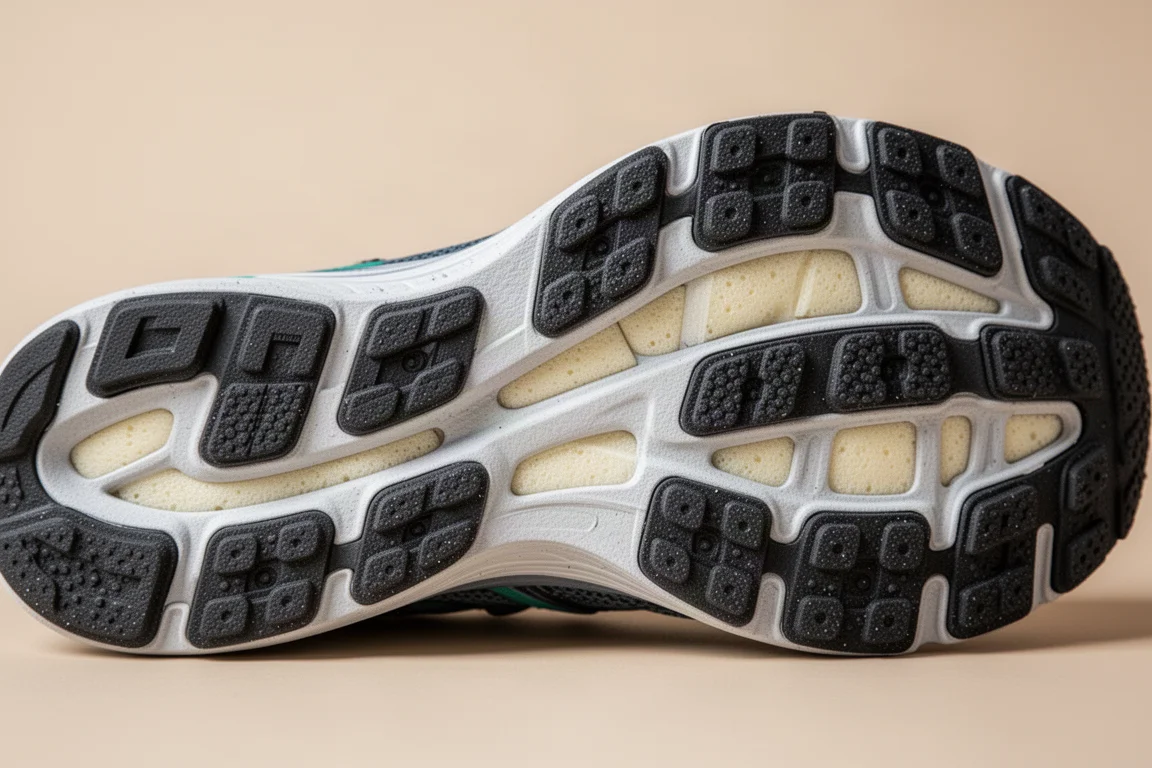
Both shoes are sturdily built and should deliver long mileage. The Novablast 3’s upper is firmly bonded and unlikely to come apart, and there is enough outsole rubber for protection, though it may wear down after roughly 300 to 400 miles. The Speed 3 has proven it can go much further, with 650 miles recorded on a single pair.
On grip, both perform well in dry conditions, and neither handles metal drain covers or manhole lids with confidence. Splitting hairs, the Speed 3 edges the Novablast 3 slightly in wet conditions.
The Verdict
Both are very good shoes, both improved meaningfully over their previous versions, and both offer strong versatility across paces and terrain. The choice comes down to preference: the Novablast 3 is the plusher, softer, comfort-first option, while the Speed 3 is the more stripped-back, nimble, firmer ride with more versatility, and it is the one we would happily race a marathon in.
For us, the Endorphin Speed 3 just edges it, and the extra £30 or so is easy to justify for the range it offers. But if plush comfort and a softer ride matter most to you, especially for easy miles, the Novablast 3 will absolutely do the job.

Conclusion
The Novablast 3 and Endorphin Speed 3 are closer than their spec sheets suggest, and neither is a wrong choice. Pick the Novablast 3 for cushioned comfort on easier days, or the Speed 3 if you want a lighter, punchier trainer with genuine racing range. Both are well made, durable investments that should keep performing for hundreds of miles.
Product link
View more details for Asics Novablast 3
This product is mentioned in the review. Check the specifications, options, and compatibility before buying.
View more details for Asics Novablast 3Further reading
Related Reviews

Running Shoes
Best Road-to-Trail Running Shoes: Three Versatile Options for Mixed Terrain
A practical guide to three road-to-trail running shoes that handle both pavement and mild trails, with clear strengths and trade-offs for different runner types.

Running Shoes
Best Running Shoes for Achilles Tendonitis: Three Options Explained
Three running shoes with different heel drops and support features designed to help reduce Achilles tendon pain during walking and running.

Running Shoes
Best Running Shoes for Women: Five Top Choices Ranked
A ranked guide to five women's running shoes, from versatile daily trainers to high-performance racing options, with real strengths and trade-offs for each.