Running Shoes
Asics Novablast 3 vs Puma Velocity Nitro 2: Which Daily Trainer Deserves Your Money?
Two popular 2022-updated daily trainers go head to head on cushioning, ride feel, fit, outsole grip and value to help you pick the right one for your rotation.
Introduction
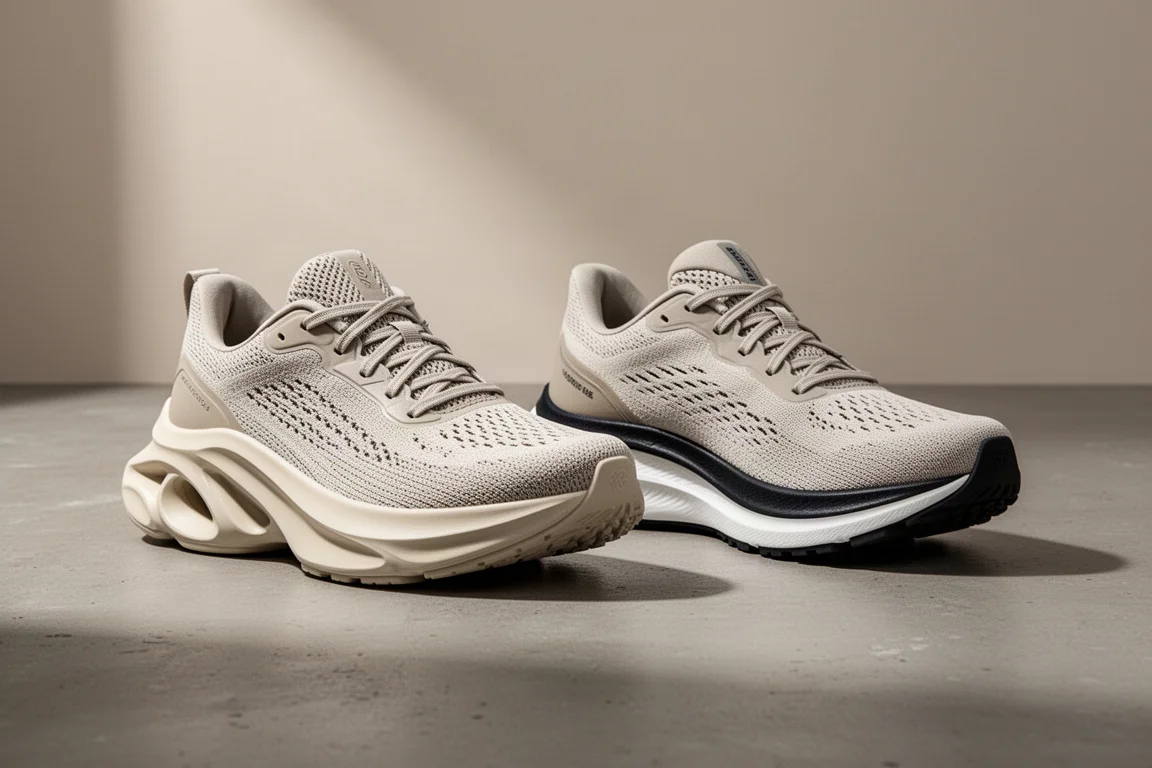
The Asics Novablast 3 and the Puma Velocity Nitro 2 were both upgraded for 2022, and both have built up a serious following among daily-trainer fans. They occupy a similar space in the lineup: neutral cushioned shoes aimed at easy and steady running, with enough energy to handle quicker days when needed.
But they are far from identical. One sits higher, softer and bouncier, the other feels lower, firmer and more nimble, and the price gap between them is meaningful. After extensive miles in both, including a side-by-side one-mile test wearing one shoe on each foot, here is how they stack up and where each one makes sense.
Key Specs at a Glance
The numbers reveal the core personality difference between these two shoes:
- Drop: Novablast 3 has an 8mm drop; the Velocity Nitro 2 is slightly higher at 10mm.
- Stack height: Novablast 3 measures 31mm in the heel and 23mm in the forefoot. The Velocity Nitro 2 comes in at 33.5mm heel and 23.5mm forefoot.
- Weight: The Novablast 3 is 8.9oz (253g) in a UK men’s size 8.5, while the Velocity Nitro 2 is a tad heavier at 9.5oz (270g).
- Price: The Novablast 3 costs £135 / $140, while the Velocity Nitro 2 is significantly cheaper at £100 / $120.
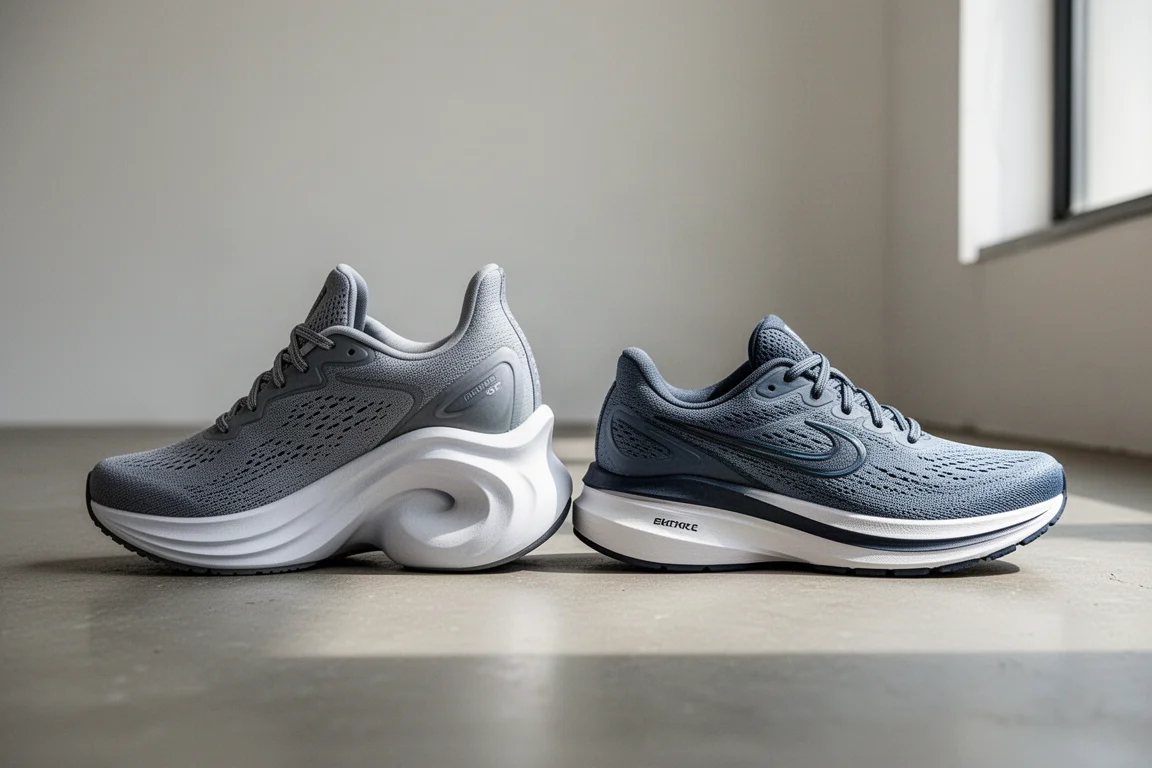
On paper the Velocity Nitro 2 actually has the taller stack, but the Novablast 3 is the lighter shoe. In practice, though, the Novablast 3 feels like the bigger, bulkier shoe on the foot, while the Velocity Nitro 2 runs lighter than its weight suggests.
Design and Construction
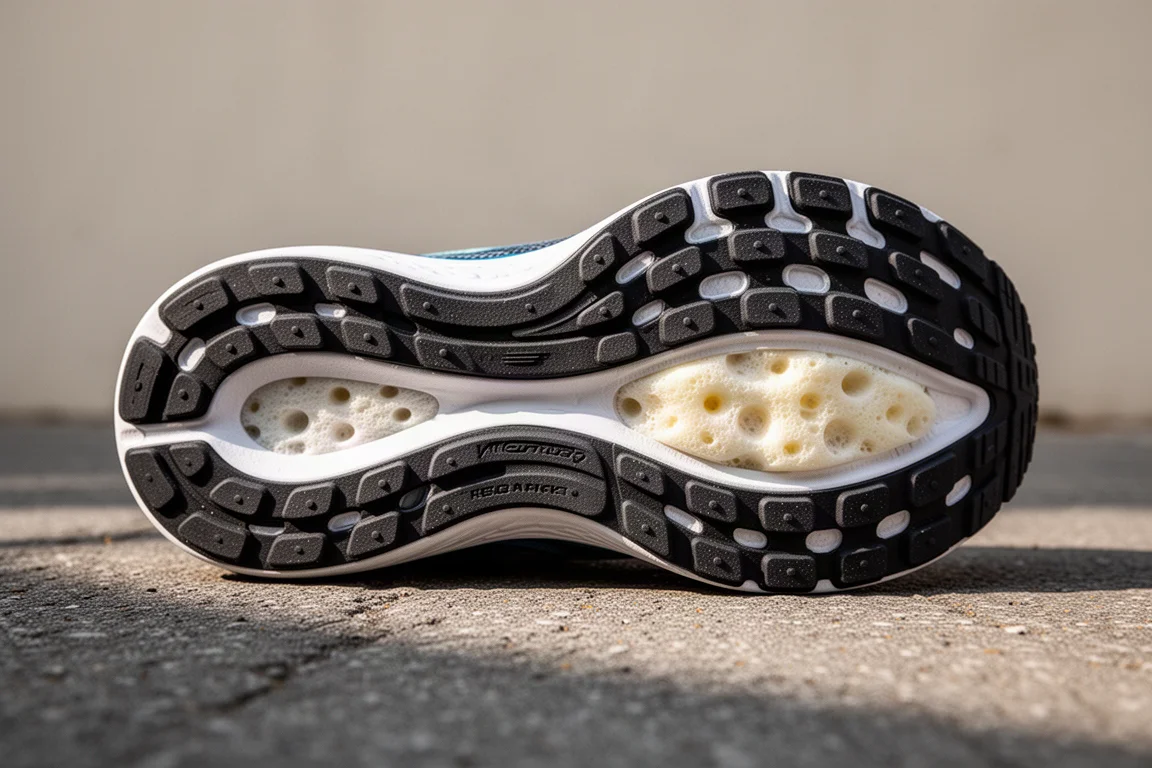
The Novablast 3 brings a new midsole foam for its third generation: FF Blast Plus cushioning, paired with a slightly higher midsole stack than version two. The foam makes for a bouncier ride, and despite carrying more of it, the shoe is a full 30 grams lighter than the previous generation. Up top you get a fairly dense mesh upper that holds the foot well, a big plush padded heel collar, a thin gusseted tongue that wraps the foot, and heel overlays for added hold and stability. The outsole uses a reasonable covering of harder rubber grip, placed strategically in high-impact landing zones, with some areas of exposed foam.
The Velocity Nitro 2 looks more like a traditional running shoe, and its midsole uses two foam layers: nitrogen-infused Nitro foam plus a layer of EVA that adds a touch of stability to the softer, bouncier Nitro foam. The upper is also a dense mesh with thick padded laces, and this generation is slightly lighter than the original Velocity. Puma’s excellent grip outsole returns, covering the full midfoot with ample rubber in the reinforced heel areas.
Side by side, the Novablast 3 is noticeably longer and wider in its landing zones, with the foot sinking into that tall, hulking midsole and riding high. The Velocity Nitro 2 keeps a more classic silhouette, with the foot sitting more traditionally on the midsole bed. Both have padded tongues that take the edge off lace pinch without being overly bulky, and the heel collar padding is nearly identical between the two, with both offering a plush, comfortable hold at the heel.
Fit and Sizing
Both shoes ran long in the toe box, and there is a case for going half a size down in each. The effect is more pronounced in the Novablast 3, which is the safer one to size down in. In the Velocity Nitro 2 the wrap around the rest of the foot is so good that going down half a size could be a risk, particularly for wider feet.
The Velocity Nitro 2 fit true to size overall with a really good hold around the heel, though the heel padding can absorb a fair amount of sweat and rain on wet runs. The Novablast 3 runs slightly long; it was not a major problem during testing, but the extra room in the toe box would have most runners happier going half a size down.
How They Feel on the Run
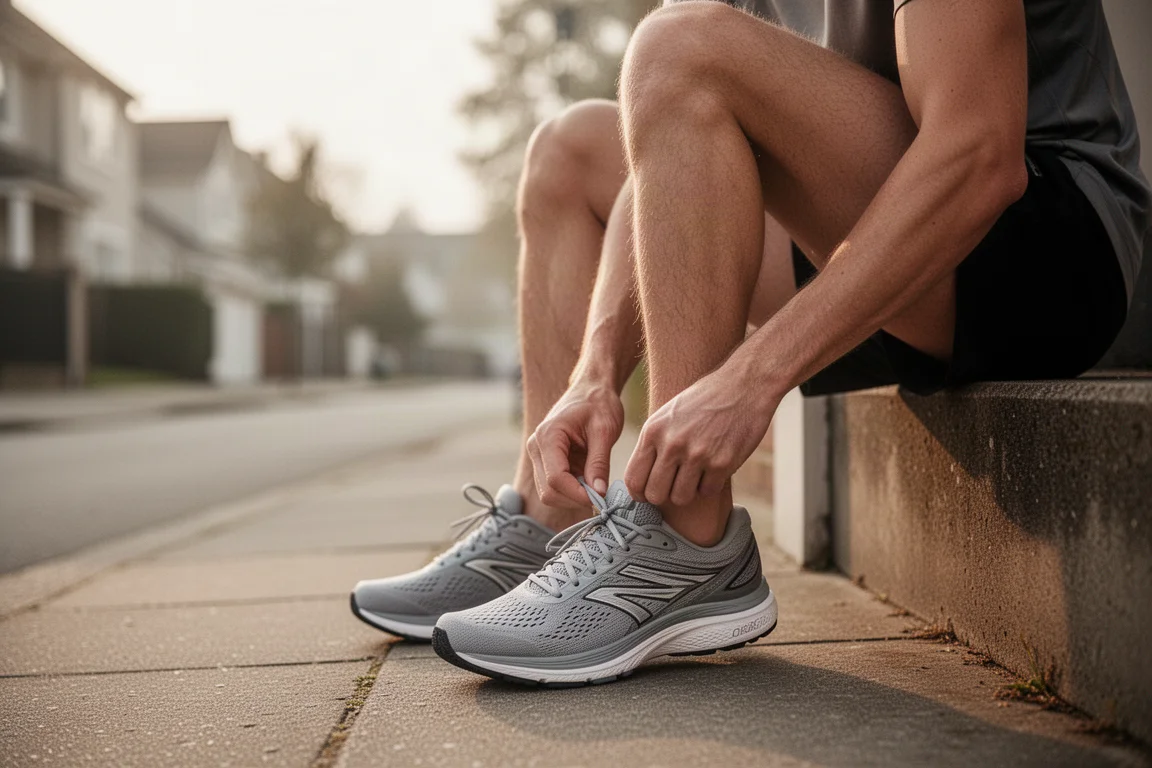
The Velocity Nitro 2 is the kind of shoe that grows on you. It has a comfortable, unfussy ride that soaks up easy miles, but it livens up when you pick up the pace, adding noticeable bounce for harder sessions while still feeling light and nimble on the foot. The outsole is a real asset, making it comfortable enough to take off-road. A typical run in this shoe starts with 20 to 30 easy minutes in the forest, where the grip is fantastic, then transitions onto the road for steadier work, where the ride comes alive with more bounce. It stays comfortable across a wide range of paces and terrain.
The Novablast 3 is the more hyped of the two, and the first couple of runs are genuinely enjoyable: bouncy and lively, but controlled rather than sloppy, and reasonably stable. However, after roughly 50 to 60km the ride dulled somewhat and lost some of that out-of-the-box edge. It also proved less versatile than expected, feeling big and heavy on faster runs, even though it is the lighter shoe on paper. It works best as an easy-day shoe and daily trainer focused on relaxed paces.
One thing that improved with more miles: the Novablast 3’s outsole grip, which felt slick and worrying on wet pavements at first but roughed up nicely over time. Even after confident use on wet tarmac with steep downhill sections, it still is not quite as durable or grippy as the Velocity Nitro 2’s outsole.
Head to Head: The One-Mile Test
Wearing one shoe on each foot for a mile made the differences obvious. The high stack of foam on the Novablast 3 is immediately felt, along with a much softer, sinkier ride. The Velocity Nitro 2 sits closer to the ground and feels firmer, though still comfortably cushioned.
The key question with the Novablast 3 is whether you actually get spring and return out of that soft foam. Some runners do, but the trade-off is a slight sinking feeling that makes lifting the foot out feel like extra work. The Velocity Nitro 2 is soft enough to soak up the miles without feeling sinky, and it feels lighter, more nimble and more agile on the foot despite its heavier spec weight. Both run long in the toe box, and the uppers offer similar roominess and foot-hugging comfort, with little to separate them at the heel.

Which Shoe Should You Buy?
Both are capable easy-run shoes, but they earn their place differently. The Velocity Nitro 2 handles everything from relaxed forest miles to hard sessions, has a more durable and grippier outsole, feels nimbler than its weight suggests, and comes in significantly cheaper, often appearing in sales. It is the shoe that would earn a spot in almost any rotation.
The Novablast 3 remains a really good shoe that plenty of runners love, and it is at its best as a comfortable easy-day trainer. If your running is mostly relaxed paces and you enjoy a big, soft, bouncy platform, it can absolutely work. But for medium paces and beyond, the Velocity Nitro 2 does the better job, with a more natural, direct ride that avoids the sinking feeling of the taller Asics.
Conclusion
Of these two, the Puma Velocity Nitro 2 is the stronger all-round pick: better value, more versatile terrain coverage, more durable grip and a more natural ride at both easy and faster paces. The Asics Novablast 3 suits runners who prioritise maximum softness and bounce for easy days and do not mind a bigger-feeling shoe. Choose the Puma if you want one shoe that does almost everything well, and the Asics if plush, lively easy running is your main goal.
Product link
View more details for ASICS Novablast 3
This product is mentioned in the review. Check the specifications, options, and compatibility before buying.
View more details for ASICS Novablast 3Further reading
Related Reviews

Running Shoes
Best Road-to-Trail Running Shoes: Three Versatile Options for Mixed Terrain
A practical guide to three road-to-trail running shoes that handle both pavement and mild trails, with clear strengths and trade-offs for different runner types.

Running Shoes
Best Running Shoes for Achilles Tendonitis: Three Options Explained
Three running shoes with different heel drops and support features designed to help reduce Achilles tendon pain during walking and running.

Running Shoes
Best Running Shoes for Women: Five Top Choices Ranked
A ranked guide to five women's running shoes, from versatile daily trainers to high-performance racing options, with real strengths and trade-offs for each.