Running Shoes
Asics Novablast 3 vs Novablast 3 TR: Which Daily Trainer Fits Your Running?
Two near-identical daily trainers with one big difference underfoot. Here is how the road-focused Novablast 3 and the trail-leaning Novablast 3 TR compare on grip, weight, fit and value.
Introduction
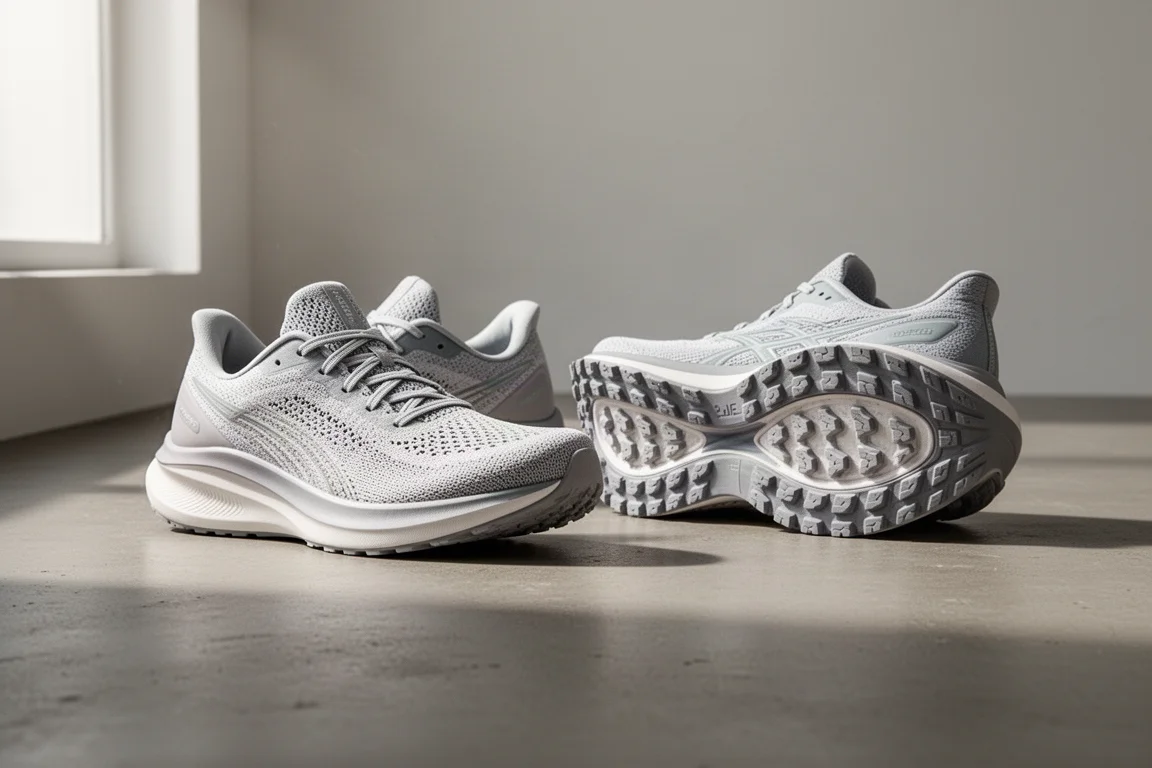
The Asics Novablast 3 and Novablast 3 TR are essentially the same shoe, with one very deliberate difference: the outsole. If you are choosing between them, the decision almost comes down to where you run. Both cost £135 in the UK, while in the US the Novablast 3 TR sits at $145 and the Novablast 3 at $140. That makes this one of the easier running shoe comparisons to break down, and it also means you are only paying extra, where a difference exists, for that outsole.
Key Specs and Upper
Both shoes share a jack mesh upper with the same lacing setup and a new thinner gusseted tongue compared to the Novablast 2. Reflective details feature on both, and each uses an AHAR rubber outsole as the base. The midsole is the same FF Blast Plus foam in both, with the same increased forefoot foam seen over the previous generation. Heel height is 31mm with a 23mm forefoot, giving an identical 8mm drop.
Weight is where they part ways slightly. The Novablast 3 TR comes in at 276g in a UK size 8, versus 250g for the standard Novablast 3. It is roughly a 30g difference, which most runners will barely notice in daily training, though it can matter if you like faster efforts.
Fit and Sizing
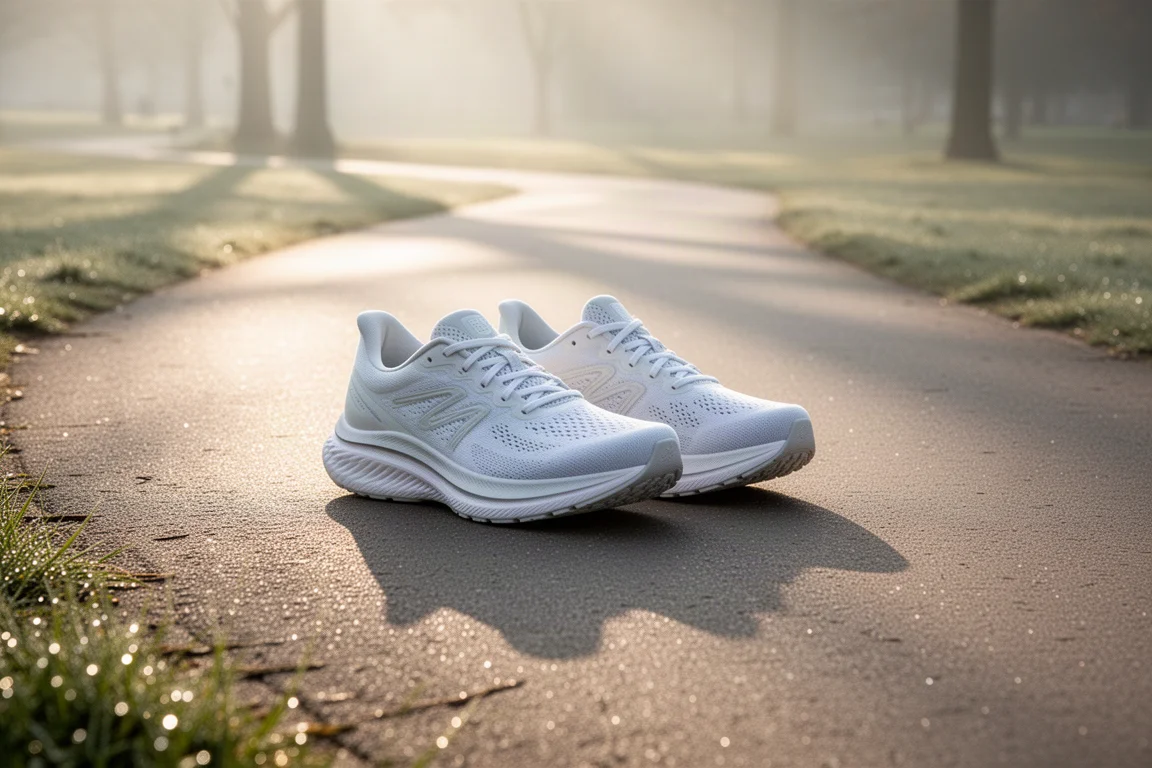
Fit is true to size in both shoes, with one caveat. There is a fair amount of extra space at the end of the toe box, so the shoes feel a little long when first laced up. The temptation is to size down, but sizing down risks a narrower fit. Sticking with your usual size is the safer bet for most runners, and half-size experimentation is worth considering only if the length really bothers you.
Because the uppers are identical, comfort and hold feel very similar, if not the same, across both models. If you know one shoe, you know the other.
The Outsole: The Real Difference
This is the heart of the comparison. The Novablast 3 TR adds more rubber in a raised, tire-style tread pattern. It is still a minimal trail addition rather than an aggressive outsole: it gives extra protection, a bit more grip when the ground gets slippery, and slightly better durability than the smooth-outsole Novablast 3.

The standard Novablast 3 has a very smooth outsole. Grip on the road is fine, with no slippiness reported, but it is not designed for anything off-road. The TR, by contrast, handles wet grass, light mud and park paths noticeably better, and the outsole is not intrusive on tarmac. You barely feel the extra rubber underfoot when running on the road, which is exactly what makes it a genuine road-to-trail option rather than a compromised one.
How the TR Handles Off-Road
The TR’s added grip works best on lighter trails and harder packed ground. Think park runs that stray off-road, woodland paths, or countryside routes that mix tarmac with grass and dirt. It can cope with a little mud, but the lug depth is not there for really thick, boggy terrain, and technical rocky trails would demand more protection and more aggressive multi-directional lugs than this shoe offers.
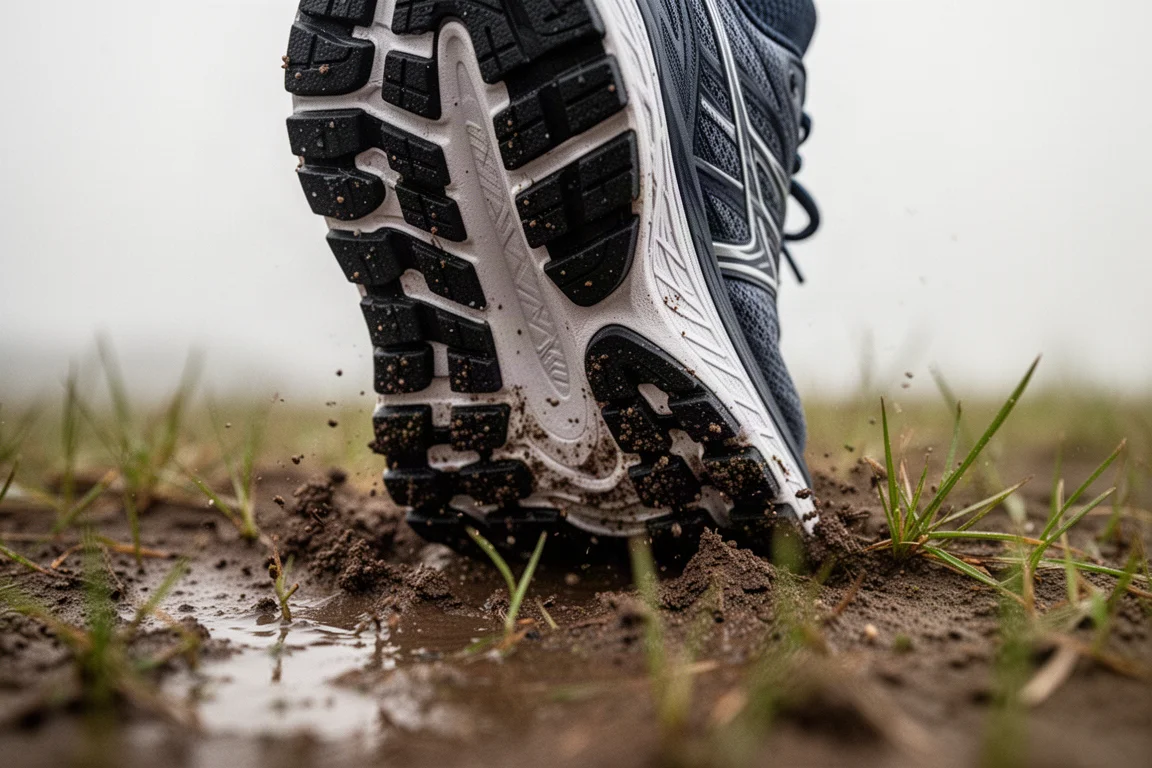
It is also worth keeping the weight trade-off in mind. The extra outsole rubber makes the TR less suited to intervals and tempo sessions, where 30g can make a slight difference. For comfortable daily miles that occasionally leave the asphalt, though, the trade is easy to accept, and the ride itself stays smooth, controlled and with a good degree of FF Blast Plus bounce.
The Ride Compared to the Novablast 2
Context from the wider range helps here. The original Novablast was loved for its bouncy, soft FF Blast foam, but the midsole was wobbly and unstable. The Novablast 2 fixed that with a wider, more stable midsole that felt planted, especially around corners and on uneven ground. The Novablast 3 carries that stability forward while being a bit lighter, which shows up slightly on longer runs.
The bounce in the 3 is good but slightly less energetic than the original. And if you can find the Novablast 2 heavily discounted, it remains a very sensible pick, since the benefit of the 3’s lighter build is fairly marginal in everyday use.
Verdict: Which One Should You Buy?
If you run exclusively on roads and asphalt, the Novablast 3 is the pick. It is a little lighter, excellent for daily training miles up to moderately faster efforts, and the smooth outsole does its job on tarmac without complaint.

If your routes regularly mix surfaces, such as off-road park runs, public footpaths, or countryside miles across grass and wet ground, the Novablast 3 TR earns its place. The extra grip and protection are a genuine benefit, the on-road feel changes very little, and the added weight is negligible for general training. Just remember what it is not: a true trail shoe. For deep mud, steep elevation, or rocky terrain, a dedicated trail shoe will serve you far better.
Conclusion
The Novablast 3 and Novablast 3 TR deliver the same smooth, controlled and bouncy ride, the same upper, and the same midsole. The outsole is the entire decision. Pick the Novablast 3 for pure road running and a slightly lighter shoe; pick the Novablast 3 TR if a little off-road grip would make your daily runs easier. Either way, you are getting one of the more comfortable, stable daily trainers in the Novablast line so far.
Product link
View more details for ASICS Novablast 3
This product is mentioned in the review. Check the specifications, options, and compatibility before buying.
View more details for ASICS Novablast 3Further reading
Related Reviews

Running Shoes
Best Road-to-Trail Running Shoes: Three Versatile Options for Mixed Terrain
A practical guide to three road-to-trail running shoes that handle both pavement and mild trails, with clear strengths and trade-offs for different runner types.

Running Shoes
Best Running Shoes for Achilles Tendonitis: Three Options Explained
Three running shoes with different heel drops and support features designed to help reduce Achilles tendon pain during walking and running.

Running Shoes
Best Running Shoes for Women: Five Top Choices Ranked
A ranked guide to five women's running shoes, from versatile daily trainers to high-performance racing options, with real strengths and trade-offs for each.