Running Shoes
Asics Novablast 3 vs Novablast 4: Which Daily Trainer Deserves Your Money?
A side-by-side look at the Asics Novablast 3 and Novablast 4, covering foam updates, fit, ride feel, grip, and which shoe makes more sense to buy.
Introduction
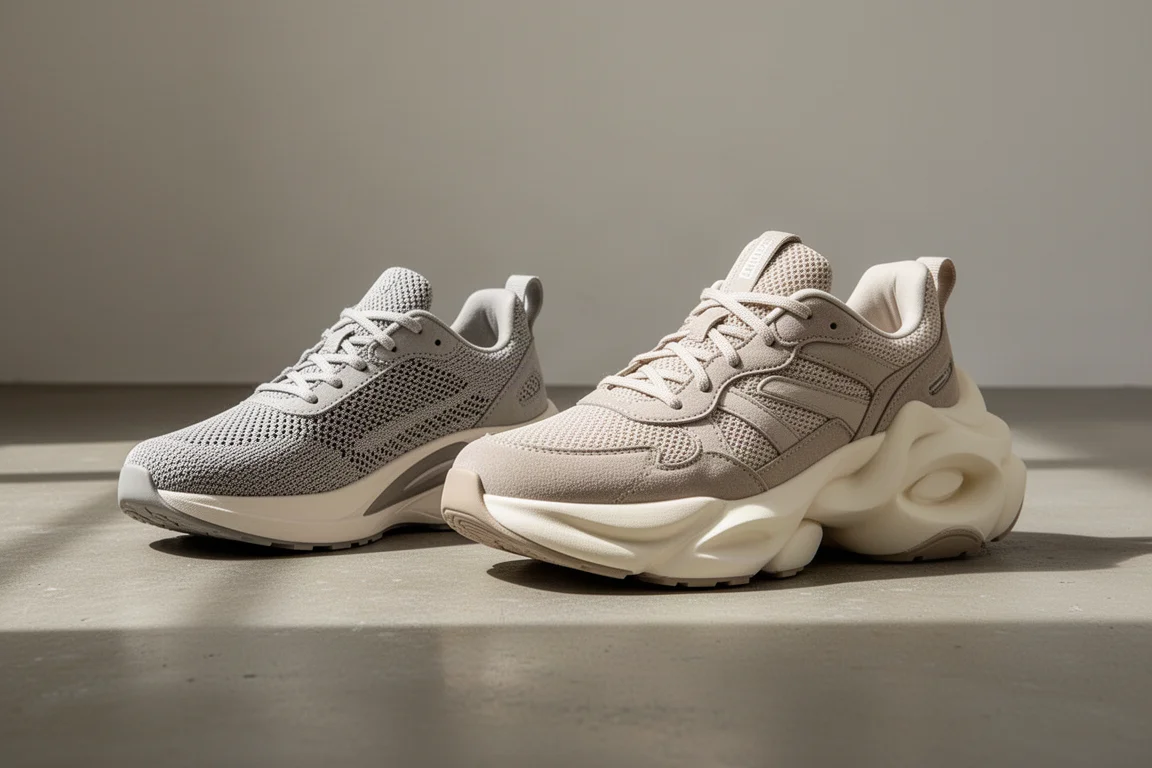
The Asics Novablast line has always been about pairing big cushioning with a fun, versatile daily ride. The Novablast 3 and the newer Novablast 4 share the same core mission, but version 4 brings enough changes to the midsole and geometry that the two shoes no longer feel alike on the run. This comparison looks at where they differ, where they don’t, and which one is worth buying.
At a Glance: Specs and Pricing
Both shoes are priced identically at £135 or $140, so this is genuinely a choice about ride and fit rather than budget. The Novablast 3 weighs 237g (8.4 oz) for men in a UK size 8, while the Novablast 4 comes in heavier at 256g (9 oz) in the same size. The heel-to-toe drop is 8mm on both.
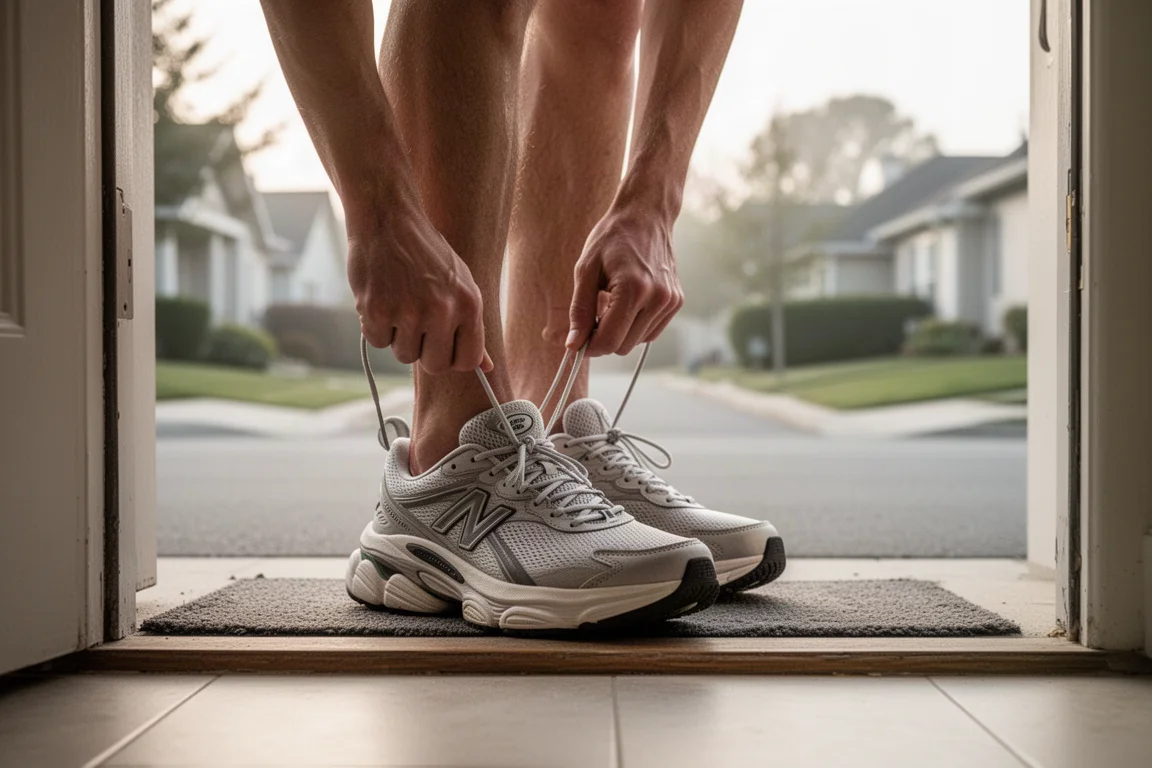
Those spec numbers tell part of the story, but the real differences show up in the foam, the platform width, and how each shoe handles faster paces.
What Changed in the Novablast 4
The Novablast 3 is a daily running shoe designed to combine plenty of cushioning and comfort with a versatile ride. Version 3 added FF Blast Plus midsole foam to lower the weight and improve responsiveness, along with a thin tongue wing construction for a better fit, a more supportive heel design, a jacquard mesh upper for breathability, and an AHAR outsole for improved durability.
The Novablast 4 makes bigger moves. The headline change is the new FF Blast Eco Plus foam, which aims to deliver a softer ride with more energy return when you want to pick up the pace. The midsole geometry has also been updated, combining a trampoline-inspired design with a higher stack of foam. There is an engineered woven mesh upper that offers a plush, breathable and flexible fit, a gusseted tongue to prevent slip, and a generous covering of AHAR outsole rubber for grip and durability.
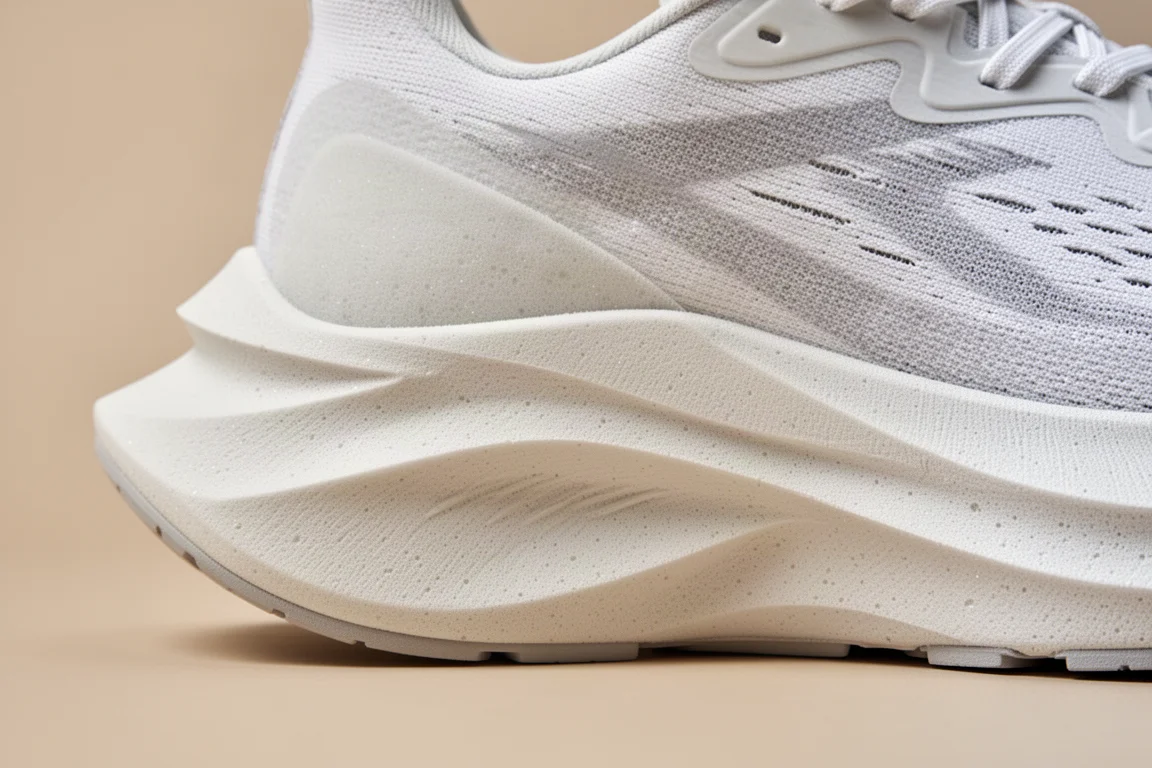
The most visible change on foot is the extra flaring in the heel and forefoot of the midsole. There is simply a much bigger volume of foam underfoot that extends out wider, so what was already a hulking shoe now feels even bigger than the Novablast 3.
Fit and Sizing
Fit is remarkably similar between the two. Testers found heel and midfoot lockdown and the overall feel on the foot to be practically identical, with perhaps a little more clearance across the top of the toe box on the Novablast 4.
Going true to size is the recommendation for both shoes, with a roomy toe box that can feel slightly long. If you prefer a snug fit you might squeeze into a half size down, but most runners will be happier staying with their regular running shoe size.
There is one meaningful difference for wider feet. The Novablast 3 has a fairly narrow, restrictive upper that does not give much space for the foot to move, so runners with wide feet may find it uncomfortable. The Novablast 4’s upper has a bit more give and a slightly longer toe box, making it the friendlier option if you have wider feet. The tongue on the Novablast 3 is also fairly minimal with little padding, though there is plenty of padding around the rest of the upper.
Ride Feel: A Side-by-Side Comparison
Running a mile with one shoe on each foot reveals the differences clearly. The Novablast 4’s wider platform adds a touch more cradling, and on the move the weight difference is barely noticeable.
The bigger story is tuning. The Novablast 4 feels slightly firmer, which makes it snappier and a bit more responsive than the Novablast 3. The combination of the rocker, the new midsole geometry, and the firmer-tuned FF Blast Eco Plus foam gives the Novablast 4 a marginal immediacy that the 3 lacks, which has often been described as a little soggy and sluggish at most paces.

Both shoes are still aimed at easier and slower running rather than sustained speed work. There is a lot of shoe on the foot, and at faster paces both require more effort than more compact trainers. The Novablast 4, however, has clearly more versatility: interval sessions and longer runs feel manageable, and it now handles a range of paces without feeling like the wrong shoe for the job, while the Novablast 3 remains a solid but unremarkable workhorse.
Importantly, the Novablast 4 has not thrown away the cushioning protection. It is still a soft shoe where you land, sink in, and wait for the foam to come back, just not quite as much as on the Novablast 3. Step-in comfort between the two is very close, with the Novablast 4 marginally more comfortable.
Grip and Durability
Both shoes use essentially the same outsole rubber pattern, so durability is not a deciding factor, with both offering good grip and good durability.
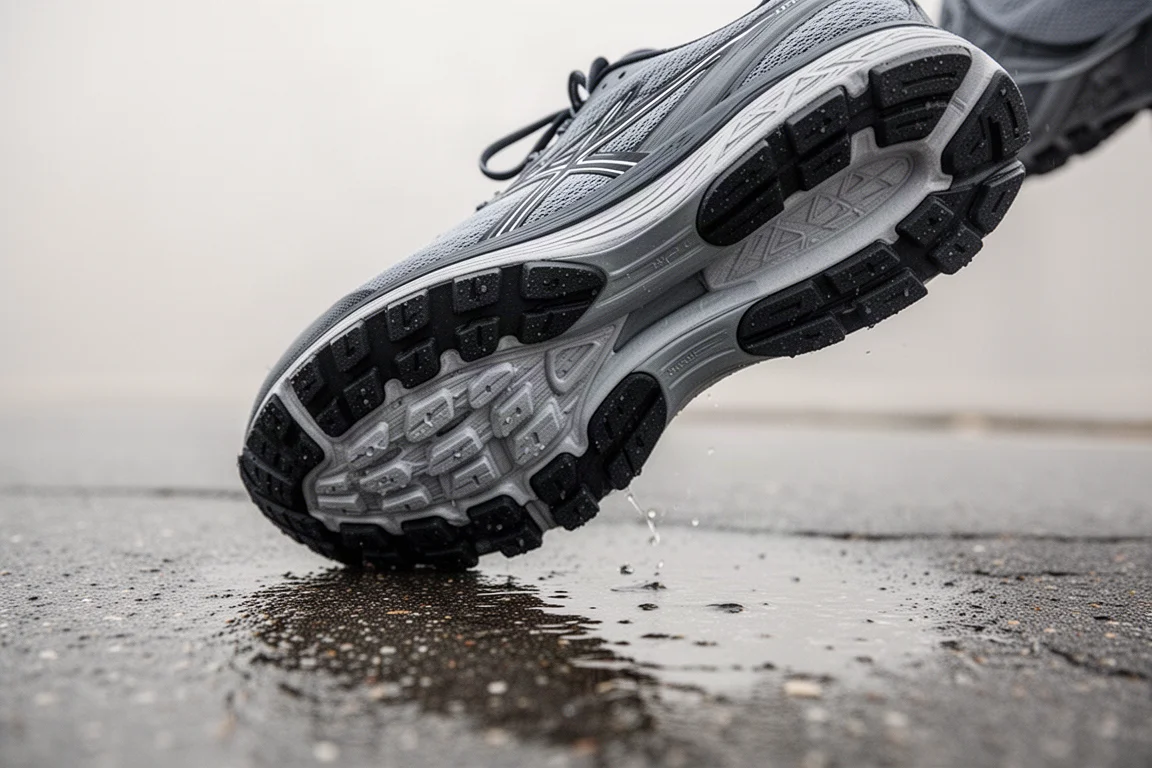
That said, the Novablast 4’s outsole does seem better in practice, with a little more rubber and improved grip. The Novablast 3 took criticism for wet-condition grip, which led Asics to release a Novablast 3 TR with trail rubber for better traction on footpaths.
Which One Should You Buy?
The verdict here is fairly straightforward. The Novablast 3 is a workhorse that ticks the boxes but delivers neither notable softness nor bounce, and it is hard to recommend at full price. Even at a considerable discount as an older model, it is still not the shoe many runners want from the Novablast name.
The Novablast 4 is a genuine step forward. The midsole tweaks are a net positive, bringing added immediacy and response, and the shoe now has much more versatility without sacrificing the soft, protective cushioning people loved in earlier Novablasts. If you are new to the Novablast line, the Novablast 4 is the one to get. If you already own the Novablast 3, there is no urgency to upgrade, and at a deep discount the 3 can still make sense.
One caveat applies to both: these are oversized maximal shoes with a softer edge, and runners who prefer compact, precise-feeling shoes may find both a bit clunky. If you have more budget, alternatives like the Brooks Ghost Max, the On Cloud Eclipse, or the New Balance 1080 v13 offer similar cushioning in a smaller package, and the Saucony Ride 17 is a stronger all-round shoe at the same price.
Conclusion
The Asics Novablast 4 is a clear improvement over the Novablast 3, with livelier foam, a wider and higher platform, a more accommodating upper for wider feet, and better outsole grip. For a slightly versatile, well-cushioned daily trainer that doesn’t cost a fortune, the Novablast 4 is the pick of the pair.
Product link
View more details for Asics Novablast 3
This product is mentioned in the review. Check the specifications, options, and compatibility before buying.
View more details for Asics Novablast 3Further reading
Related Reviews

Running Shoes
Best Road-to-Trail Running Shoes: Three Versatile Options for Mixed Terrain
A practical guide to three road-to-trail running shoes that handle both pavement and mild trails, with clear strengths and trade-offs for different runner types.

Running Shoes
Best Running Shoes for Achilles Tendonitis: Three Options Explained
Three running shoes with different heel drops and support features designed to help reduce Achilles tendon pain during walking and running.

Running Shoes
Best Running Shoes for Women: Five Top Choices Ranked
A ranked guide to five women's running shoes, from versatile daily trainers to high-performance racing options, with real strengths and trade-offs for each.