Running Shoes
Asics Novablast 2 Review: A Soft Daily Trainer, Plus the Noosa Tri 13 Alternative
The Novablast 2 delivers plush cushioning for easy miles, but is it versatile enough to be your only running shoe? We also look at the Noosa Tri 13 as a sportier alternative.
Introduction
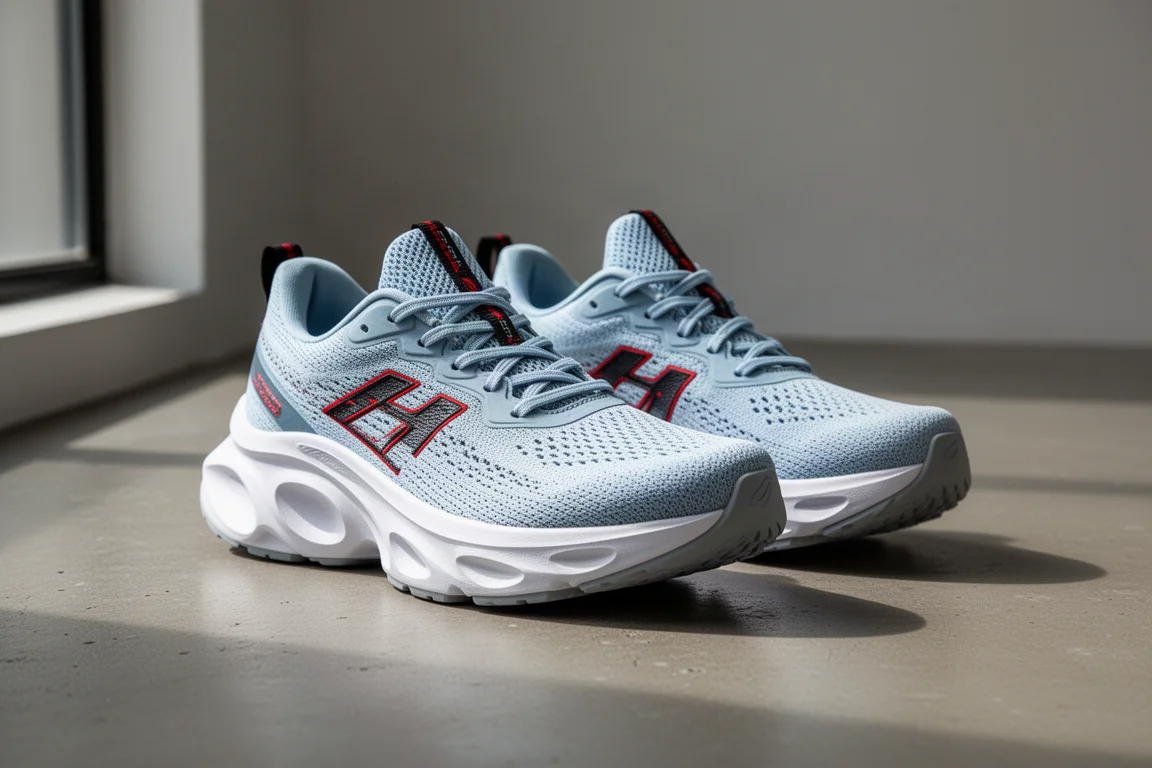
The Asics Novablast 2 has become one of the most talked-about soft neutral daily trainers, and after logging a solid block of steady miles in it, it is easy to see why. It is plush, comfortable and pleasant to slip on for easy running. The question is whether that comfort comes at the cost of versatility, and whether the Noosa Tri 13 might be the smarter one-shoe option for some runners. Here is how both shoes shake out.
Spec and Construction
The Novablast 2 retails in the UK for £130 and weighs 290 grams in a men’s UK 9.5, with a women’s version at 245 grams. It sits on an 8mm heel offset and is available in several colorways for men and women. Fit runs true to size with average width in the toe box.
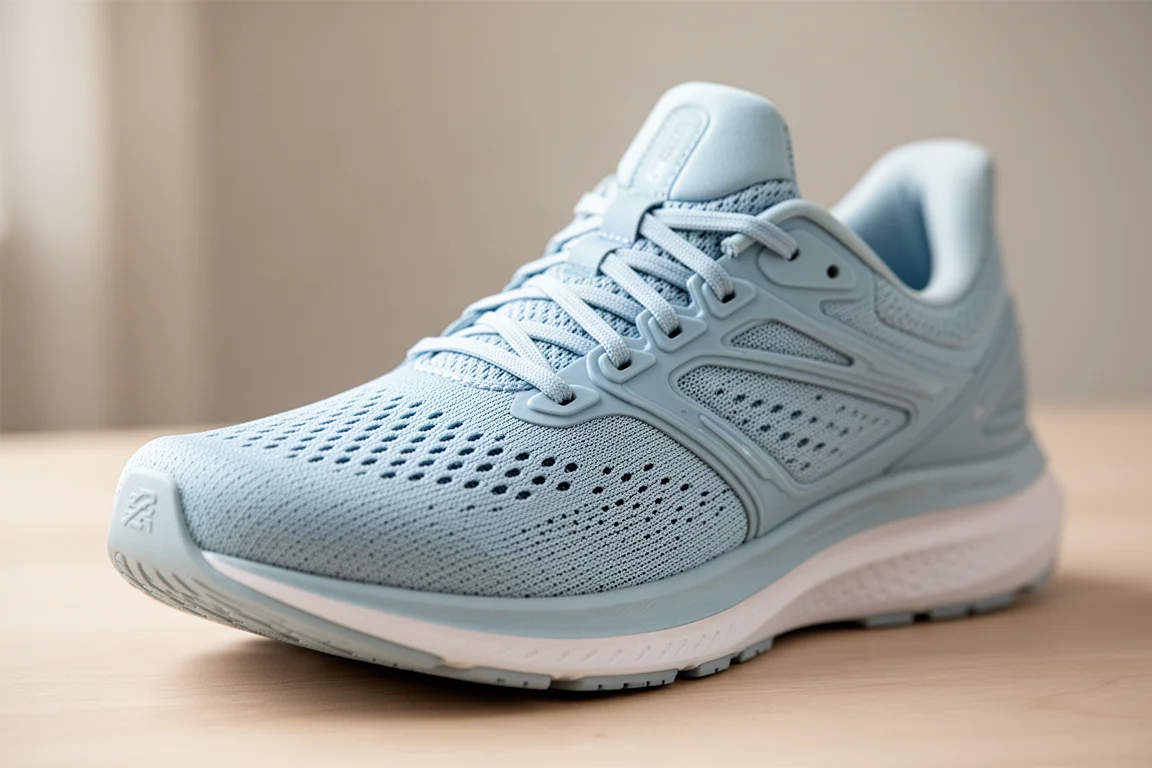
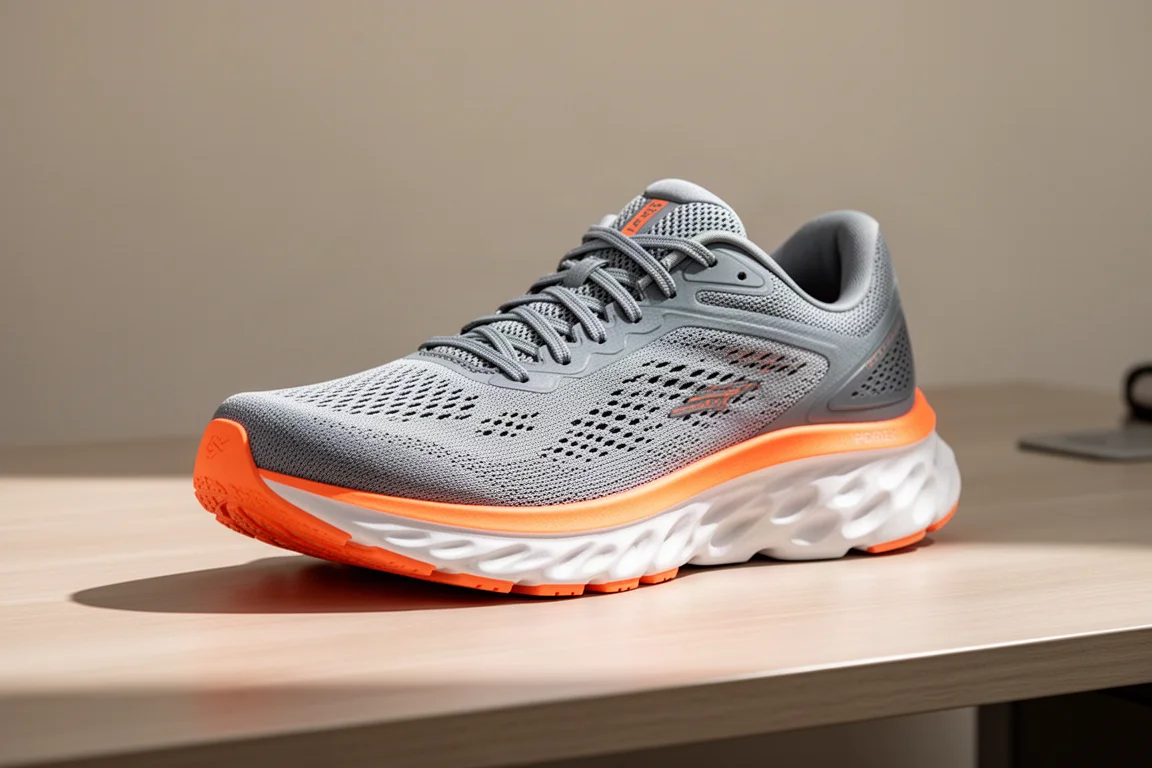
The upper uses a double engineered mesh designed for comfort and support while keeping the foot cool. Structural overlays around the lace eyelets and internal structuring around the toe box add durability, and a beefed-up TPU heel cradle improves stability at the back of the shoe. The tongue is gusseted to stop it sliding around and improve midfoot hold, and perforations in the toe box and tongue help airflow.
The Midsole and Ride
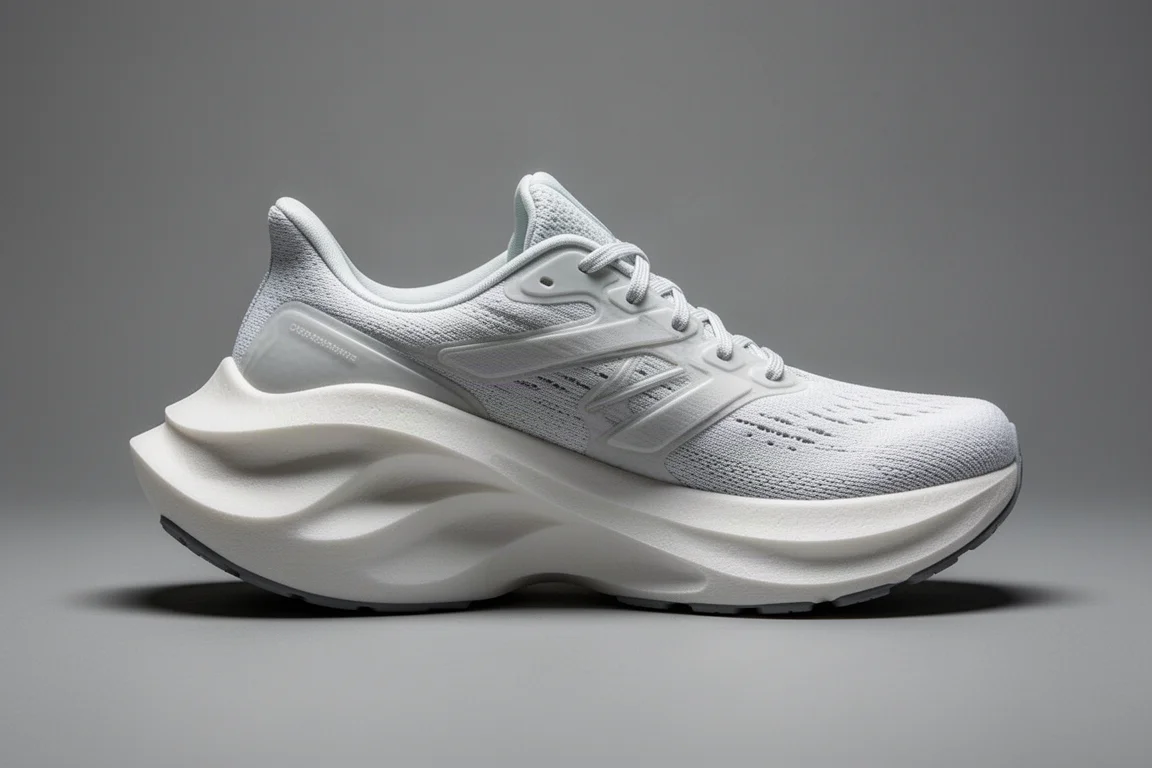
The deeply cushioned midsole is built from Asics’ FF Blast compound, retuned in this version to feel soft and plush while offering a more energetic rebound. The heel design is quite dominant: you sit down into the midsole at the back for extra stability and a smoother transition through your gait. The trampoline-inspired outsole is designed for responsive bounce-back and coated in AHAR rubber for traction and durability.
In practice, the FF Blast midsole delivers genuinely soft cushioning and feels comfortable at slower paces. But the heel volume is noticeable. On an initial run before checking the spec, the shoe felt more like a 10 to 12mm drop, yet the listed offset is only 8mm. The bulk of cushioning wrapping the heel, which overhangs the upper slightly, stacks a large share of the weight toward the back, and for a predominantly midfoot runner the shoe can feel a little unbalanced and unresponsive when the pace rises. Pushing on around seven-minute-mile pace, it did not feel especially lively.
Grip and Weather Testing
Most of the testing miles came in pouring rain and on wet roads and pavement, so wet-weather grip got a thorough workout. The outsole rubber offered genuinely good levels of grip and traction even in very wet, wintry conditions, which is a real plus for a daily trainer used through a UK winter.
After 30-plus miles, durability looks solid. There are no early signs of wear, no issues at the upper’s flex point, no problems with the heel cup padding, and the outsole rubber is holding up well to the miles. On the scoring used here, the Novablast 2 tallied 7/10 for price, 7/10 for comfort and performance, and 8/10 for durability, for a respectable 22 out of 30 overall.

What Could Be Better
The comfort is hard to fault, but the picture is not all rosy. Some runners have reported the updated upper running a bit hot, though in cool UK conditions it felt breathable enough thanks to the perforations. The bigger issue is versatility. At £130, the price is reasonable for a high-mileage daily workhorse, though £5 to £10 cheaper would be nicer. If you want one shoe that covers easy runs, tempo work, speed sessions and even race day, the dominant heel and soft ride make the Novablast 2 feel like a specialist rather than an all-rounder.
A Sportier Alternative: Asics Noosa Tri 13
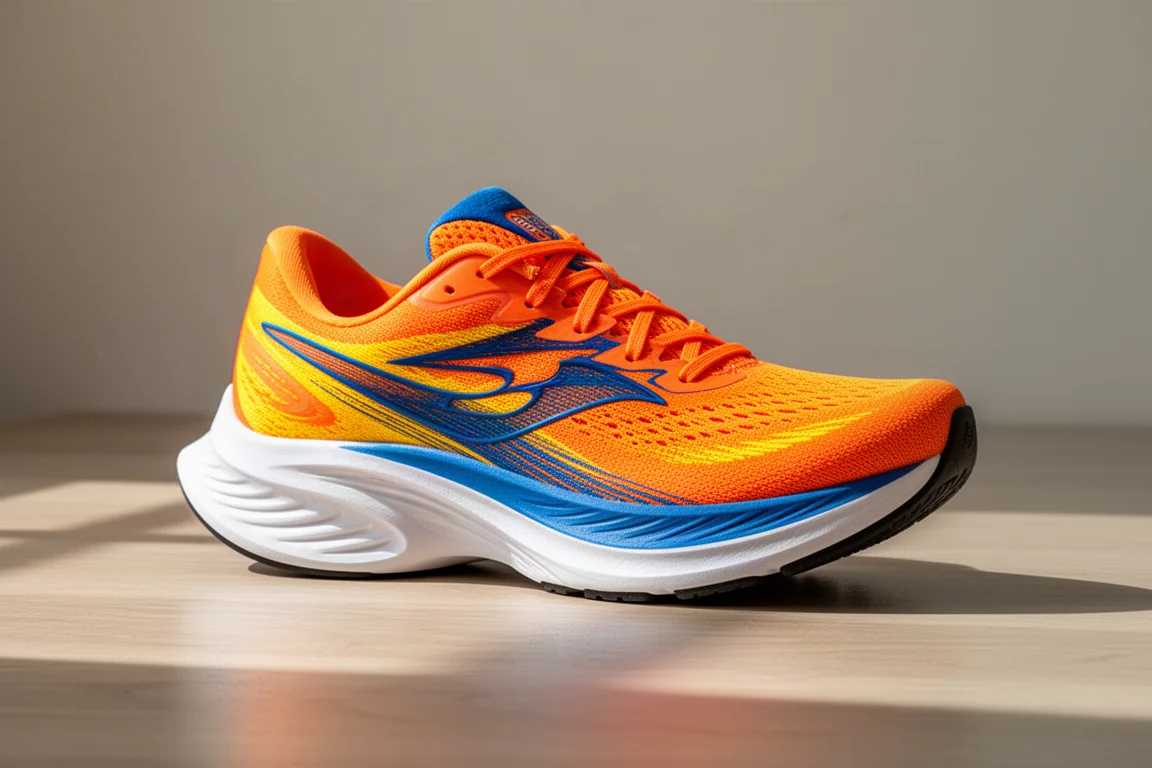
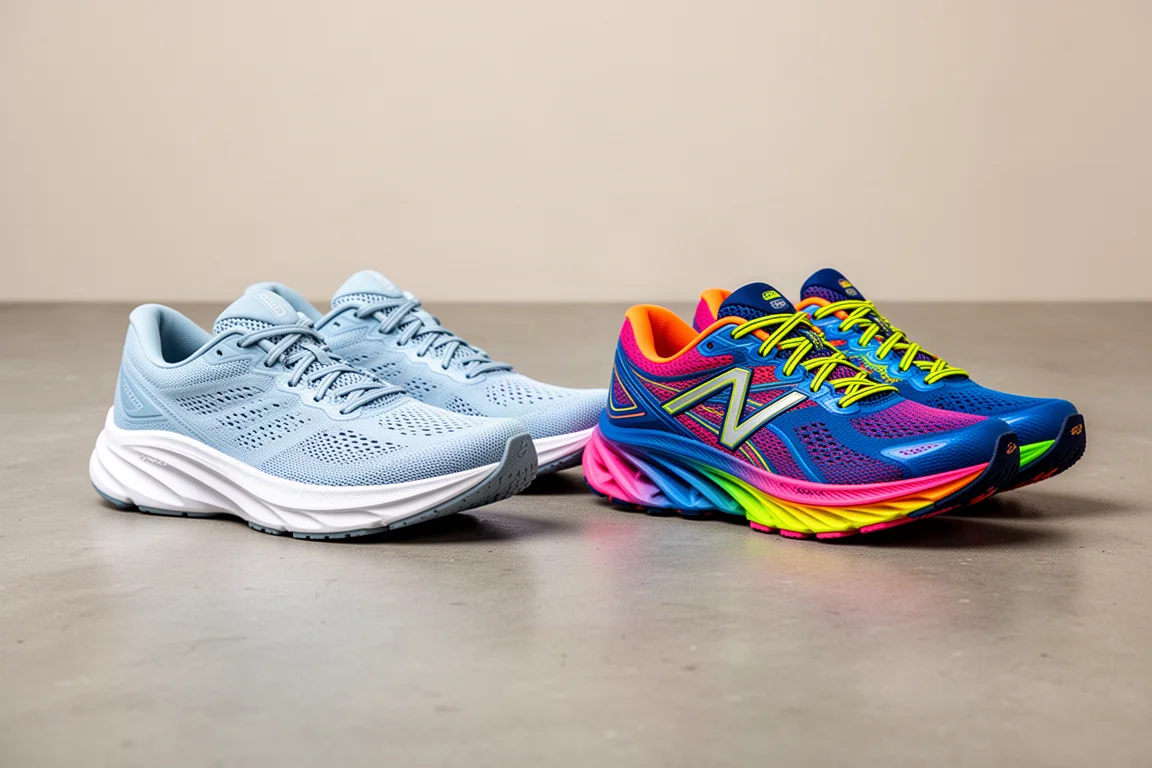
If you want more versatility from a single pair, the Noosa Tri 13 is worth a serious look. It is a bold, colorful shoe, but the running credentials are what matter: lightweight, well cushioned, and built with an aggressive rocker geometry in the midsole. The upper is plush inside, so longer slower efforts stay comfortable, yet the shoe comes to life when you up the tempo. It handles tempo runs and speed work well and could comfortably double up as a race day shoe.
Buying Advice
If you are in the market for a neutral trainer you can slip on for longer, slower efforts or recovery running, and you want a reasonably lightweight shoe with a deep, soft cushioned midsole, the Novablast 2 is definitely worth checking out. If you are on a budget and can only afford one pair, and you want a one-stop shop shoe that crosses over to every aspect of your running, there are probably better neutral options out there, including within the Asics range itself.
Conclusion
The Novablast 2 is a very comfortable soft daily trainer with good wet grip and solid early durability, best suited to easy and recovery miles. For runners who need one versatile shoe for everything from slow runs to speed work, the Noosa Tri 13 makes a compelling case as the livelier, more adaptable option.
Further reading
Related Reviews

Running Shoes
Best Road-to-Trail Running Shoes: Three Versatile Options for Mixed Terrain
A practical guide to three road-to-trail running shoes that handle both pavement and mild trails, with clear strengths and trade-offs for different runner types.

Running Shoes
Best Running Shoes for Achilles Tendonitis: Three Options Explained
Three running shoes with different heel drops and support features designed to help reduce Achilles tendon pain during walking and running.

Running Shoes
Best Running Shoes for Women: Five Top Choices Ranked
A ranked guide to five women's running shoes, from versatile daily trainers to high-performance racing options, with real strengths and trade-offs for each.