Running Shoes
ASICS Noosa Tri 16 Review: A Lightweight Triathlon Shoe With an Aggressive Streak
Sixteen generations in, the Noosa Tri 16 stays light, colorful, and fast-feeling, but its average foam and aggressive rocker bring trade-offs worth knowing before you buy.
Introduction
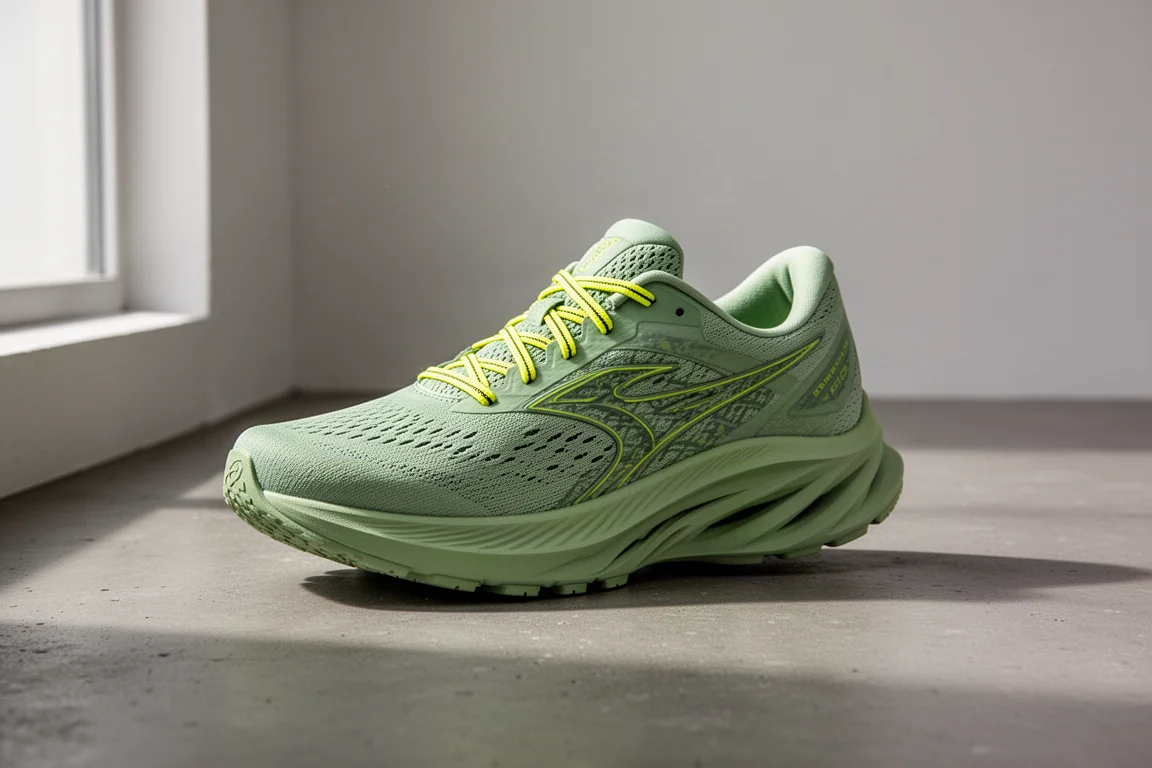
The ASICS Noosa Tri 16 is an original in the lightweight, lower-stack fast training category, and it has been around long enough to reach its sixteenth generation. It is also, historically, a triathlon shoe, known for bright colorways and an easy slip-on design thanks to laces routed through the top of the tongue. At $135 and 230 grams, it sits in one of the most competitive price brackets in running right now, alongside shoes like the Brooks Hyperion 2, Adidas Adizero SL2, and Nike Mach 6. After eight miles of mixed-pace running in it, the picture is clear: this is a shoe with real strengths in specific situations, and real limitations elsewhere.
First Impressions and Design
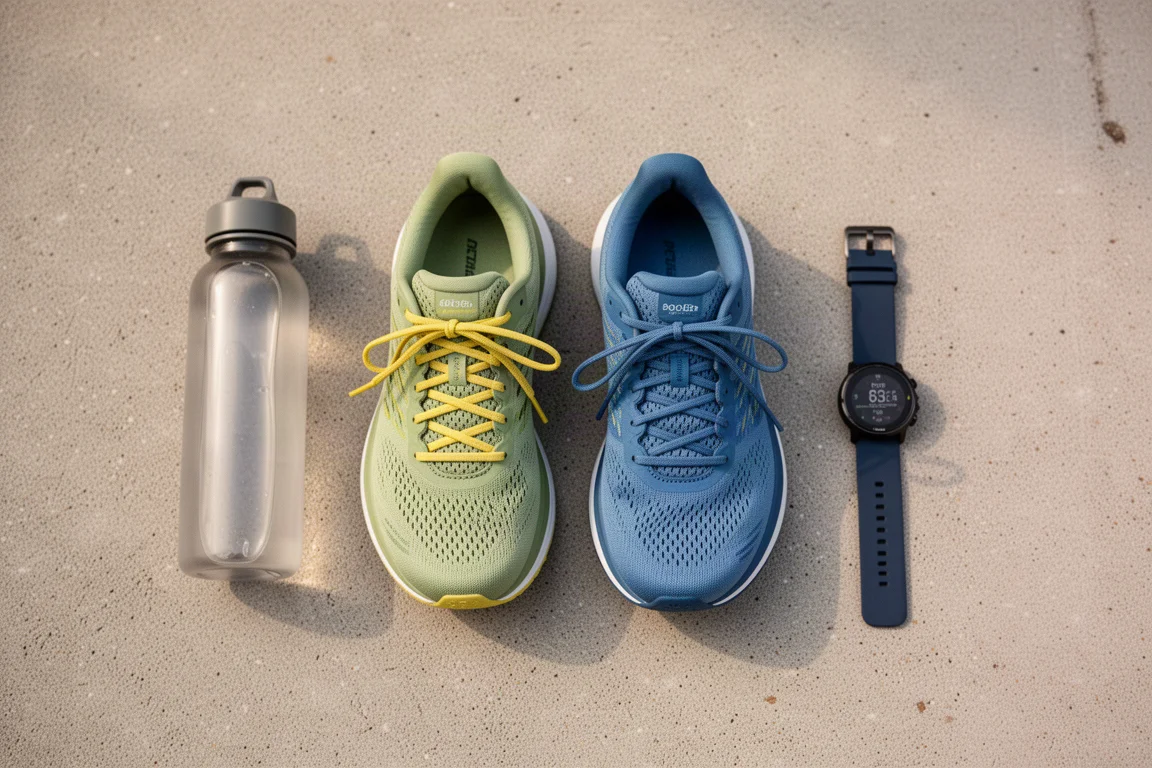
Out of the box, the Noosa Tri 16 lives up to its reputation for bold styling, even if this generation has toned things down somewhat. The test colorway pairs a muted matcha green with safety yellow laces and a slightly wacky pattern, offering a pop of brightness without going as aggressive as some earlier versions. The tongue is designed so you can leave the laces tied and simply slip the shoe on, a hallmark of its triathlon heritage.
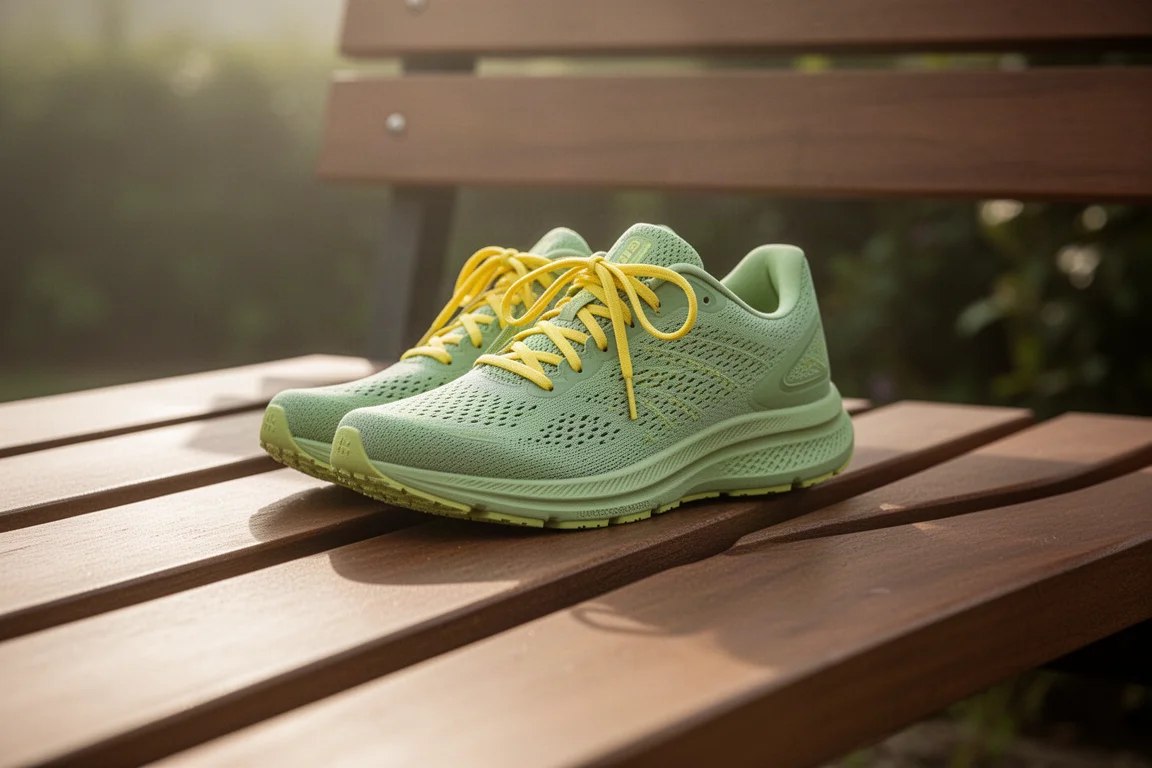
In hand, the shoe feels genuinely light at 230 grams, which puts it close to dedicated racing shoes that hover around 220 grams. Build quality is solid, with a well-padded upper that feels a touch more premium than some rivals. The midsole is 100% FF Blast Plus foam, ASICS training foam rather than race foam, which is an important distinction when comparing it against competitors in this price range.
The Aggressive Rocker Geometry
The single most noticeable feature of the Noosa Tri 16 is its rocker. The front of the shoe curves upward dramatically, more aggressively than almost anything else in this category, and it pushes your toes up noticeably even while walking.
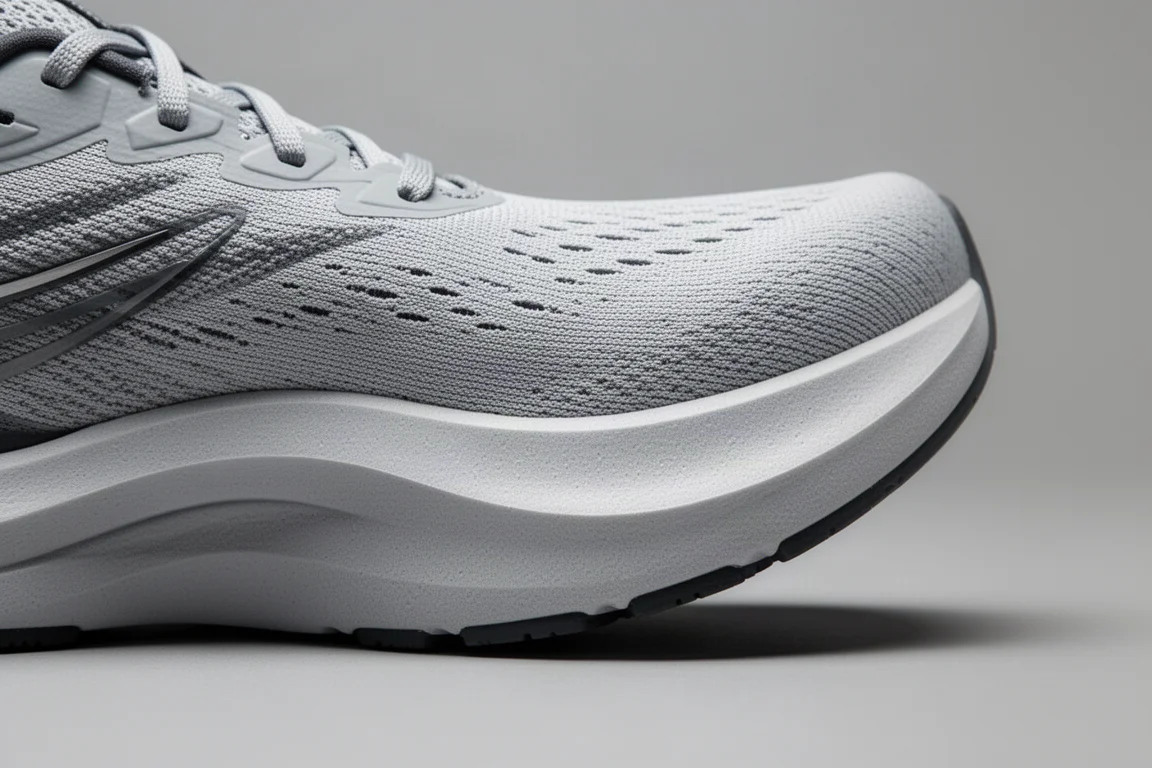
This geometry has consequences. It clearly favors a midfoot or forefoot strike and is not a heel striker’s shoe. It also makes the shoe feel borderline uncomfortable for casual walking, and the curved profile contributes to a snug, shallow toe box that may send some runners up a half size. On the run, however, that same rocker is the shoe’s saving grace: it helps the leg turn over quickly and makes the shoe feel best at faster paces.
Running Performance
On an eight-mile run at easy pace, the Noosa Tri 16 felt more like a daily trainer than an aggressive speed shoe, but not in a good way. The foam sits in a neutral middle ground, neither soft nor firm, and lacks the bounce and energy return that define the best shoes in this bracket. The ride felt flat and unremarkable for most of the miles, and protection underfoot felt limited.
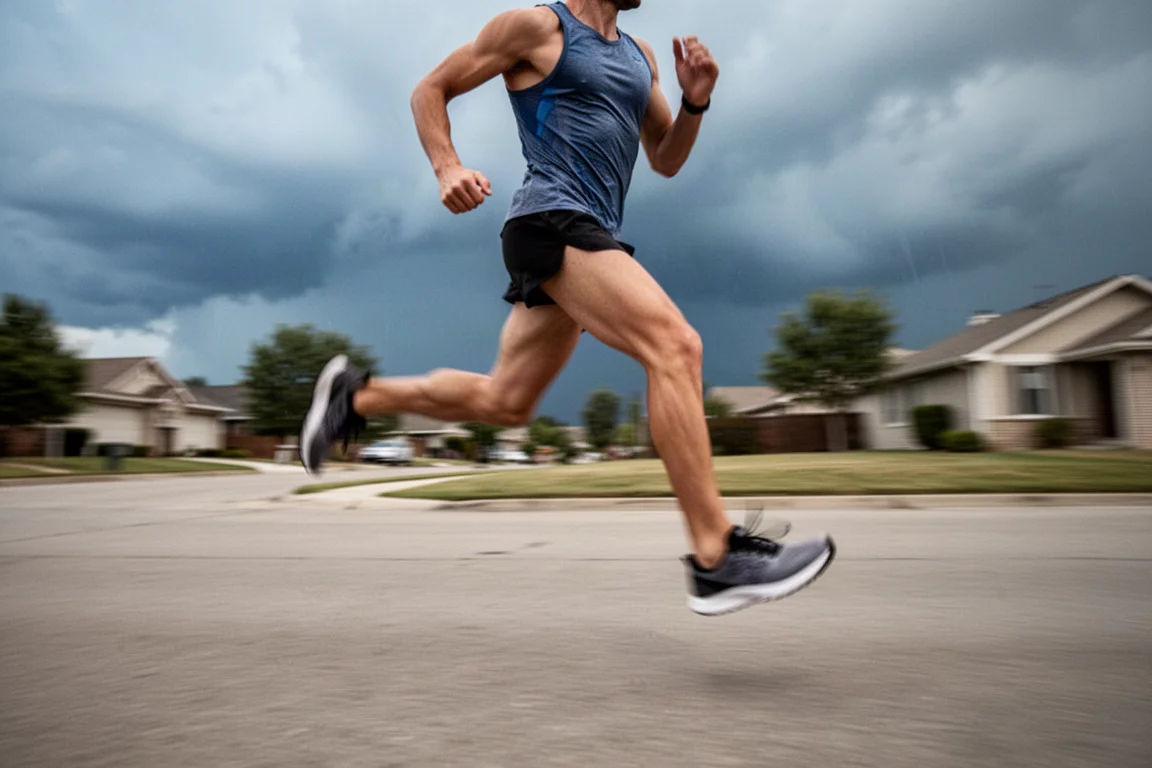
At faster paces, the story changed. During strides in the 5:50 pace range, the shoe came alive, with the rocker geometry snapping the ride along nicely. That is the pattern to understand: this shoe rewards speed and punishes easy miles.
The heel is noticeably softer than the forefoot, which felt slightly firm and slappy, and the drop feels lower than the typical 8mm, possibly in the 6 to 8mm range or lower given how far the toes ride up. Runners who prefer higher-stack, more protective shoes will likely find this one lacking, and it should not need a break-in period at this price point, which makes the average foam feel more disappointing.
Things to Consider Before Buying
The $130 to $140 category is brutally competitive. The Brooks Hyperion 2 uses a race foam at the same price, the Adidas Adizero SL2 doubles up foam types for versatility, and the Nike Mach 6 brings serious bounce. Against that field, the Noosa Tri 16’s average foam is its biggest weakness, since being lightweight and having nice geometry is not enough anymore.
The fit runs true to size in length but shallow and snug in the toe box, partly due to the aggressive rocker. Thick laces are presumably designed for easy handling with wet hands, a triathlon-friendly touch. If you are a bigger runner, a newer runner, or someone who prioritizes cushion and comfort, this is not the shoe for you.
Buying Advice
If you are loyal to the Noosa line and have bought it year after year, you will know what to expect and will likely be satisfied. If you want a lightweight shoe specifically for faster days, 5Ks and 10Ks, or triathlon use where the slip-on tongue matters, the Noosa Tri 16 can work, and it may improve slightly with a few more miles and some break-in of the foam.
For everyone else, the alternatives are stronger. The Magic Speed 4, at roughly $35 more, adds a plate and race foam that elevate it well beyond this shoe. The Hyperion 2, Adizero SL2, Mach 6, and Rebel v4 all offer more versatile or more comfortable rides at the same or similar price. If you want cushion and comfort from ASICS specifically, the Novablast line is the better destination.
Conclusion
The ASICS Noosa Tri 16 is lightweight, stylish, and genuinely fast-feeling when you push the pace, with the most aggressive rocker in its class. But average foam, limited protection, an uncomfortable walking experience, and fierce competition at $135 keep it from being a top pick in 2024. Buy it if you are a midfoot or forefoot striker who wants a light speed-day shoe or a true triathlon-specific option; otherwise, look elsewhere in this crowded category.
Product link
View more details for ASICS Noosa Tri 16
This product is mentioned in the review. Check the specifications, options, and compatibility before buying.
View more details for ASICS Noosa Tri 16Further reading
Related Reviews

Running Shoes
Best Road-to-Trail Running Shoes: Three Versatile Options for Mixed Terrain
A practical guide to three road-to-trail running shoes that handle both pavement and mild trails, with clear strengths and trade-offs for different runner types.

Running Shoes
Best Running Shoes for Achilles Tendonitis: Three Options Explained
Three running shoes with different heel drops and support features designed to help reduce Achilles tendon pain during walking and running.

Running Shoes
Best Running Shoes for Women: Five Top Choices Ranked
A ranked guide to five women's running shoes, from versatile daily trainers to high-performance racing options, with real strengths and trade-offs for each.