Running Shoes
ASICS Metaspeed Tokyo Lineup: Ray, Sky and Edge First Impressions
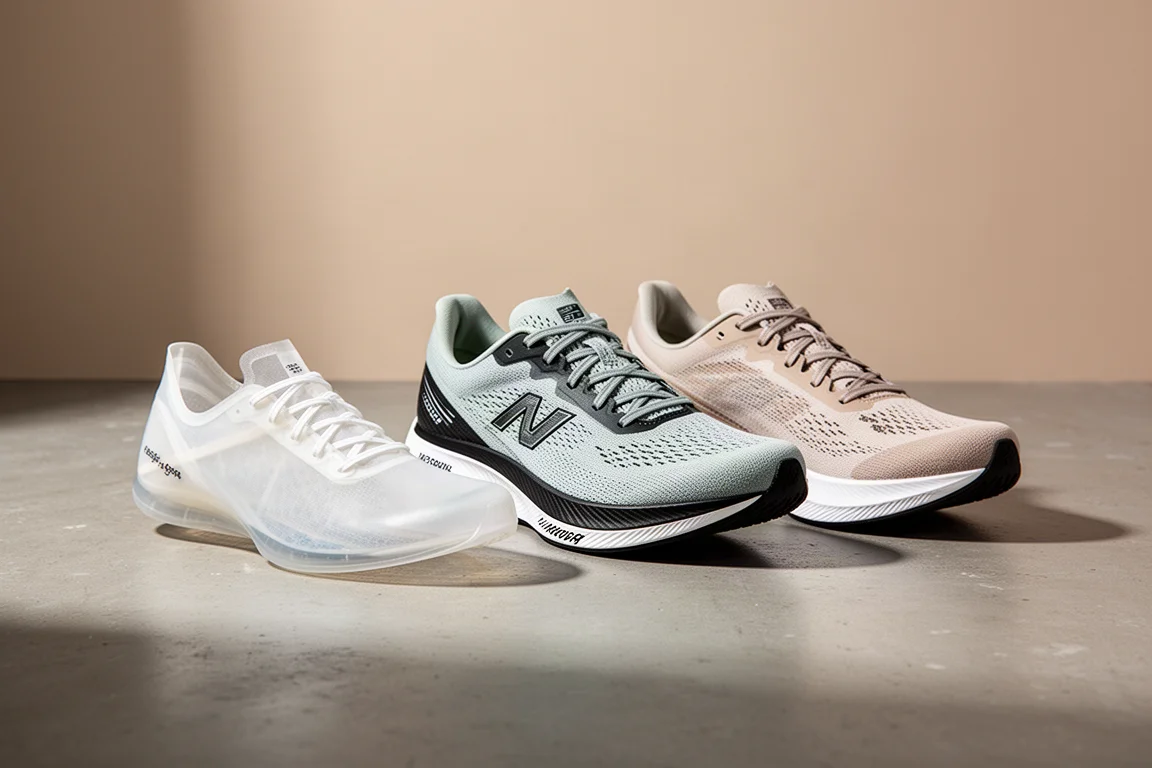
Three carbon-plated racers aimed at different running styles: the ultra-light Metaspeed Ray plus the updated Sky Tokyo and Edge Tokyo.
Introduction
ASICS has launched a new generation of its Metaspeed carbon-plate racing line, built around three distinct shoes: the new pinnacle Metaspeed Ray Tokyo, the Metaspeed Sky Tokyo, and the Metaspeed Edge Tokyo. First testing consisted of about 5k in each of the Ray and the Sky Tokyo at a steady pace, so these are early impressions rather than full verdicts. Even so, the range now covers a wider spread of ride feels than any previous Metaspeed generation.
Introducing the Tokyo Range
The Metaspeed Ray Tokyo is the new flagship racer in the lineup, while the Sky Tokyo succeeds the Sky Paris and the Edge Tokyo continues ASICS’s approach of offering two different carbon racing shoes to suit different running styles. Pricing differs across the range: the Ray is £265 (about $300), while the Sky Tokyo and Edge Tokyo come in at £240 (about $270). Availability also differs, with the Ray landing from August 12 and the Sky and Edge Tokyo from July 25.
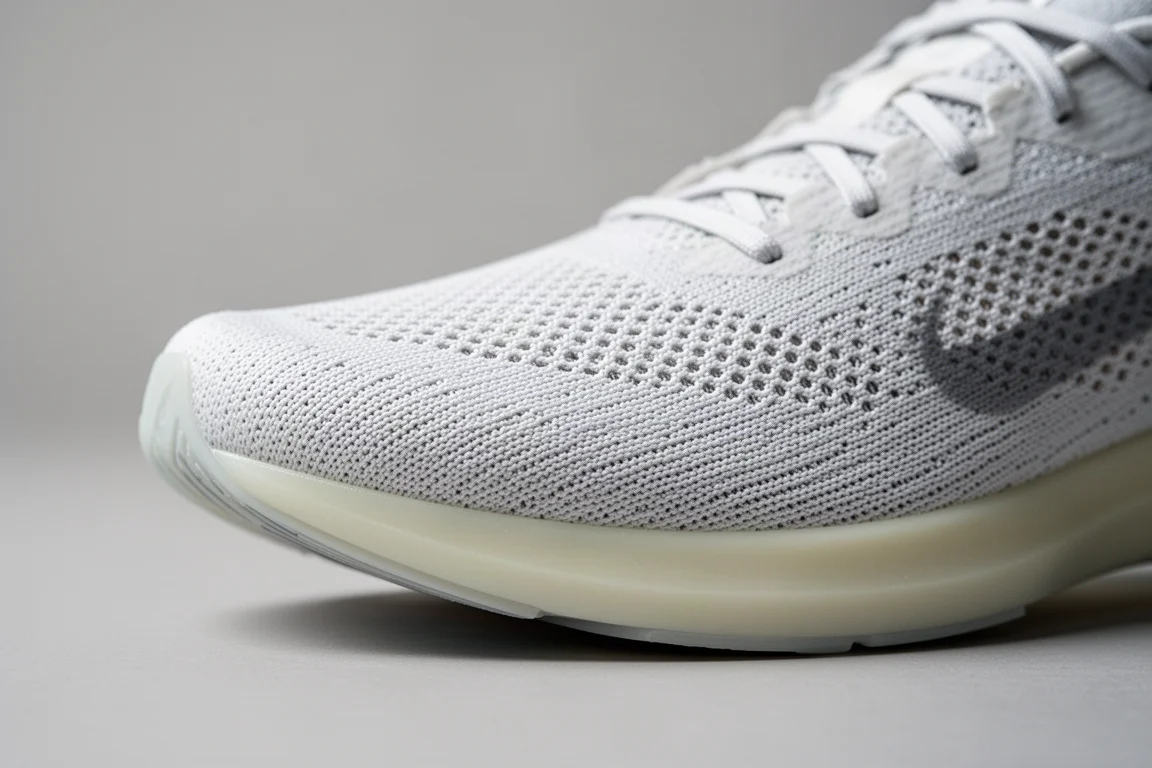
All three shoes share the same geometry: 39.5mm of stack at the heel, 34.5mm at the forefoot, and a 5mm drop. The Ray is the lightest full carbon-plate racing shoe ASICS has ever made at just 129g (4.5 oz) in a US men’s size 9, while the Sky and Edge Tokyo weigh 170g (6 oz) in the same size, slightly lighter than their Paris predecessors.
ASICS Metaspeed Ray Tokyo
The Ray achieves its ultra-low weight by trimming every component. It uses a matrix upper, a very thin and breathable material with minimal padding, even lighter than the Motion Wrap upper on the Sky and Edge. The midsole is a full layer of FF LEAP, ASICS’s new lightest, softest and springiest foam yet, and the carbon plate is a smaller teardrop design that mostly sits under the forefoot. A minimal ASICS Grip rubber outsole is focused around the forefoot. ASICS positions it primarily for forefoot strikers.
On the run, the Ray feels distinctly soft, noticeably softer than the Sky Tokyo. The full FF LEAP midsole delivers a sinking, squishy and bouncy ride that leans toward the feel of some of the softest super shoes on the market, but with a more direct, forceful rebound straight forward. It feels incredibly light and nimble on foot, and it is genuinely fun to run in. For runners who prefer a softer, springier racing shoe, this is a side of the market ASICS has not traditionally served as well, and the Ray changes that.
ASICS Metaspeed Sky Tokyo
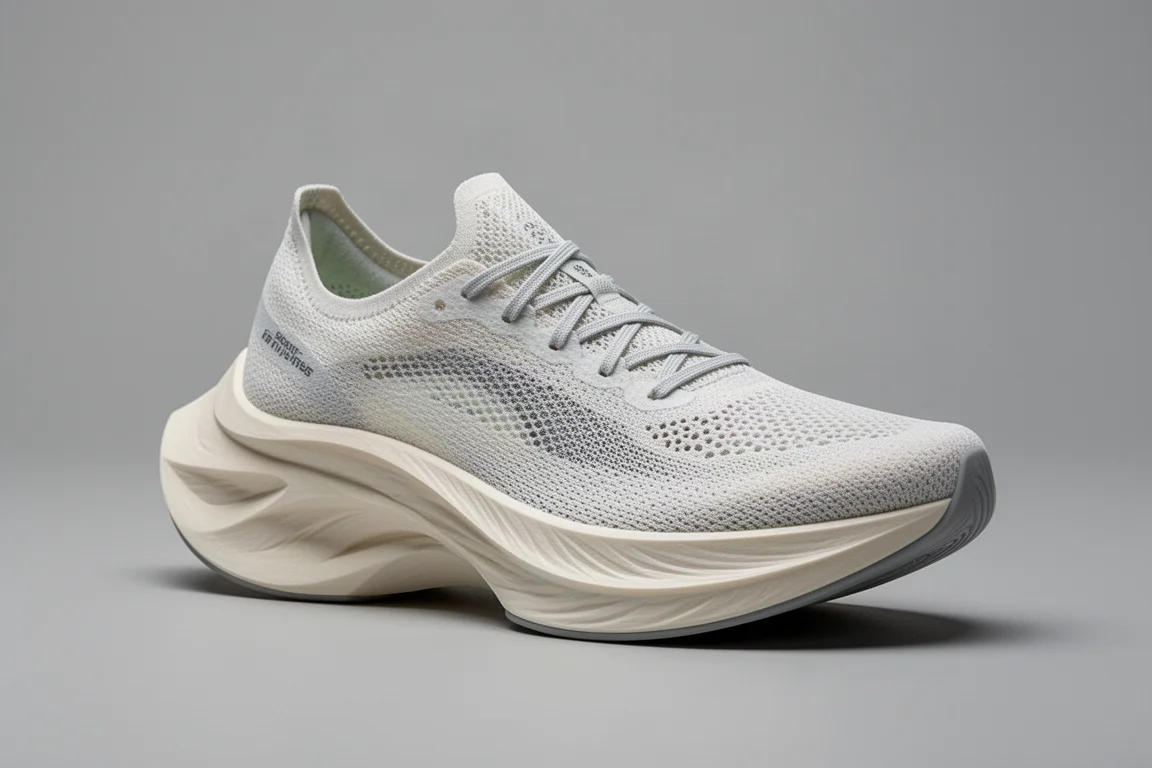
The Sky Tokyo feels much more familiar if you have run in ASICS racing shoes before. It uses a Motion Wrap 3.0 upper with a little more padding at the back, a dual-density midsole layering FF LEAP with the FF Turbo Plus foam from the Paris series, and a carbon plate that sits a bit higher in the foam under the forefoot.
That structure delivers a firmer, more fluid transition than the Ray, with a really nice roll from heel to toe and a punchy lift off the forefoot. Even over a short steady 5k, it felt easy to lock into a pace and maintain a rhythm, which makes it a strong candidate for longer races. If you loved the Sky Paris, the Sky Tokyo should feel like a natural continuation, with perhaps a touch more bounce under the forefoot from the new foam.
View more details for ASICS Metaspeed Sky Tokyo
ASICS Metaspeed Edge Tokyo
The Edge Tokyo shares the Sky Tokyo’s Motion Wrap 3.0 upper and dual-density FF LEAP and FF Turbo Plus midsole, but the foam layering is reversed: the denser FF Turbo Plus sits underneath the back of the shoe, with FF LEAP on top. ASICS suggests this arrangement suits heel strikers a little better and adds a touch more stability at the rear.
The plate also differs, with a more scooped design compared to the Sky’s plate positioned higher in the foam under the forefoot. That makes the Edge and Sky Tokyo more distinct from each other than the Paris models were, giving heel-striking runners a clearer reason to choose the Edge over the Sky.
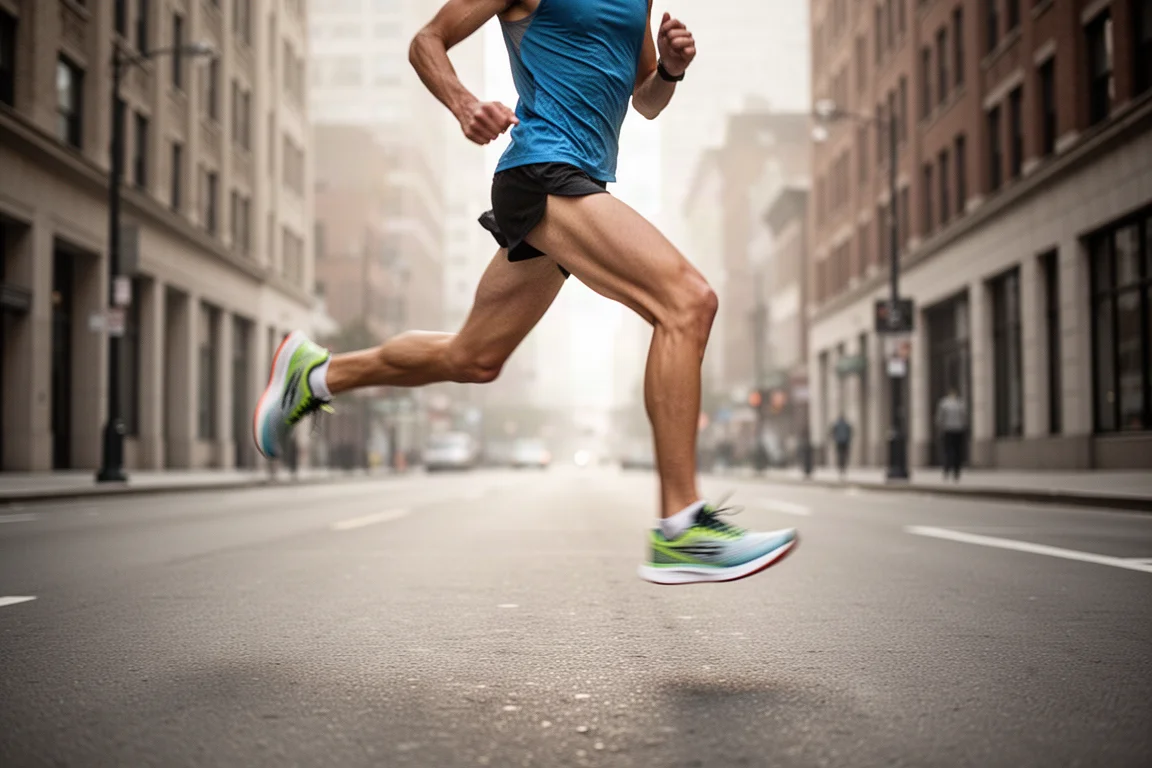
Fit and Sizing
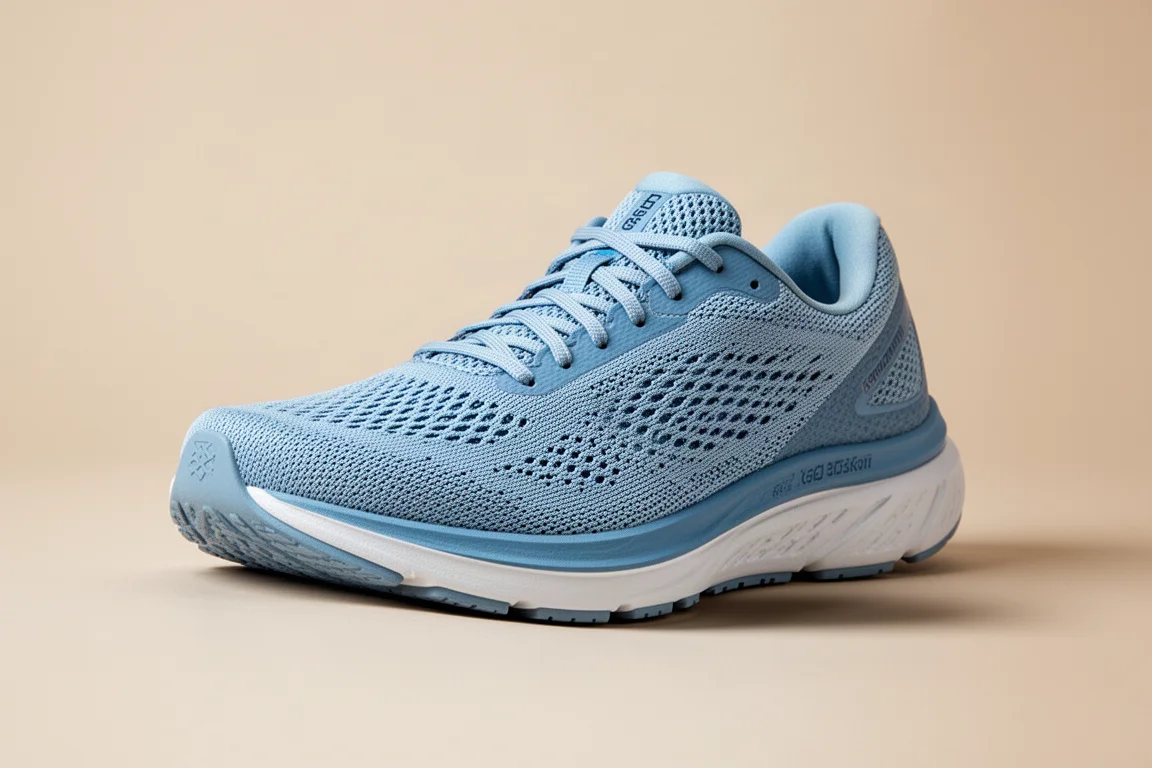
Both the Ray and Sky Tokyo fit true to a normal running shoe size; a UK 9 / US 10 worked well in both, the same size used across the Metaspeed Paris series and most ASICS shoes. The Sky Tokyo fits slightly closer around the toes than models like the Nimbus or Novablast, giving a dialed-in racing fit while still leaving enough toe room.
The Ray fits a little differently. It is narrower around the midfoot, so runners with wider feet may find them hanging slightly over the edge, especially on the inside of the shoe. It also feels slightly longer, with a more torpedo-like shape and more room around the toes, and the upper material feels a bit looser. Despite that, the fit was secure and held well at faster paces, and both uppers manage to stay comfortable despite being focused almost entirely on lightweight breathability.
How the Ride Feels Compared
After short runs in each, the two shoes feel clearly distinct. The Ray is punchy, spritely and bouncy, rewarding a loping stride that engages its spring, but a shuffly, heel-leaning running style has to work a bit harder in it. The Sky Tokyo, by contrast, offers an easier heel-to-toe transition and a stable platform for locking into a pace over longer distances.
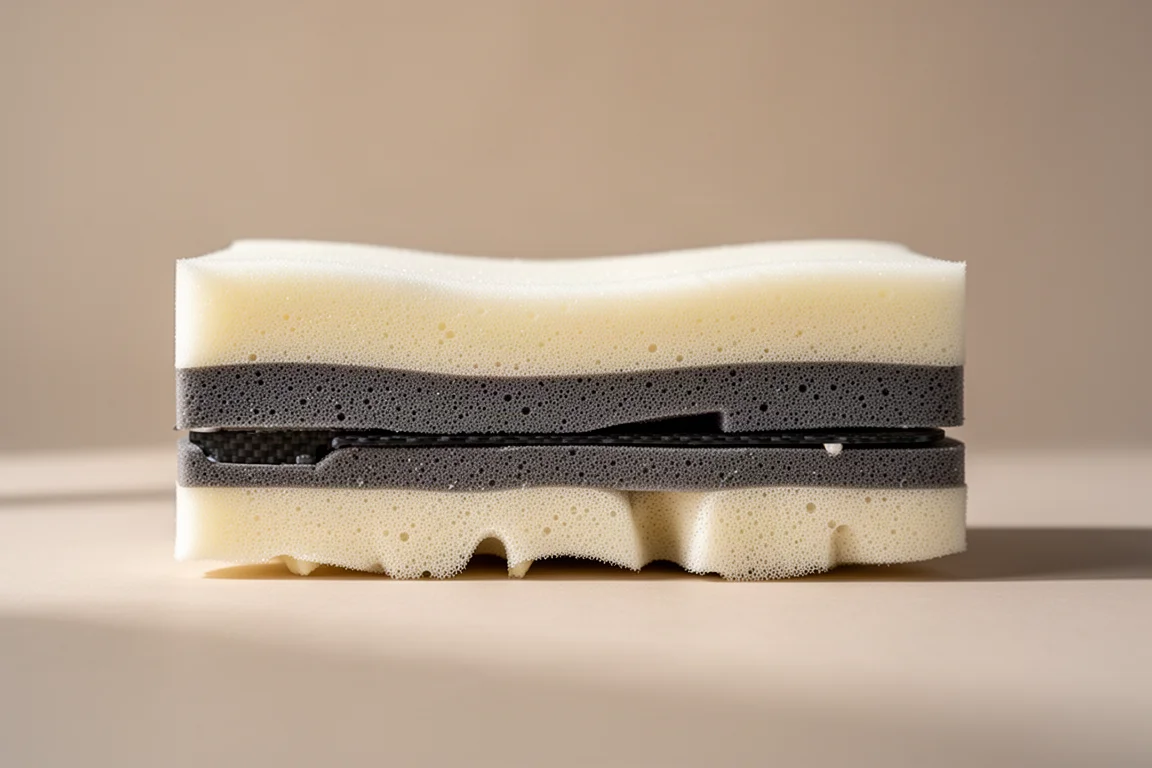
Neither shoe is a clear upgrade of the other. Instead, the Ray enters the lineup as an additional option rather than a default replacement, offering a softer, more spring-focused ride that the Sky and Edge never really provided. Runners who loved the Sky Paris may still prefer the Tokyo’s familiar rolling feel, while those who want maximum squish now finally have an ASICS shoe that delivers it.
Which One Should You Choose?
Early impressions suggest the choice comes down to running style and feel preference. Forefoot strikers who want the lightest possible shoe and a soft, bouncy ride are the natural audience for the Ray. Runners chasing marathon-length comfort and an efficient heel-to-toe roll should look at the Sky Tokyo, particularly if the Sky Paris already worked for them. Heel strikers who want a bit more structure and stability at the back of the shoe should consider the Edge Tokyo.

All three share the same stack and drop, so the decision is less about geometry and more about where you land in the shoe and how much bounce you want. Full testing over longer distances will be needed before final verdicts, but the Tokyo range now gives runners three genuinely different carbon racing options from ASICS.
Conclusion
ASICS’s Tokyo generation is its most varied Metaspeed lineup yet. The Ray Tokyo brings ultra-light weight and a soft, springy ride to the top of the range, the Sky Tokyo refines a proven favourite, and the Edge Tokyo carves out a clearer identity for heel strikers. First runs in the Ray and Sky Tokyo point to two distinctly different shoes rather than two versions of the same idea, which should make choosing between them a matter of personal stride and preference rather than pure performance ranking.
Further reading
Related Reviews

Running Shoes
Best Road-to-Trail Running Shoes: Three Versatile Options for Mixed Terrain
A practical guide to three road-to-trail running shoes that handle both pavement and mild trails, with clear strengths and trade-offs for different runner types.

Running Shoes
Best Running Shoes for Achilles Tendonitis: Three Options Explained
Three running shoes with different heel drops and support features designed to help reduce Achilles tendon pain during walking and running.

Running Shoes
Best Running Shoes for Women: Five Top Choices Ranked
A ranked guide to five women's running shoes, from versatile daily trainers to high-performance racing options, with real strengths and trade-offs for each.