Running Shoes
ASICS Metaspeed Sky Tokyo vs Edge Tokyo: Which Race Day Shoe Should You Buy?
Both Tokyo-generation Metaspeed racers cost £240 a pair and look nearly identical, but they suit very different runners. Here is how to choose the right one.
Introduction
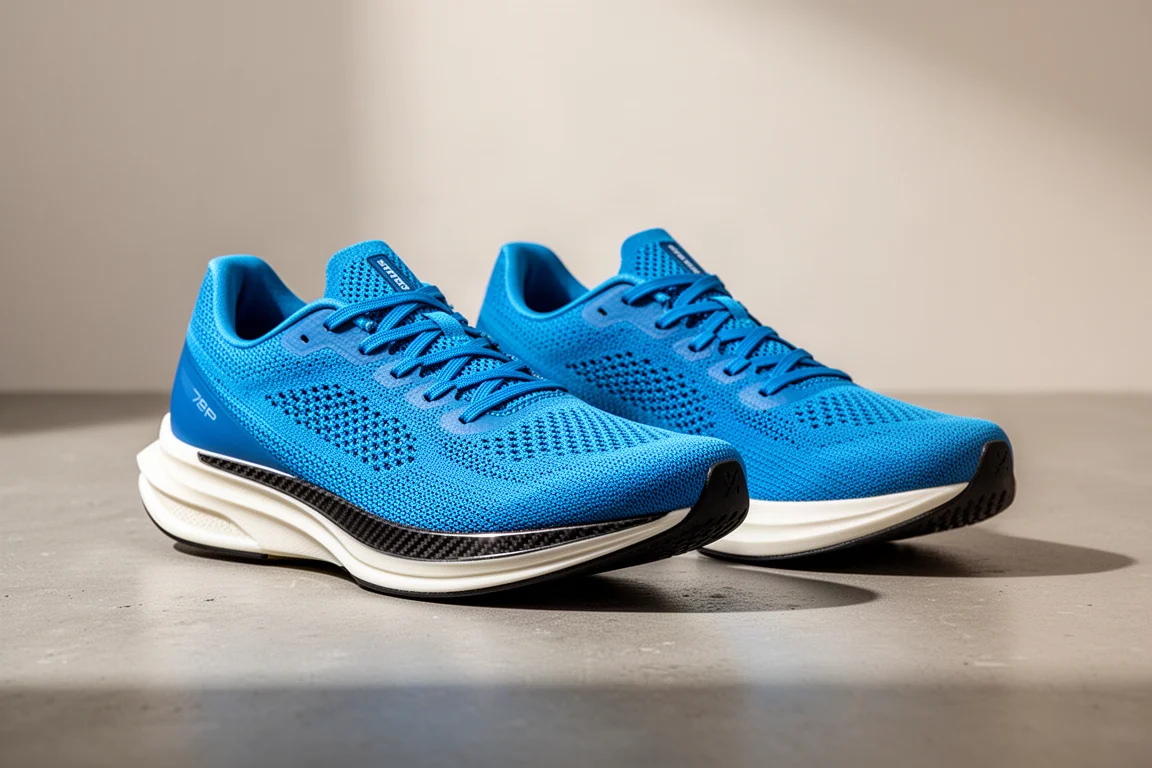
The ASICS Metaspeed line has been one of the most popular racing shoe families in recent years: versatile, user-friendly, and built for speed across distances from the 5K to the marathon. The Tokyo generation is version 4 of the Metaspeed platform, and just like the previous three versions, it arrives in two flavours: the Metaspeed Sky and the Metaspeed Edge.
At first glance the two look almost identical, to the point that they ship in very similar colourways. But they are built for quite different runners, and that causes a lot of confusion. With a price of £240 a pair, it is definitely not a decision you want to get wrong. This guide breaks down every key difference, who each shoe is designed for, and how to pick the right one.
What Is New in the Tokyo Version
Compared with the outgoing Paris version 3, the Tokyo update brings a familiar mix of progress and mild annoyance. First, the bad news: there is a £20 price increase. The good news is that you get a genuinely upgraded shoe for it.
Both shoes now use a new midsole composition. The previous generation used FF Turbo Plus alone; the Tokyo versions combine that foam with a new one called FF Leap. FF Leap is slightly softer and bouncier than Turbo Plus. The position of the two foams relative to the carbon plate is what separates the Sky and the Edge, and we will get into that shortly.
The Tokyo generation also introduces a new upper material called Motion Wrap 3.0, an engineered woven mesh that feels very light and strong. The heel design is slightly more minimal, with the heel cup cut back a little more, and it caused no issues at all in early testing. The shoe is around 20 g lighter than the outgoing model, and the shape of the foam at the rear of the shoe has changed too, which helps rear-foot stability.
Sky vs Edge: Midsole and Plate Geometry
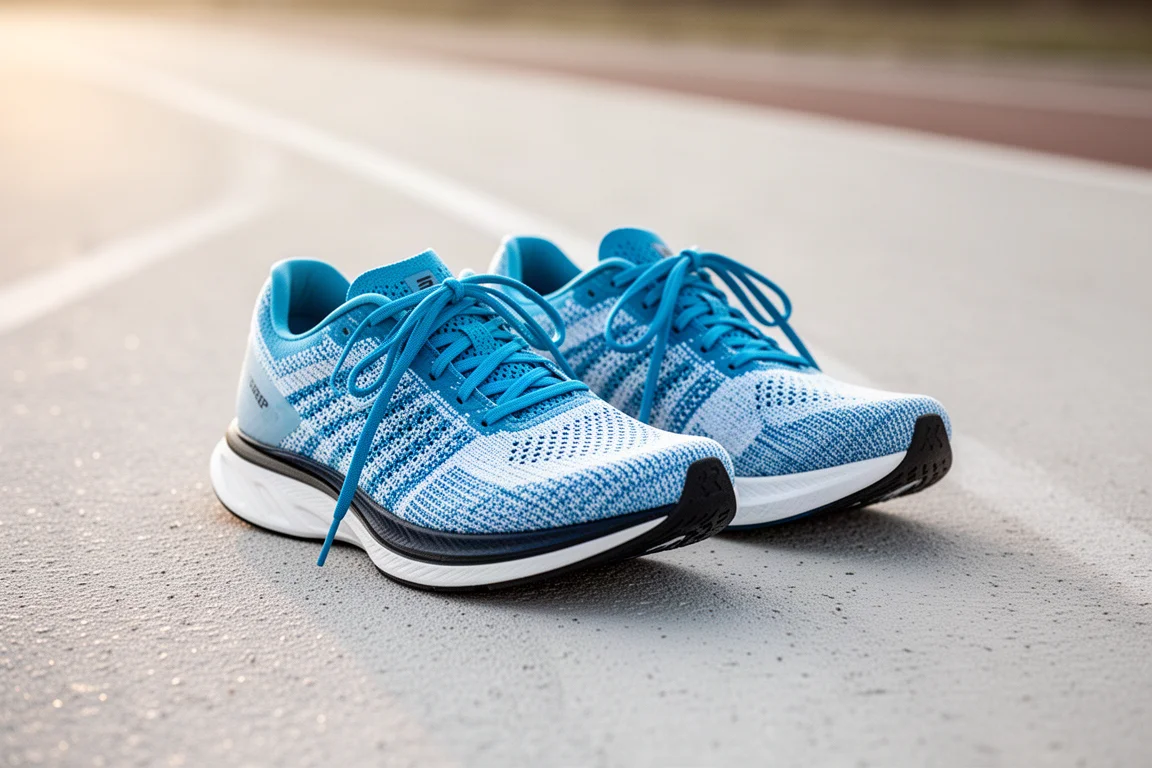
Both shoes share a 39.5 mm stack height and a 5 mm drop. The claimed weights from ASICS are the same, but the actual pairs tested came in slightly differently: the Sky weighed 199 g in a UK 11.5, while the Edge was a touch lighter at 191 g. For reference, the outgoing Paris Sky weighed 219 g, so this generation is genuinely lighter.
The uppers are identical as far as anyone can tell, with the same breathable Motion Wrap 3.0 mesh and good airflow through the shoe. The real difference is the stack order.
In the Sky, the more traditional FF Turbo Plus foam sits on top, the carbon plate sits in the middle, and the softer FF Leap foam sits beneath the plate. The plate itself is slightly flatter and positioned higher up, nearer to your foot, to create more upward lift and support stride length.
The Edge flips that arrangement. The lighter FF Leap foam sits on top, with the more stable, more hardwearing FF Turbo Plus at the bottom. Its carbon plate has a much stronger curve to push you forward and help increase cadence.
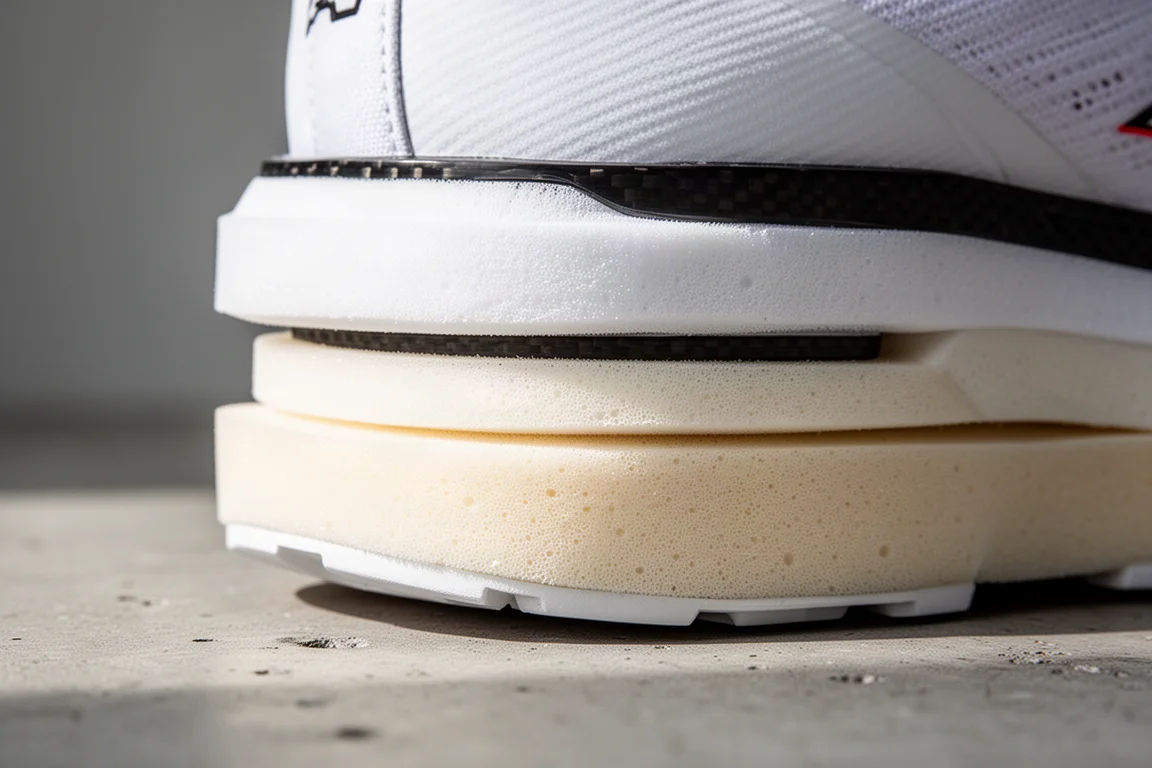
The outsoles are very similar, with slightly different cutout placements and slightly different colours. Grip is good on both, but durability will be noticeably better on the Edge, because its exposed outsole foam is the firmer, more hardwearing compound. On the Sky, much softer foam is exposed on the bottom, so expect a little less longevity.
The Sky Tokyo: Softer, Snappier, Built for Striders
The Sky is designed for stride runners: people who, as they increase speed, increase their stride length. The flatter plate helps deliver more bounce and upward lift when the foot hits the floor, supporting that longer, bounding stride.
On the road, the Sky feels clearly softer than the Edge, and softer than the outgoing Sky as well, thanks to the large addition of FF Leap foam at the bottom of the stack. It also feels snappier, with a bit more turn of speed on tap. For racing at 5K and 10K distances, it feels the more bouncy, poppy option of the two.
The trade-off is stability. The softer, foam-down arrangement is less reassuring underfoot, particularly deep into long races. The Sky also shares the same practical drawbacks as the Edge: minimal versatility, a tongue that can slide down early on, and that £20 price increase.
The Edge Tokyo: Stability and Longer Distances
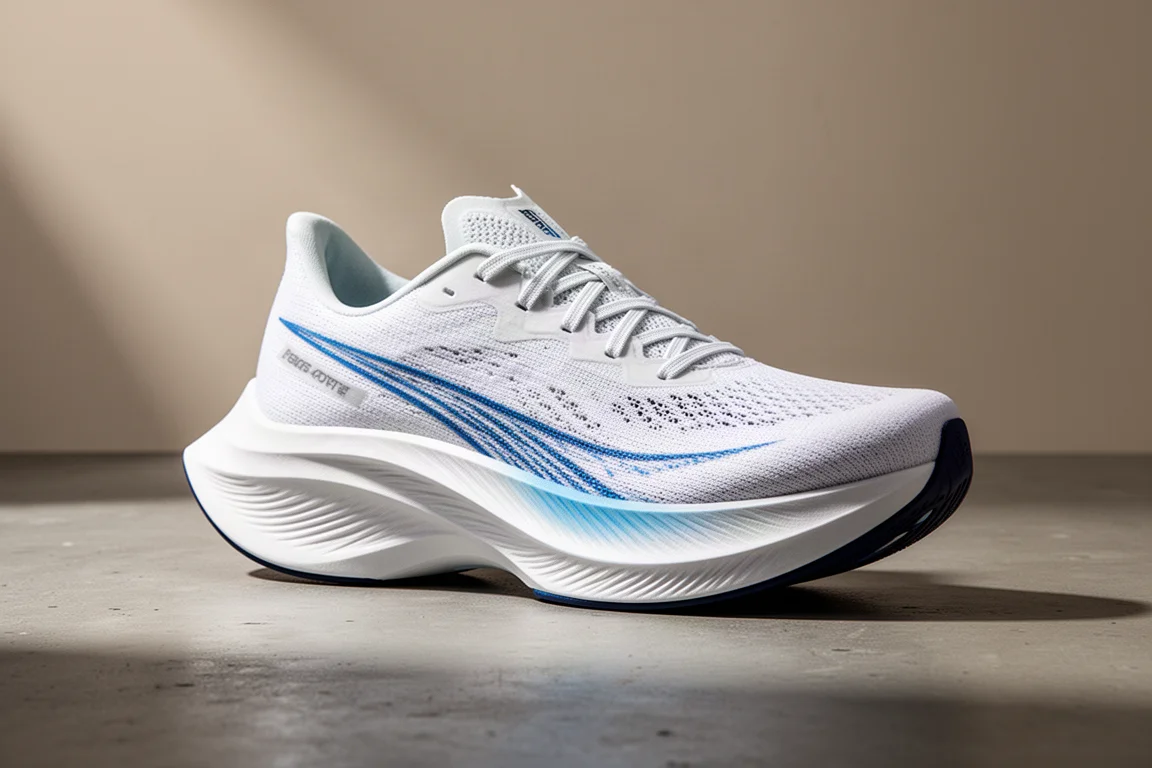
The Edge is built for cadence runners: people whose cadence increases most as they speed up, with stride length staying relatively constant. The strongly curved plate delivers more forward propulsion and helps tip you onto your forefoot, which many runners will find an addictive sensation.
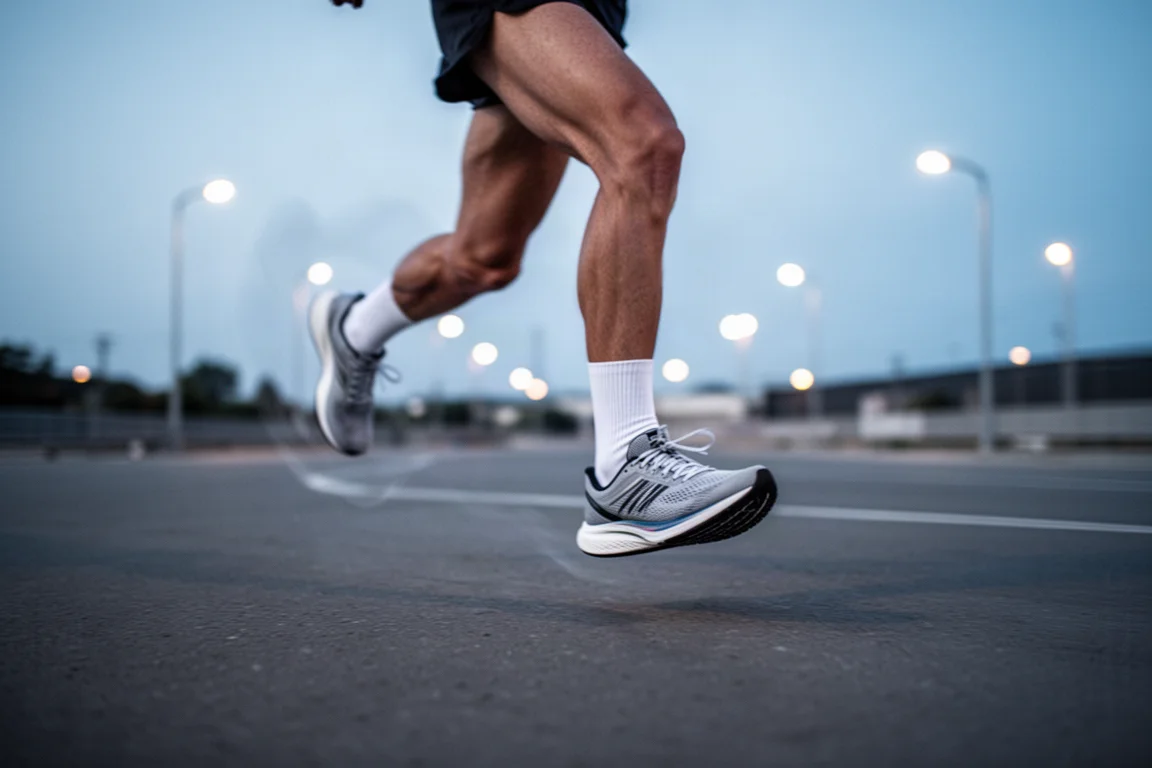
On the road, the Edge feels noticeably more stable than the Sky. The big chunk of firmer FF Turbo Plus at the bottom of the stack helps enormously here, especially for rear-foot strikers whose heel loads the shoe on landing. The ride is a touch firmer than the Sky, which definitely leans toward the softer side.
Durability should also be better on the Edge thanks to that hardwearing bottom layer. For long-distance racing, that combination of stability and a firmer platform makes a compelling case: it is easier to lock in at half marathon and marathon pace and cruise, and the rear-foot stability matters more as fatigue sets in late in a marathon.
Fit, Sizing, and Everyday Practicalities
Both shoes fit identically, as you would expect from ASICS. The tested pair matched the previous Paris model in a UK 11.5, which is half a size down from this runner’s usual size, a pattern that also works well across the Metaspeed range and the Super Blast models. True to size or half a size down should both work fine.
Both shoes share the same early dislikes, and they are worth repeating before you spend £480 on a pair. This is a race day or key-session tool, and there is very little versatility here; it will not be much fun for easy jogging around. The tongue can slide down slightly during runs, though threading it through the middle loop of the shoe helps. And the width feels slightly wider in this version, which is mostly a positive, with no irritation at the sides of the feet at all.
How to Choose the Right One for You
A lot of runners get hung up on the question of whether they are a cadence runner or a stride runner, and then cannot choose. The better approach is to look at the whole picture.
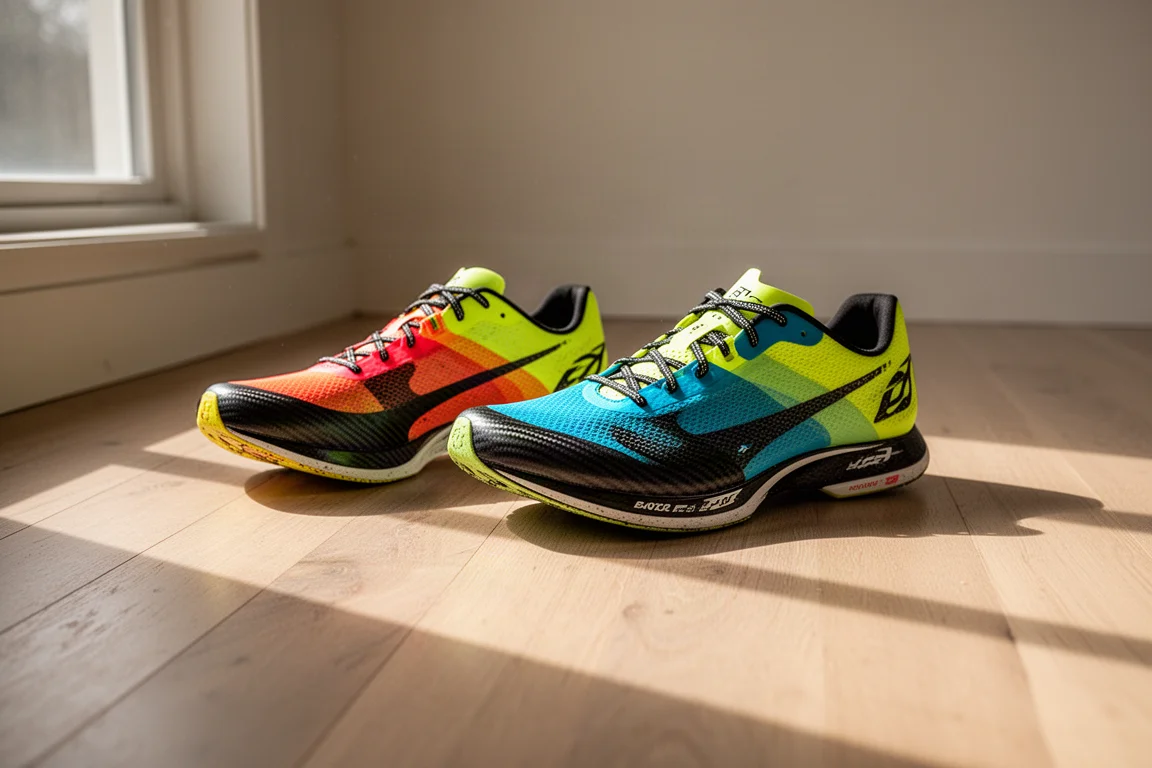
The Edge makes sense if you are a heel or rear-foot striker, if you prefer a firmer, more stable ride, or if your focus is the half marathon and marathon. The Sky makes sense if you race 5K and 10K, prefer a softer ride, and like that bounding, bouncy sensation during training sessions and shorter races.
The reassuring truth is that you will have a lot of fun in either shoe. Plenty of runners have bought “the wrong one” before and still raced happily in it. Use the breakdown above, match it to your distances and how you naturally run, and you can buy with confidence rather than stress.
Conclusion
The Metaspeed Sky Tokyo and Edge Tokyo are both excellent, lighter, foam-upgraded versions of a proven racing platform. The Sky rewards stride runners over shorter, faster races with a softer, snappier ride, while the Edge gives cadence runners and longer-distance racers more stability, a firmer feel, and better durability. Pick the one that matches your distances and foot strike, and enjoy race day.
Further reading
Related Reviews

Running Shoes
Best Road-to-Trail Running Shoes: Three Versatile Options for Mixed Terrain
A practical guide to three road-to-trail running shoes that handle both pavement and mild trails, with clear strengths and trade-offs for different runner types.

Running Shoes
Best Running Shoes for Achilles Tendonitis: Three Options Explained
Three running shoes with different heel drops and support features designed to help reduce Achilles tendon pain during walking and running.

Running Shoes
Best Running Shoes for Women: Five Top Choices Ranked
A ranked guide to five women's running shoes, from versatile daily trainers to high-performance racing options, with real strengths and trade-offs for each.