Running Shoes
ASICS Metaspeed Sky vs Adidas Pro Evo 3: Two Ultralight Marathon Racers Compared
A long-term look at the ASICS Metaspeed Sky after roughly 100 miles, set against the $500 Adidas Pro Evo 3 that powered sub-2-hour marathons this year.
Introduction
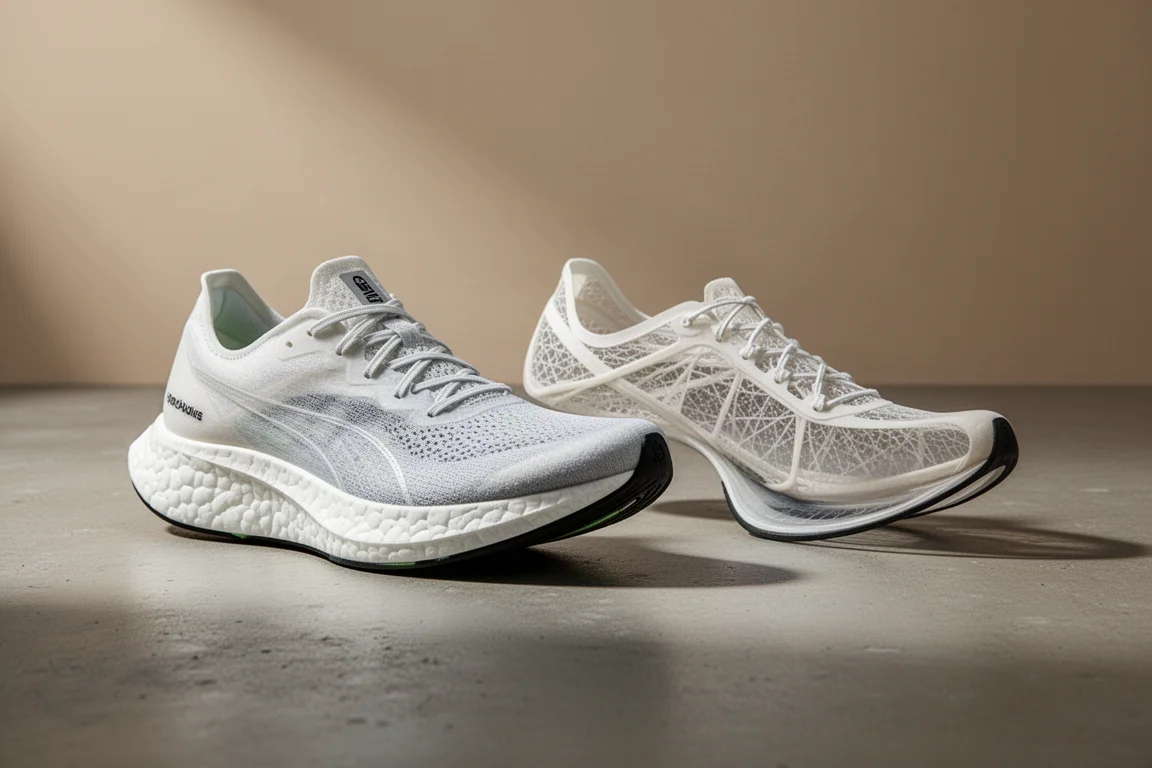
The ultralight marathon racer category has split in two: shoes that give up almost everything for weight, and shoes that keep just enough to stay livable. The ASICS Metaspeed Sky sits right on that line. It is one of the first race shoes in its size to drop below the 150 g mark, and after roughly 100 miles of testing, including three 20-mile long runs, it has earned a place among the most compelling marathon shoes available right now.
Its most direct rival is the Adidas Pro Evo 3, the $500 racer that Yomif Kejelcha and Sebastian Sawe wore to run sub-2-hour marathons earlier this year. Both shoes chase the same goal of near-weightless speed, but they compromise in noticeably different ways, and those differences determine which runner each shoe actually suits.
ASICS Metaspeed Sky: The Long-Term Picture
The Metaspeed Sky is the pinnacle race shoe in the ASICS lineup, and it is genuinely super lightweight. On foot, it feels like absolutely nothing. But that weight target required trade-offs, and this is where the comparison with the Pro Evo 3 becomes interesting. The Pro Evo 3 is the more aggressively compromised of the two: its upper essentially disappears on the foot. The Metaspeed Sky keeps a bit more structure, which makes it a more viable marathon shoe, not for the masses, but for people who are training hard and running fast marathons.
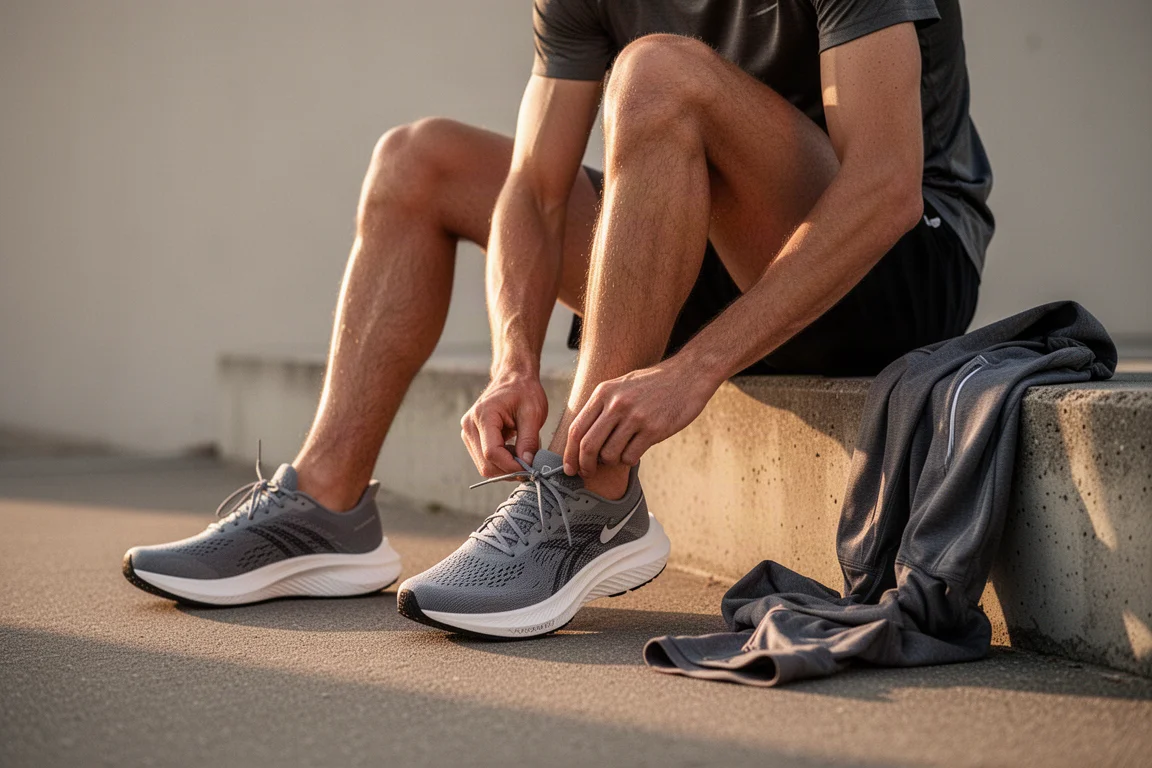
One detail worth noting from long-term use: after 93 miles of testing, the ride has stayed consistent across every workout. There has not been a bad run in these shoes, which is a strong statement for a shoe this light and this aggressively built.
Adidas Pro Evo 3: The $500 Benchmark
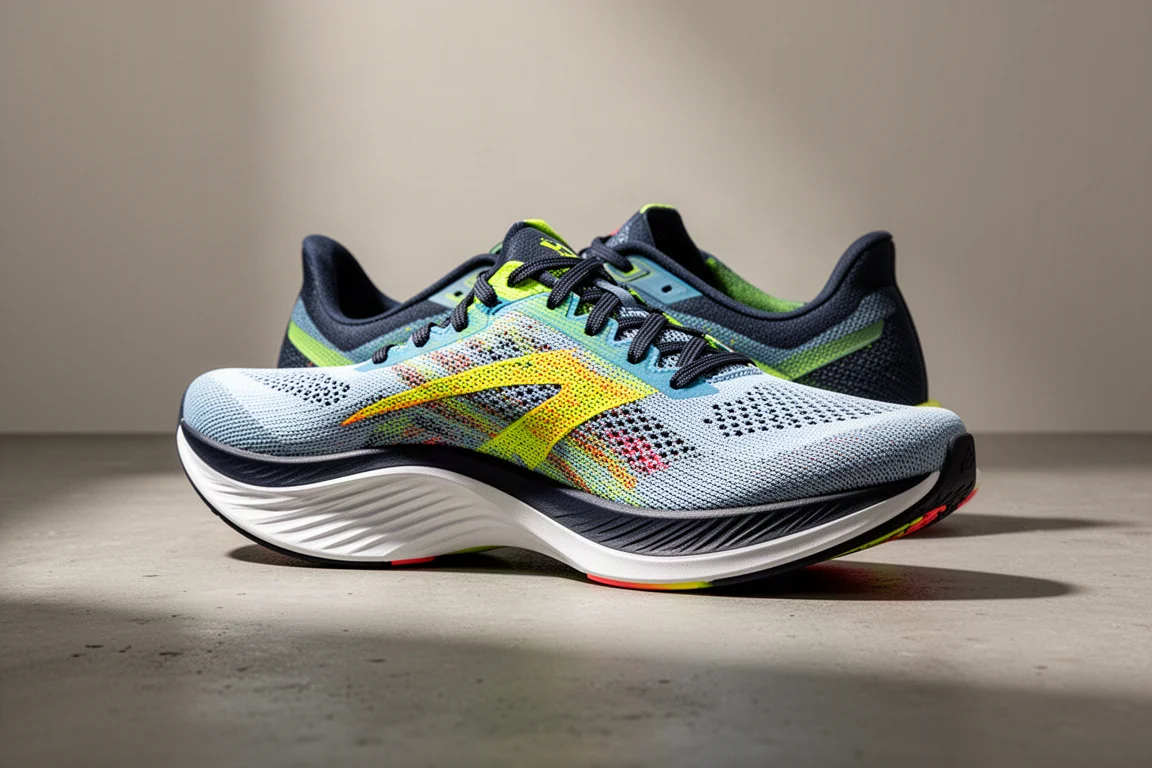
The Pro Evo 3 sets the standard for how far a race shoe can be stripped down. It is lighter than the Metaspeed Sky, it has no meaningful support, and its upper is about as minimal as it gets. It is, in short, an absolute weapon. But that minimalism narrows who it fits. Even a runner weighing around 165 lb training for a 2:32 marathon reported feeling too big for the shoe, which helps explain why it has not achieved mainstream adoption the way some other super shoes have.
The Metaspeed Sky is just a little heavier than the Pro Evo 3, and compared to stepping out of the Pro Evo 3, the ASICS feels dramatically more stable, almost like a guidance shoe by comparison. That relative stability is one of the strongest arguments for choosing it over the Adidas.
Ride Experience: Soft, Bouncy, and Aggressive
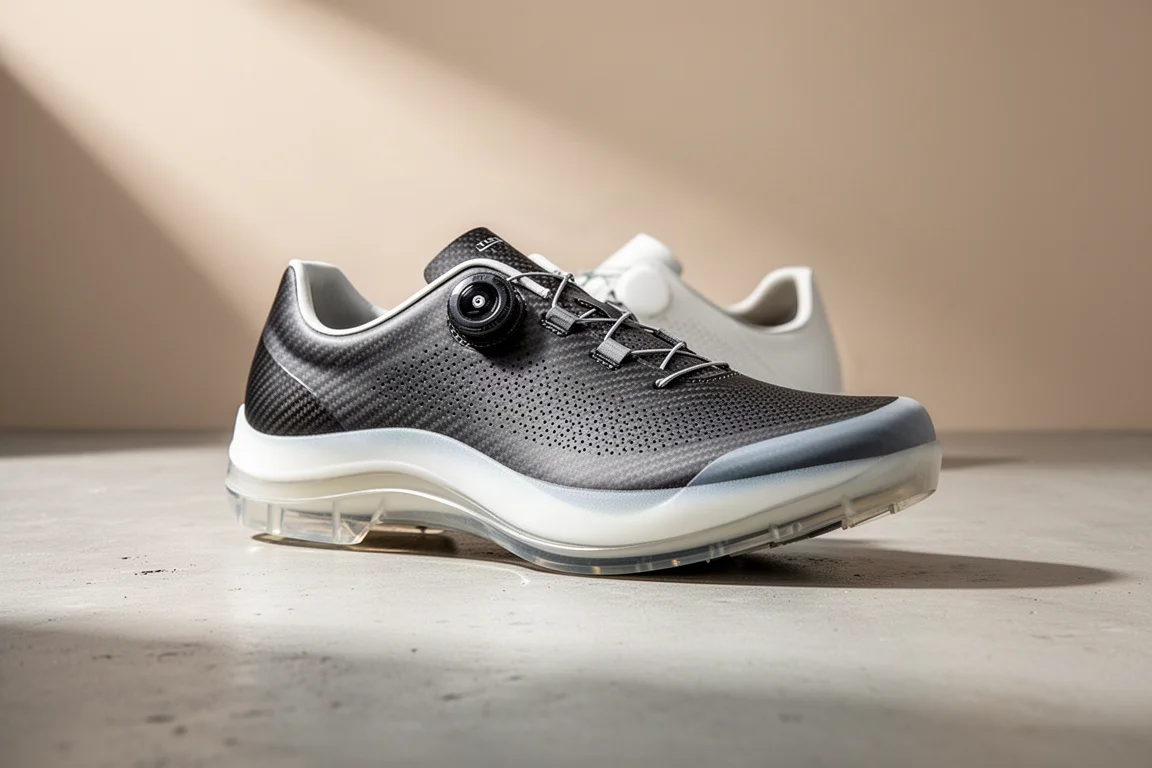
The midsole uses an aliphatic TPU foam, the same foam found in the Metaspeed Sky and Edge as well as the ASICS Superblast. The ride is super soft and bouncy, and the foam compresses a tremendous amount, visible in the deep crinkles at the heel and forefoot.
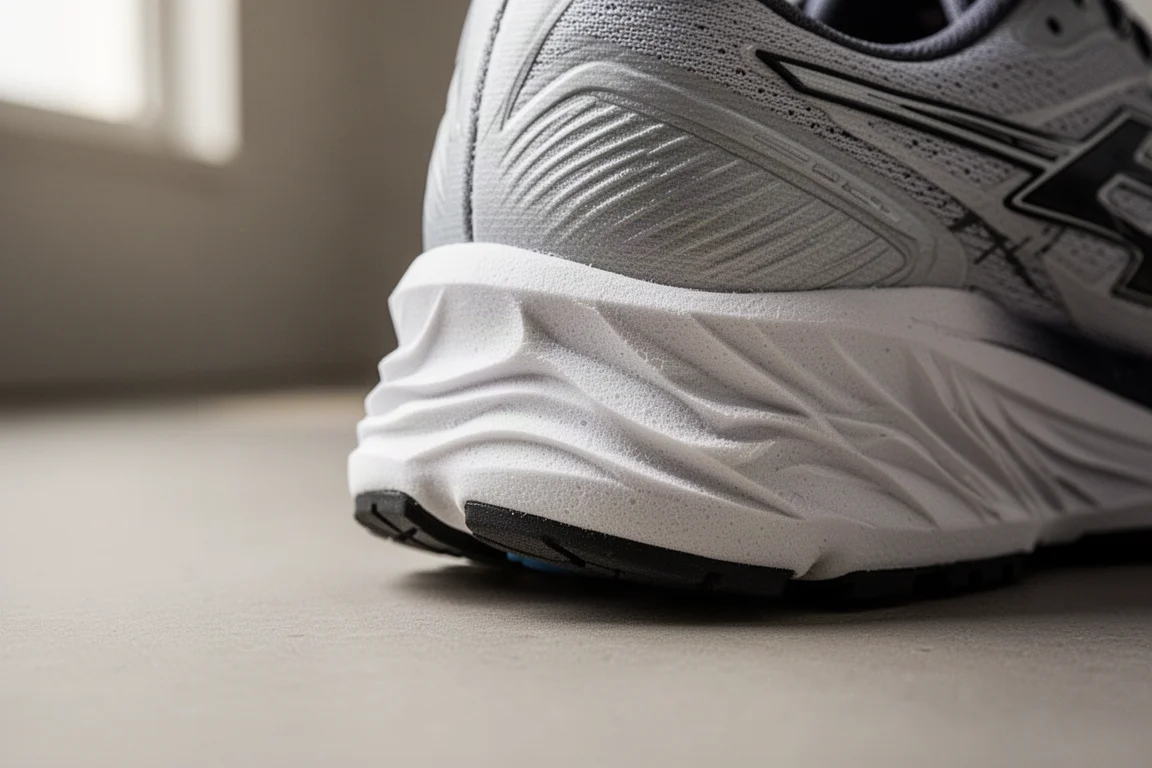
That compression is both the appeal and the warning. If you love soft, bouncy foams, this is going to be great. If you do not like soft foams, stay away entirely. On top of the softness, there is a really aggressive feel from the rocker up front, which makes the shoe feel fast rather than plush in a vague way. It is reminiscent of the Adidas Pro Evo 3 and the Saucony Endorphin Elite, though the Endorphin Elite is bigger, fluffier, and wider, with a more cruiser-leaning character. The Metaspeed Sky sits firmly in the top three to five for raw marathon speed.
Notably, unlike some other top-tier marathon shoes such as the Fastr 3, it does not beat up the calves as much. The partial plate and the hugely compressible foam make it a surprisingly comfortable shoe for something this aggressive.
Who the Metaspeed Sky Is Really For
This is a shoe for fast runners running fast marathons. Dropping to 5:20, 5:30, or 5:40 marathon pace and faster feels effortless, and the foam is a big part of that. It belongs in the transcendent tier: a shoe the tester would actively enjoy taking out for a full marathon, comfortably in a personal top five alongside the Fastr 3, recent top-tier releases, and the Pro Evo 3.

The reason it gets slept on comes down to construction, not price. It costs $300 versus $270 for ASICS’ other shoes, so money is not really the issue. The narrowness and the aggression in the construction are. Runners in the fat part of the bell curve of marathon times, even at a 3-hour marathon, may find the lack of stability noticeable as form breaks down late in the race. Stretch that to three and a half or four hours on feet, and the shoe makes less and less sense. You can run a 4-hour or even 7-hour marathon in it, but something with more stability and underfoot comfort would serve you better.
Durability and Trade-offs
Durability is not one of the top design priorities here. The exposed foam at the rear shows a lot of wear and tear after about 100 miles, with the right shoe visibly worse than the left. The good news: the damaged-looking areas did not affect the ride at all. It looks gnarly but performs fine.
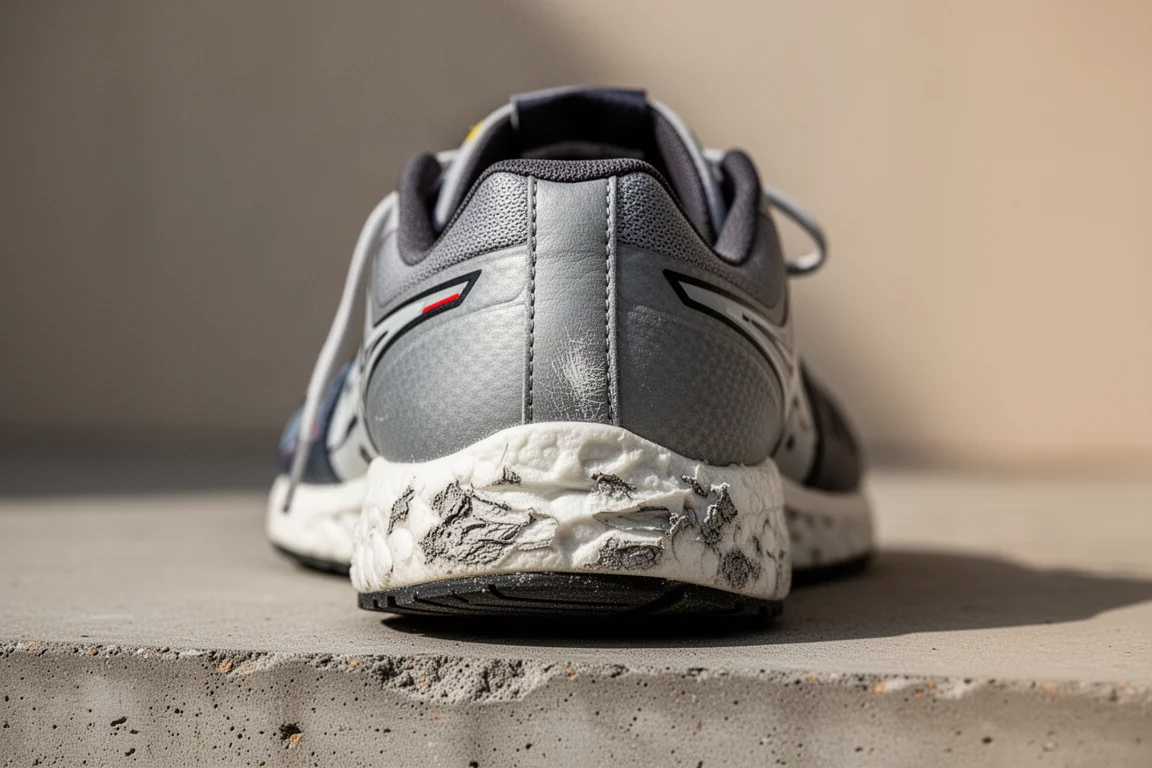
Still, this is not the shoe to buy for longevity, and racing a marathon PR in a pair with roughly 100 miles on them is probably not the plan. If you want a durable race shoe, the ASICS Edge or the Nike Alphafly are the better picks, and the Alphafly can often be found on sale. Buy the Metaspeed Sky for speed and weight, not for mileage.
Other trade-offs to weigh:
- The lightweight upper offers limited support.
- The platform is super narrow, with not much stability compared to other race shoes, though far better than the Pro Evo 3.
- The aggressive heel bevel can feel punishing or awkward for committed heel strikers who ride the back of the shoe.
Conclusion
The ASICS Metaspeed Sky is an all-timer when it comes to lightweight speed: super fast, super light, soft, and bouncy, with a ride quality that makes hard marathon pacing feel almost easy. It is less compromised than the $500 Adidas Pro Evo 3 while sitting right behind it in weight, and it is a genuine top-five marathon shoe for the fastest of the fast.
If you dislike narrow platforms or soft foams, look elsewhere. If you want a cool, innovative, genuinely fast racer and you run near the front of the pack, the Metaspeed Sky is one of the best choices in the category, and it will be interesting to see what ASICS does with the next generation, which appears to involve geometry and slight changes rather than a full overhaul.
Further reading
Related Reviews

Running Shoes
Best Road-to-Trail Running Shoes: Three Versatile Options for Mixed Terrain
A practical guide to three road-to-trail running shoes that handle both pavement and mild trails, with clear strengths and trade-offs for different runner types.

Running Shoes
Best Running Shoes for Achilles Tendonitis: Three Options Explained
Three running shoes with different heel drops and support features designed to help reduce Achilles tendon pain during walking and running.

Running Shoes
Best Running Shoes for Women: Five Top Choices Ranked
A ranked guide to five women's running shoes, from versatile daily trainers to high-performance racing options, with real strengths and trade-offs for each.