Running Shoes
ASICS Metaspeed Sky Tokyo vs Nike Alphafly 3: Which Carbon Racer Should You Buy?
Two of the best carbon plate racing shoes go head to head on weight, ride feel, fit and durability to help you pick the right one for race day.
Introduction
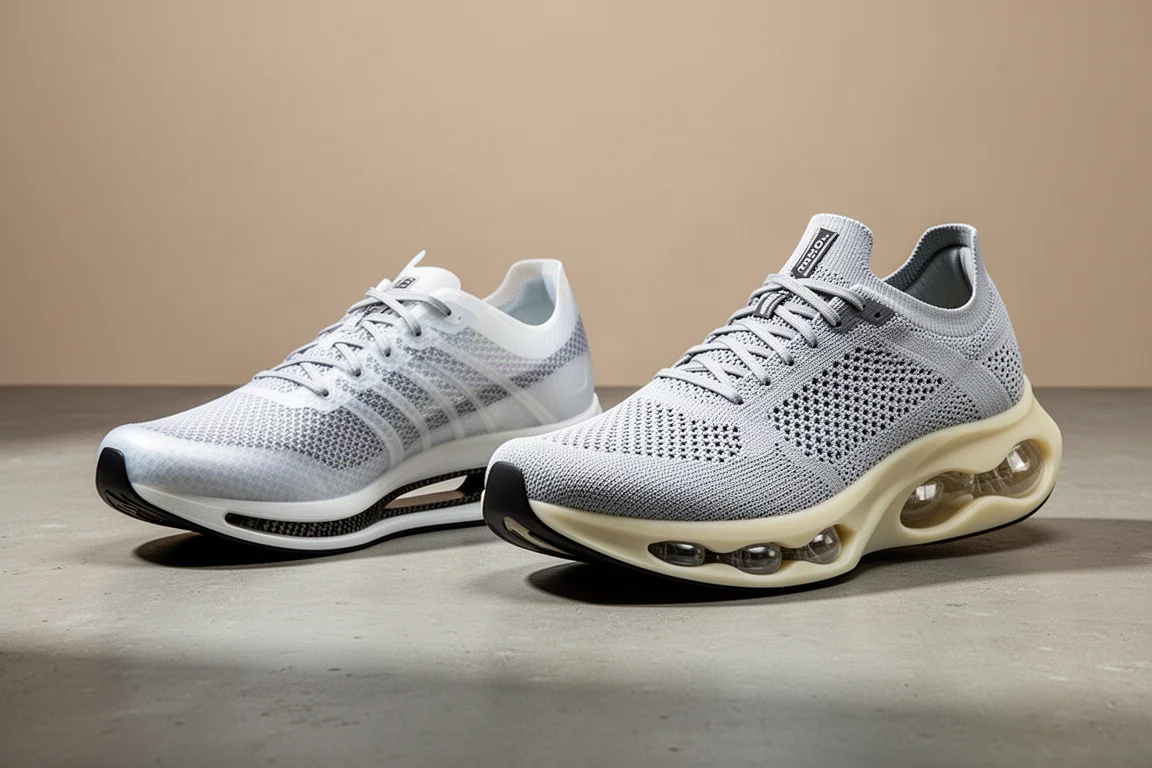
The ASICS Metaspeed Sky Tokyo and the Nike Alphafly 3 are two of the best carbon plate racing shoes on the market. Both are very fast, both are very efficient, and both work well for races of all distances, from 5K up to the marathon. The ASICS is the newer shoe, released in the second half of this year, while the Alphafly 3 has been out for around 18 months and is now one of the older carbon racers still on shelves, though it remains a very fast and impressive option.
After extensive testing in both, the headline is simple: these shoes deliver similar performance gains, but they feel very different on the run, and the right pick depends on your running style and what you want from a race day shoe.
Weight and Stack at a Glance
The ASICS Metaspeed Sky Tokyo is the cheaper and lighter of the two. It costs £240 or $270, compared with £285 / $285 for the Alphafly 3. On the scale, the ASICS comes in at around 169g (6oz) in a UK 9 / US 10, making it one of the lightest carbon racers on the market. The Alphafly 3 weighs about 220g (7.7oz) in the same size.
The Metaspeed Sky Tokyo has a 5mm drop, while the Alphafly 3 sits at 8mm. Both have heel stack heights that bump up close to the 40mm limit set by World Athletics.
Design and Construction
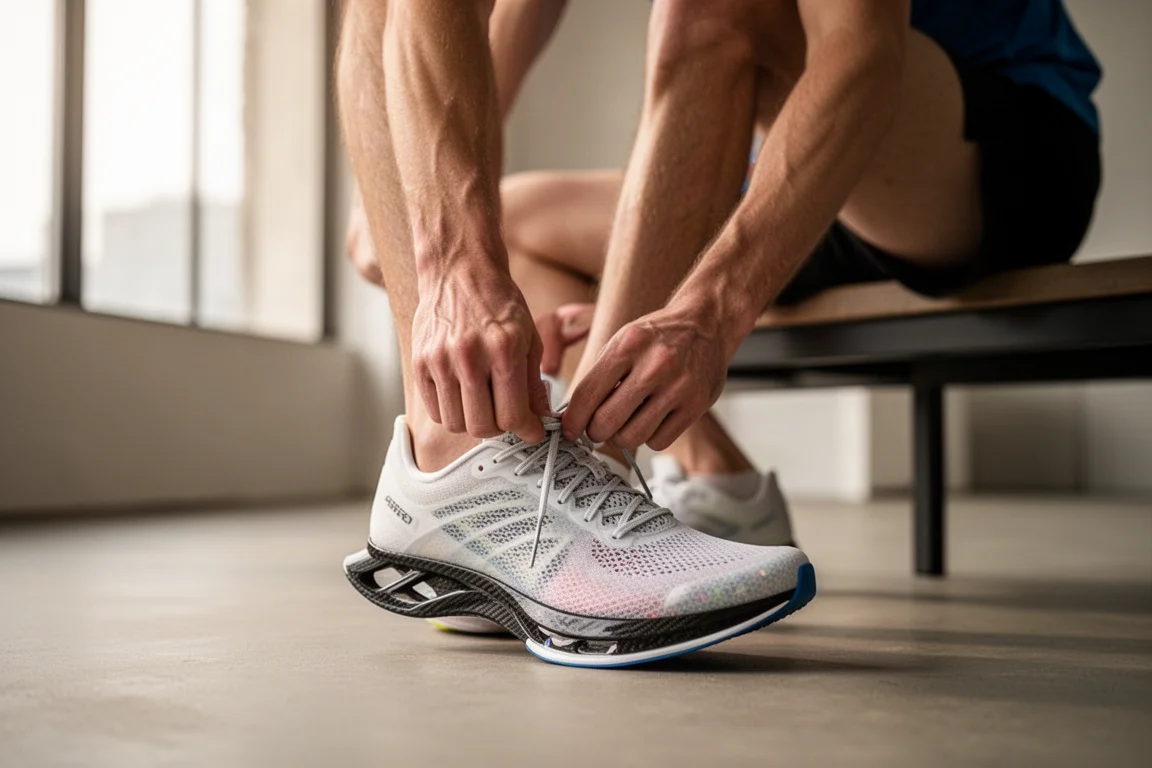
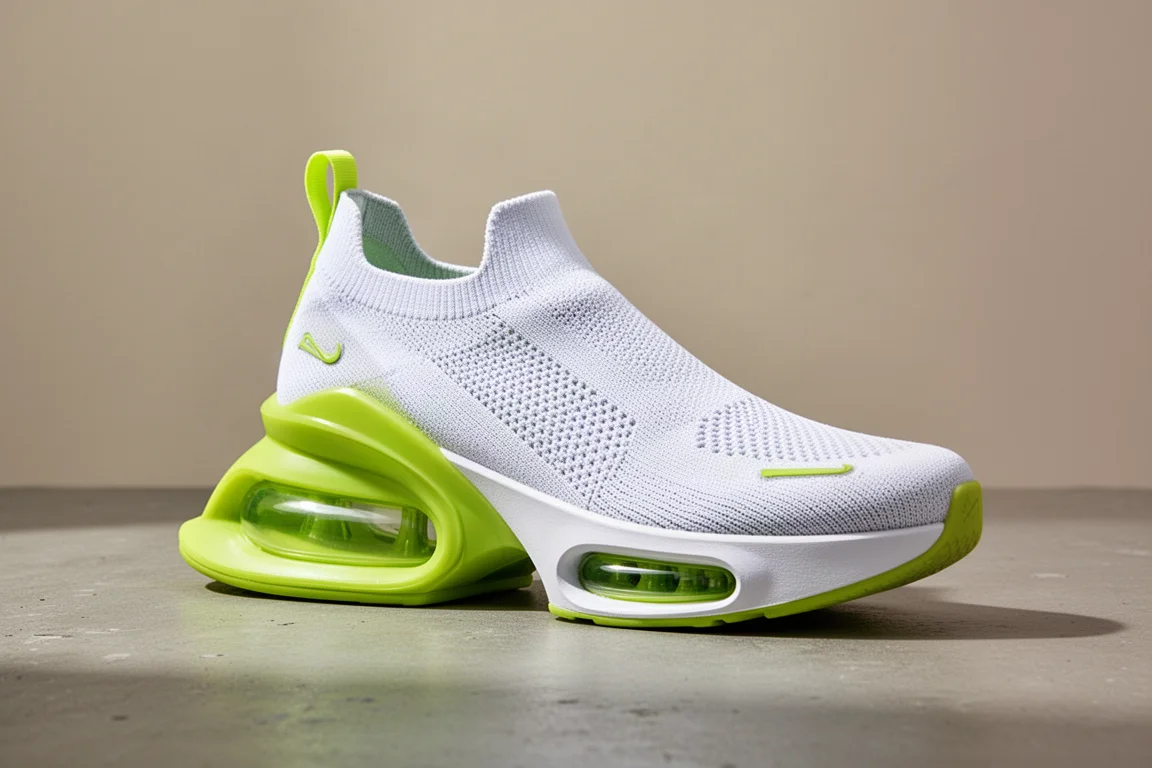
The Alphafly 3 uses an atomically engineered upper that is very open and breathable at the front, with a booty-style fit where the tongue is integrated into the upper. There is light padding around the heel and an internal heel counter for a bit of stability. The midsole is built mainly from Nike ZoomX foam, with Air Zoom pods under the forefoot adding extra energy return and a slightly firmer feel than a full ZoomX midsole. A full-length carbon plate runs the length of the shoe, and the rubber outsole has good forefoot coverage plus a couple of sections at the back to protect the heel.
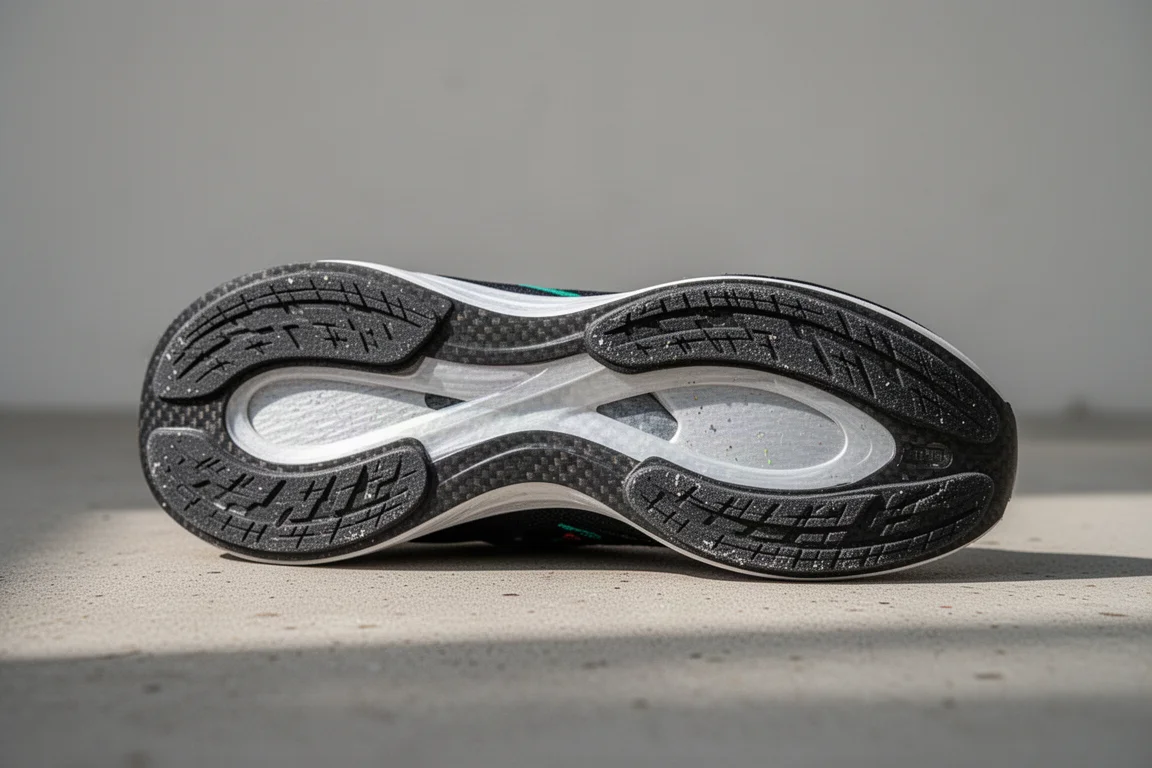
The Metaspeed Sky Tokyo takes a different route. Its Motion Wrap 3.0 upper is lightweight and breathable with an open front, but it uses a more traditional tongue. At the back you get a similar small internal heel counter with light padding. The midsole is dual density: a top layer of FF Turbo Plus, the foam used in earlier shoes in the range like the Metaspeed Sky Paris, over a chunky bottom layer of FF Leap. FF Leap was introduced with the Metaspeed Ray this year and is lighter and bouncier than the FF Turbo Plus on top. The full-length carbon plate sits quite high in the midsole, particularly under the forefoot, which is the main difference from the Edge Tokyo and a distinguishing feature against a lot of carbon racers. The ASICS grip rubber outsole is deliberately minimal, with decent forefoot coverage but holes in it, and it does not extend all the way back, all in the name of saving weight.
Fit and Sizing
The Metaspeed Sky Tokyo is a very comfortable shoe with plenty of room before the big toe and a roomy feel across the whole forefoot and midfoot. Even average-width feet have plenty of space at the sides, there is a nice touch of padding at the back, and it is still easy to lock down a secure fit. Sticking to your normal running shoe size works well here.
The Alphafly 3 has a more restrictive, booty-style fit. It can be hard to get on, and you need to pull it to get your foot in comfortably. Forefoot room is about the same as the ASICS, but the midfoot is leaner, and wider feet may feel pinched. Testers with average-width feet still ran comfortably and securely in their normal size, including long runs and fast track sessions, so staying true to size is the safe call here too, with a caution if you have wider feet.
Ride Feel: Light and Nippy vs Cushy and Bouncy
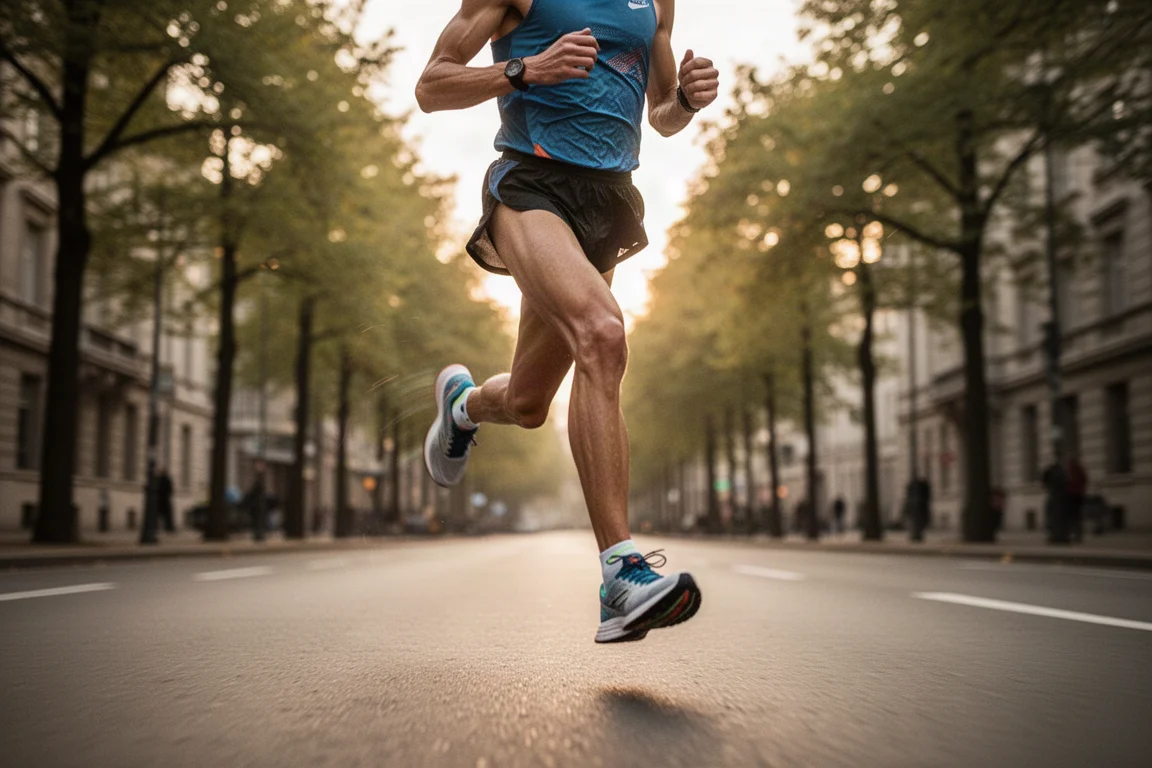
This is where the two shoes genuinely diverge. The Metaspeed Sky Tokyo feels notably light and nippy, while still delivering a full stack of bouncy foam. It has a slightly firmer feel than the Nike at the heel, a very fast transition onto the forefoot, and a load of pop off the toes thanks to that carbon plate sitting higher and nearer the toes. For runners with a high cadence and a shufflier stride who do not slam huge force into the shoe, it returns a lot of response and bounce at any pace, from all-out track sessions to the back end of a marathon when you are struggling.
The Alphafly 3 is cushier at the back of the shoe and a fair bit wider, giving a more stable and safe feeling landing. The transition onto the Air Zoom pods is still direct and fast, with a nice punch off the toes. It is a bouncier, sink-in-and-bounce-back feel compared to the ASICS’ fast, firmer transition. That extra cushioning protects the legs extremely well, which is why it is such a popular marathon shoe, especially for heavier or more forceful runners or anyone with a loping style. It is not slow over short distances either, and a fastest-ever 10K has been run in it.
Outsole and Durability
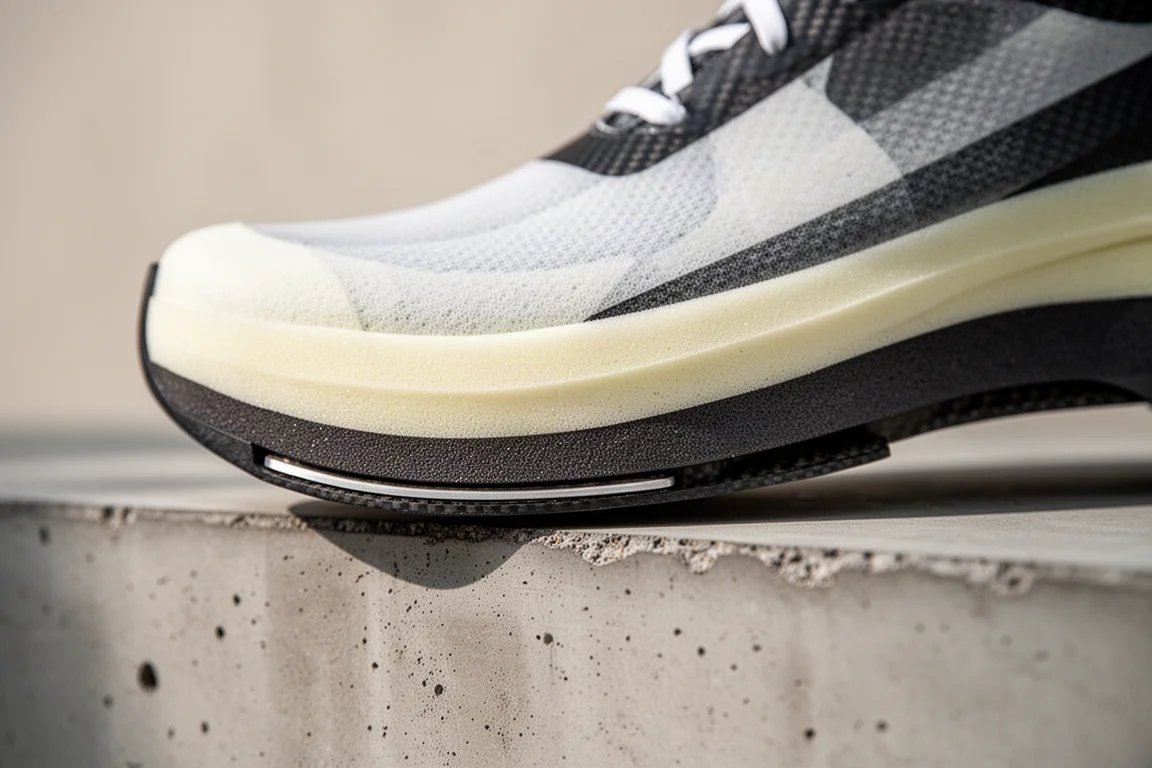
The Alphafly 3 feels built like a tank. After around 90km there are only minor signs of wear, which is strong going when many super shoes get destroyed far sooner. The front rubber over the Air Zoom pods is thick and solid too.
The Metaspeed Sky Tokyo has one clever detail: on the outer edge of the shoe, the front and back rubber sections are connected as one piece, which helps runners who supinate and tend to rub away the thin rear section of most super shoes. The trade-off is that its minimal, weight-saving outsole may not prove quite as durable overall, though you should still get plenty of fast miles out of it.
Verdict
Both are fantastic carbon plate racers for everything from 5K to the marathon, with similar performance gains. The difference is that the Metaspeed Sky Tokyo simply feels lighter on the feet, with more pickup, more responsiveness and a quicker turnover. Its newer foam stack is also a step ahead of the ZoomX in the Alphafly 3, and it is the cheaper shoe. Overall it has overtaken the Alphafly 3 and is the one to try first if all things are equal.
The Alphafly 3’s remaining advantage is comfort: more foam and a bit more softness, which matters for a marathon run at a more comfortable pace or for runners who want extra cushioning under a more forceful stride. It is still an excellent, protective marathon racer while remaining very good over short distances, just no longer the front-runner in this matchup.
View more details for ASICS Metaspeed Sky Tokyo
Conclusion
The ASICS Metaspeed Sky Tokyo is the pick for most runners: it is lighter, bouncier, more responsive, cheaper, and arguably the best carbon racer available right now. The Nike Alphafly 3 is still a very fast, very durable option and remains the better choice if you want maximum cushioning for the marathon or have a heavier, more forceful running style. Either way, you are getting a top-tier race day shoe.
Further reading
Related Reviews

Running Shoes
Best Road-to-Trail Running Shoes: Three Versatile Options for Mixed Terrain
A practical guide to three road-to-trail running shoes that handle both pavement and mild trails, with clear strengths and trade-offs for different runner types.

Running Shoes
Best Running Shoes for Achilles Tendonitis: Three Options Explained
Three running shoes with different heel drops and support features designed to help reduce Achilles tendon pain during walking and running.

Running Shoes
Best Running Shoes for Women: Five Top Choices Ranked
A ranked guide to five women's running shoes, from versatile daily trainers to high-performance racing options, with real strengths and trade-offs for each.