Running Shoes
ASICS MetaSpeed Sky Tokyo vs Edge Tokyo: Which Supershoe Should You Buy?
ASICS' new MetaSpeed Tokyo generation splits by running style: the Sky Tokyo favors longer strides and soft landings, while the Edge Tokyo rewards higher cadence and a rockered toe-off. Here's how to pick.
Introduction
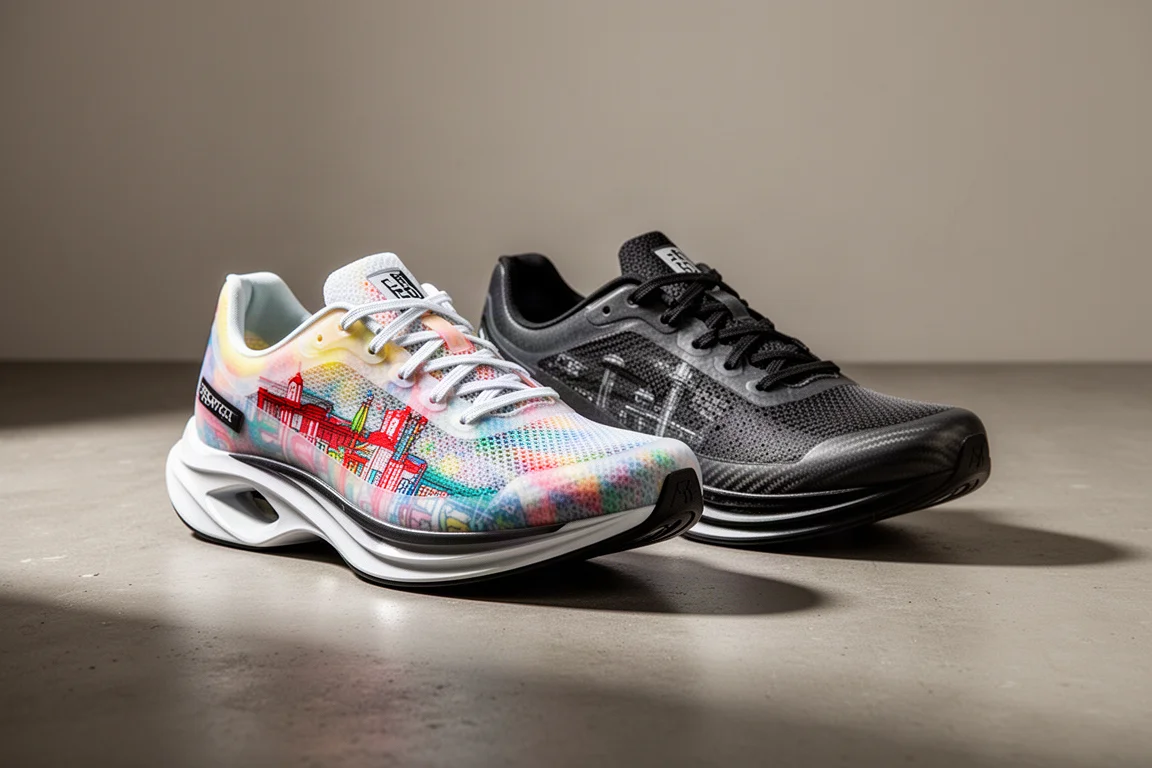
ASICS has launched a new generation of its MetaSpeed racing line, and this time the split between the two flagship models matters more than it has in the past. The MetaSpeed Sky Tokyo and MetaSpeed Edge Tokyo look similar at a glance, but the way each one loads foam around its carbon plate changes the ride noticeably, especially once you push the pace up to half marathon or marathon effort.
This comparison is aimed at runners trying to decide between the two. The short version: if you lengthen your stride as you speed up, the Sky Tokyo fits your mechanics. If you increase cadence instead, the Edge Tokyo is built for you. But this generation, there is a real softness-versus-durability trade-off layered on top of that too.
Two Shoes, Two Running Styles
The Sky Tokyo carries a flatter plate and is intended for runners who lengthen their stride as they get faster. The Edge Tokyo is the more traditional carbon racing shoe: a curved, spoon-like section in the forefoot means the plate sits much closer to the ground, with more foam above it, creating a lever effect that rewards a shorter, quicker stride.
The clearest way to understand the difference is foam placement. Where ASICS has positioned the softer and more resilient foams in each shoe tells you who the shoe is aimed at, and it changes how the ride feels through landing and toe-off.
The Sky Tokyo: Softness for Stride Lengtheners
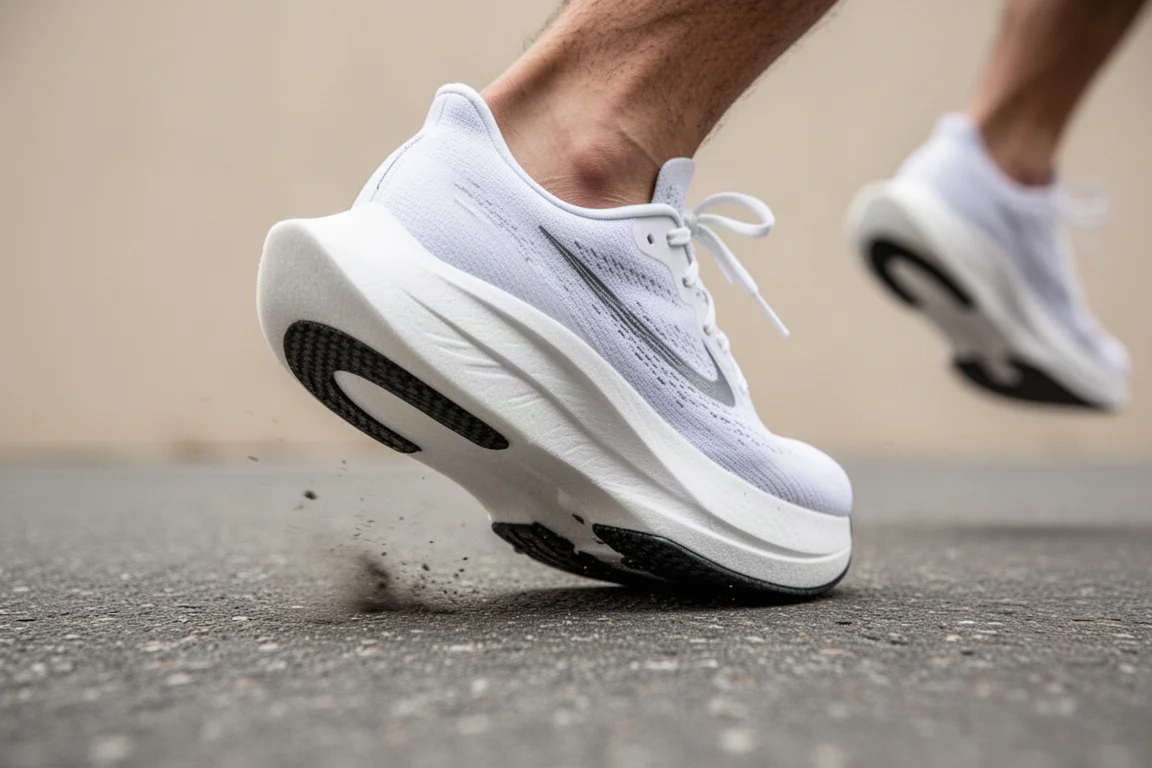
The Sky Tokyo places a very soft, compressive Flight Foam Leap compound predominantly on the underside of the shoe. A thinner section of the firmer Flight Foam Turbo Plus sits directly under the foot, so you feel the plate a little closer to your foot. Land mid to forefoot with force and the shoe behaves almost like a trampoline, bouncing you through the transition.
That softer layer underfoot is deliberate. Runners who extend their stride tend to land a little further from their center of gravity, which raises impact loads, and the softer foam is there to absorb and cushion those longer strides. It works best if you genuinely land mid to forefoot with a high knee lift and plenty of force. Land too far back on the heel and the soft foam can absorb some of the energy you are putting in.
The trade-off is that this ultra-soft, compressive foam is not for everyone. It is very lively and returns to form quickly, but for many runners it may simply be too soft. If you get the chance to try both, expect quite a few people to gravitate toward the Edge Tokyo for that reason.
The Edge Tokyo: A Rocker Built for Cadence
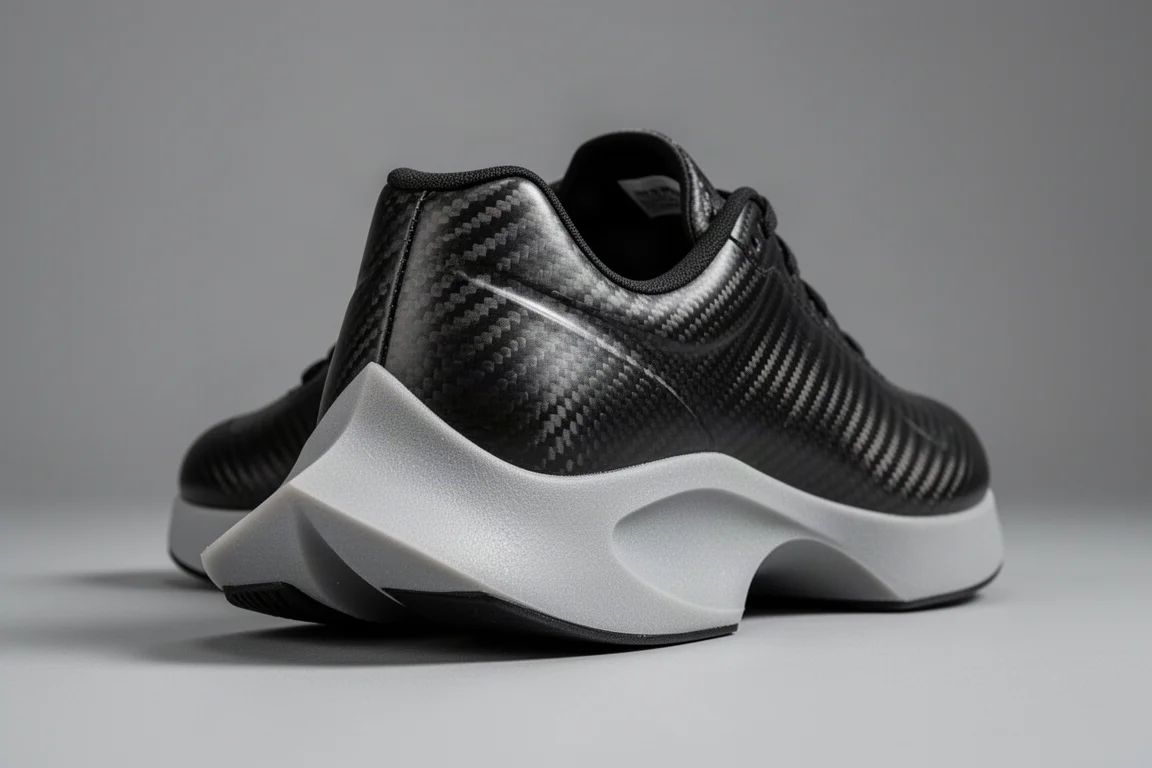
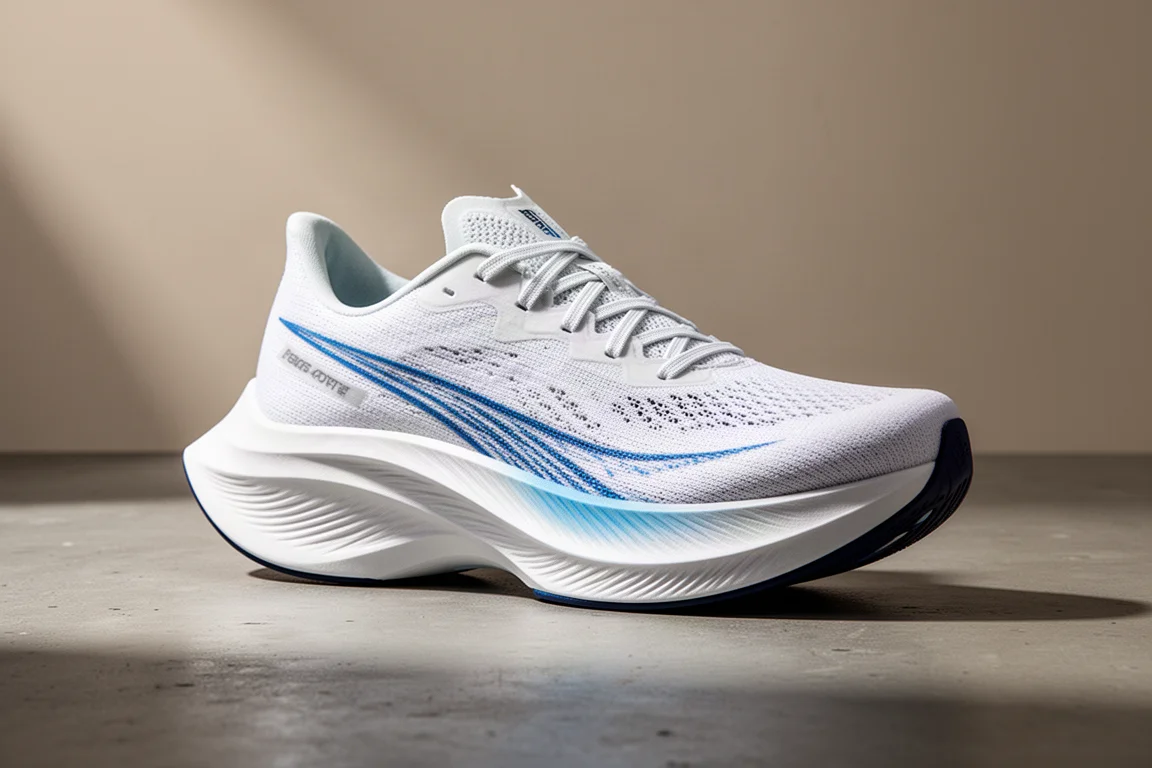
The Edge Tokyo uses the slightly more resilient Flight Foam Turbo Plus in the heel section. It is a touch denser and a bit more durable than the very soft Flight Foam Leap, and it is intended to stabilize the ride as you come down and land. From the midfoot through the forefoot, the sole becomes noticeably more curved, and you can feel that rocker on toe-off.
This shoe wants you to run through the full midsole, from heel through to forefoot, in one flowing transition. It loves a shorter stride and faster cadence, and at that rhythm it feels almost effortless. If you prefer a rockered feel in a race shoe, the Edge Tokyo is the stronger option here. It feels jarring if you try to stride out with high knees, which is the opposite of the Sky Tokyo’s character.
Durability, Outsole and Practical Differences
Upper and outsole are effectively identical between the two shoes, with very subtle outsole changes: a cutout in the forefoot on the Sky Tokyo, and a heel cutout on the Edge Tokyo where the Sky has none. The rubber itself is the same and behaves the same, feeling notably sticky in warm weather. The foams land at around Shore 18 for Flight Foam Leap and around 21 for the Flight Foam Turbo Plus section, both super-soft compressive formulas, though neither is built for extreme durability, and the very soft foam in particular picks up thorns and debris easily.
If durability is a priority, the Edge Tokyo is the safer pick. If you want all-out softness, the Sky Tokyo is the one.
It is also worth noting where the line is heading: ASICS is positioning a new MetaSpeed Ray considerably lighter than both of these, aimed squarely at elite runners with a very small run of pairs.
Buying Advice
The difference between these two models becomes much more apparent when running at pace, so try to judge them at half marathon, marathon, or faster efforts rather than easy pace. Pick the Sky Tokyo if you increase stride length as you speed up and land mid to forefoot. Pick the Edge Tokyo if you raise cadence, favor a rockered toe-off, or want the more durable, slightly more stable ride.

Conclusion
Both Tokyo-generation shoes are excellent, but they are tuned for genuinely different runners. The Sky Tokyo is the softer, trampoline-like option for stride lengtheners with a forefoot landing. The Edge Tokyo is the rockered, cadence-friendly shoe that pushes you through toe-off and holds up a little better over time. Match the shoe to how you actually run fast, and the choice becomes straightforward.
Further reading
Related Reviews

Running Shoes
Best Road-to-Trail Running Shoes: Three Versatile Options for Mixed Terrain
A practical guide to three road-to-trail running shoes that handle both pavement and mild trails, with clear strengths and trade-offs for different runner types.

Running Shoes
Best Running Shoes for Achilles Tendonitis: Three Options Explained
Three running shoes with different heel drops and support features designed to help reduce Achilles tendon pain during walking and running.

Running Shoes
Best Running Shoes for Women: Five Top Choices Ranked
A ranked guide to five women's running shoes, from versatile daily trainers to high-performance racing options, with real strengths and trade-offs for each.