Running Shoes
ASICS Metaspeed Sky Tokyo First Runs: What Changed From the Sky Paris, and Where the Edge and Ray Fit In
The new ASICS Metaspeed Sky Tokyo is lighter, bouncier and pricier than the Sky Paris. Here is how it compares, plus where the Edge Tokyo and Ray sit in the growing Metaspeed lineup.
Introduction
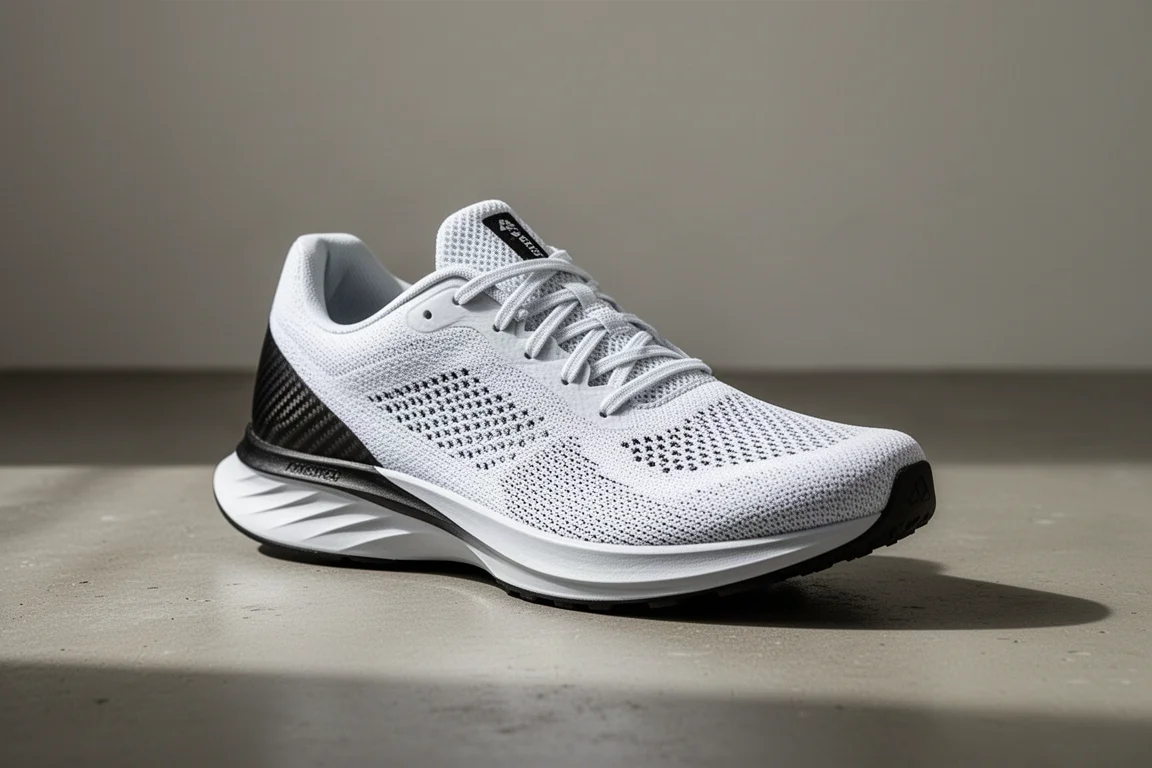
The ASICS Metaspeed Sky Tokyo is the latest carbon plate racing shoe in the Metaspeed series, and the successor to a shoe many runners treated as their benchmark marathon racer: the Metaspeed Sky Paris. It brings a two-foam midsole, a lower weight, and a noticeable price jump to £240 or $270.
But it is no longer a simple two-shoe family. ASICS now has three carbon plate racers: the Sky Tokyo, the Edge Tokyo, and the softest, springiest and lightest of the trio, the Metaspeed Ray. Here is how each one fits into the lineup.
Design Updates in the Metaspeed Sky Tokyo
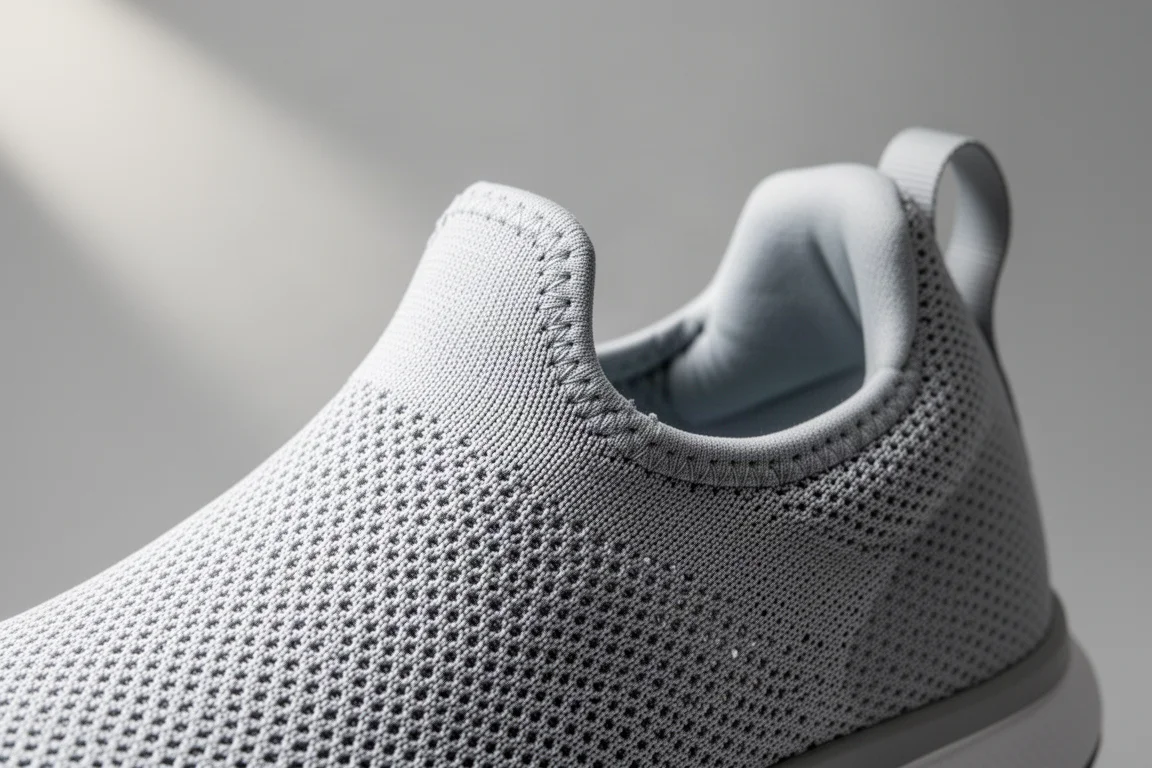
Compared to the Sky Paris, the Sky Tokyo gets a new Motion Wrap 3.0 upper, an updated version of the breathable, lightweight material used across earlier Metaspeed models. The heel has also been redesigned with a slightly different padding configuration, and it feels a touch looser out of the box.
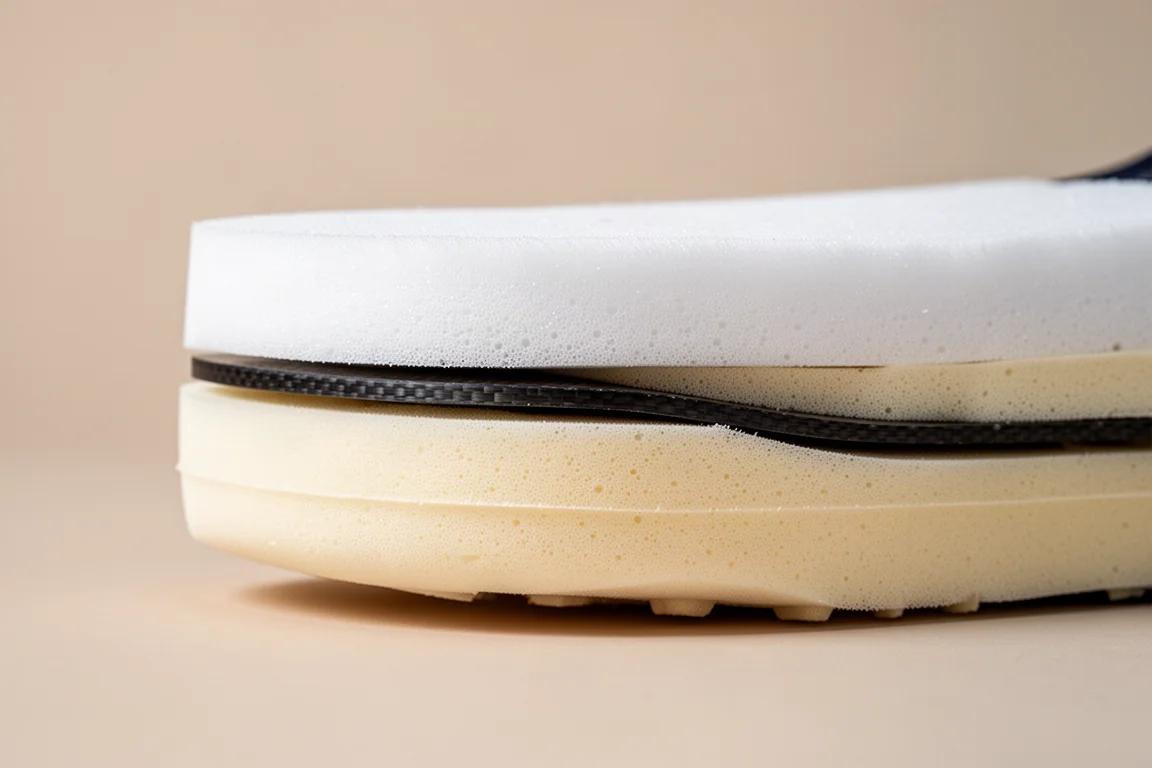
The bigger change is underfoot. The Sky Paris had a midsole made entirely of FF Turbo Plus foam. The Sky Tokyo keeps FF Turbo Plus as the top layer but adds FF Leap, the soft and springy foam introduced with the Metaspeed Ray, as the bottom layer. Stack height stays at 39.5 mm at the heel and 34.5 mm at the forefoot with a 5 mm drop, and the full-length carbon plate still sits high in the midsole so you can feel it working.
Weight is the headline win. The Sky Paris was already among the lightest racing shoes on the market, and the Sky Tokyo is even lighter than ASICS listed stats suggest: 169 g, or 6 oz, in a UK 9 (US 10). ASICS Grip rubber outsole coverage remains minimal, with key grip at the forefoot and a little at the heel and plenty of exposed foam, which can wear over extended use.
How It Ran: Two Workouts in One Day
Testing started with a double workout day: 10 x 1 km reps at 3:30 per km pace in the morning, then 20 x 400 m reps at 75 seconds each in the afternoon heat, roughly 22 to 24 km in the shoes across the day.
The immediate impression is lightness. Pulling the shoe on feels dramatically airy, and the ride delivers a big, booming bounce off the forefoot, with propulsion that feels even more pronounced than the Sky Paris because the plate sits closer to the toes. The added FF Leap layer clearly contributes the extra bounce.
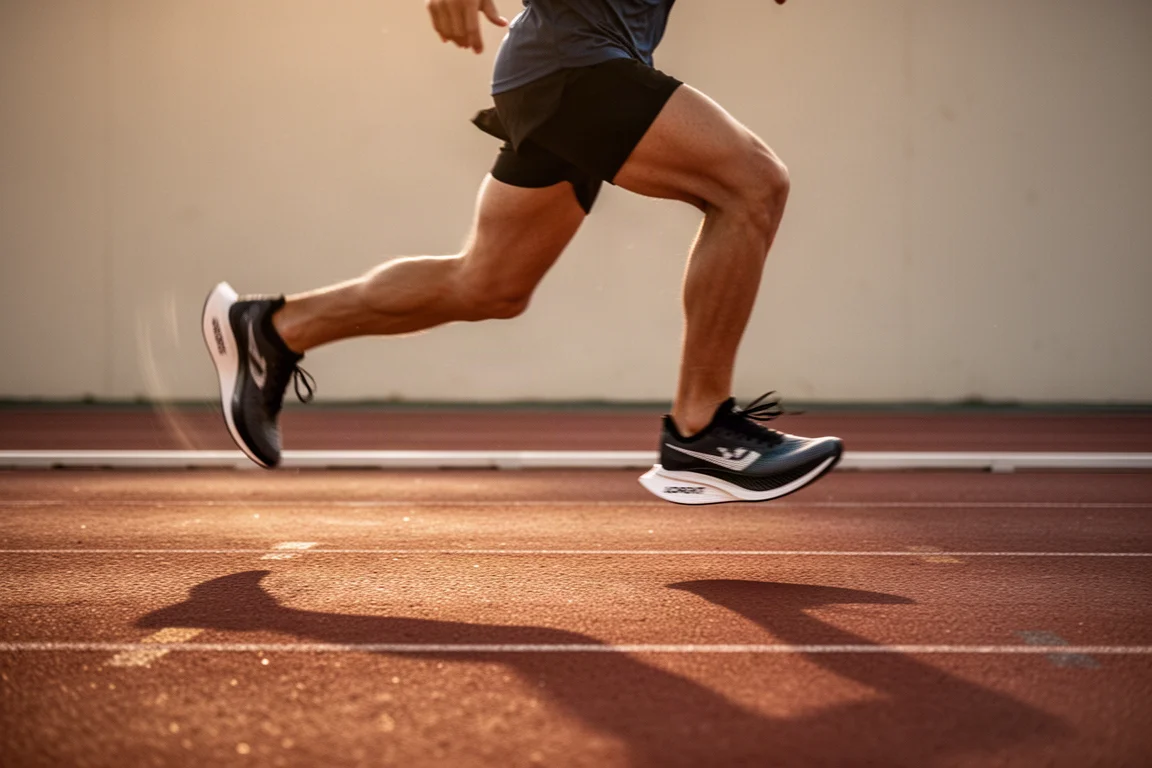
The trade-off is stability. The softer foam compresses more and the shoe feels slightly wobblier than its predecessor. Treated strictly as a racing shoe, this is not a real problem: across both workouts the shoe stayed sprightly through the early reps and remained propulsive when fatigue hit in the second half, helping hold pace consistently rep after rep.
Sky Tokyo vs Edge Tokyo: The Foam Difference
The Sky and Edge share the same family design philosophy, aimed at different runner types, but the Tokyo generation sets them apart in one clear way: the foam stack is reversed.
In the Sky Tokyo, FF Turbo Plus sits on top with FF Leap underneath. In the Edge Tokyo, FF Leap is on top and FF Turbo Plus sits on the bottom layer. The Edge Tokyo also places its carbon plate lower in the midsole, whereas the Sky Tokyo’s plate sits higher so you feel it more directly under your foot. In simple terms, the Sky is the punchier, more plate-forward racer of the two.
Where the Metaspeed Ray Fits In
The Metaspeed Ray is the softest, springiest and lightest racing shoe in the ASICS carbon plate range, and its entire midsole is made from FF Leap, the same foam that now forms only the bottom layer of the Sky Tokyo. That makes it the more cushioned, laid-back option of the three, while the Sky Tokyo layers FF Turbo Plus on top to sharpen the ride for race day.
Fit and Sizing
Fit in the Sky Tokyo is very similar to the Sky Paris in terms of length, and sticking to your normal running shoe size is the sensible default. Metaspeed shoes tend to fit closer around the toes than models like the Novablast or Superblast, so if the Superblast or Nimbus feels tight at the toes in your size, going half a size up in the Metaspeed is worth considering.
There is a little more space around the heel in the new design, and it does not feel tightly cinched. In practice this did not cause any rubbing or distraction, and no heel lock lacing was needed, but expect slightly more heel movement than in the Sky Paris.
Buying Advice: Should You Upgrade?
The Sky Tokyo feels like a genuinely strong incremental improvement rather than a night-and-day change. The geometry, setup and forefoot punch carry over from the Sky Paris, with more bounce, a lighter build, and slightly less stability.
If you already own a fresh pair of Metaspeed Sky Paris shoes, there is no urgent reason to rush out and buy the Tokyo version. If you are choosing between the two new, the Sky Tokyo looks like the better race shoe, and the Edge Tokyo and Ray offer more cushioned alternatives depending on how soft you like your ride. Anyone racing serious distances should also confirm sizing around the toe box before committing.
Conclusion
The Metaspeed Sky Tokyo refines a proven formula: lighter, bouncier, and just as race-focused as its celebrated predecessor, with the FF Leap layer adding bounce at the cost of a touch of stability. Paired with the foam-reversed Edge Tokyo and the all-FF Leap Ray, ASICS now covers a wider spread of racing preferences than ever, and the Sky Tokyo looks like the pick for runners chasing PBs.
Product link
View more details for ASICS Metaspeed Sky Tokyo
This product is mentioned in the review. Check the specifications, options, and compatibility before buying.
View more details for ASICS Metaspeed Sky TokyoFurther reading
Related Reviews

Running Shoes
Best Road-to-Trail Running Shoes: Three Versatile Options for Mixed Terrain
A practical guide to three road-to-trail running shoes that handle both pavement and mild trails, with clear strengths and trade-offs for different runner types.

Running Shoes
Best Running Shoes for Achilles Tendonitis: Three Options Explained
Three running shoes with different heel drops and support features designed to help reduce Achilles tendon pain during walking and running.

Running Shoes
Best Running Shoes for Women: Five Top Choices Ranked
A ranked guide to five women's running shoes, from versatile daily trainers to high-performance racing options, with real strengths and trade-offs for each.