Running Shoes
ASICS Metaspeed Sky Tokyo After 100 Miles: Still Fast, Still Cushioned
A 100-mile look at the Metaspeed Sky Tokyo, plus two alternatives worth considering: the Metaspeed Ray and the Nike Alphafly 3.
Introduction
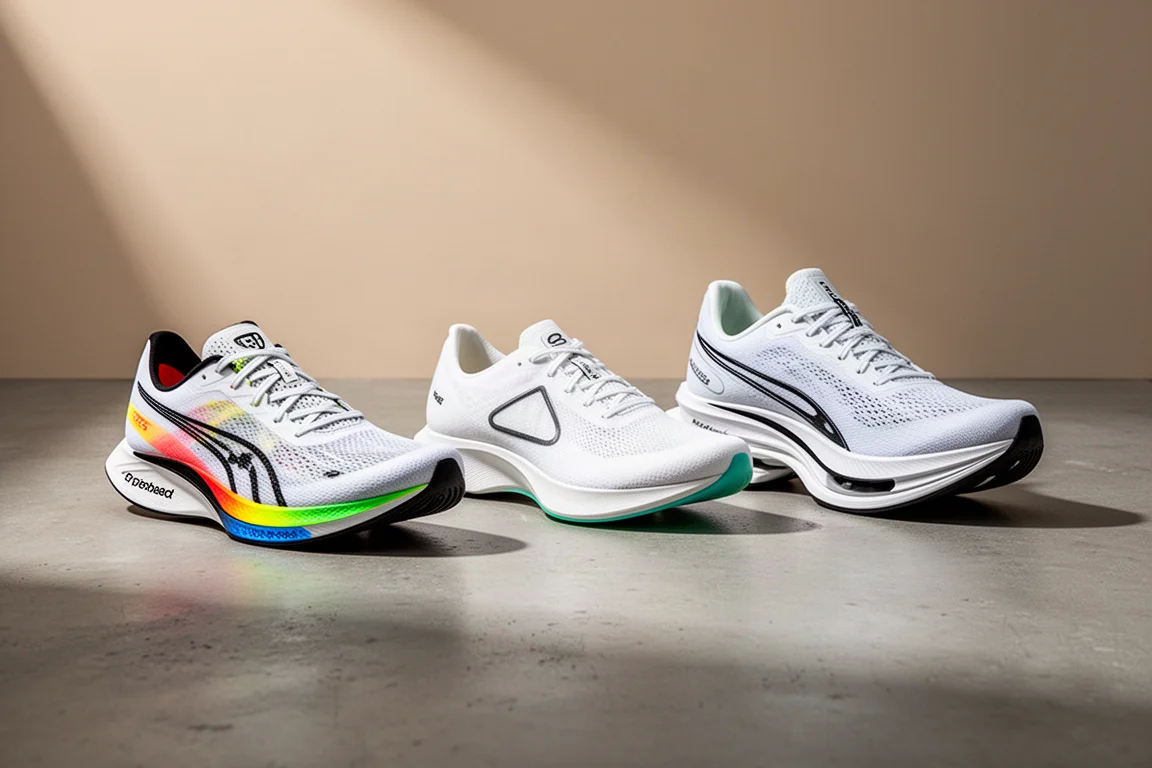
Five months and roughly 100 miles of running later, the ASICS Metaspeed Sky Tokyo has earned a proper long-term verdict. In that time it has covered threshold repeats, long runs with marathon-pace work, and a full marathon race, and it has come through with its balance of cushion and speed largely intact. This update covers how the shoe has been used, how it is holding up, and where it sits against two alternatives worth a look: the ASICS Metaspeed Ray and the Nike Alphafly 3.
How the Shoe Has Been Used
This is a shoe that has been reserved for fast running. Three main types of work have made up those miles: threshold sessions such as mile repeats and longer efforts, long runs, and marathon racing. Some long runs doubled as workouts with marathon-effort segments mixed in, which is a demanding test for any racing shoe.
The Metaspeed Sky Tokyo also carried a marathon start earlier this year and proved to be a great companion for that race. The appeal comes down to a combination of cushion and speed: it is aggressive enough to feel fast, but there is enough softness that it never feels like an old-school race flat. For a marathon shoe, that matters most in the closing miles, when everything hurts and the shoe still needs to feel good under a fatigued stride.
Foam, Ride, and Upper
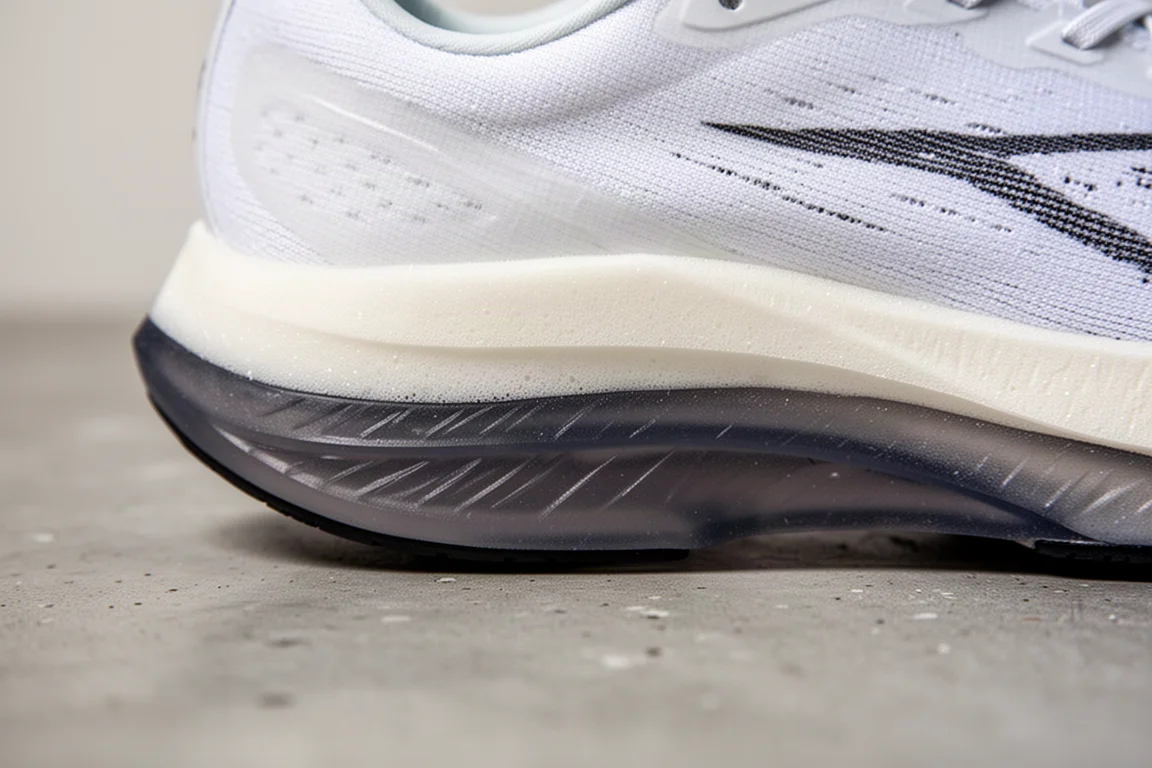
The midsole uses two different foams: a layer of FF Turbo Plus on top and a bottom layer of aliphatic TPU. Working together, they deliver the impact absorption and rebound that makes each step feel dynamic, with the foam compressing on landing and snapping back on push-off. That snapback is exactly what a marathon racer wants.
The lightness deserves its own mention. Light weight feels like the new frontier in marathon racing product, and this shoe manages to stay exciting to run in while keeping the weight extremely low. It feels great when running fast and it still feels great when running fatigued, which is rare and valuable.
The upper has been an evolution across the Metaspeed series over the years, and this Tokyo edition may be the most comfortable racing upper from the brand yet. It stays snug and locked in, which is essential in a marathon shoe, while remaining light and breathable.
Durability After 100 Miles
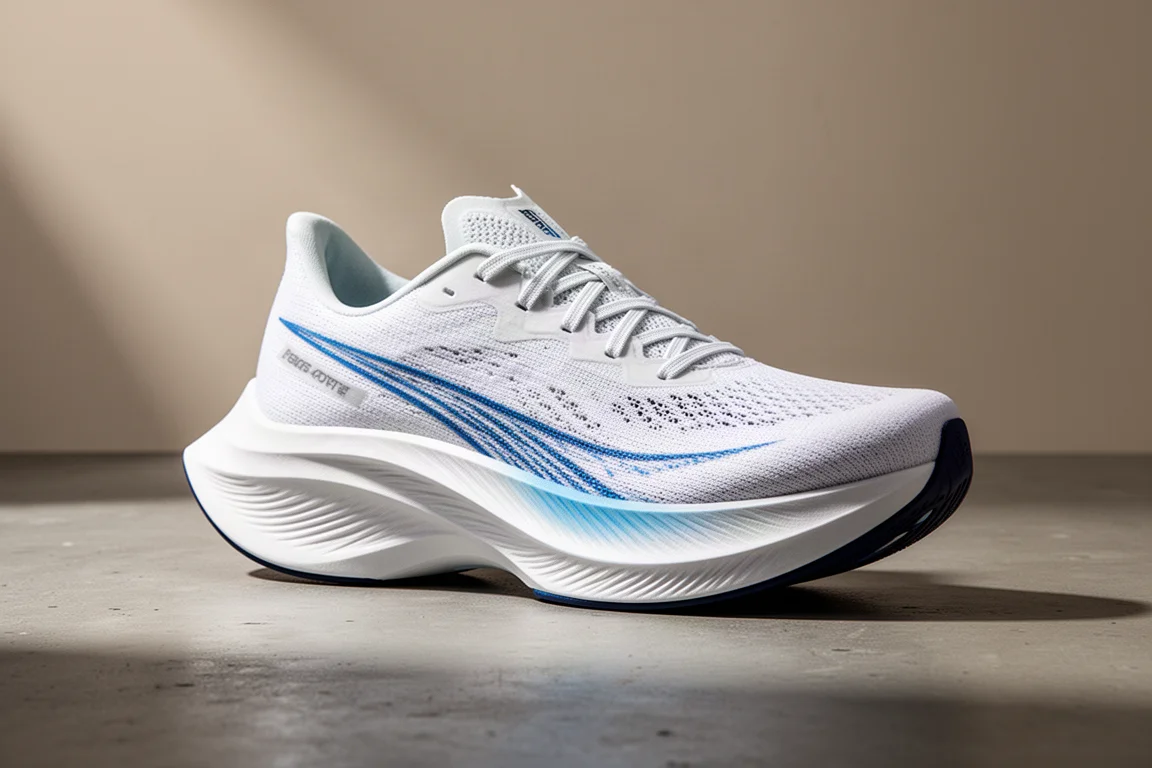
Creasing in the midsole is visible, but by now most runners know that creasing is not a sign of excessive wear. At 100 miles, the shoe still has plenty of cushion and bounce left, with workout and racing miles still ahead of it. Compared with the Metaspeed Sky Paris, which ran slightly soft and got mushier with age, the Tokyo edition keeps a steady balance of softness and bounce throughout its life so far.
Upper wear is minimal: the shoe still smells fresh despite heavy sweating, and the only visible issue is a slight curling at the heel collar edge beyond the seam, not actual fraying.
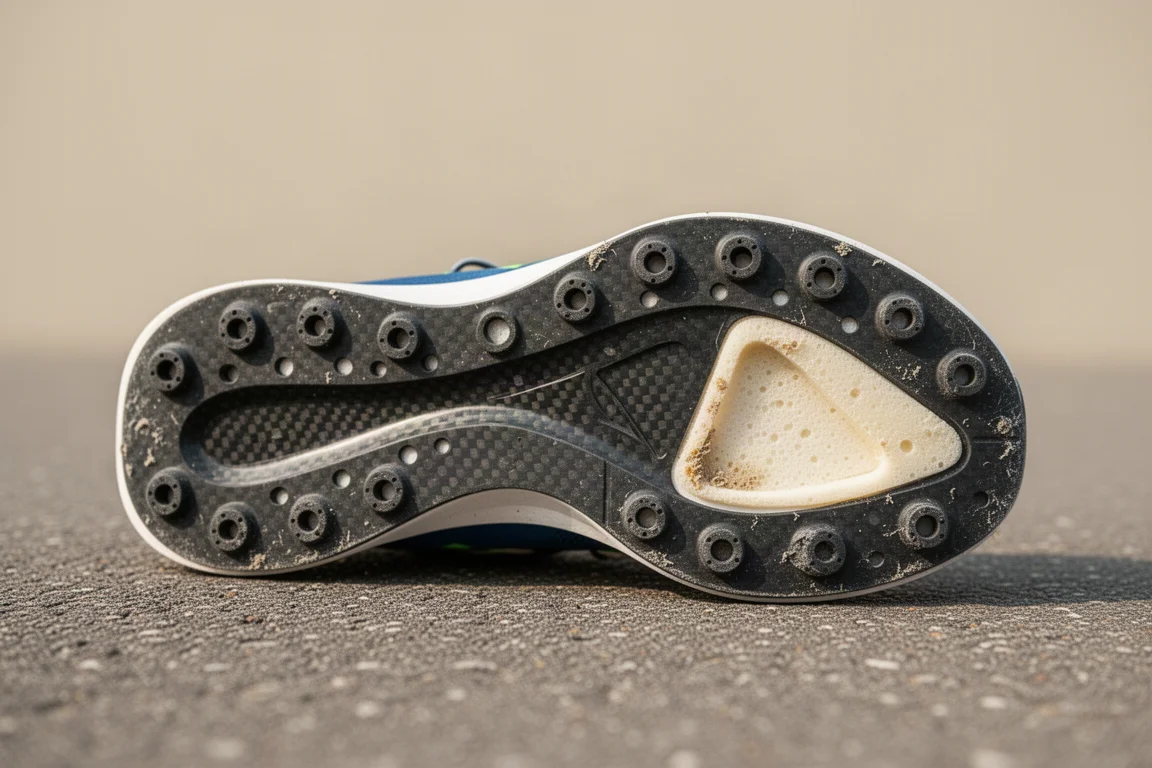
The outsole shows the most wear. The triangular cutout at the forefoot exposes foam directly to the road, and that section is shaving down as expected since the rubber was removed there to let the foam expand on landing. No large gouges or chunks have appeared, other exposed foam areas are only discolored, and the rubber outsole still has plenty of grip left. Expect roughly 150 miles of race-ready performance with another 100 miles of workout use after, which is right where modern racing shoe durability should sit.
Buying Guide: Who the Metaspeed Sky Tokyo Is For
The Metaspeed Sky Tokyo is a lightweight, fast, yet cushioned racing shoe that tends to work best for forefoot strikers. It is balanced enough that runners across a relatively wide range of paces can enjoy it, but it feels aggressive and is not the right pick for heel strikers or anyone wanting more stability in a racing shoe.
It currently retails for $270, which is reasonable for the category, though $20 more than last year’s version. Two alternatives deserve a look alongside it.
View more details for Asics Metaspeed Sky Tokyo
ASICS Metaspeed Ray
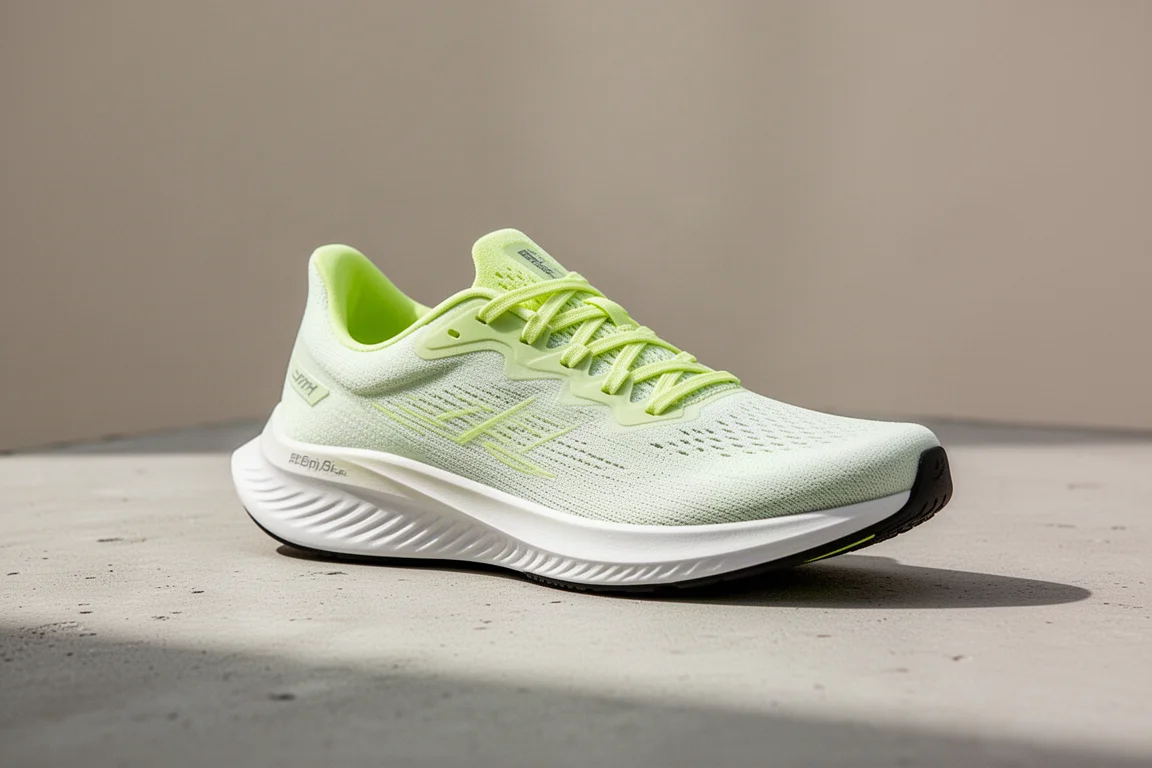
The Metaspeed Ray uses only the aliphatic TPU foam, a very dynamic version of it, with a teardrop-shaped plate in the forefoot keeping things from getting too unstable. It is even lighter than the Metaspeed Sky, with an upper stripped down even further.
The Ray feels softer and springier at the same time, almost everything the Metaspeed Sky does well taken to the max. It is noticeably less stable, and the geometry differs in the heel and toe spring, so it is not simply the same shoe in different materials. If you want something more unbridled than the Sky Tokyo, this is the one, but the rawness comes at $300.
Nike Alphafly 3
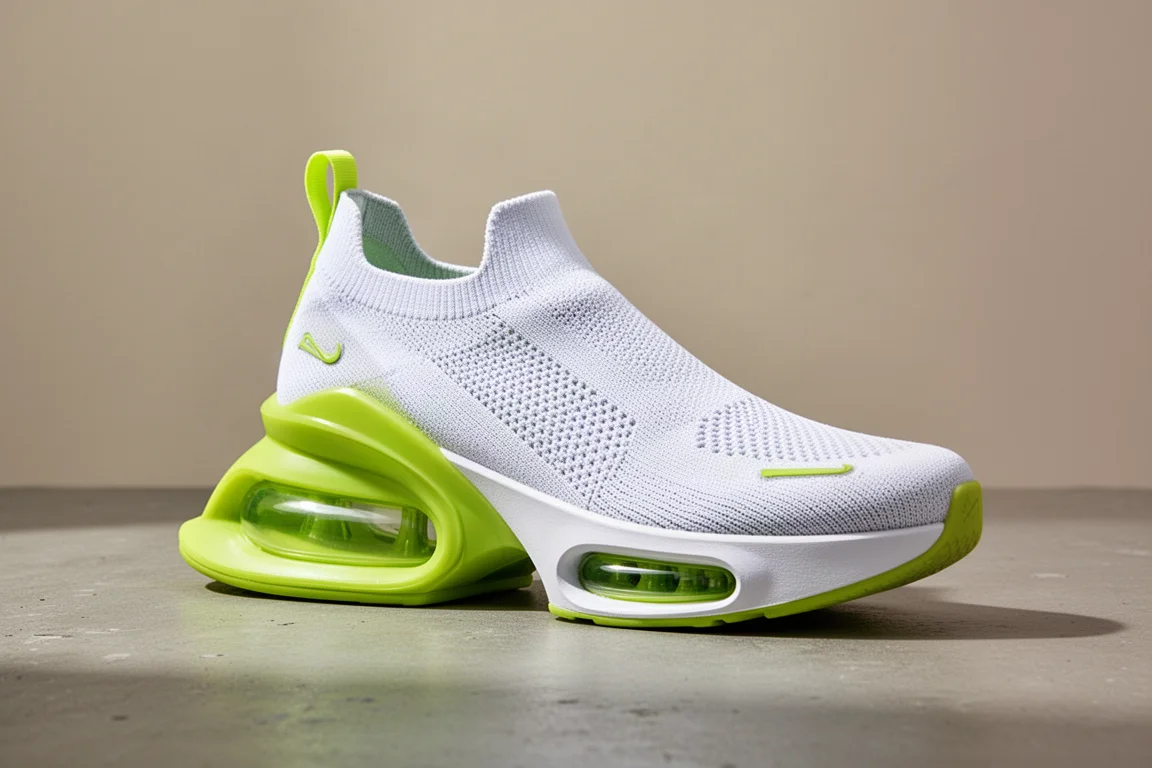
On paper the Alphafly 3 is very different: it is heavier, uses Pebax foam, and adds the large Zoom Air pods in the forefoot. Under the surface, though, the setups share a lot in common, particularly in plate position and geometry, where the Zoom Air pod height forces the carbon plate to start high and stay high, similar to the Metaspeed Sky Tokyo.
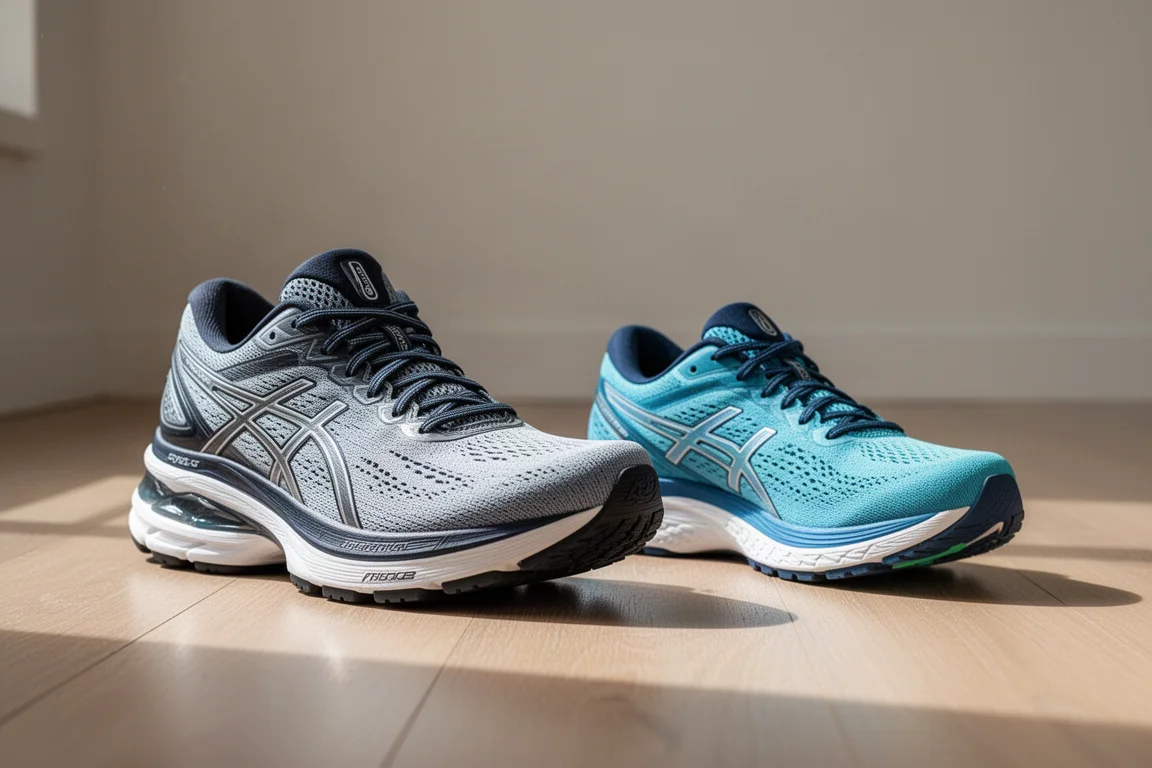
Both shoes also suit midfoot to forefoot strikers, thanks to the placement of the Zoom Air pods and the aggressive forefoot curl. The Sky Tokyo is the quieter, more agile shoe because it is smaller and lighter, while the Alphafly 3 delivers that run-all-day mechanical assist feeling many runners enjoy. At $295, it sits a step above in price.
Buying Advice
If you are a forefoot striker who wants one shoe for threshold work, long runs, and marathon racing, the Metaspeed Sky Tokyo at $270 is the balanced pick. Runners who want maximum softness and lightness and can tolerate less stability should look at the Metaspeed Ray at $300. Those who want a stronger mechanical-assist feel and do not mind the extra weight should consider the Alphafly 3 at $295. If you have been eyeing one of these two, the other is very likely worth a look as well.
Conclusion
After 100 miles, the Metaspeed Sky Tokyo holds up as one of the well-rounded marathon racers of its generation: light, cushioned, durable enough for the category, and comfortable enough to trust deep into a race. The Ray and the Alphafly 3 each trade something to go further in a different direction, so the best choice comes down to whether you value balance, rawness, or mechanical assist.
Further reading
Related Reviews

Running Shoes
Best Road-to-Trail Running Shoes: Three Versatile Options for Mixed Terrain
A practical guide to three road-to-trail running shoes that handle both pavement and mild trails, with clear strengths and trade-offs for different runner types.

Running Shoes
Best Running Shoes for Achilles Tendonitis: Three Options Explained
Three running shoes with different heel drops and support features designed to help reduce Achilles tendon pain during walking and running.

Running Shoes
Best Running Shoes for Women: Five Top Choices Ranked
A ranked guide to five women's running shoes, from versatile daily trainers to high-performance racing options, with real strengths and trade-offs for each.