Running Shoes
ASICS Metaspeed Sky+ vs Metaspeed Sky: More Than a Minor Update
The Sky+ keeps the same stack, foam, and drop as the original Sky, but changes to the plate, midsole shape, and upper make a real difference at threshold and marathon pace.
Introduction
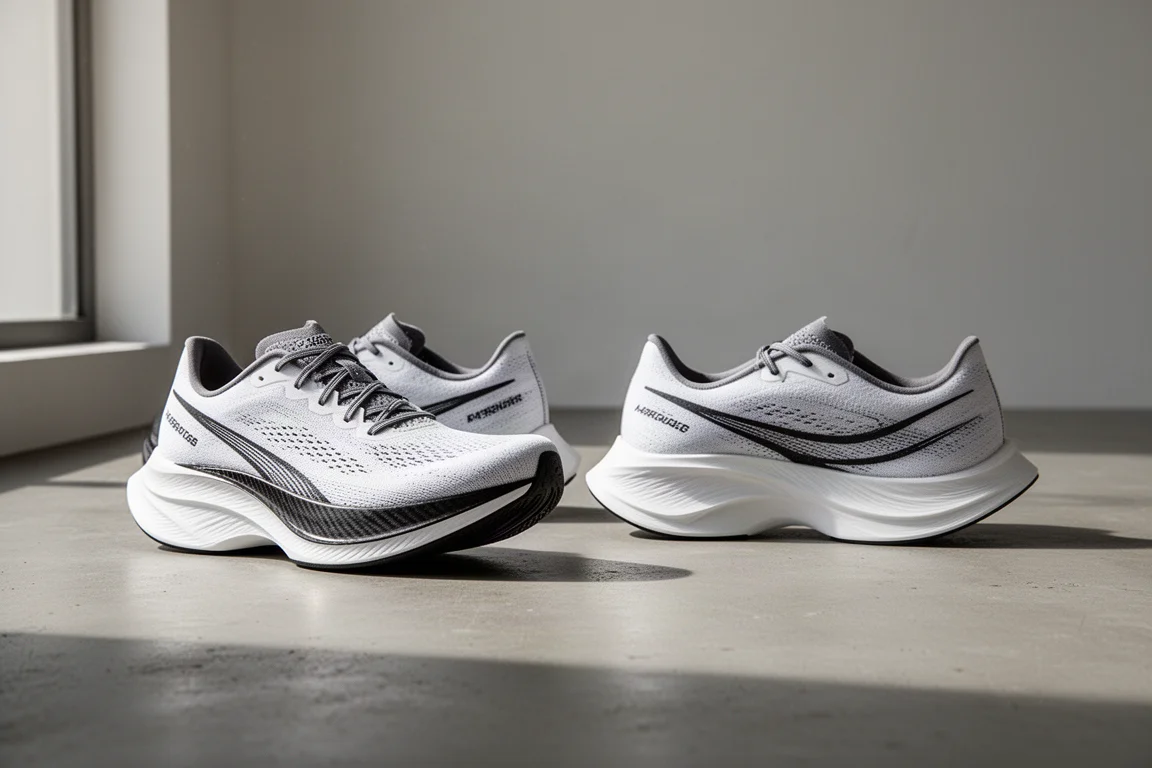
When a running shoe gets a ”+” instead of a “2”, it is fair to wonder how much has actually changed. With the ASICS Metaspeed Sky+, the honest answer is: more than the naming suggests. The design team at ASICS did not consider the updates substantial enough to call it a version two, but in practice this is a meaningful revision of an already excellent racing shoe.
The original Metaspeed Sky launched strong, and shoes that start that good rarely need a total overhaul. Still, the changes here are bigger than some other shoes received when they earned a full version bump, and they are worth understanding before you decide between the two.

Same Specs on Paper
On the spec sheet, the two shoes look almost identical. Both have a 39mm heel with a 5mm drop, giving 34mm of stack height in the forefoot. Both use FF Turbo, ASICS’ premiere racing foam and their lightest and most resilient compound, and both contain a carbon fiber plate.
That shared foundation is exactly why the differences that do exist stand out. Everything below the surface has been reworked in ways that change how the shoe lands, pushes off, and fits.
What Actually Changed
The most important change is the position of the carbon fiber plate. In the original Sky, the plate was angled downward with the familiar scoop shape. In the Sky+, the plate has been straightened out and moved up higher, so when your foot hits the ground you get more foam to work with and push off against.
The Sky+ also carries four percent more foam overall, despite the identical stack height. That extra foam goes into a reshaped forefoot: the rocker is less dramatic, so the shoe stays flat for longer before curling up more aggressively toward the toe. The result is a rounder, wider platform to land on under the forefoot.
The upper is another clear step forward. The original Sky’s material was on the scratchy side; the Sky+ uses a thinner, softer material that feels much more like other modern marathon racing shoes. The tongue keeps a similar shape but is softer, thinner, and floppier, so you may need to arrange it slightly when putting the shoe on, though it stays put once you are running.
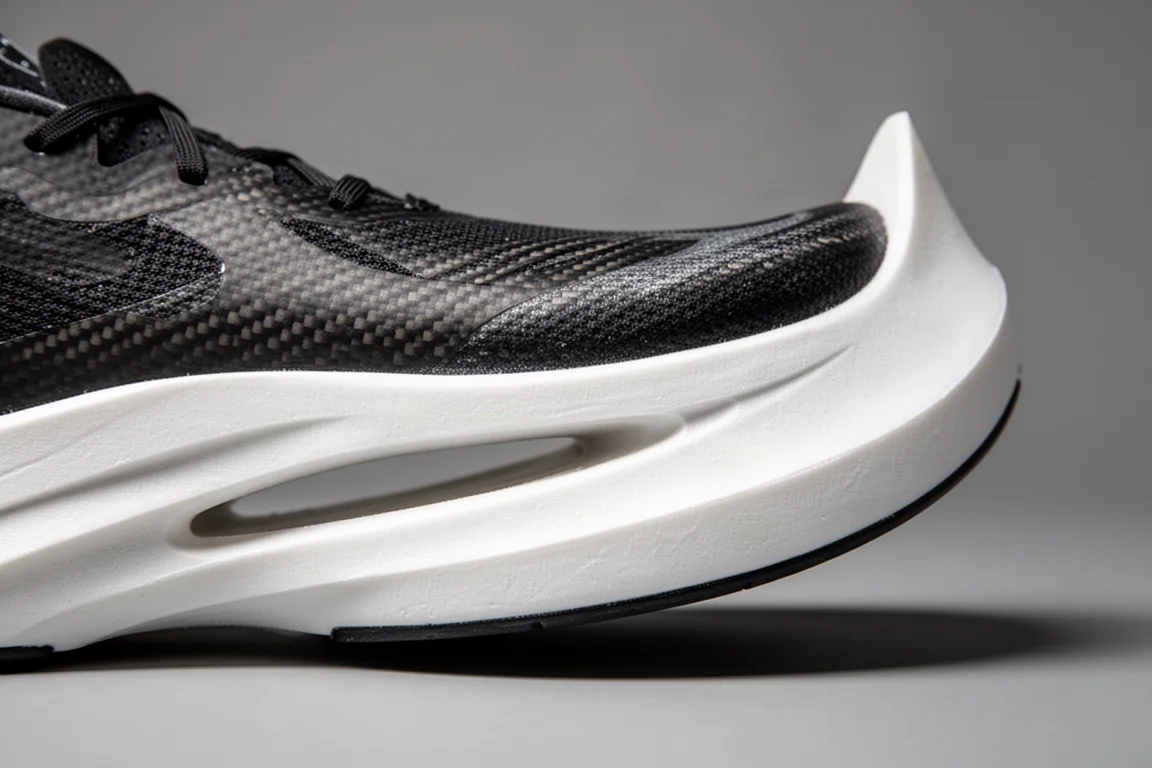
The heel cup gains a touch more structure and sticks out slightly further at the back, with a slightly more rigid internal support. Outsole rubber has been scooped out in places compared to the original, and the perforations in the rubber are now larger ovals rather than circles. A channel running through the exposed midsole foam also extends deeper into the midfoot, all the way through the arch, which the original could not accommodate because its earlier toe spring left no room.
All of that extra foam shows up on the scale: the Sky+ comes in slightly heavier at 205 grams, or 7.2 ounces.
How They Feel on the Run
Running the same threshold workout back to back in both shoes, the extra foam in the Sky+ is immediately noticeable. It feels like landing on a much wider target, with more cushion underfoot, and the shoe feels both softer and more stable. The wider footprint stays with you longer because the toe spring does not kick in as early, so the effective landing zone is much bigger.
The original Sky has a narrower band to land on before the shoe curls up into its toe spring. That aggressive rocker promotes quicker, snappier turnover, but it can push you toward a midfoot strike rather than where your stride naturally wants to land at threshold and marathon pace. There also seems to be less apparent foam under the midfoot in the original, because the later toe spring of the Sky+ leaves more cushion directly under the landing and push-off zone.
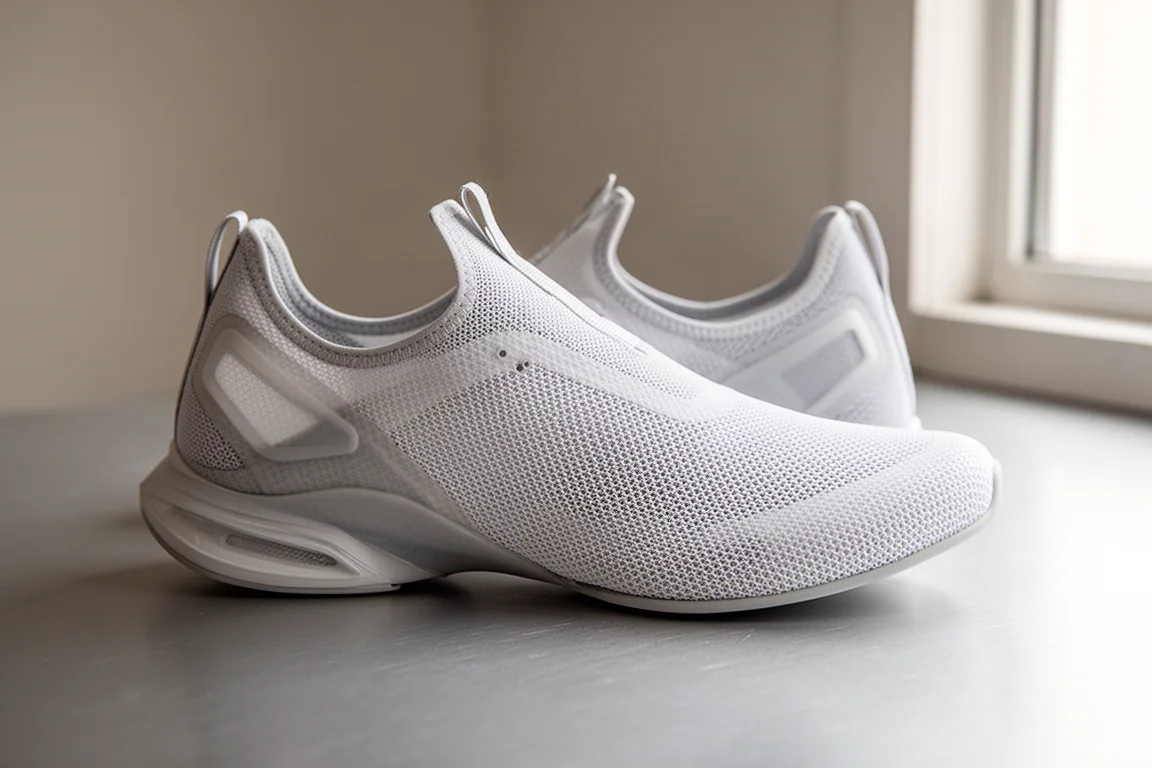
The Sky+ feels springier on push-off, and while the added softness and stability may cost a little top-end speed, it is clearly still a fast shoe. As for fit, there is slightly more volume in the Sky+, though runners hoping for a complete fix to forefoot toe-crunch issues may find the improvement modest. The pinky toe problem common to most super shoes is only marginally improved here.
Which One Should You Buy
If you already own and love the original Sky, nothing here is broken, and that shoe remains a strong racing option. But if you are choosing fresh, the Sky+ is the better all-around pick for marathon racing and threshold workouts: a wider landing zone, more foam to push off, a softer and more comfortable upper, and a slightly more forgiving ride that still turns over quickly.
The naming debate is mostly semantics. ASICS felt the changes were not enough for a “2”, but this update goes beyond what some brands have called version twos. Whatever you call it, the Sky+ refines a already-strong formula rather than replacing it, which is exactly what a shoe this good needed.

Conclusion
The Metaspeed Sky+ keeps the stack, foam, and drop of the original while improving the plate position, midsole shape, outsole, and upper in ways you can genuinely feel on the road. For runners focused on marathon pace and threshold work, the Sky+ is the smarter buy, while the original Sky remains a capable option if you find it at a good price. Either way, you are getting one of the stronger carbon racing platforms available.
Product link
View more details for Asics Metaspeed Sky Plus
This product is mentioned in the review. Check the specifications, options, and compatibility before buying.
View more details for Asics Metaspeed Sky PlusFurther reading
Related Reviews

Running Shoes
Best Road-to-Trail Running Shoes: Three Versatile Options for Mixed Terrain
A practical guide to three road-to-trail running shoes that handle both pavement and mild trails, with clear strengths and trade-offs for different runner types.

Running Shoes
Best Running Shoes for Achilles Tendonitis: Three Options Explained
Three running shoes with different heel drops and support features designed to help reduce Achilles tendon pain during walking and running.

Running Shoes
Best Running Shoes for Women: Five Top Choices Ranked
A ranked guide to five women's running shoes, from versatile daily trainers to high-performance racing options, with real strengths and trade-offs for each.