Running Shoes
ASICS Metaspeed Sky Plus vs Sky Paris: Which Super Shoe Suits You?
Both ASICS Metaspeed Sky models cost the same, but they run very differently. A practical comparison of weight, ride, stability, and fit to help you choose.
Introduction
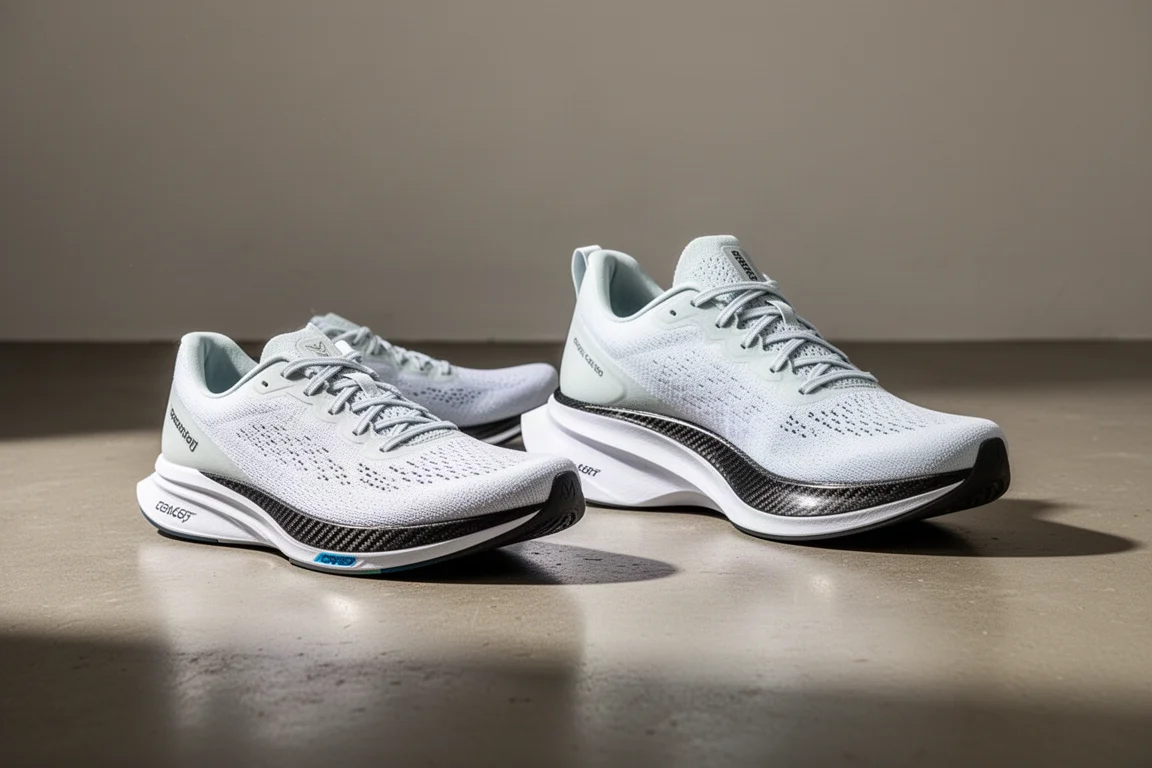
ASICS rarely discounts its previous-generation super shoes, so both the Metaspeed Sky Plus and the Metaspeed Sky Paris sit at the same $250 price point. That makes the choice harder, because these two shoes could not be more different in how they run. This comparison breaks down the differences in weight, ride, stability, and fit so you can decide which one matches your stride before spending serious money.
Both shoes come in unisex sizing, and both are built around the same core platform. Yet the moment you put them on, the contrast is obvious. One feels like a traditional super shoe with a lively, even ride. The other feels like a specialist tool for a very specific type of runner.
Weight and Stack: Where They Start to Differ
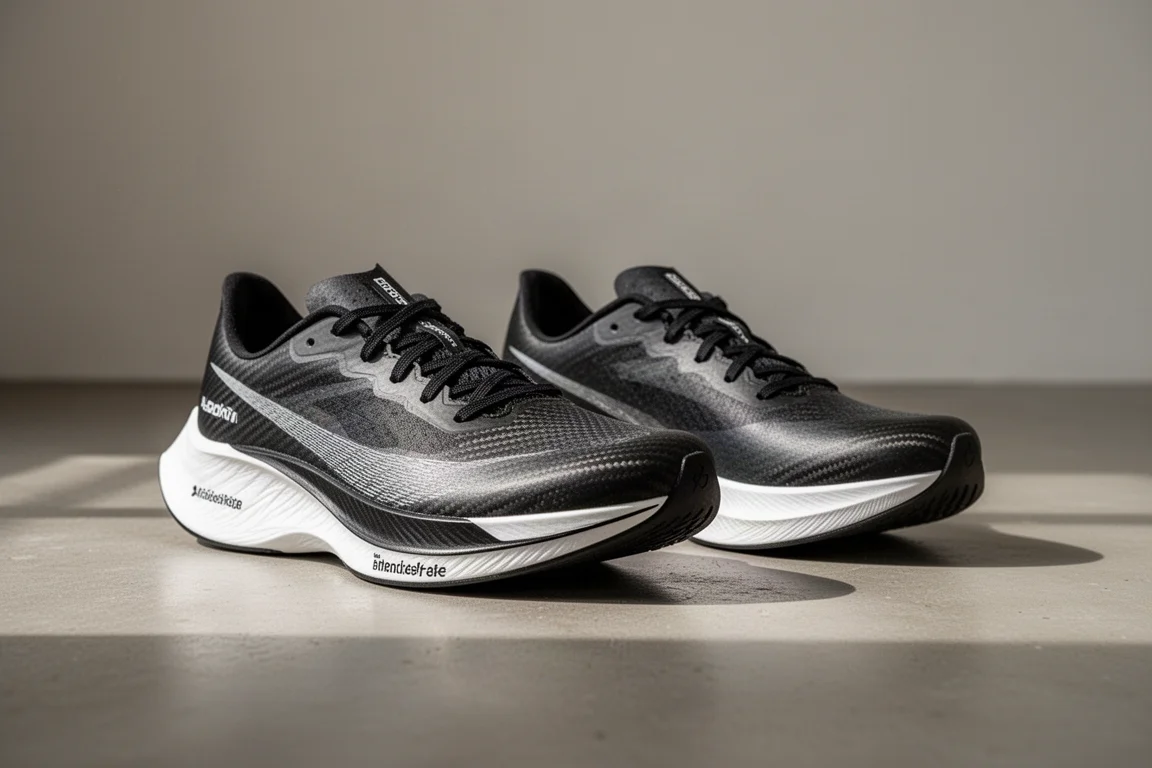
At a men’s size 9 (women’s size 10.5), the Sky Plus comes in at 7.2 oz (205 g), while the Sky Paris is 6.4 oz (183 g). That makes the Sky Paris one of the lightest super shoes widely available on the market, and you feel that difference from the first steps.
On paper the stack is identical: 39 mm at the heel, 34 mm at the forefoot, with the standard 5 mm drop. In practice, it does not feel that way. The Sky Paris feels like a slightly lower-drop shoe with a genuinely even ride. The Sky Plus feels closer to a negative-drop shoe, as if you are constantly climbing out of the forefoot. That impression holds up while standing in them and while running.
Ride and Foam Feel
The foams behave very differently between the two. In the Sky Paris, the midsole bounces no matter where you land, and the whole shoe feels like a proper super shoe from touchdown to toe-off. In the Sky Plus, the FF Turbo foam does not bounce as much, and unless you really smash into the ground, it can feel like the shoe is not giving much back.

This matters most for heel strikers. Landing on the rearfoot in the Sky Plus exaggerates that negative-drop sensation, and the transition out of the heel is not smooth. Outside of shorter, faster workouts, the Sky Plus can be hard to enjoy. For strong forefoot strikers who barely touch the heel, though, it can feel excellent.
The Sky Paris works best for runners who lengthen their stride as they accelerate, particularly those who toe off powerfully behind them. In fast, shorter intervals, the Sky Paris clearly shines. It also handles heel landings far better, still delivering that super-foam bounce wherever you strike.
Stability: Subtle but Real Differences
Both shoes are neutral in the traditional sense, with no classic stability elements. The behavior under load, however, is not the same. When you land in the heel, the Sky Plus pitches you medially because of a lot more sole flare on the outside. Up front, it has fairly good sidewalls on both sides, so runners who need mild forefoot guidance and want a lower-feeling ride may actually get on well with it.
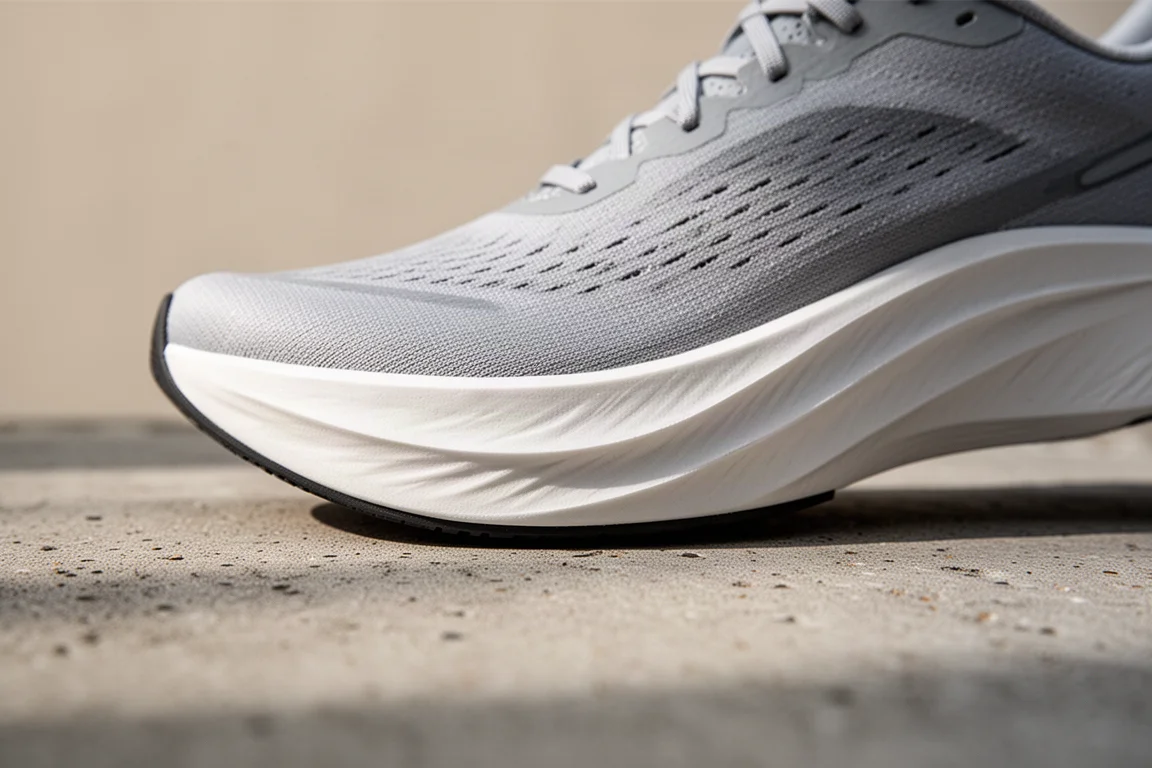
The Sky Paris is the opposite: largely unobtrusive. There are small sidewalls and a higher arch in the midfoot, plus some sole flare in the forefoot that makes things feel natural, but the heel does not feel biased in any direction. If you do not want a shoe pushing you one way, the Sky Paris is the safer pick. If you want some forefoot centeredness, the Sky Plus may serve you better.
Fit and Upper
The uppers are both on the lighter side, and the heel counters feel almost identical, with the Sky Paris maybe a touch lighter. The real difference is volume. The Sky Plus sits a bit lower and feels just right for a racing shoe, if anything slightly snug. The Sky Paris has noticeably more volume, so runners with slightly wider feet will get away with it more easily.
Securing either shoe is no problem. Laces stay locked down and there is no heel slippage in either model, so fit comes down purely to volume preference.
Durability After 40 Miles
Both pairs have covered around 40 miles and are holding up as well as you would expect from a super shoe, even under heavy use. Durability is not a differentiator between the two; the choice should come down to ride, fit, and how you strike the ground.
Which One Should You Buy?
If you want a true super shoe feel with an even, bouncy ride that works no matter where you land, the Sky Paris is the better option and feels like the genuine successor to the Sky Tokyo. It is the pick for forefoot-driven runners who toe off hard and for heel strikers who still want bounce on every landing.
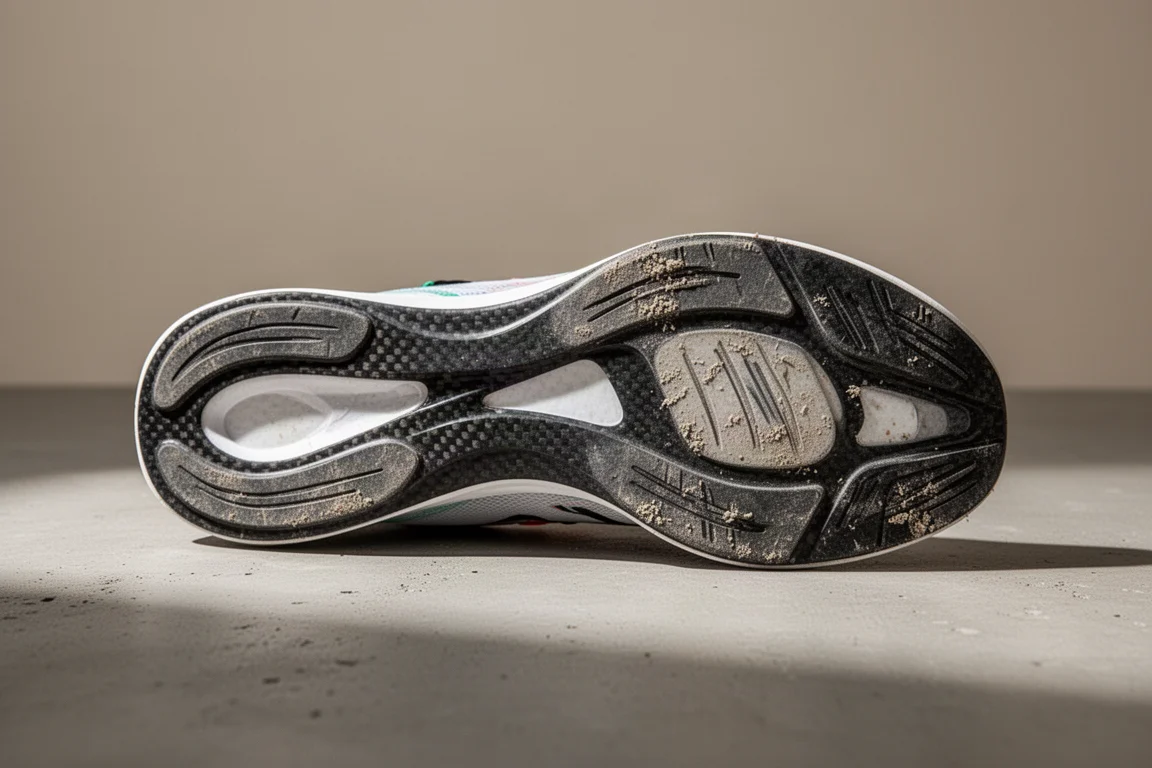
If you are a committed forefoot striker, want a shoe that feels lower than its stated drop, and would appreciate a bit of forefoot guidance, the Sky Plus can work well, particularly for shorter, faster sessions. Just be aware that its quieter foam and odd underfoot feel will not suit everyone, especially heel strikers.
Conclusion
Both shoes are great options for the right runner, but they are far from interchangeable. The Sky Paris is the more universally rewarding super shoe with better bounce and a smoother transition, while the Sky Plus rewards a very specific forefoot-dominant stride. Match the shoe to your stride and fit needs, and either one can earn its place on race day.
Product link
View more details for Asics Metaspeed Sky Plus
This product is mentioned in the review. Check the specifications, options, and compatibility before buying.
View more details for Asics Metaspeed Sky PlusFurther reading
Related Reviews

Running Shoes
Best Road-to-Trail Running Shoes: Three Versatile Options for Mixed Terrain
A practical guide to three road-to-trail running shoes that handle both pavement and mild trails, with clear strengths and trade-offs for different runner types.

Running Shoes
Best Running Shoes for Achilles Tendonitis: Three Options Explained
Three running shoes with different heel drops and support features designed to help reduce Achilles tendon pain during walking and running.

Running Shoes
Best Running Shoes for Women: Five Top Choices Ranked
A ranked guide to five women's running shoes, from versatile daily trainers to high-performance racing options, with real strengths and trade-offs for each.