Running Shoes
Asics MetaSpeed Sky+ vs Nike Vaporfly Next% 2: Which Race Day Shoe Wins?
Two top-tier carbon racing shoes go head to head on price, weight, ride feel, fit and durability to help you pick the right one for your next PB attempt.
Introduction
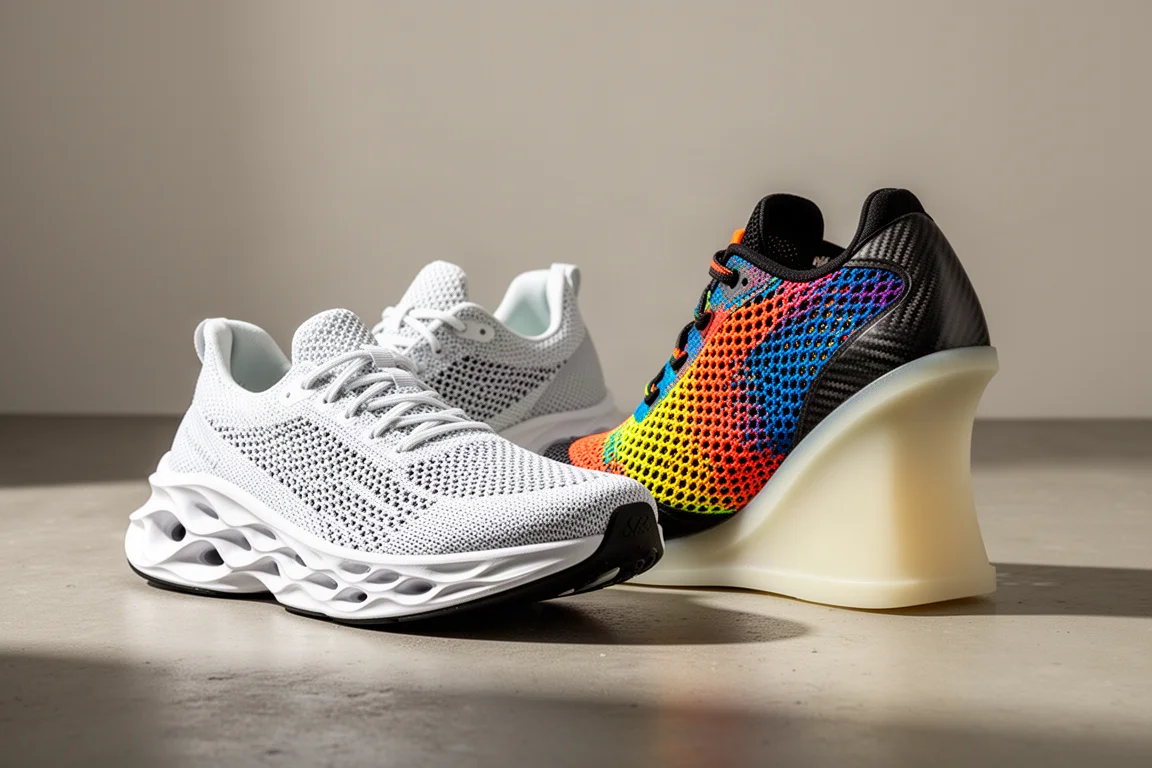
The Asics MetaSpeed Sky+ and the Nike Vaporfly Next% 2 are two of the most popular carbon plate racing shoes on start lines right now, and for good reason. Both are lightweight, versatile across distances, and genuinely fast. After extensive testing in everything from all-out 5Ks to full marathons, this comparison breaks down where each shoe excels, where it falls short, and which runner each one suits best.
Key Specs at a Glance
The MetaSpeed Sky+ costs £225 in the UK or $250 in the US, slightly more than the Vaporfly, which has some colorways available for around £210 or $225, though many versions sit at a very similar £225 or $240. Weight is nearly identical: 209g (7.4 oz) in UK size 9 for the Asics versus 206g (7.3 oz) for the Nike.
The drop is where they diverge. The Vaporfly uses an 8mm drop, while the Sky+ sits at 5mm. Both stack heights push right up against the 40mm limit, with the Vaporfly thought to sit slightly below it, though no official figures exist.
Asics MetaSpeed Sky+: Bouncy, Purposeful, Demanding
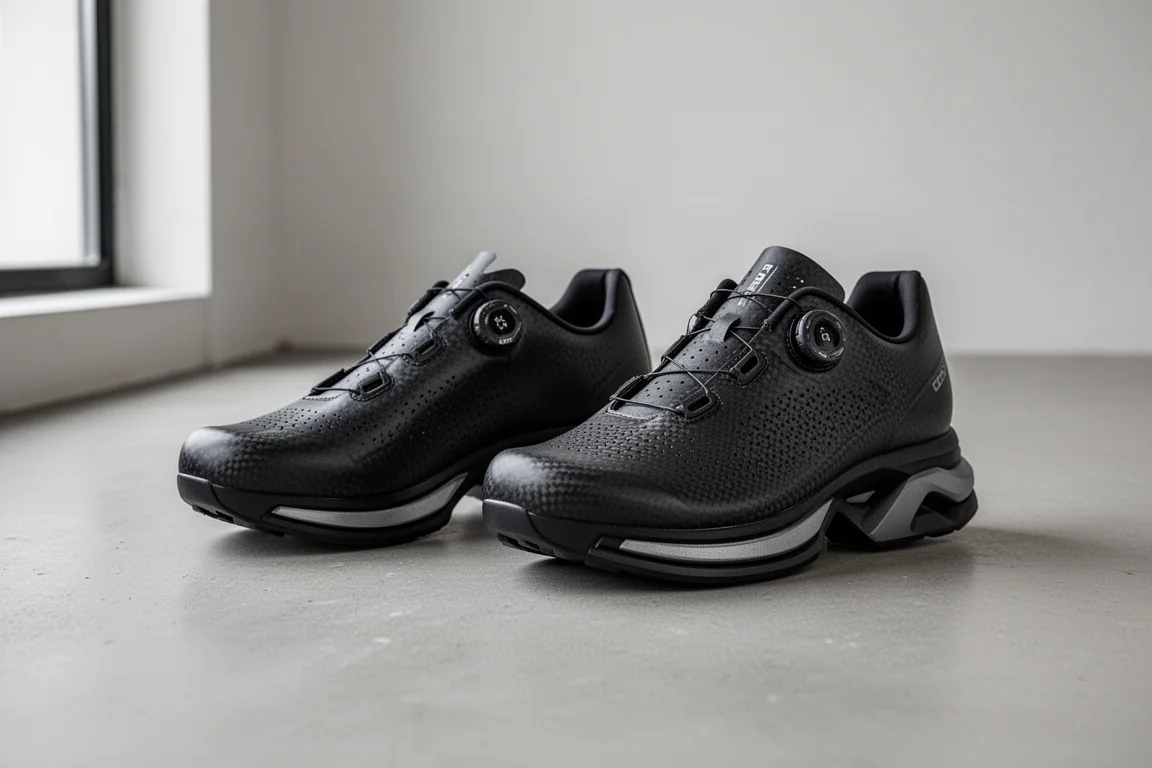
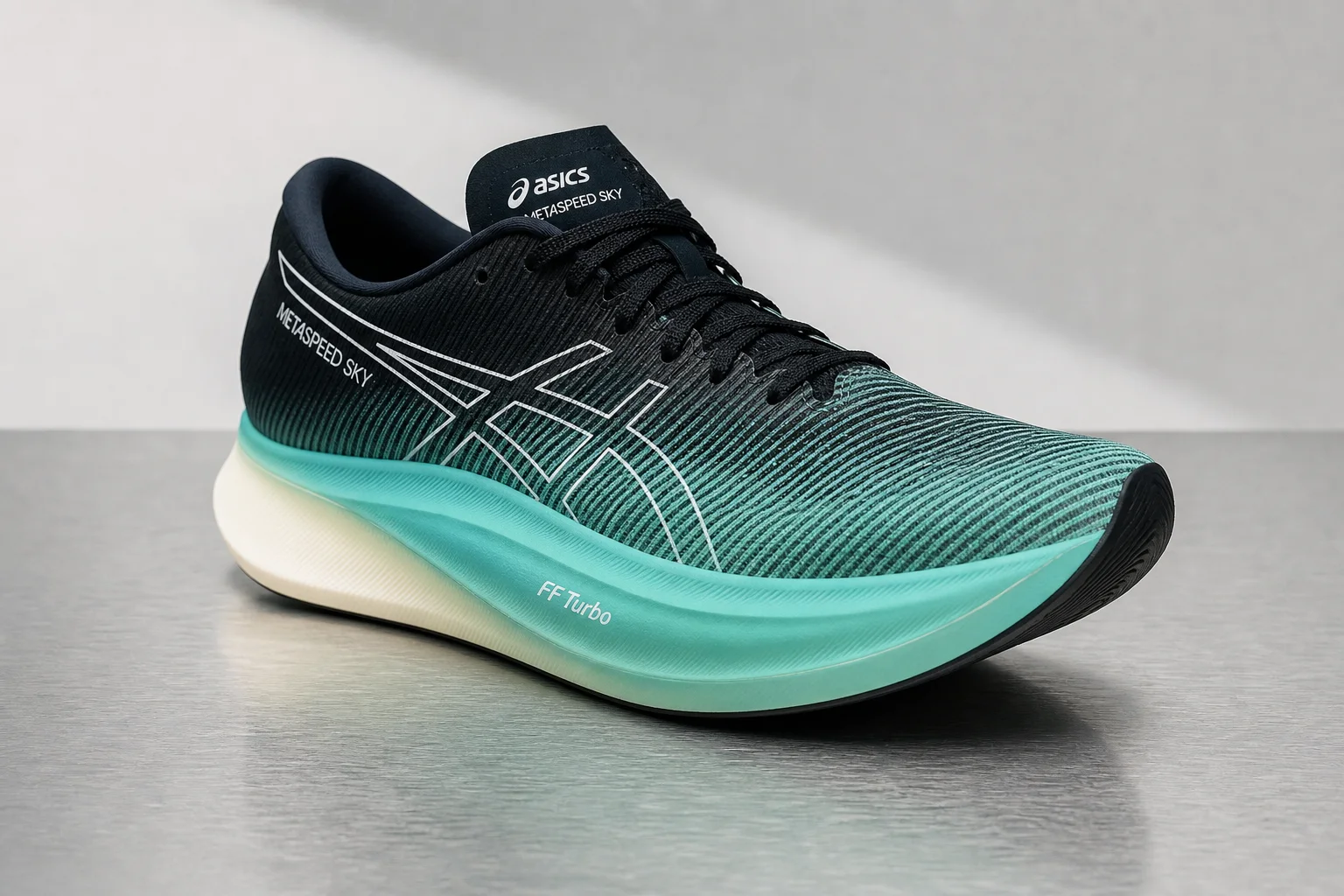
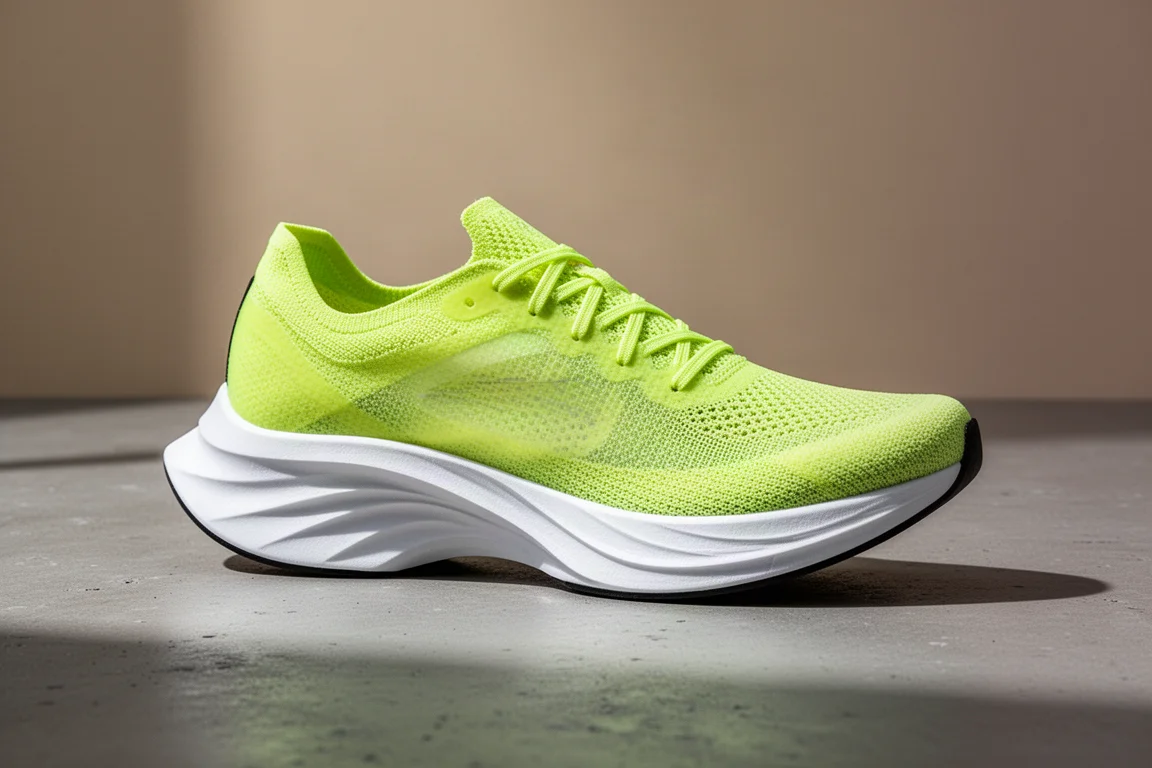
The Sky+ features a lightweight woven Motion Wrap upper, reworked lacing for better lockdown, and a new last designed to improve toe spring and toe box fit, addressing complaints about the original version. The midsole carries more FF Blast Turbo foam than before, packed especially into the forefoot, with the full-length carbon plate positioned closer to the top of the foam to deliver big propulsion for bounding-stride runners.
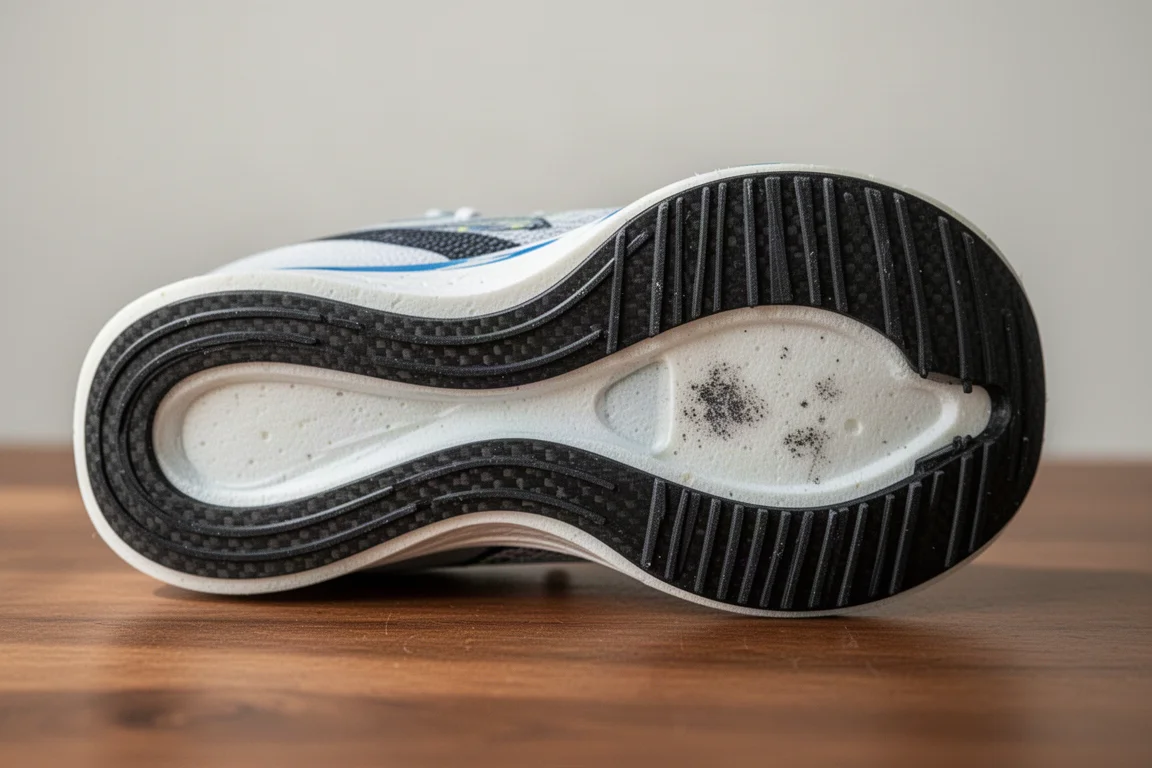
The outsole offers generous forefoot coverage for toe-off, but only two short rubber strips at the rear leave the heel foam exposed. The heel collar cushioning is generous and holds the foot securely, giving a slightly more traditional, secure feel on the foot. It runs true to size.
On the run, this shoe rewards purposeful running. When you lean forward and drive with intent, it delivers a huge amount of bounce and a lovely ride. Relax the effort, though, and some of that benefit fades. The 5mm drop can also bring mild calf niggles with heavy use, though for racing and occasional training sessions this should not be a major issue.
Nike Vaporfly Next% 2: Aggressive and Efficient
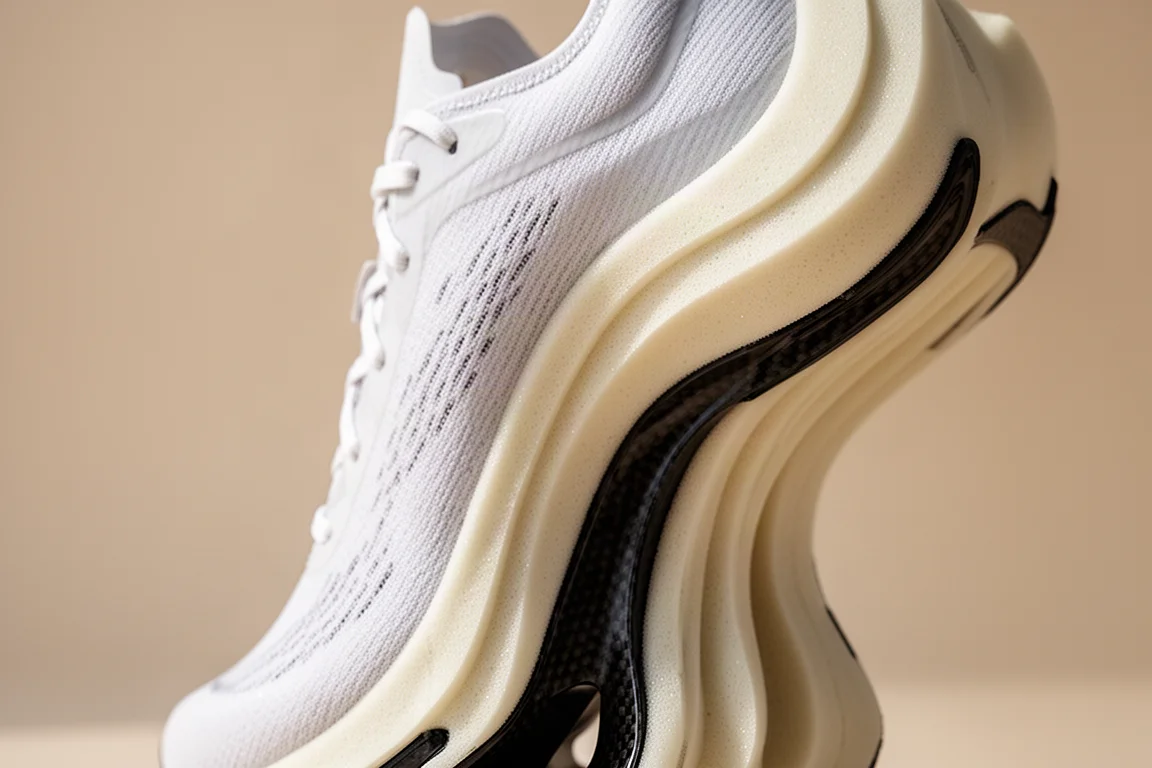
The Vaporfly Next% 2 uses a breathable engineered mesh upper that looks almost knit-like, with light reinforcement around the toes, the line’s familiar offset lacing, minimal tongue padding, and a strip of foam at the rear to protect the Achilles and heel. Underfoot you get the full ZoomX midsole, the PEBA foam that set the standard for modern super shoes, plus a full-length carbon plate with a deep scoop to keep you moving forward. Its rear rubber strips extend slightly further back than the Asics, which helps limit wear on exposed heel foam.
It also runs true to size, though it fits slightly narrower, so wider feet should take note. Some runners report early heel rub that a heel-lock lacing technique resolves. Once fitted properly, it is light, nimble and racy from the first stride, tilting you onto your forefoot and almost forcing good form. That makes it feel effortless to hold pace, especially deep into a race when you start to flag, though it offers less protection if your form falls apart late on.

Fit and Comfort Compared
Both shoes run true to size with good toe box room and midfoot hold. The Sky+ has a denser, firmer-wrapping upper with more heel cushioning, which makes it feel like the more versatile shoe for some training use as well. The Vaporfly feels lighter on the foot with a bit more wiggle room up front, but it is narrower and needs a little more attention to lacing for a secure heel fit.
Real-World Racing Results
Both shoes have delivered personal bests. The Vaporfly carried a 5K PB of 15:30 and a half marathon PB that stood until the Sky+ knocked two seconds off it at a flatter, friendlier downhill course. In a marathon test where the shoes were swapped every six miles, the Vaporfly’s lightness and form-forcing ride felt like a genuine treat when swapping over onto fresh-ish legs, while the Sky+ offered more protection on tired legs when form started to slip.
Durability and Long-Term Wear
Heel strikers should take note: the Sky+‘s exposed heel foam can scuff noticeably, with visible wear after just 50K, while the Vaporfly holds up better in the same area despite more miles. The saving grace is that the scuffing looks worse than it is. Even a heavily abraded original MetaSpeed Sky showed no performance drop over 150K, so it is mostly a cosmetic concern rather than a functional one.
Which One Should You Buy?
If you are well trained and confident you can hold race pace in good form, the Vaporfly Next% 2 is the pick: it is slightly cheaper, often on sale, more durable at the heel, and its aggressive ride helps you hold fast pace when fatigue sets in. If you are rolling the dice a little and want a safety net for when things go wrong deep into a race, the MetaSpeed Sky+ offers more protection and a bit more versatility for training use.
Bounding, striding runners may extract even more from the Sky+‘s high-placed plate, and it remains a fantastic shoe for many runner types despite the stride-versus-cadence marketing. But if you already own a Vaporfly as your top racing shoe, there is little reason to switch. If you can find the original MetaSpeed Sky cheaper, it is similar enough that the older version is worth considering too.
Conclusion
This is a very close battle between two excellent race shoes, and you could genuinely run a PB in either. For most runners chasing times from 5K to the marathon, the Vaporfly Next% 2 still edges it on efficiency, price and durability. But for runners who want a flatter, more forgiving platform with a little more protection when the race gets hard, the MetaSpeed Sky+ earns its place on the start line.
Further reading
Related Reviews

Running Shoes
Best Road-to-Trail Running Shoes: Three Versatile Options for Mixed Terrain
A practical guide to three road-to-trail running shoes that handle both pavement and mild trails, with clear strengths and trade-offs for different runner types.

Running Shoes
Best Running Shoes for Achilles Tendonitis: Three Options Explained
Three running shoes with different heel drops and support features designed to help reduce Achilles tendon pain during walking and running.

Running Shoes
Best Running Shoes for Women: Five Top Choices Ranked
A ranked guide to five women's running shoes, from versatile daily trainers to high-performance racing options, with real strengths and trade-offs for each.