Running Shoes
Asics MetaSpeed Sky+ vs MetaSpeed Edge+: Which Racing Shoe Fits Your Stride?
Asics splits its latest super shoe line in two: the Sky+ for stride runners and the Edge+ for cadence runners. Here is how they differ and who each one suits.
Introduction
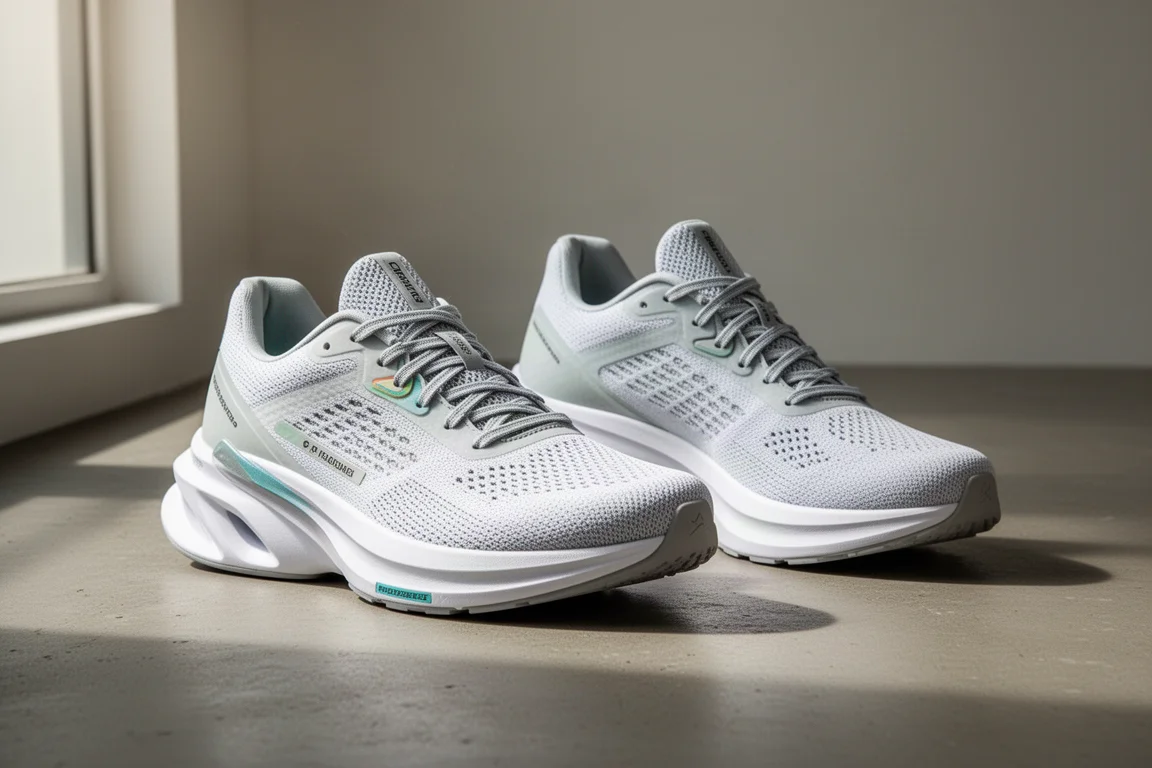
Asics has updated its MetaSpeed racing line, and for the first time the update arrives as a pair: the MetaSpeed Sky+ and the MetaSpeed Edge+. Both build on the original Sky, but Asics has deliberately split the line based on running style rather than just refreshing one shoe.
We took the Sky+ out for a fast 10k on a coastal road to get a first feel for what has changed, how it compares with the original, and how the Edge+ fits into the picture.
Sky+ vs Edge+: Two Shoes, Two Running Styles
Asics frames the split around two runner types. The Sky+ is designed for what the brand calls stride runners, who increase speed by extending their stride length. The Edge+ is aimed at cadence runners, who pick up speed by increasing both cadence and stride length.

The practical upshot: if you are a longer-striding runner who tends to land further back, the Sky+ is the model Asics built for you. If you spin your legs at a higher turnover, the Edge+ is the more accommodating choice.
Sky+ Specs and Changes
The Sky+ keeps the same 39 to 34 millimetre total stack and 33 to 28 millimetre midsole stack as the original MetaSpeed Sky, along with the same five millimetre drop. Weight has ticked up slightly, to 205 grams from 199 grams on the first version.
The key change is underfoot. Asics has positioned the carbon plate higher and closer to the foot, spreading compression across the full width of the shoe and pushing more foam into the forefoot. That repositioning is meant to deliver a higher bounce. The upper gets a new motion wrap design in lightweight woven mesh, a new lace and a thin perforated suede tongue for a more secure hold, while a new last increases toe spring and aims for a more anatomical fit in the toe box.
Edge+ Specs and Changes
The Edge+ takes the opposite approach to the plate and foam. Here the foot sits more on top of the foam, with compression happening more locally and less foam compressed by the carbon plate. Asics describes this as producing a more accommodating shoe for racing.
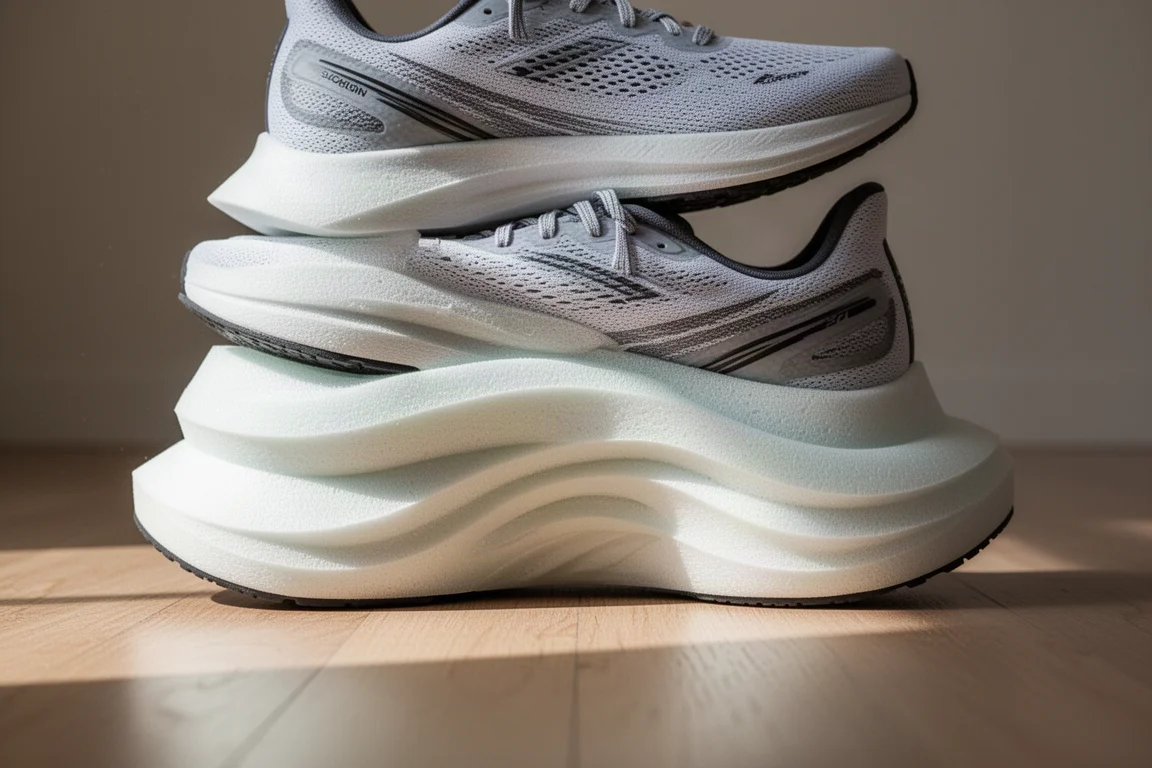
The plate sits closer to the ground with more foam under the forefoot and more curvature in the plate, tuned for runners who add speed through cadence rather than stride extension. On the outsole, the changed pattern leaves more foam exposed on the Edge+, with the design change most noticeable at the back of the shoe, which runs down further for runners hitting more at the heel.
Underfoot: Foam, Plate and Outsole
Both shoes use an FF Blast Turbo foam, a nylon-based formulation that Asics says offers the same level of softness as its FF Blast Plus foam but is lighter and bouncier than its other foams. The Sky+ adds four millimetres more of this foam compared with the original Sky, particularly in the forefoot, for roughly 16 percent more foam volume.
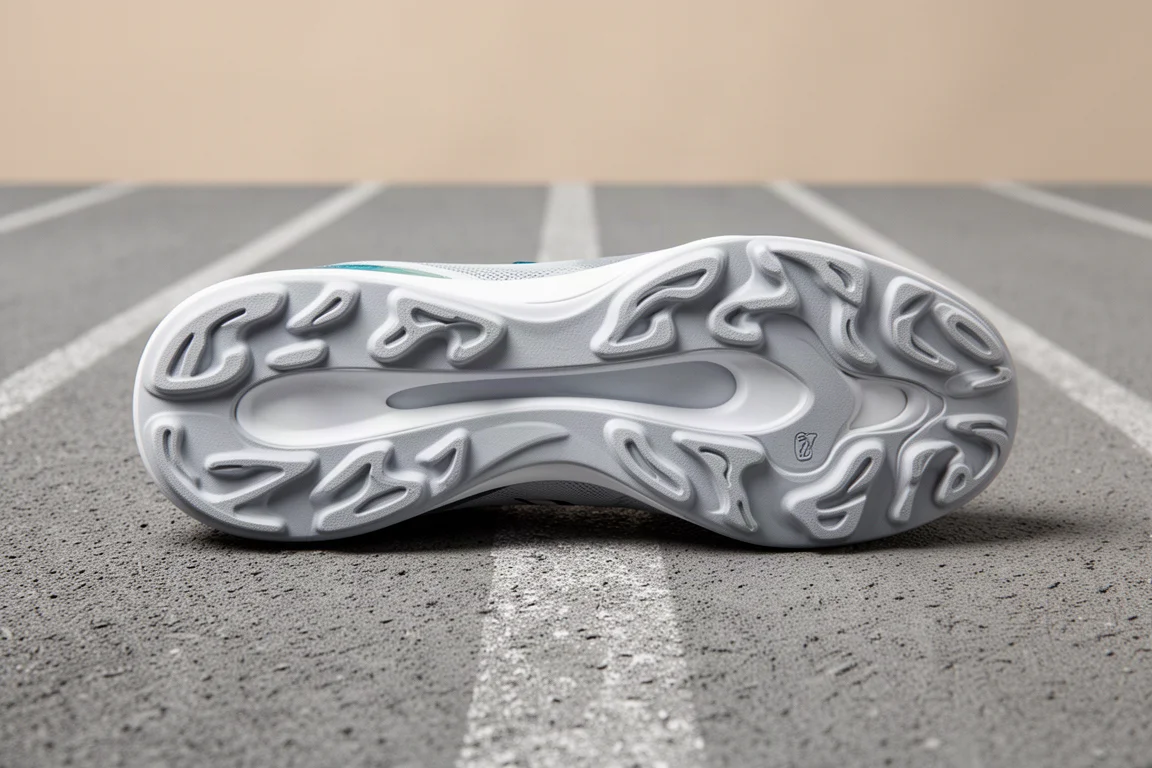
The outsole pattern has been tweaked on both models. On the Sky+, the area at the back of the shoe has been bolstered, a welcome change for heel strikers who tend to chew through that zone first. Traction otherwise keeps a similar silhouette and design to the original.
First Run Impressions
Over a fast 10k, the Sky+ felt very similar to the original MetaSpeed Sky in the best way. The fit is roomy enough up front, the shoe is light on foot, and it delivers a punchy, responsive feel underfoot from the first steps. One tester, who has covered two and three-quarter marathons in the original Sky, noticed no major difference in toe box space and appreciated the added foam, expecting it to matter more over longer distances.
The weight increase was not noticeable on the run. Lace lockdown felt secure, and the bolstered heel outsole addresses a known wear point. One caveat: the tongue is thin and minimal, so runners with high or broad insteps may find it does not wrap the top of the foot as fully as some would like.
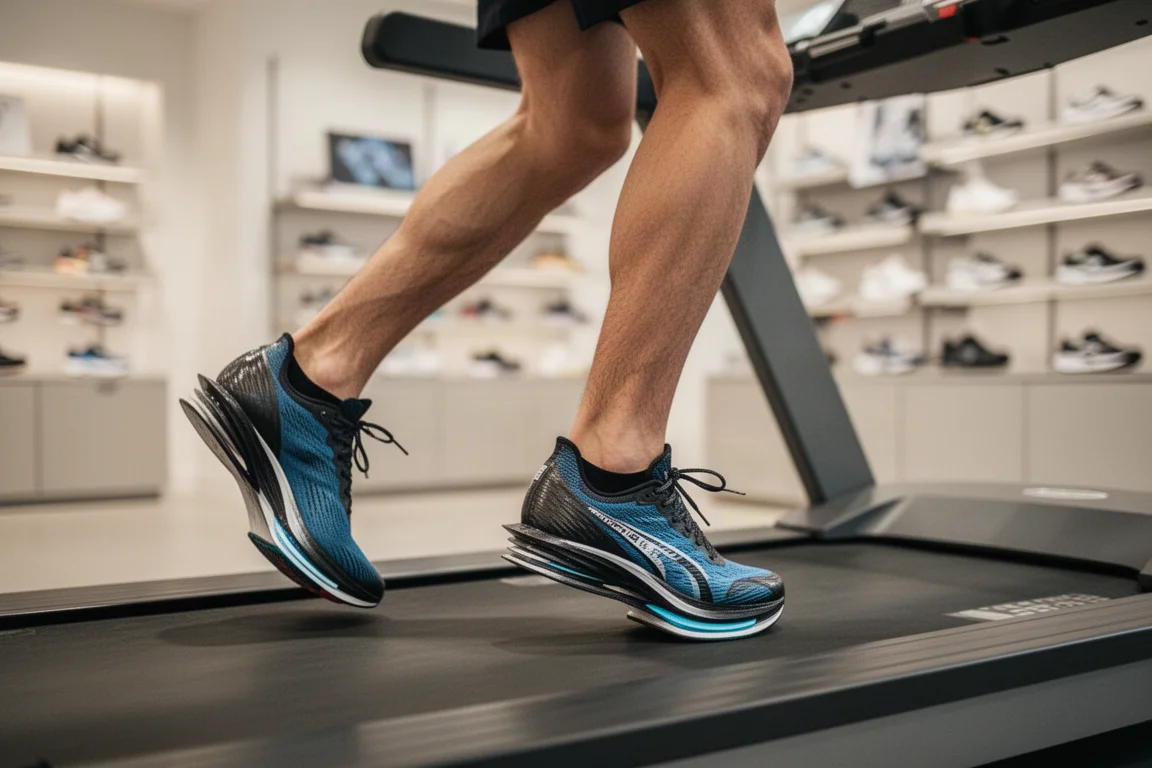
Two further observations from the run. Compared with a Nike Vaporfly, the Sky+ felt slightly more stable overall, if arguably a touch less punchy. And there is still a heel cut-away at the back of the shoe, so runners who fall back onto their heels get limited protection in that zone. One tester also noticed some heat developing under the balls of the feet late in the run, worth watching over a full marathon distance.
Who Should Buy Which Shoe?
Asics is candid about the target audience: the Sky+ is pitched at elites and sub-three-hour marathon runners. That does not mean slower runners cannot enjoy it, and it worked well for a tester running around a three-twenty marathon, but the tuning is clearly aimed at that pace band. Most people, the reasoning goes, will look at the Sky+ out of the two models.
If your marathon goals sit in that range and you run with a longer stride, the Sky+ is a strong marathon-oriented choice. It feels light, responsive and stable, and Asics suggests it can work across distances even though it shines as a marathon race shoe. If your style leans more toward high cadence, the Edge+ is the shoe designed to compress foam more locally and accommodate that pattern.
Given how close the Sky+ feels to its predecessor, runners happy with the original Sky may prefer picking it up at a cheaper price rather than jumping to the Plus, unless the extra forefoot foam and upper tweaks speak to their needs.
Conclusion
Asics has done the smart thing by splitting its super shoe line around running style rather than forcing one shoe to fit everyone. The Sky+ refines a already excellent marathon racer with more forefoot foam, a repositioned plate and a more secure upper, while the Edge+ offers a more accommodating ride for cadence-driven runners. Neither replaces the other; they complement each other. Try to match the shoe to how you actually run, and you will get far more out of either model.
Product link
View more details for Asics Metaspeed Sky+
This product is mentioned in the review. Check the specifications, options, and compatibility before buying.
View more details for Asics Metaspeed Sky+Further reading
Related Reviews
Running Shoes
Best Road-to-Trail Running Shoes: Three Versatile Options for Mixed Terrain
A practical guide to three road-to-trail running shoes that handle both pavement and mild trails, with clear strengths and trade-offs for different runner types.
Running Shoes
Best Running Shoes for Achilles Tendonitis: Three Options Explained
Three running shoes with different heel drops and support features designed to help reduce Achilles tendon pain during walking and running.
Running Shoes
Best Running Shoes for Women: Five Top Choices Ranked
A ranked guide to five women's running shoes, from versatile daily trainers to high-performance racing options, with real strengths and trade-offs for each.