Running Shoes
Asics MetaSpeed Sky Plus Review: A Small but Valuable Update to a Top-Tier Super Shoe
Three experienced testers put the MetaSpeed Sky Plus through racing, tempo runs, and half marathon duty. Here is how it fits, how it rides, and whether it beats the original.
Introduction
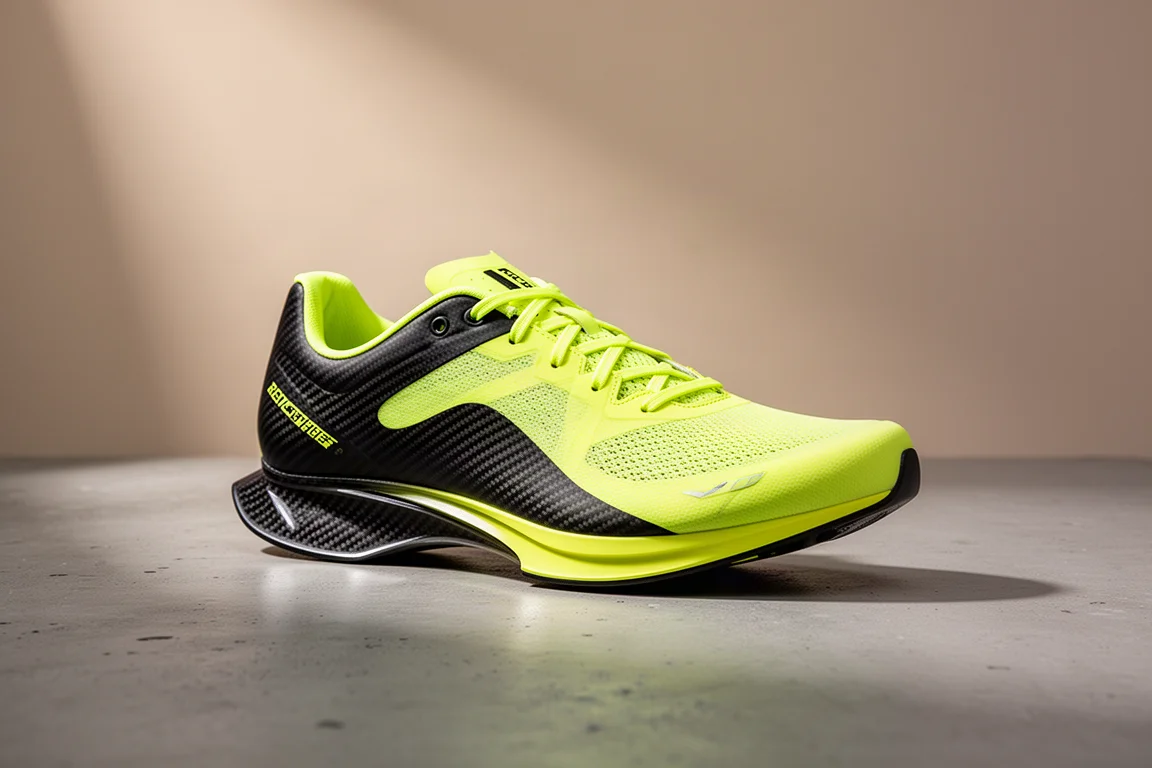
The Asics MetaSpeed Sky Plus arrives with a simple brief: take one of the best carbon plate racing shoes of the previous generation and refine it. Priced at $250 in the US and £225 in the UK, it sits alongside the MetaSpeed Edge Plus, undercutting the Nike AlphaFly 2 and costing slightly more than the Saucony Endorphin Pro 3. Our testing team ran training sessions and races in it across 5K, half marathon, and tempo distances. The short version: this remains a top-tier super shoe, and the update is small but worthwhile.
What’s New in the Sky Plus
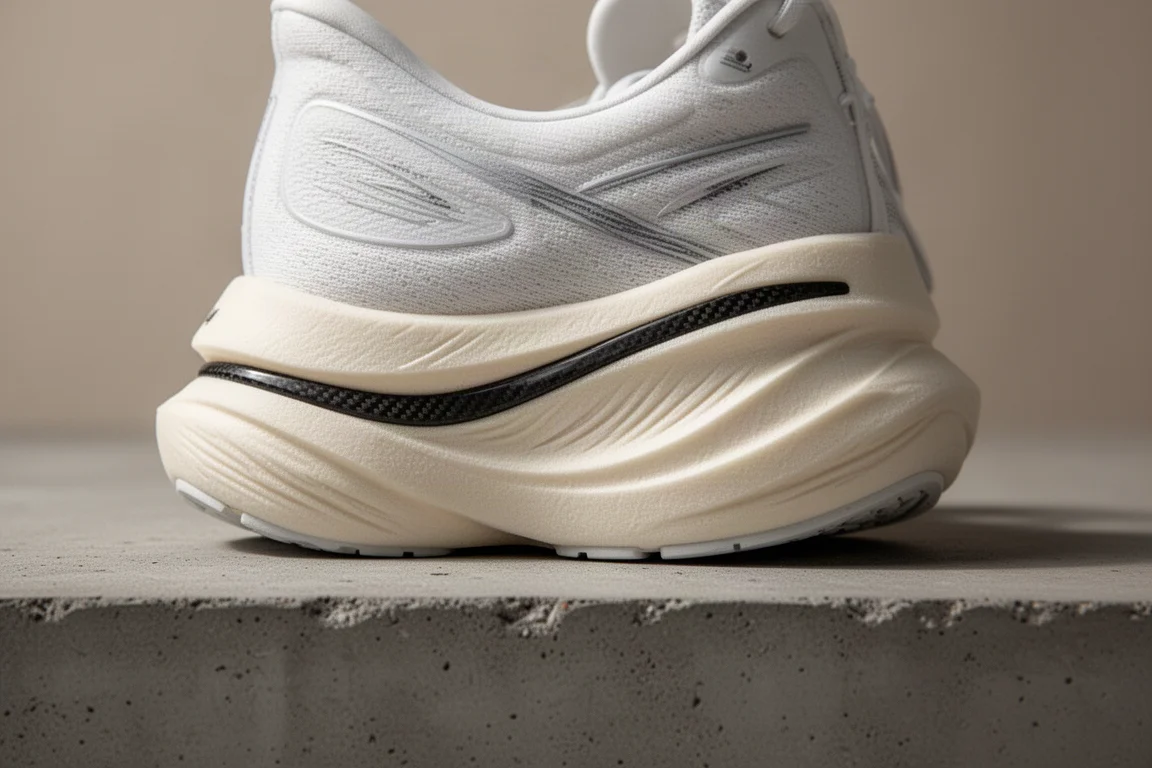
The key stats stay close to the original MetaSpeed Sky: the same 39/34mm total stack, 33/28mm midsole stack, and the same 5mm drop. Weight has crept up slightly to 205 grams. Asics positions the Sky Plus for stride runners who gain speed by extending stride length, while the Edge Plus targets cadence runners.
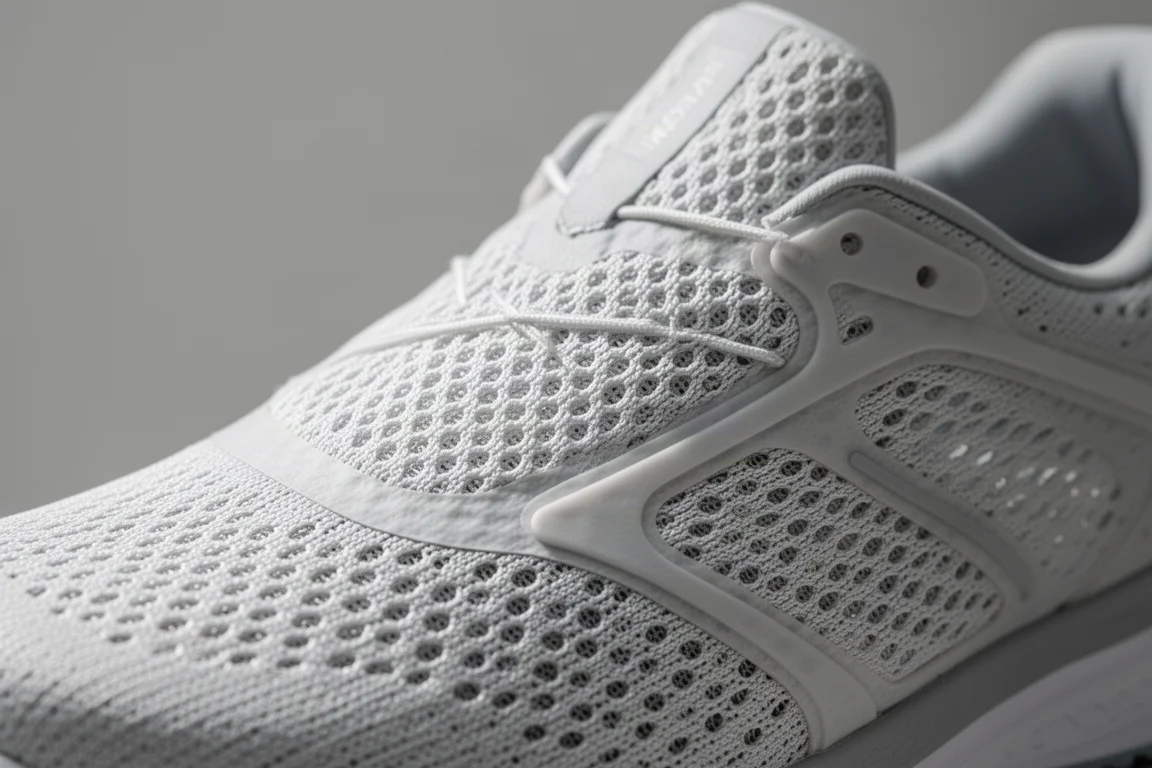
The meaningful changes are under the hood. The foot now sits closer to the carbon plate, and plate compression is spread across the full width of the shoe, putting more of the FF Blast Turbo foam to work for a noticeably bouncier ride. There is more foam this time around, particularly in the forefoot, with 4mm more Blast Turbo than the first Sky and 16% more foam volume overall. The upper gets a new motion wrap design in a lightweight woven mesh, new laces, a thin perforated suede tongue, and a new last that increases toe spring and improves the anatomical fit of the toe box. The A6 grip rubber outsole has a tweaked pattern, though plenty of foam remains exposed.

Ride and Performance
When you lean forward and push with intent, the Sky Plus feels fantastic underfoot. The combination of foam and plate delivers a big, bouncy, propulsive ride, and one tester described it as a little more efficient and propulsive than the original Sky after racing it over 5K twice. In a direct workout comparison with the Edge Plus, one higher-cadence tester found the Edge slightly more natural at first, but settled into the Sky Plus quickly and ran just as well in it.
It is also more comfortable than the numbers suggest. Easy and steady runs are genuinely enjoyable in it, though the low drop and high stack mean it is best reserved for race days and key sessions. One tester picked up calf trouble after logging too many easy miles in it.
Against the competition, the picture is clear. The Vaporfly 2 remains a touch faster and more explosive, but the Sky Plus is more comfortable, more forgiving, and nearly as quick, with several testers coming close to personal bests set in the Vaporfly. Compared with the AlphaFly 2, the Asics feels nimbler and more stable on quick turns, though the heavier and pricier Nike offers a more explosive ride on straight roads. Against the Adidas Adios Pro 3, the foam is on par, and some testers preferred FF Blast Turbo to Lightstrike Pro.
How It Fits
Fit is true to size across our testers. The toe box offers a decent amount of room that pays off on longer runs, lockdown around the midfoot is secure, and heel and collar padding matches the original. Compared with the Vaporfly, there is a little more room up front, and nobody found it restrictive.
One tester ran a half marathon personal best of 1:10:23 in the shoe and reported feeling able to cruise at marathon and half marathon pace without pushing flat out. That said, the shoe rewards effort: when form fades and a runner rocks back on their heels, the low drop and forefoot-biased cushioning give back less spring. Stride runners who put big force into the ground will get the most from it.
Durability Concerns
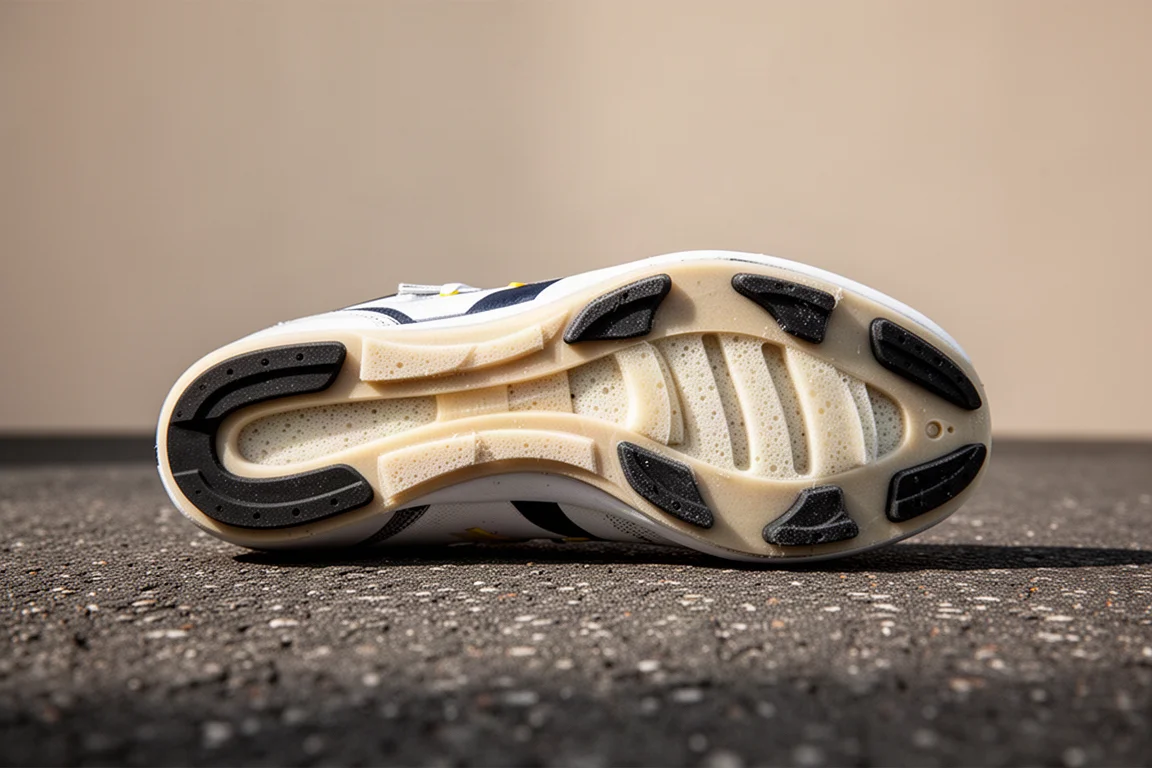
The main caveat carried over from the original: heel strikers will see the exposed foam at the rear of the outsole scuff and rip, because the rubber does not extend far enough back and the foam compound is soft. The good news is that the wear is cosmetic. A tester who used the original Sky for 150k reported no performance drop-off, as the foam underneath keeps its bounce even after the top layer wears away. Still, it is a shoe to save for races and race-pace sessions rather than daily easy miles, and durability will likely mirror the first Sky.
Buying Advice
The Sky Plus earns its place at the top of the carbon shoe rankings, but whether it is worth upgrading depends on price. If you can find the original MetaSpeed Sky cheaper, that remains a sensible buy, since the on-foot experience is not drastically different. If the Sky Plus is discounted close to a Vaporfly 2 deal, its comfort edge makes it a compelling pick. It suits runners racing everything from 5K to the marathon who want a light, bouncy, forgiving shoe, especially those who prefer not to run in Nike.
Conclusion
The MetaSpeed Sky Plus is a small but genuinely valuable update, keeping Asics firmly in the fight at the top of the super shoe market. It is light, bouncy, comfortable, and quick across a wide range of distances, with only outsole wear and tear holding it back. For most runners chasing a race day shoe, it deserves a spot on the shortlist.
Product link
View more details for Asics Metaspeed Sky+
This product is mentioned in the review. Check the specifications, options, and compatibility before buying.
View more details for Asics Metaspeed Sky+Further reading
Related Reviews
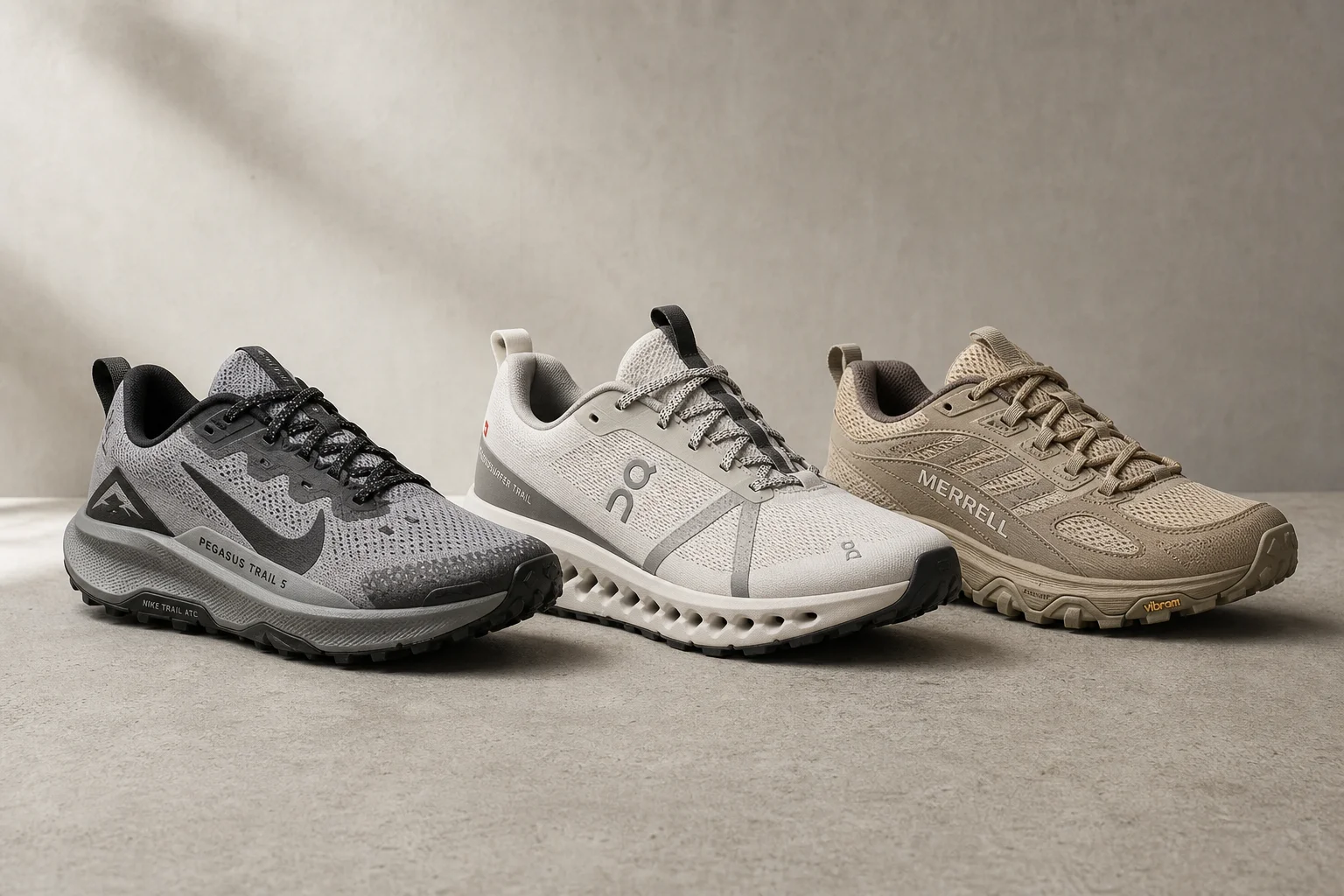
Running Shoes
Best Road-to-Trail Running Shoes: Three Versatile Options for Mixed Terrain
A practical guide to three road-to-trail running shoes that handle both pavement and mild trails, with clear strengths and trade-offs for different runner types.
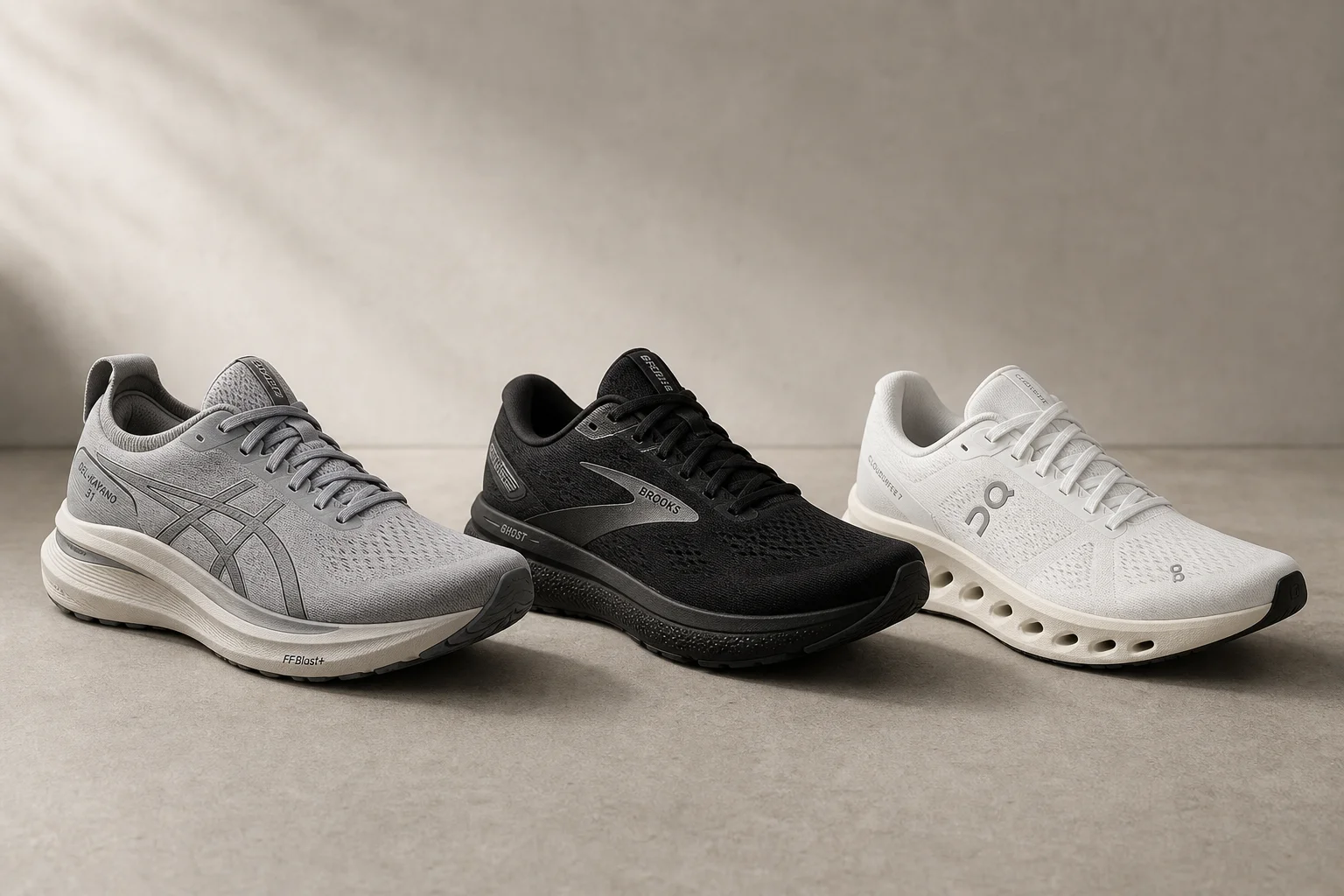
Running Shoes
Best Running Shoes for Achilles Tendonitis: Three Options Explained
Three running shoes with different heel drops and support features designed to help reduce Achilles tendon pain during walking and running.
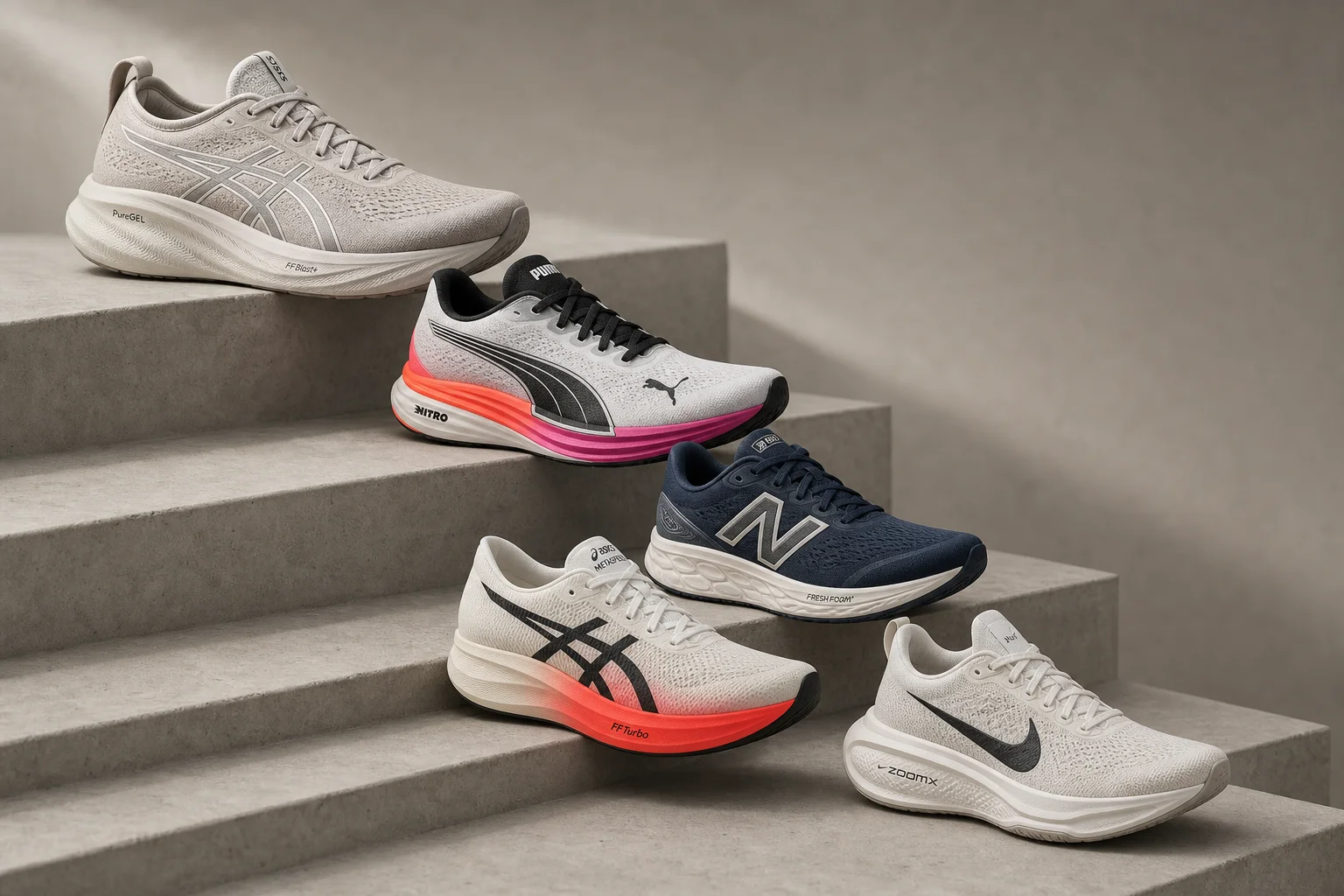
Running Shoes
Best Running Shoes for Women: Five Top Choices Ranked
A ranked guide to five women's running shoes, from versatile daily trainers to high-performance racing options, with real strengths and trade-offs for each.