Running Shoes
ASICS MetaSpeed Sky Plus vs Edge Plus: Two Super Shoes, Two Very Different Feels
ASICS updated both of its flagship racing shoes, and the two share almost everything except the one thing that matters most: how they ride.
Introduction
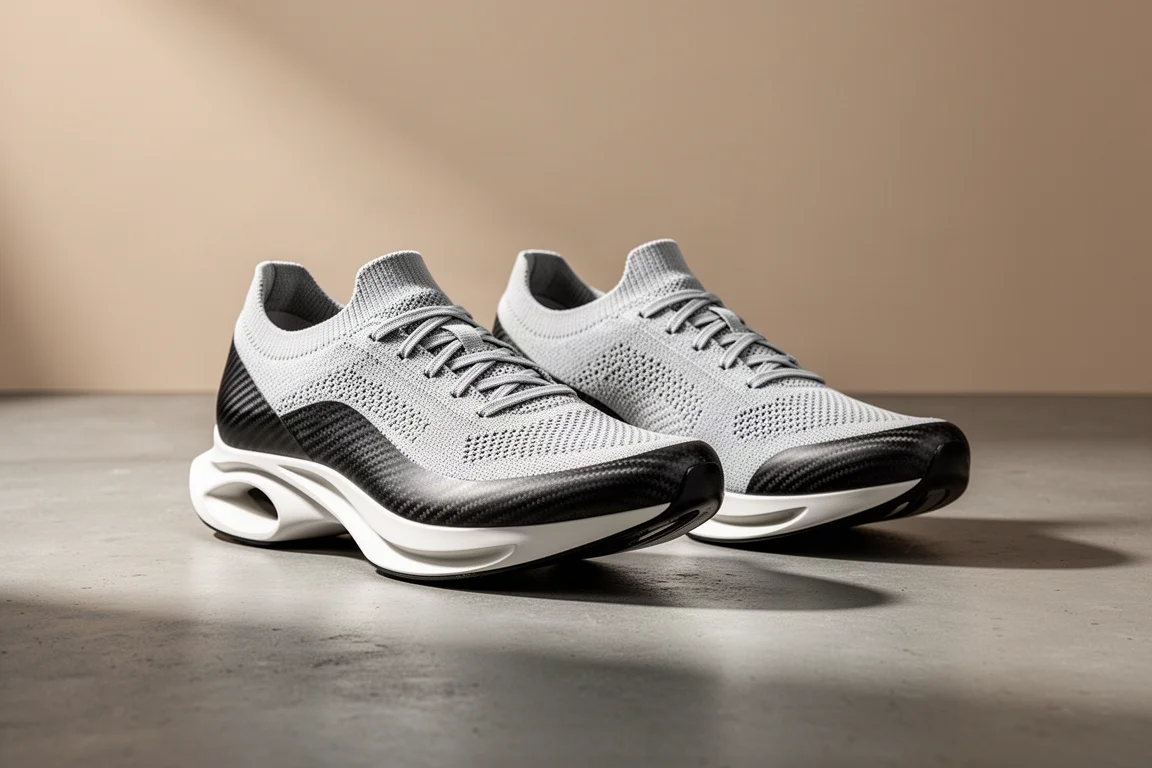
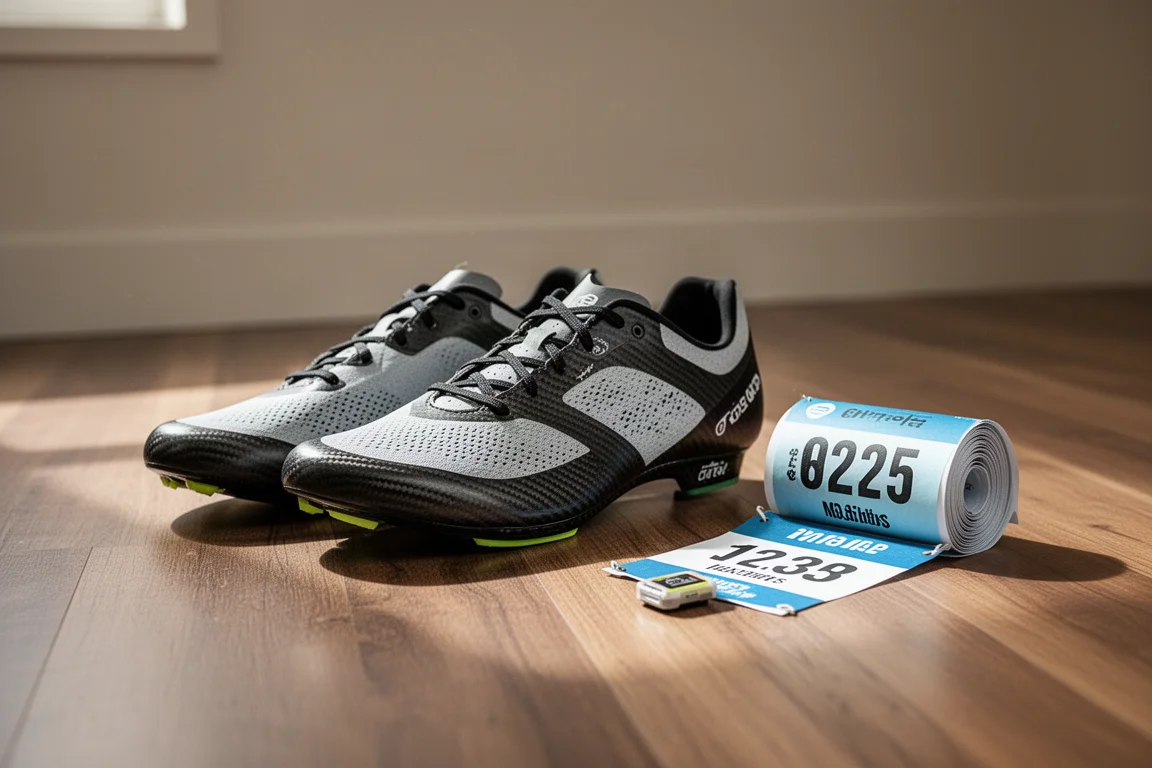
ASICS refreshed its two flagship racing shoes at the same time, and the result is a genuinely confusing comparison, because the MetaSpeed Sky Plus and MetaSpeed Edge Plus look nearly identical. Same colorway, same upper, same outsole rubber, same foam, and weights within a few grams of each other.
The differences come down to the plate placement and midsole geometry, and those differences change the ride enough that most runners will clearly prefer one over the other. Here is how they break down.
What They Share
Both shoes use the same thin-tongued, breathable upper that fits well, with a heel counter that has caused some rubbing for a few wearers. Both use the same FF Turbo foam and a 1.5 millimeter rubber outsole layer that grips well and bites into the road. Both weigh around 210 grams, roughly 7 ounces, right where a super shoe should sit.
The outsole barely flexes on either shoe, which is expected at this level. Availability is listed at $250, standard for the current super shoe market.
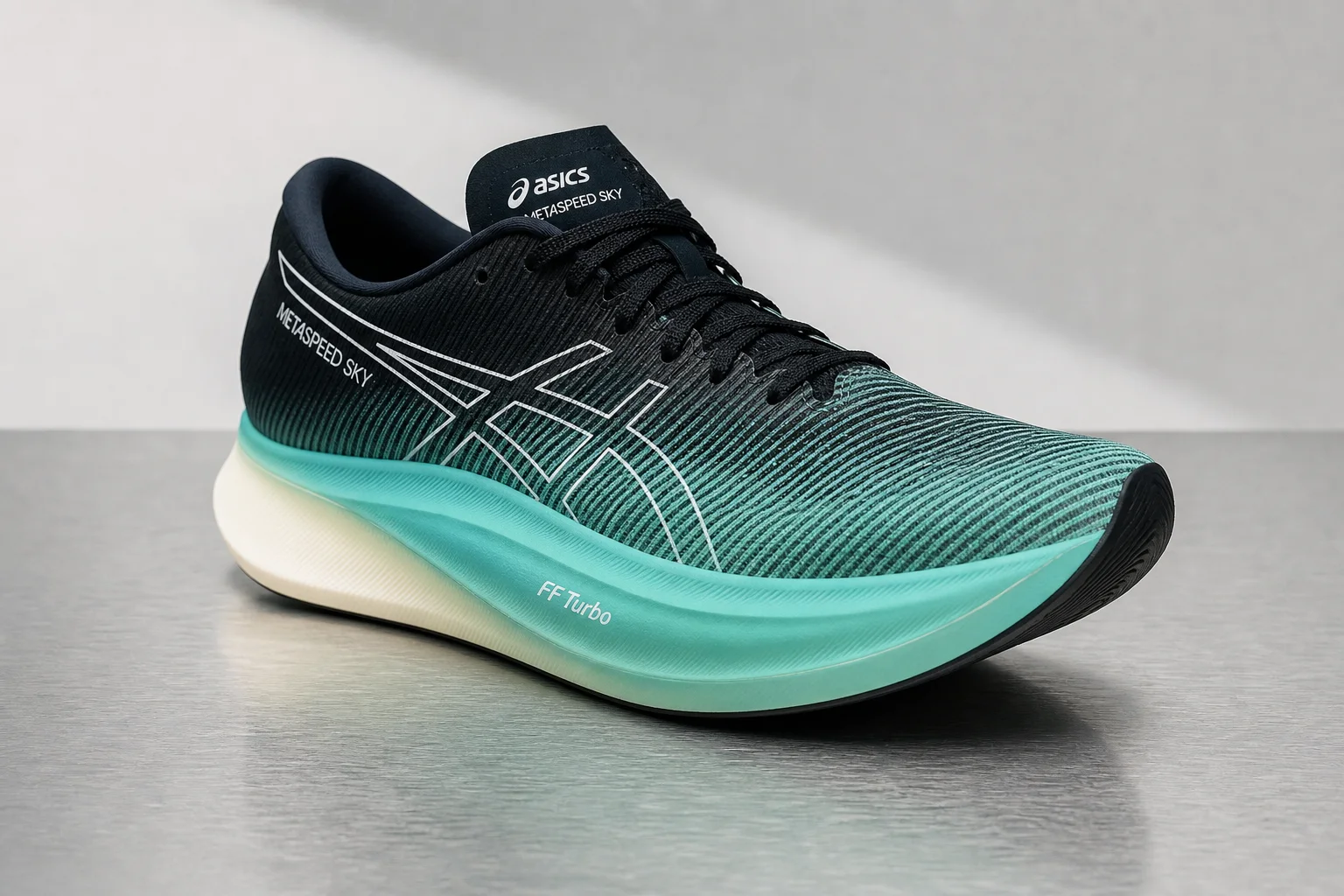
ASICS MetaSpeed Sky Plus
The Sky Plus is the shoe with the longer track record here, and it keeps much of what made the original MetaSpeed Sky a favorite. The upper is similar to last year’s version, slightly improved but recognizable, with a very thin tongue and a breathable fit.
The midsole is where things change. The plate sits closer to your foot, so you feel the snap directly underfoot, with generous cushioning under the toes. The stack is 39 mm in the heel and 34 mm at the forefoot, a 5 mm drop, and the shoe feels noticeably softer than the previous version. The plate is nearly flat through the midfoot with a slight wave, then comes down through the toe.

This shoe is built for stride runners: people who pick up the pace by elongating their stride, landing harder on a longer reach and needing that underfoot bounce to keep the motion going forward. If you are targeting a marathon, your legs should fare better in this version than in the last one.
ASICS MetaSpeed Edge Plus
The Edge Plus shares the upper, foam, and rubber of the Sky Plus, so the entire story is the plate and midsole geometry. The drop is 8 mm here, with 39 mm in the heel and 31 mm at the forefoot, versus 5 mm on the Sky.
The plate curves down like a ladle, dropping lower under the forefoot to create a pronounced toe load. Push through your toe and you feel a pivot point and an extra snap forward, exactly what fans of an aggressive toe spring want.
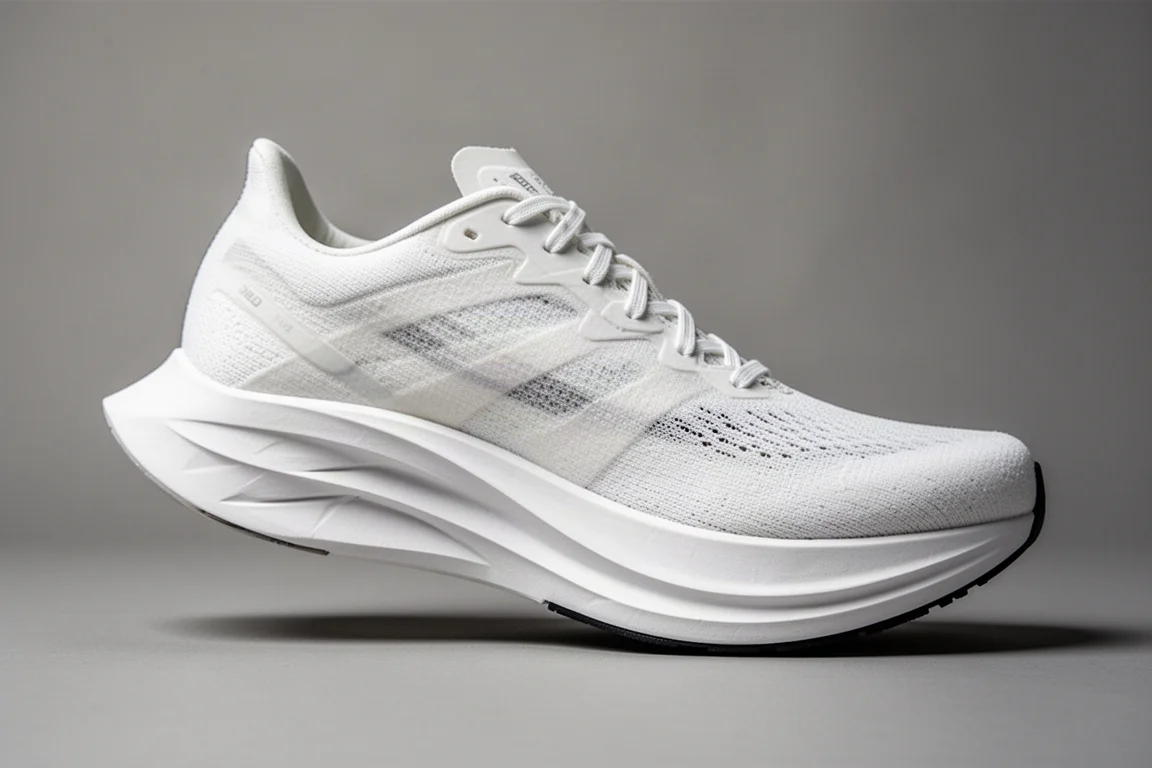
Here is the surprising part: although the Edge technically has more foam between your forefoot and the plate, it feels firmer than the Sky. That hard plate curve snaps you forward and makes the whole shoe feel faster underfoot, with quicker transitions between strides. Some runners even say this version feels more like last year’s MetaSpeed Sky than the new Sky does.
Sizing Notes
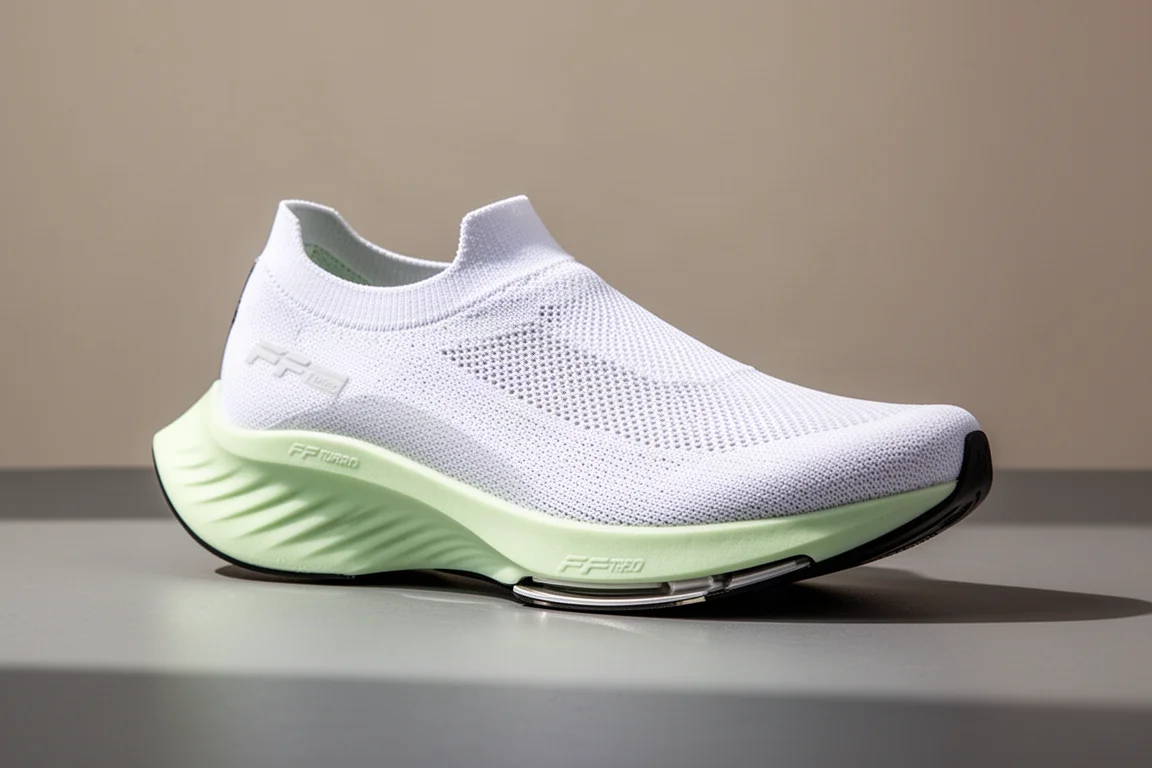
Fit is a recurring topic with this lineup. Many wearers traditionally go up a half size in the ASICS racing lasts, though some find these versions fit more true to size than the previous generation. If you wear a consistent size across other ASICS models, trying both sizes is the safest route before race day.
Which One Should You Pick?
Both are excellent race day shoes, so the decision comes down to stride mechanics:
- Sky Plus: for stride runners who lengthen their gait at speed and want plush, bouncy cushioning underfoot.
- Edge Plus: for cadence runners who want an aggressive, pivoting toe-off and a firmer, snappier feel.

There is no wrong answer, only the wrong shoe for your stride. Ideally, test both before committing, since the on-foot feel is more decisive than any spec sheet.
Final Thoughts
At $250 each, both shoes sit at the standard premium super shoe price point, and both deliver the foams and plate technology you would expect at that level. If you want comfort and bounce for the long grind of a marathon, the Sky Plus makes a strong case. If you want to feel the plate launch you forward at shorter distances, the Edge Plus is the sharper tool.
Conclusion
The Sky Plus and Edge Plus prove that two shoes can share almost every component and still deliver completely different rides. Stride runners should lean Sky, cadence runners should lean Edge, and everyone else should try both before their next race.
Further reading
Related Reviews

Running Shoes
Best Road-to-Trail Running Shoes: Three Versatile Options for Mixed Terrain
A practical guide to three road-to-trail running shoes that handle both pavement and mild trails, with clear strengths and trade-offs for different runner types.

Running Shoes
Best Running Shoes for Achilles Tendonitis: Three Options Explained
Three running shoes with different heel drops and support features designed to help reduce Achilles tendon pain during walking and running.

Running Shoes
Best Running Shoes for Women: Five Top Choices Ranked
A ranked guide to five women's running shoes, from versatile daily trainers to high-performance racing options, with real strengths and trade-offs for each.