Running Shoes
ASICS Metaspeed Sky Paris vs Puma Deviate Nitro Elite 3: Two Standout Carbon Racers Compared
Two of the strongest carbon plate racing shoes of the year go head to head on weight, foam, grip, fit, and which one earns a spot on race day.
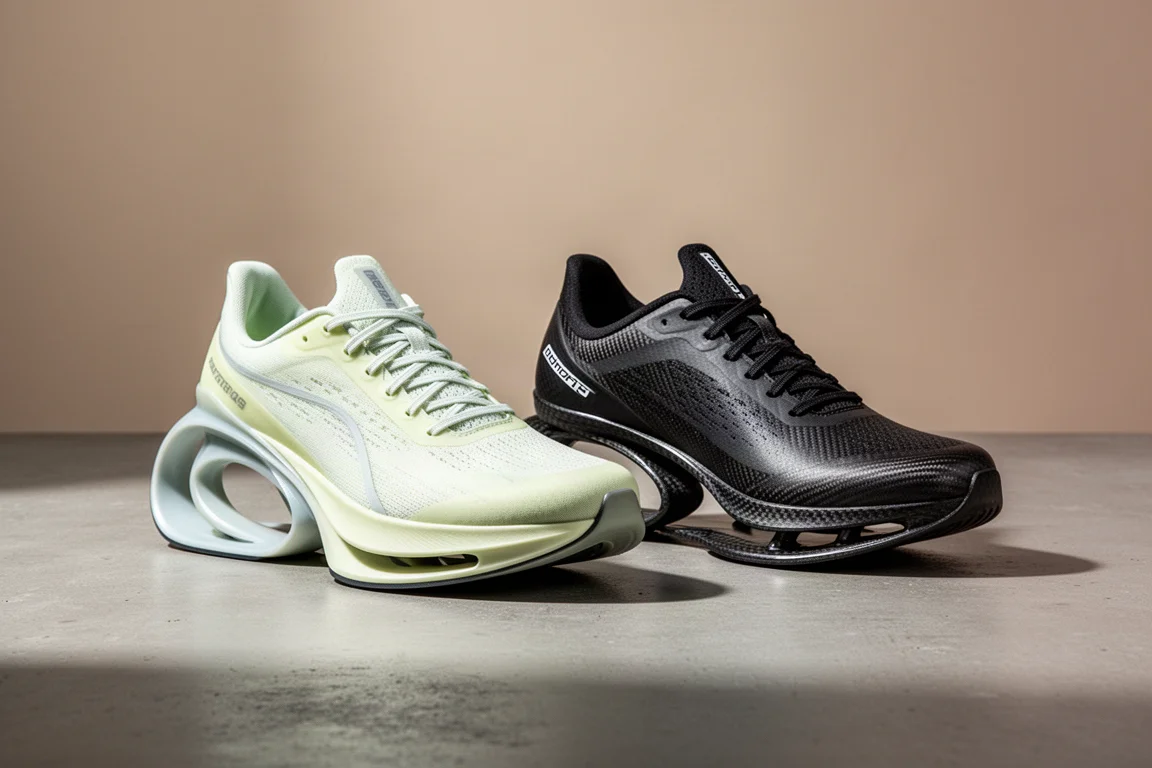
Introduction
These are two of the standout carbon plate racing shoes of the year, and honestly, either one will give you a great race day experience. Both are super light, super bouncy, and built for fast running from 5K all the way up to the marathon. But there are real differences in foam feel, fit, outsole durability, and price, and those differences could decide which one belongs on your feet. Here is how they stack up.
Quick Comparison: The Tale of the Tape
On paper, the Puma Deviate Nitro Elite 3 is the cheaper of the two shoes, while the ASICS Metaspeed Sky Paris sits lighter on your feet. The Puma runs an 8 mm heel-to-toe drop, the ASICS a 5 mm drop. The Metaspeed carries a little more foam in the forefoot.
Both shoes pair light, breathable uppers with lively midsoles and full-length carbon plates. Puma’s midsole is an aliphatic TPU-based foam designed to deliver big energy return, while ASICS uses a PEBA-based FF Turbo Plus foam for big bounce and energy return too. At the outsole, Puma brings its own Puma Grip rubber with plenty of coverage up front and at the heel, while ASICS focuses its rubber on the forefoot and lateral areas.
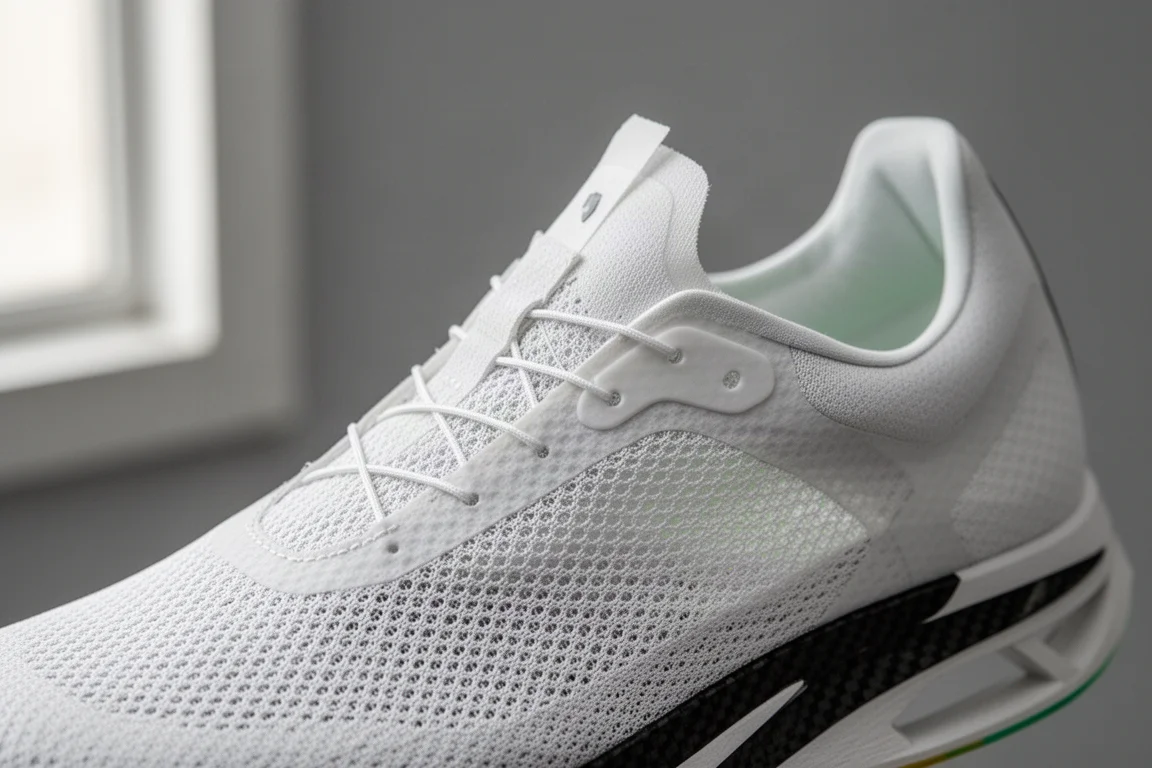
ASICS Metaspeed Sky Paris: The Performance Pick
This is the favorite racing shoe of one of our testers, who set a 2:27 marathon PB in it at the London Marathon along with fastest half, short race, and parkrun times. It is really lightweight but still has a nice big slab of bouncy foam underfoot, and it feels poppier than other carbon racing shoes, especially in the forefoot. The foam is well balanced: not overly soft and squishy, but with just enough give that all that energy gets returned in an explosive feeling as you push through onto your forefoot.
The fit is more locked down, with less wiggle room up front, and testers found going true to size works well, fitting pretty much perfectly as a race shoe. One concern: the heel rubber does not extend all the way back, and one tester scuffed the back of the shoe with the material flaking off after over 100 miles. Even so, it still feels as good as ever, and durability at the heel has improved compared to previous versions. One tester also noted it can be awkward to get on quickly before a race.

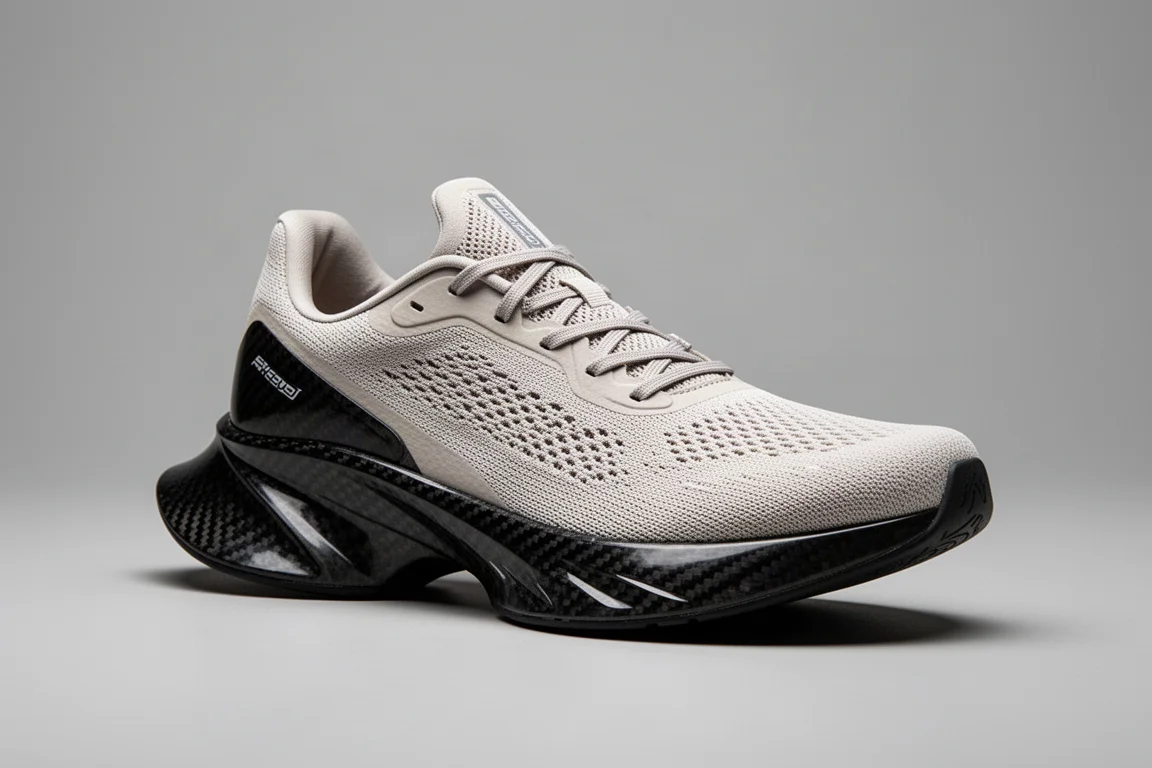
Puma Deviate Nitro Elite 3: The Value Pick
The Deviate Nitro Elite 3 is a big step up from the earlier two versions. Previous iterations lacked the energy return and cushioning this tester wanted, limiting them to 5K and 10K duty. This new version has a similar style of foam feel to the best race shoes out there, a lot more bounce, and much more cushioning, making it genuinely suitable for half marathon and marathon racing. One tester ran a 10K race on mixed terrain plus several long sessions and found it fast, efficient, and comfortable.
The fit is comfortable but roomy, with extra space around the big toe and sides of the forefoot. Some runners may want to go half a size down for a more secure race fit. The lacing and tongue setup is more traditional than the ASICS, offering a reliable lockdown, and it is the easier of the two shoes to slip on. Its strengths include a fantastic Puma Grip outsole with better wet grip and durability, and a slightly firmer feel that may make it a touch more stable. Note that the outsole coverage at the heel is less than on many other Puma shoes, and one aggressive heel-striker ripped part of it off after just 20K.
How They Feel Across Distances
Over shorter distances like 5K and 10K, the two shoes feel very similar and offer a very good experience. Over longer distances, the extra foam in the forefoot of the Metaspeed Sky Paris stands out: when you start to tire and cruise, there is more cushion there to drop onto. The Puma, however, is a bit more accommodating when you have to ease off the pace, making it slightly more forgiving outside of all-out racing.
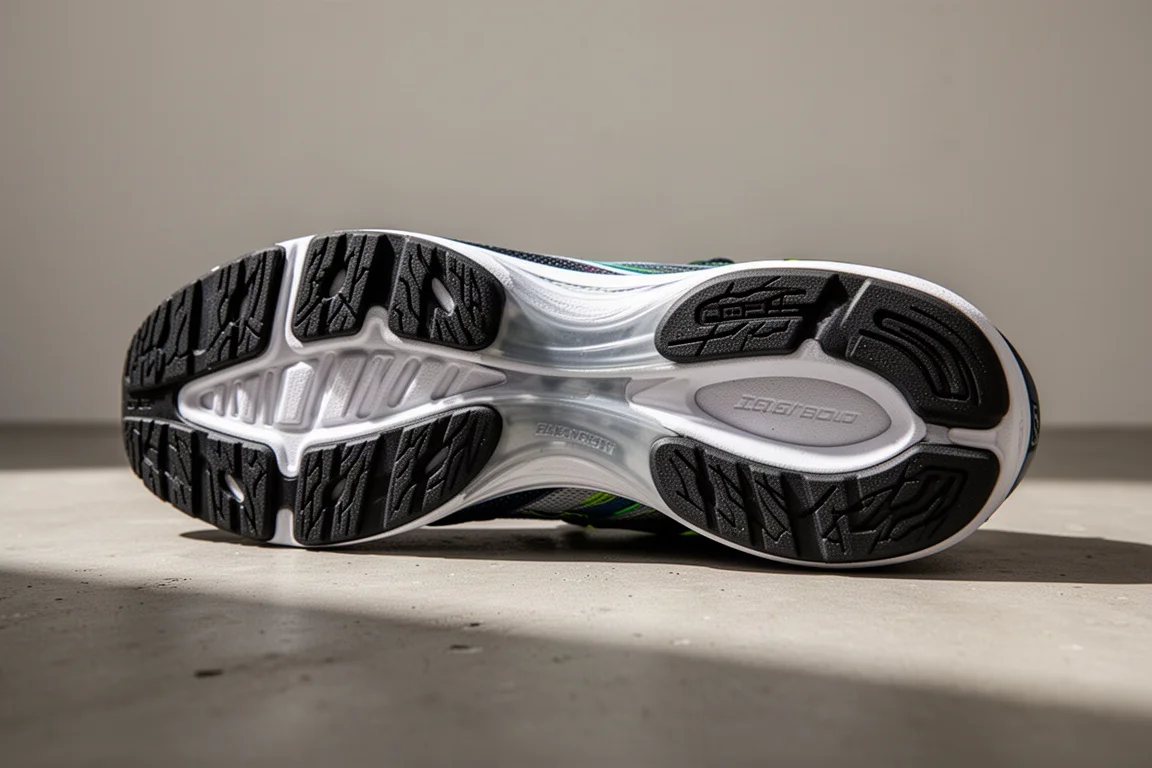
Both outsoles performed well in dry and wet conditions, with very good grip and great cornering. The Puma likely offers more long-term outsole durability, while the ASICS shows impressive heel durability improvements over previous versions. Both are best saved for race-pace runs and racing rather than everyday mileage.
Buying Advice: Which One Should You Pick?
If money is no object, the Metaspeed Sky Paris edges everything else out. It is the lighter shoe, the foam gives you slightly more back, and it feels like a step above other carbon shoes across 5K to marathon distances. Testers consider it worth paying the extra for.
The Puma Deviate Nitro Elite 3 is excellent value in the top-tier carbon racing shoe category, noticeably cheaper, and arguably a touch more accessible in both fit and experience. If you pick it instead, you are not getting a massively inferior experience; many runners may actually get on with it better, especially if they prefer a roomier toe box, a more traditional lacing setup, better outsole durability, and slightly better wet grip.

Conclusion
Both shoes sit up there with the best of the best, and there really is not a lot between them. The Metaspeed Sky Paris gets the nod for its slightly better energy return, lighter weight, and extra forefoot comfort over long distances. The Deviate Nitro Elite 3 remains a fantastic shoe that previous versions never were for marathon racing, and its lower price makes it an easy recommendation. Pick the ASICS for pure performance, pick the Puma for value and durability, and you will be happy either way.
Further reading
Related Reviews

Running Shoes
Best Road-to-Trail Running Shoes: Three Versatile Options for Mixed Terrain
A practical guide to three road-to-trail running shoes that handle both pavement and mild trails, with clear strengths and trade-offs for different runner types.

Running Shoes
Best Running Shoes for Achilles Tendonitis: Three Options Explained
Three running shoes with different heel drops and support features designed to help reduce Achilles tendon pain during walking and running.

Running Shoes
Best Running Shoes for Women: Five Top Choices Ranked
A ranked guide to five women's running shoes, from versatile daily trainers to high-performance racing options, with real strengths and trade-offs for each.